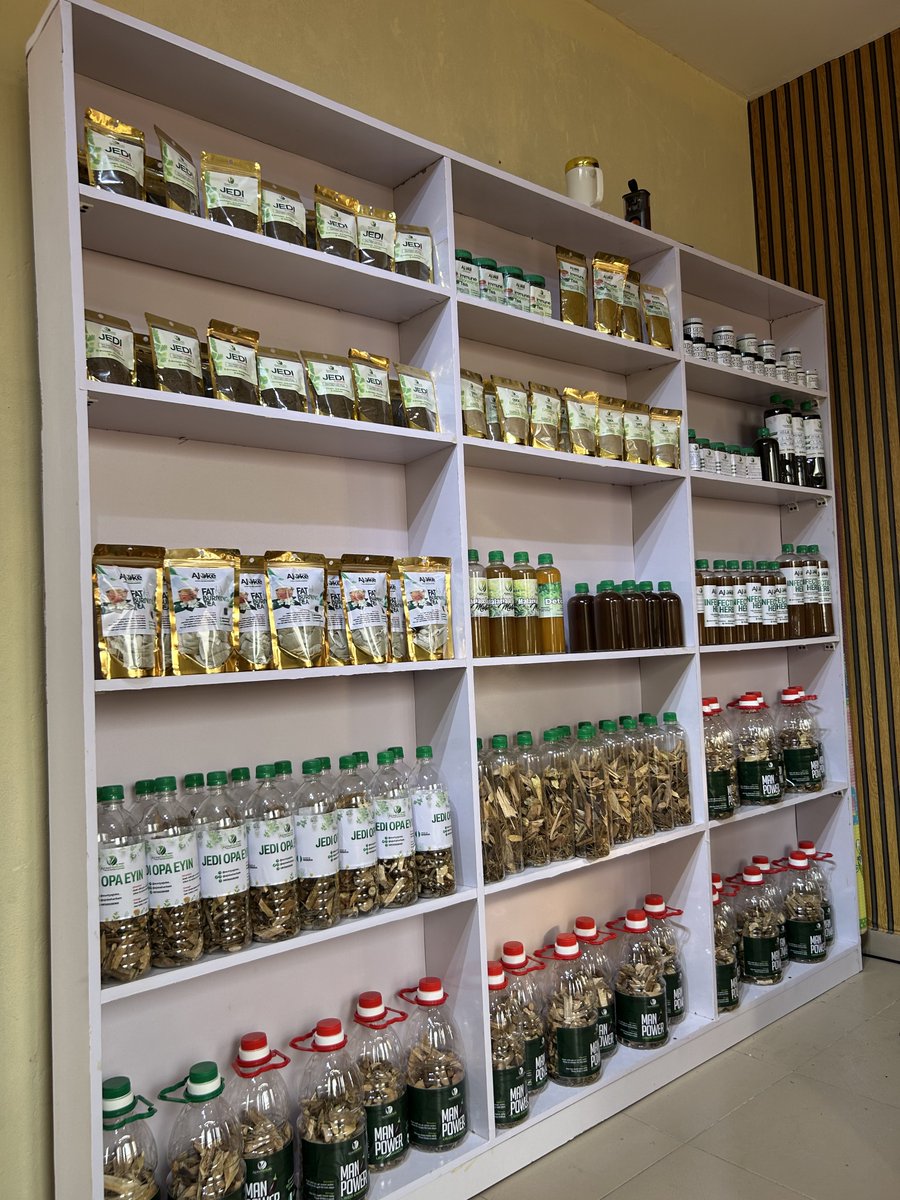
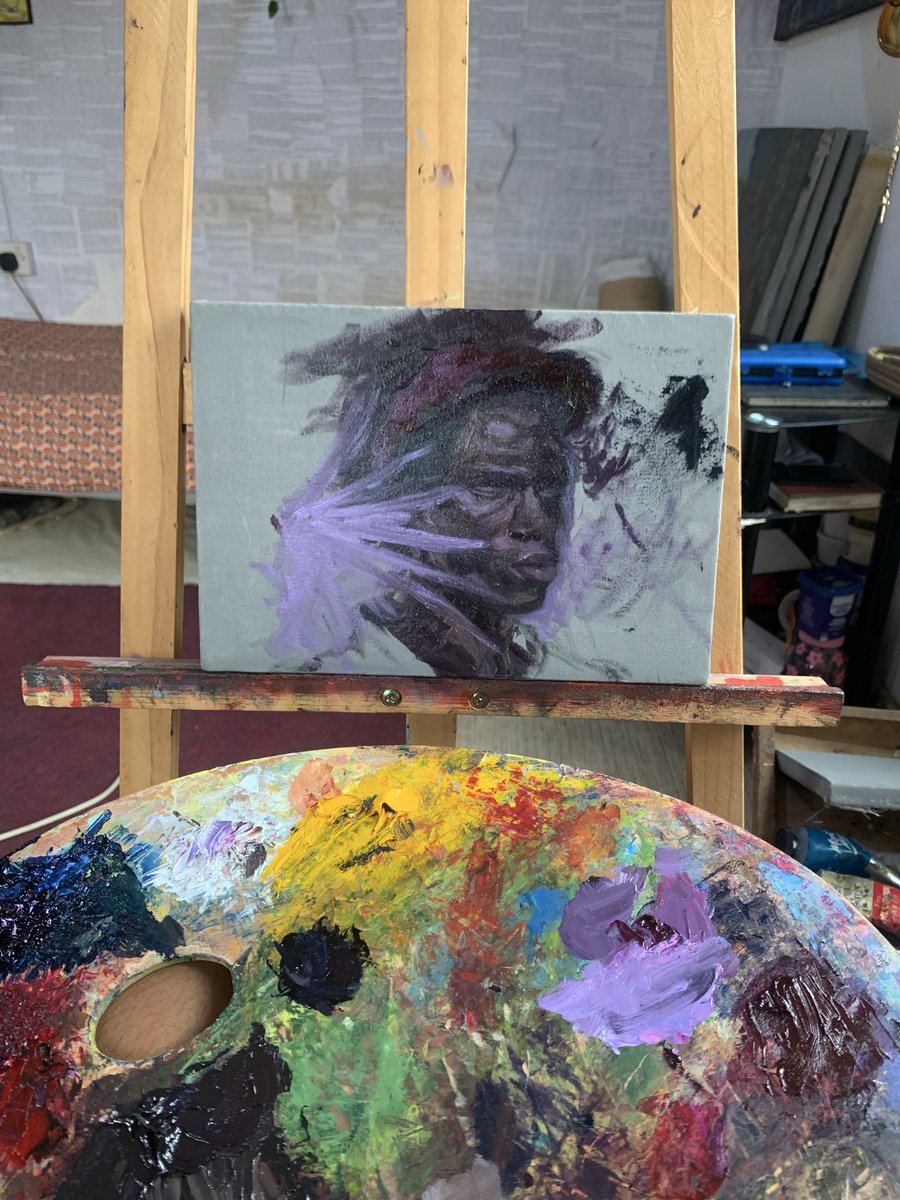
Have you ever wondered why I chose the path of herbal medicine, especially when it’s not a family business I inherited?
🪴
It is because I believe there is so much to learn from nature, so much potential in medicinal plants, and so much value in understanding how they work.
🪴
I believe in studying them, understanding their chemical constituents, exploring their biological activities, and respecting the science behind their use.
🪴
To me, herbal medicine is more than mixing leaves and roots. It involves understanding the plant, its properties, its potential benefits, its safety, and the importance of using herbal products appropriately.
🪴
If you believe in making informed choices about your wellness, you’re in the right place.
🪴
I invite you to explore what Ajoke Herbal Therapy has to offer. Whether you’re already part of our growing family or you’re just discovering us, we’re happy to have you here.
🪴
Our location is Ibadan, Nigeria and we deliver worldwide.
Send a dm or click link in bio for orders and consultations.
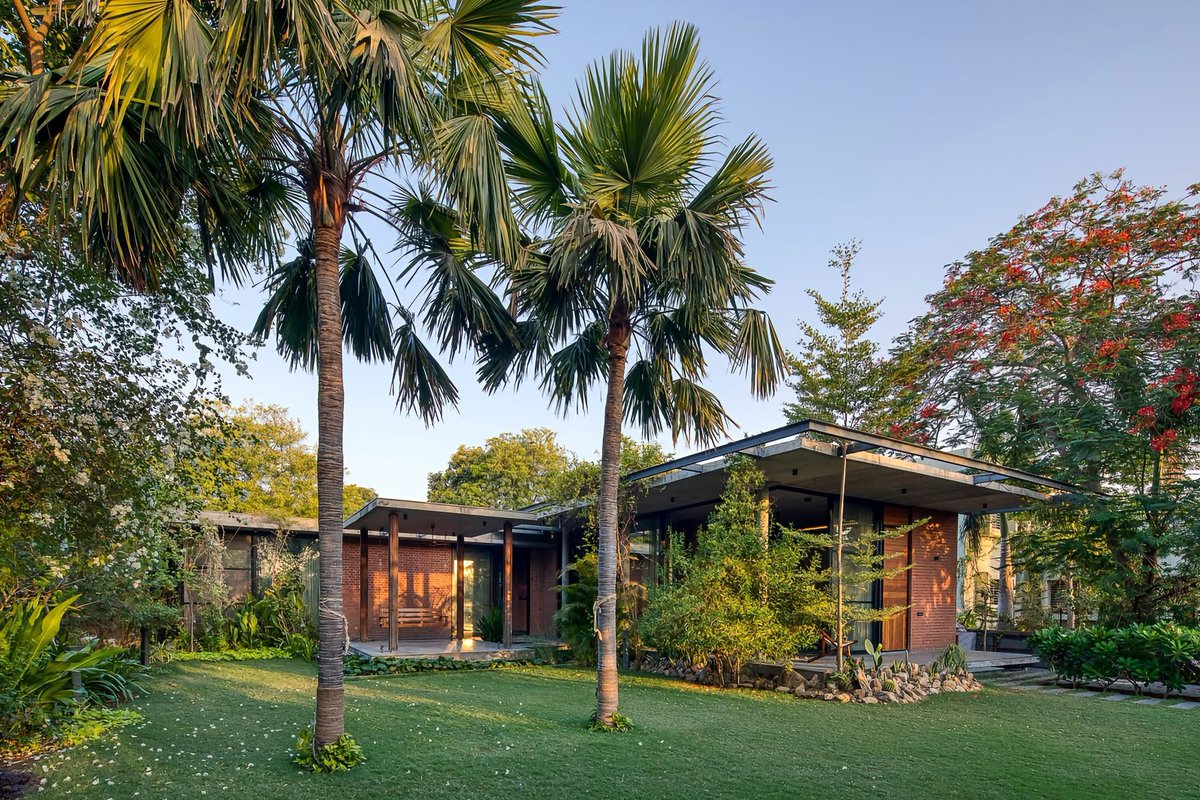
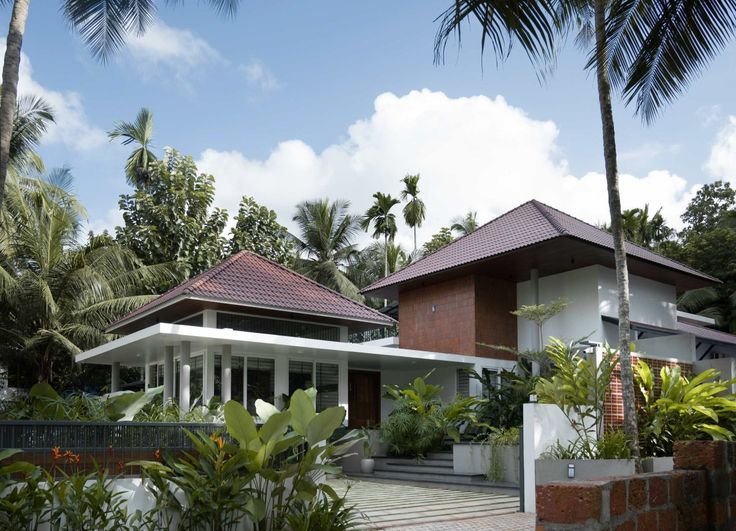
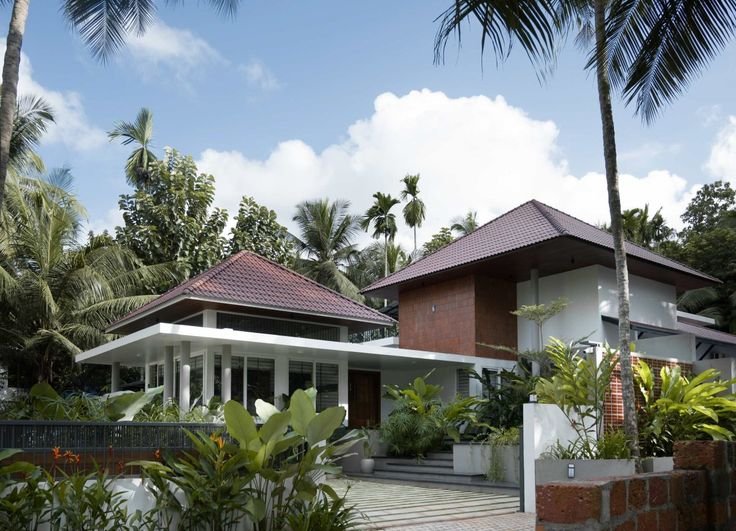
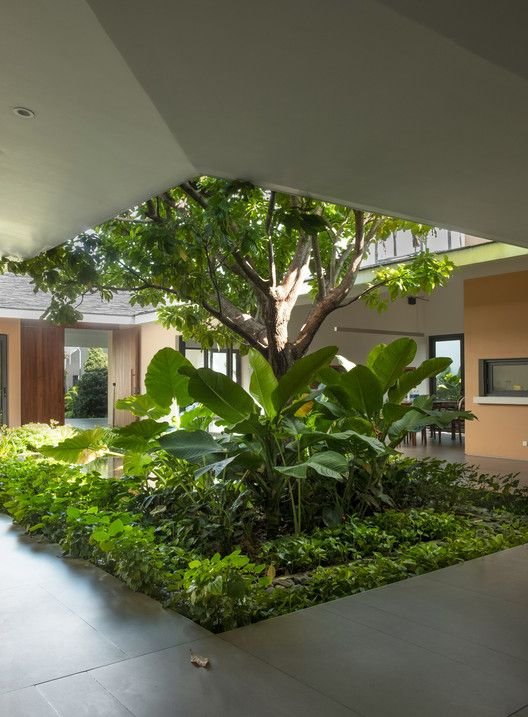
An architect, a landscape architect and a structural engineer sat down to design a house for themselves. They agreed on one thing: they wanted to see the garden from almost every room.
The family are nature lovers and wildlife photographers. So the brief was simple. Keep the trees, and let the house disappear into the green.
This is the Floating Frame House, on the outskirts of Ahmedabad, India, by Rushi Shah Architects and Tattva Landscapes. About 325 sq m. 2018.
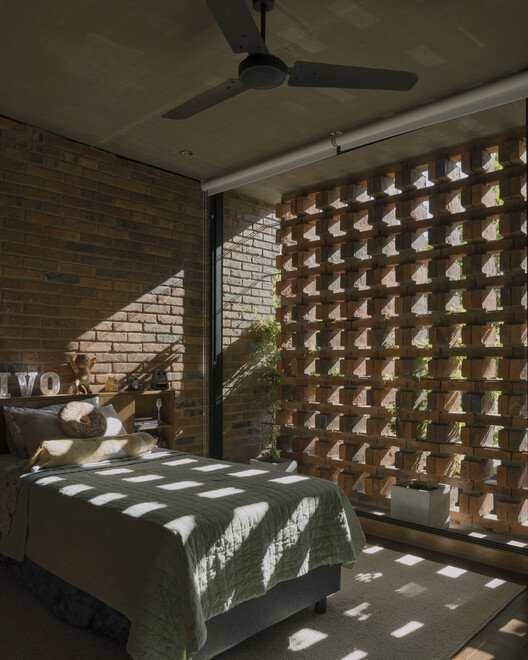
It is built of exposed brick, exposed concrete and exposed steel. A brick screen covers the existing bamboo clusters and welcomes you in. Every existing tree stayed.
Here is what it teaches.
Shade comes from the structure. A cantilevered slab and a steel canopy block the harsh summer sun and let the winter sun in. The same canopy carries climbing plants, so the shade is also green.
Air moves through. The living room, dining room and kitchen sit on one axis, 3.7 m high, with full-height glass shutters. The architects say they planned for daylight and cross ventilation from the start.
The floor stays cool. Polished Kota stone, chosen for Ahmedabad's hot, dry climate, has a cooling effect underfoot.
Water sits at the center. A veranda floats on a lotus pond, linked to the dining area by a wooden bridge. In winter sunbirds feed on the Bauhinia, in summer the butterflies come, and when the rains arrive, frogs hop across the lotus leaves.
It is not a house with a garden. It is a house inside one.
We have the sun, the rains and the plants. We rarely use them as design tools.
Which of these would you build into your house first?
Ahmedabad, India. Architects: Rushi Shah Architects and Tattva Landscapes. Photography: Umang Shah. 2018.
More images in the comments.
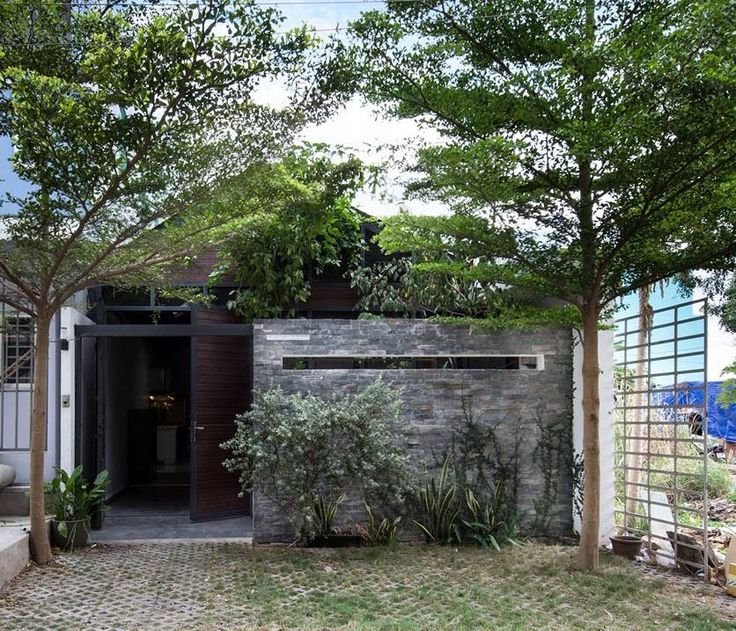
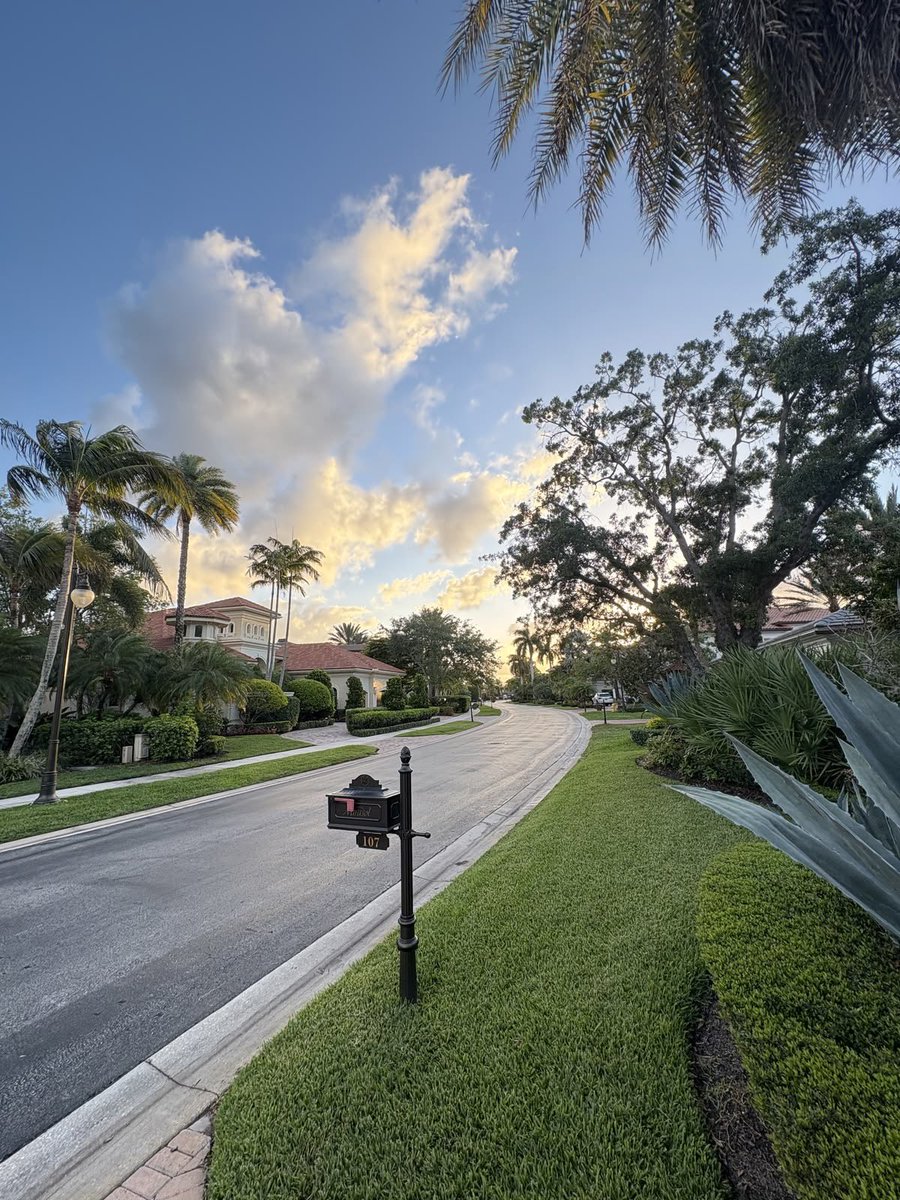
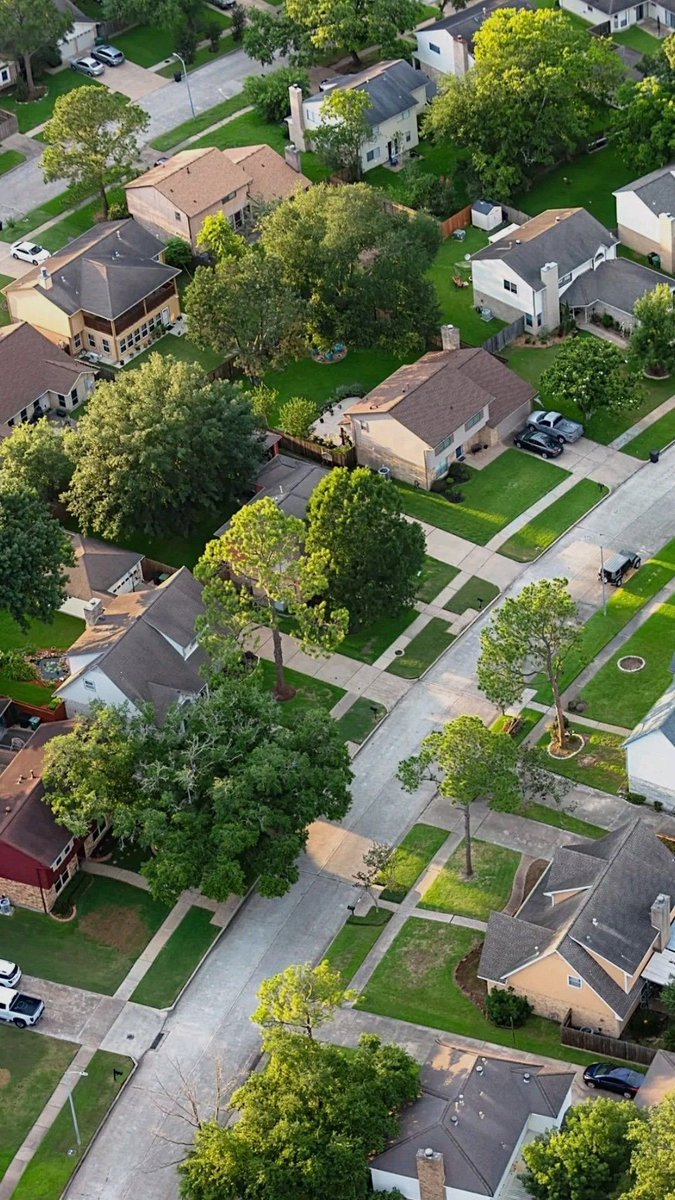
Why are outdoor spaces in many Nigerian homes treated like parking lots?
A compound can accommodate:
Parking + greenery + walking paths + seating + shade + recreation.
We don't have to choose only one.
Design sustainably today🌿
A beautiful environment is not luck. It takes professionals and most of us don't know the job exists.
Landscapers know which plants survive where, which trees give shade, and how to make a compound feel alive.
Meanwhile our children want to be virtual assistants and tech bros.
Imagine hiring a good gardener on a monthly plan, like any other service. That is a real career, and we need it.
Who is training them?
Natural daylight is free
Natural ventilation is free
Solar shading is often inexpensive compared with mechanical cooling
Landscape can provide shade & improve outdoor comfort
Good sustainable design often starts with taking advantage of what nature already gives us
DST 🌿
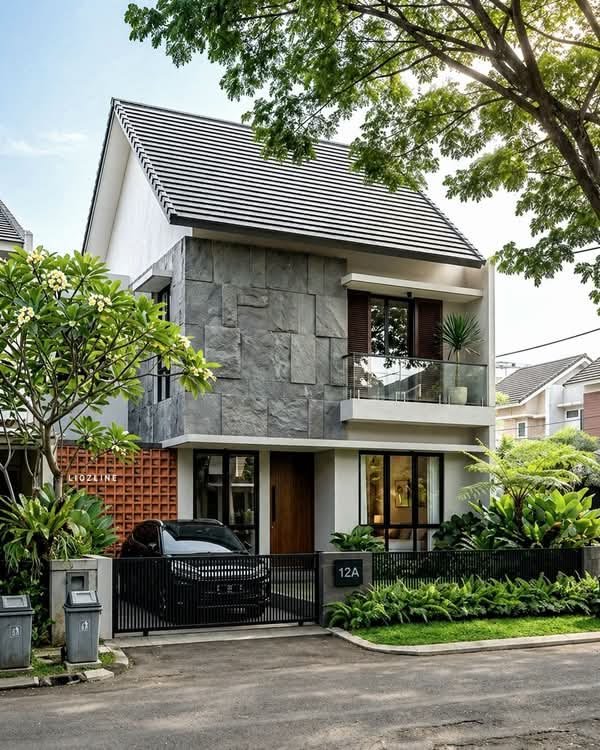
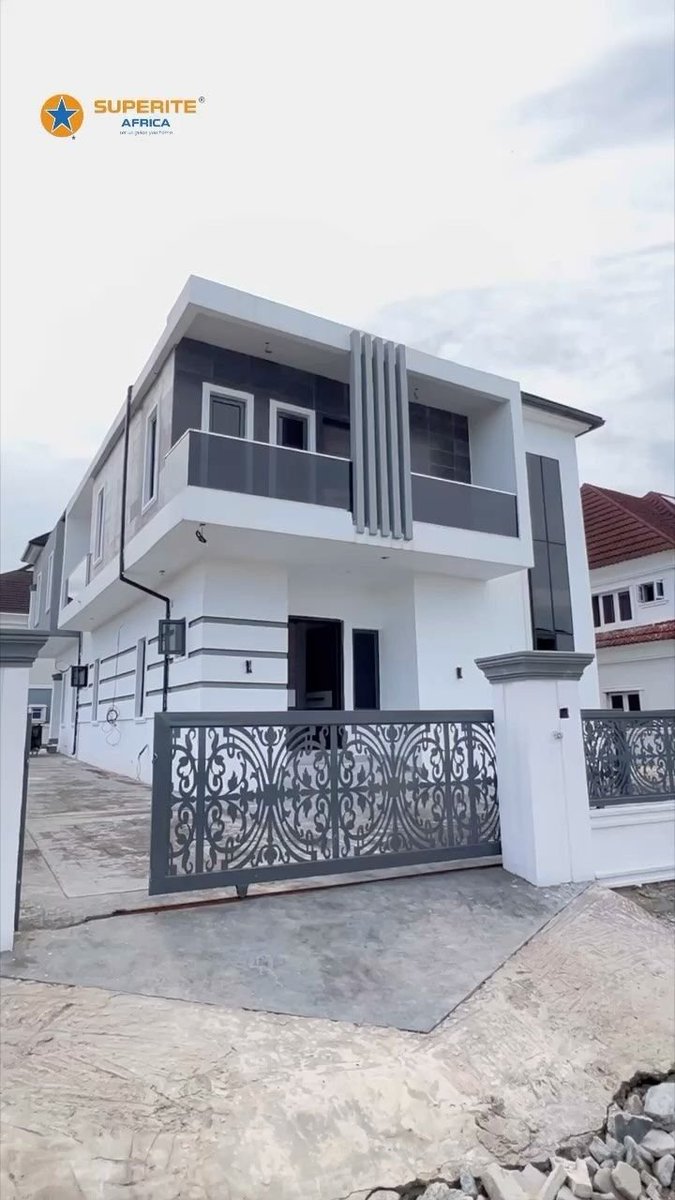
Contemporary doesn't have to mean climate-blind.
You can have:
Clean lines
Large openings
Modern materials
Minimalist interiors
And still use:
Shading
Courtyards
Deep eaves
Landscape
Cross ventilation
Modern + climate-responsive can coexist.
Design sustainably today🌿
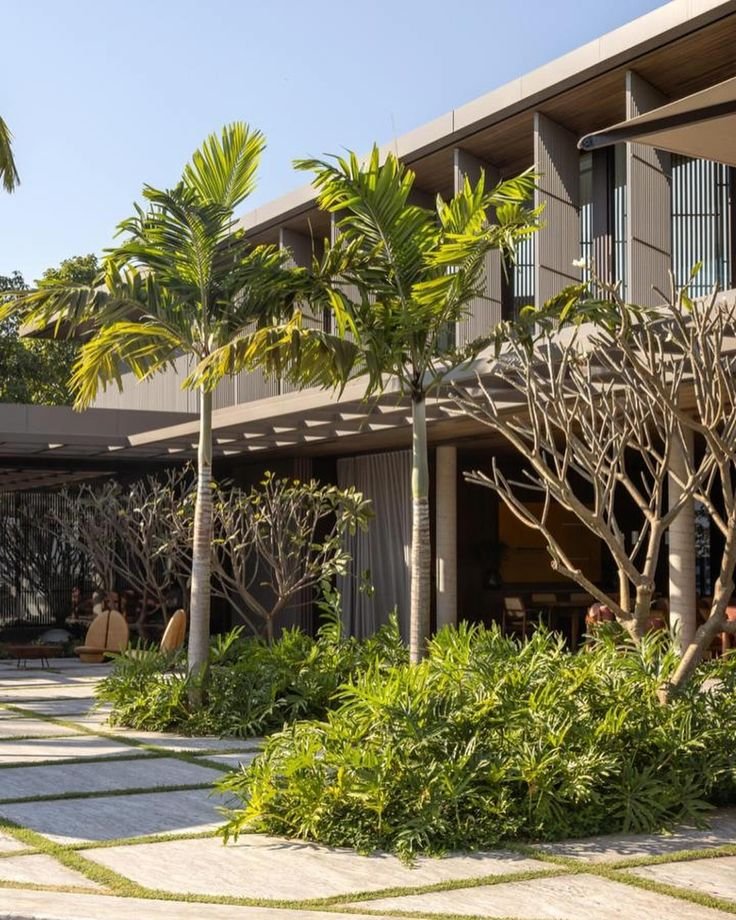
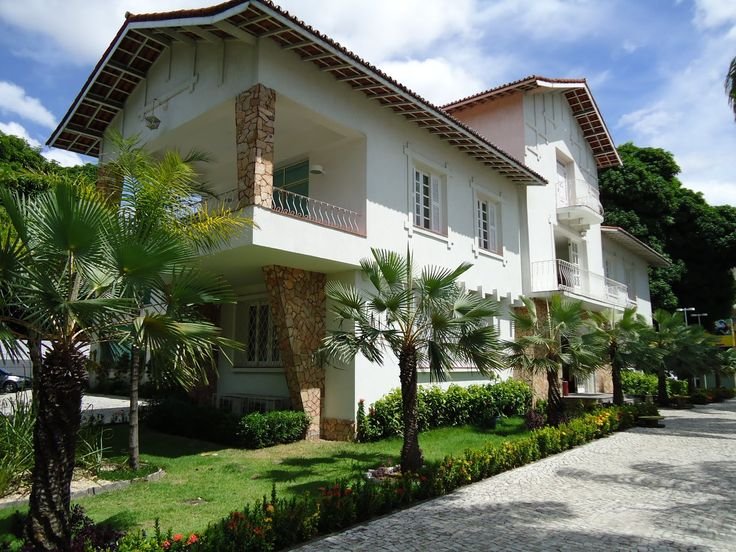
The garden was never just decoration.
Trees gave shade. Open space gave the house room to breathe. The building and landscape worked together.
Architecture didn’t stop at the walls.
Africa Built Beautifully.