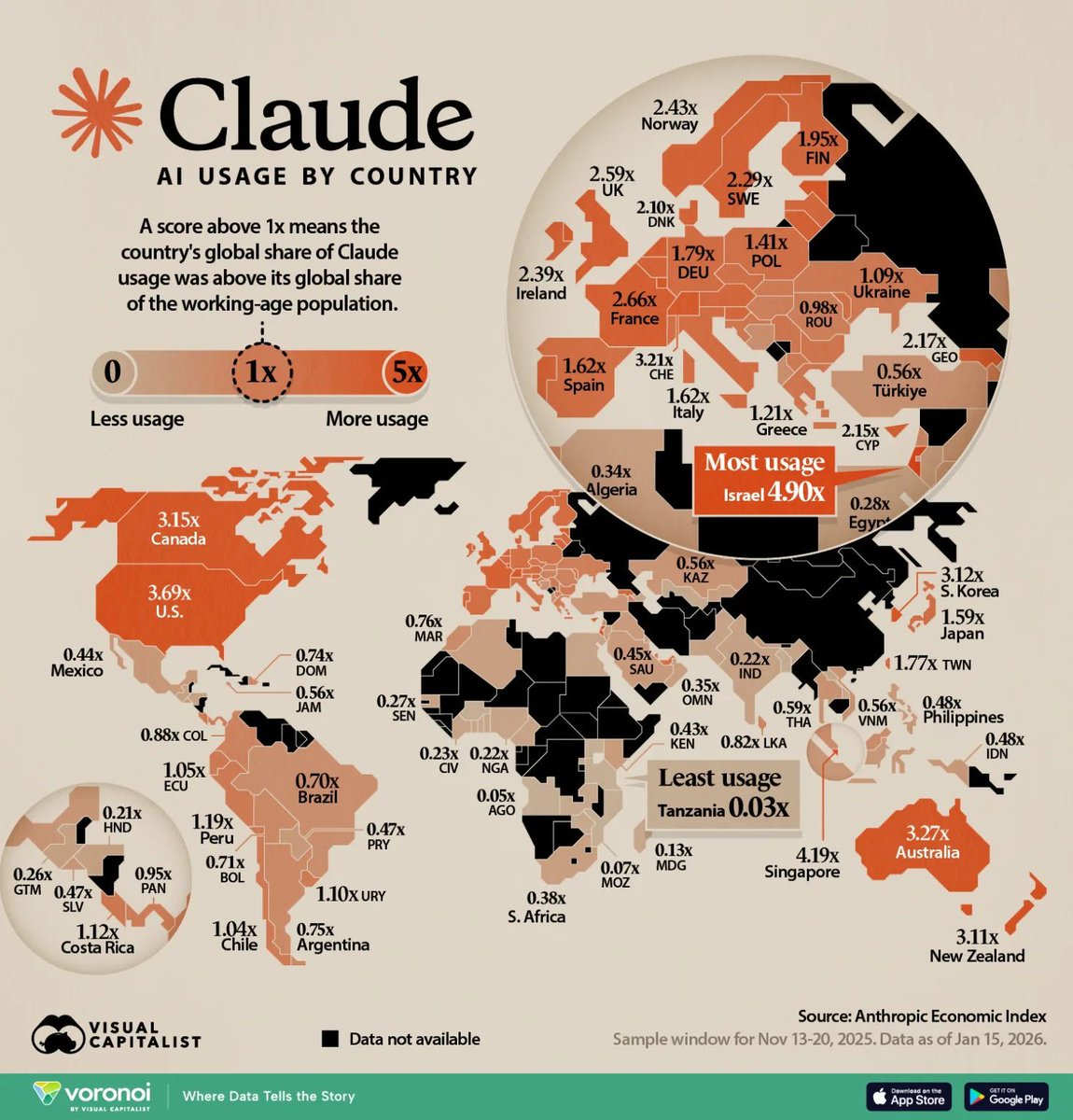
Israel, Singapore, and the U.S. lead Anthropic’s Claude usage index—measuring AI use relative to working-age population. Smaller, tech-driven economies show disproportionately higher adoption, highlighting how AI uptake varies widely across regions and income levels.
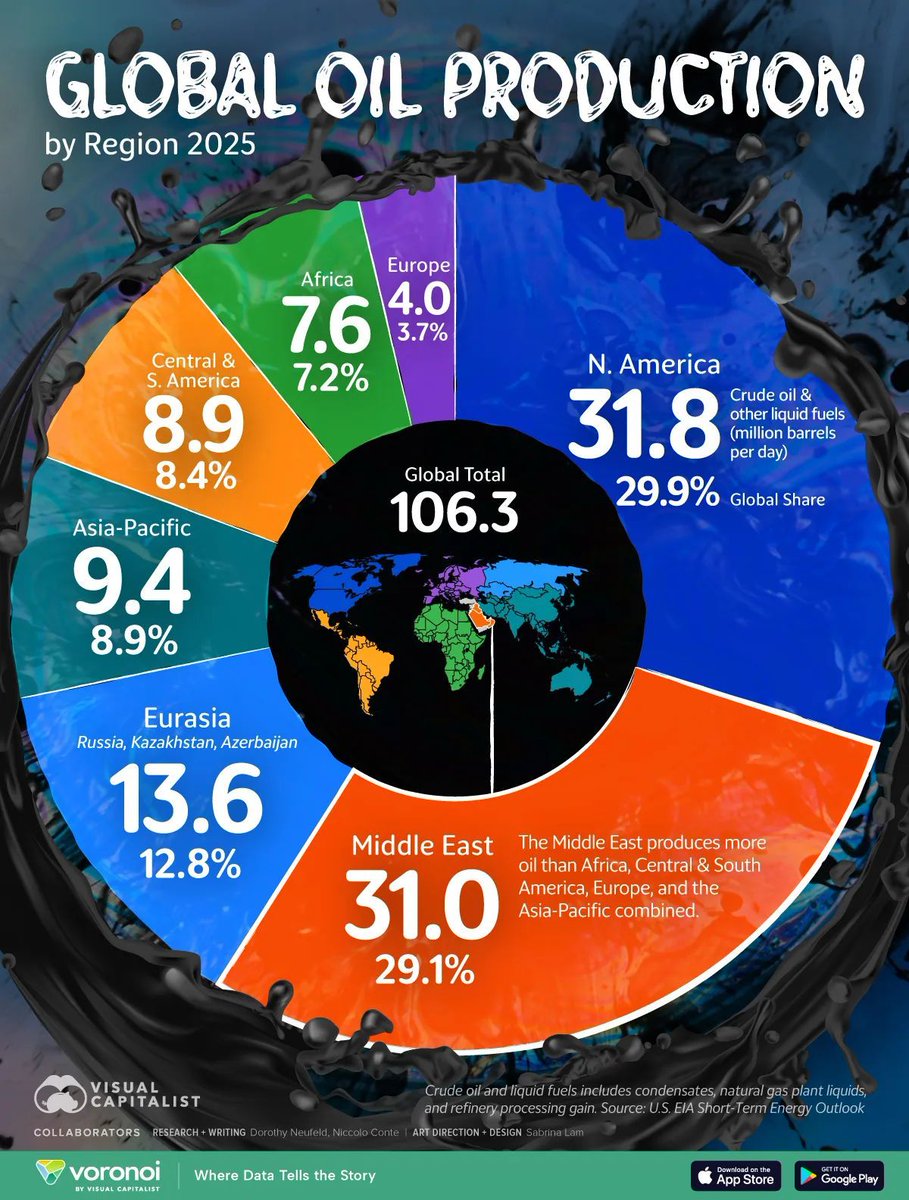
106 million barrels produced daily in 2025. North America and the Middle East control nearly 60% of global oil supply.
The Strait of Hormuz handles 20% of global petroleum trade. Any disruption shows up in input costs, current accounts, and equity valuations — including India’s.
Insurance is not merely a policy document—it is a promise of protection. Awareness transforms that promise into real security.
PaisaWise @samacharfirst speaks to @Ankit_Sehgal83, Managing Director of Flexicapital Pvt. Ltd. He has over 18 years of experience.
@_FlexiCapital
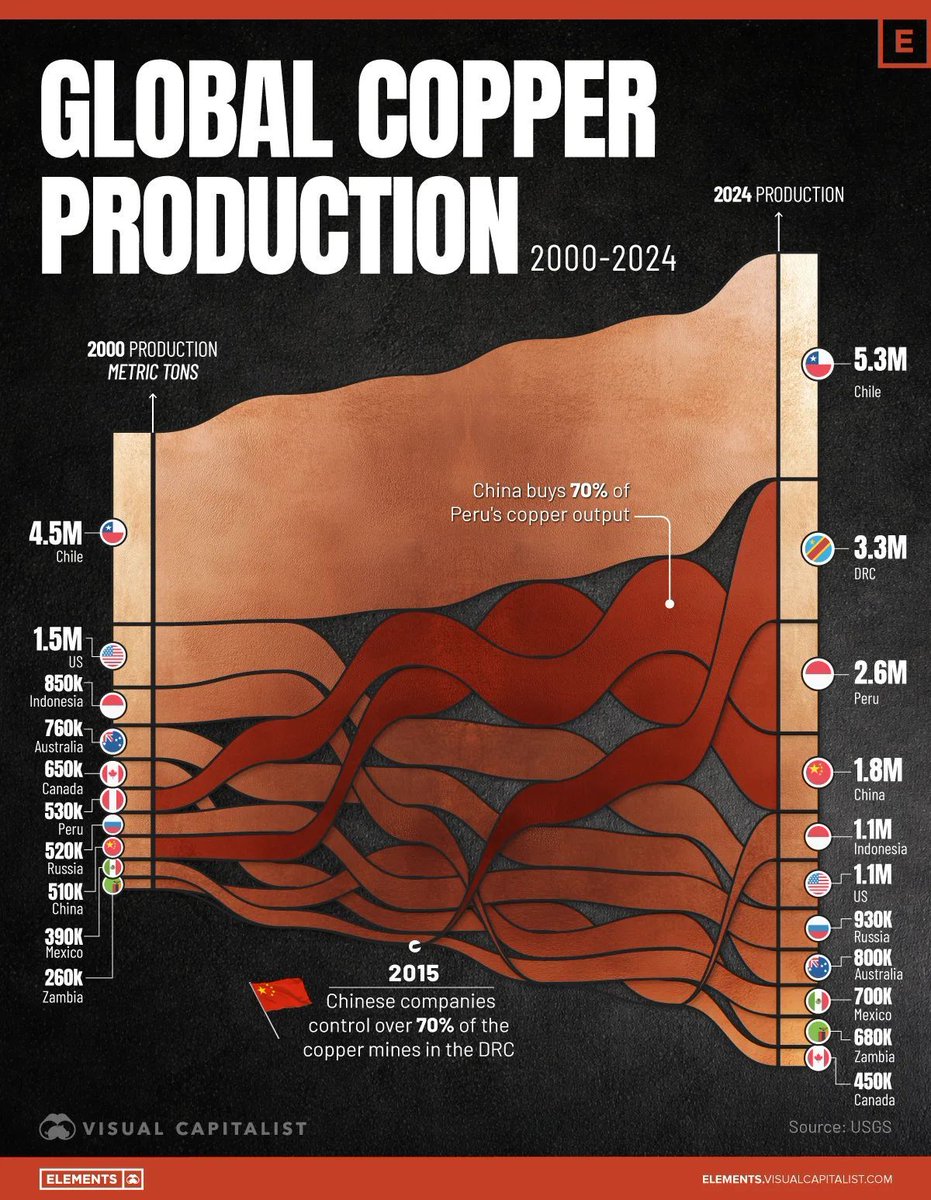
Copper is the backbone of electrification power grids, EVs, renewables. In 2024, Chile led production at 5.3MT but output has been flat since 2010, signalling supply constraints. Peru (2.6MT) and China (1.8MT) have driven growth since 2000.
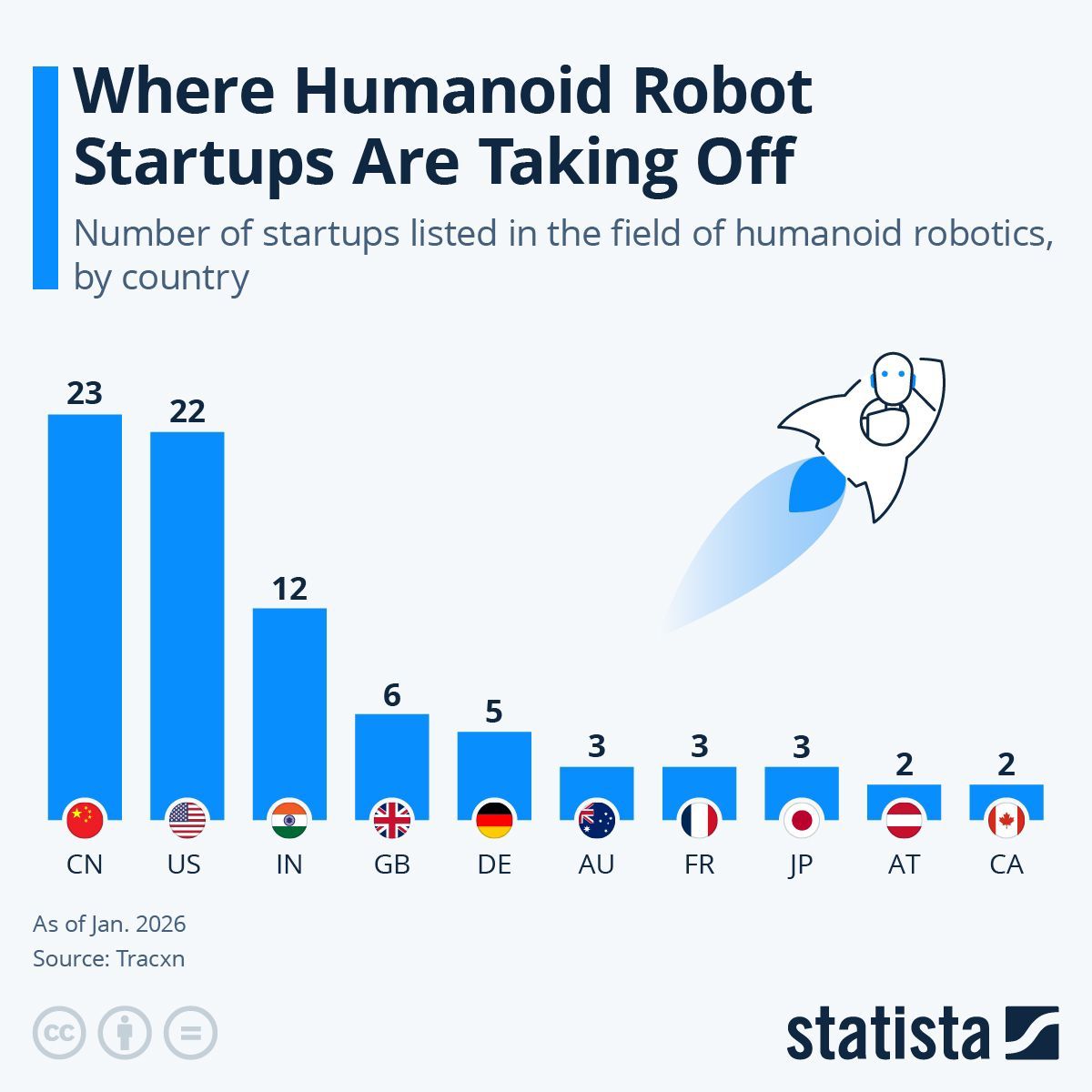
Humanoid robotics is hitting an inflection point. In 2025, $2.65B was invested more than the total from 2018–2024 combined. Capital is accelerating faster than company formation, signaling rising investor conviction and positioning humanoid robotics as a key deep-tech theme.
A big thank you to @SurabhiUpadhyay
for thoughtfully curating the conversation on new measures announced by SEBI for curbing extreme price volatility in ETFs clearly underscoring how timely and important these conversations are for investor protection and market efficiency.
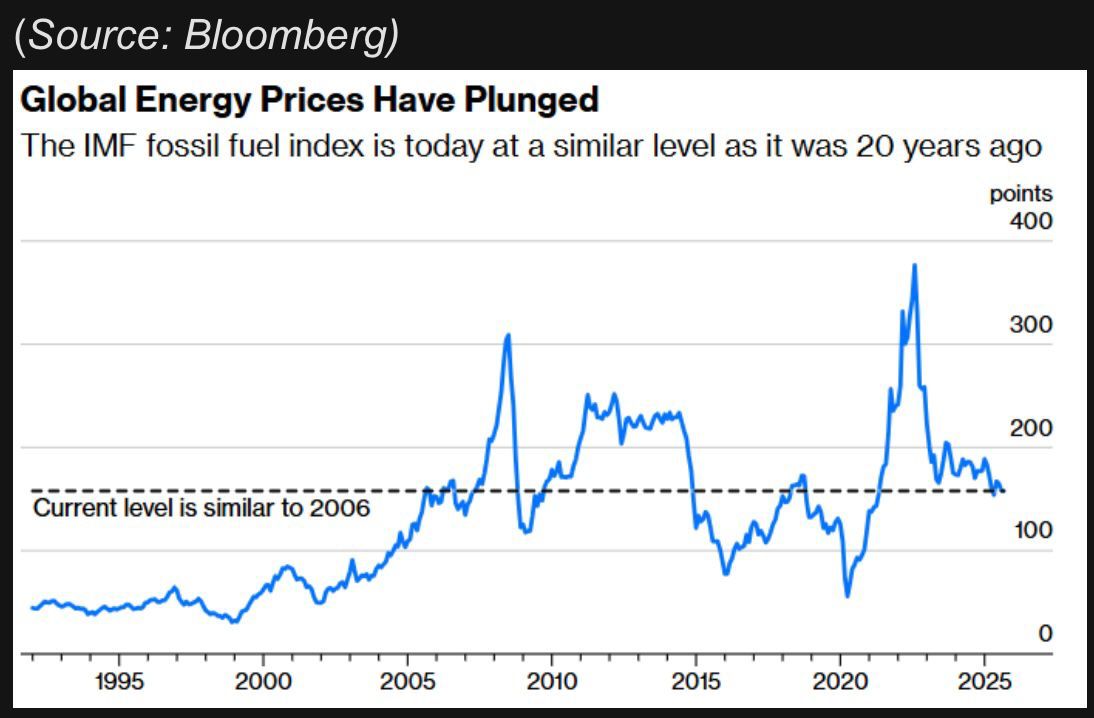
Energy prices have come full circle.
Oil is now hovering near $65 a barrel, a far cry from the shock levels seen in 2022. Adjusted for inflation, prices are effectively back to multi-decade lows.
For India,this shift is a powerful macro positive often underappreciated.
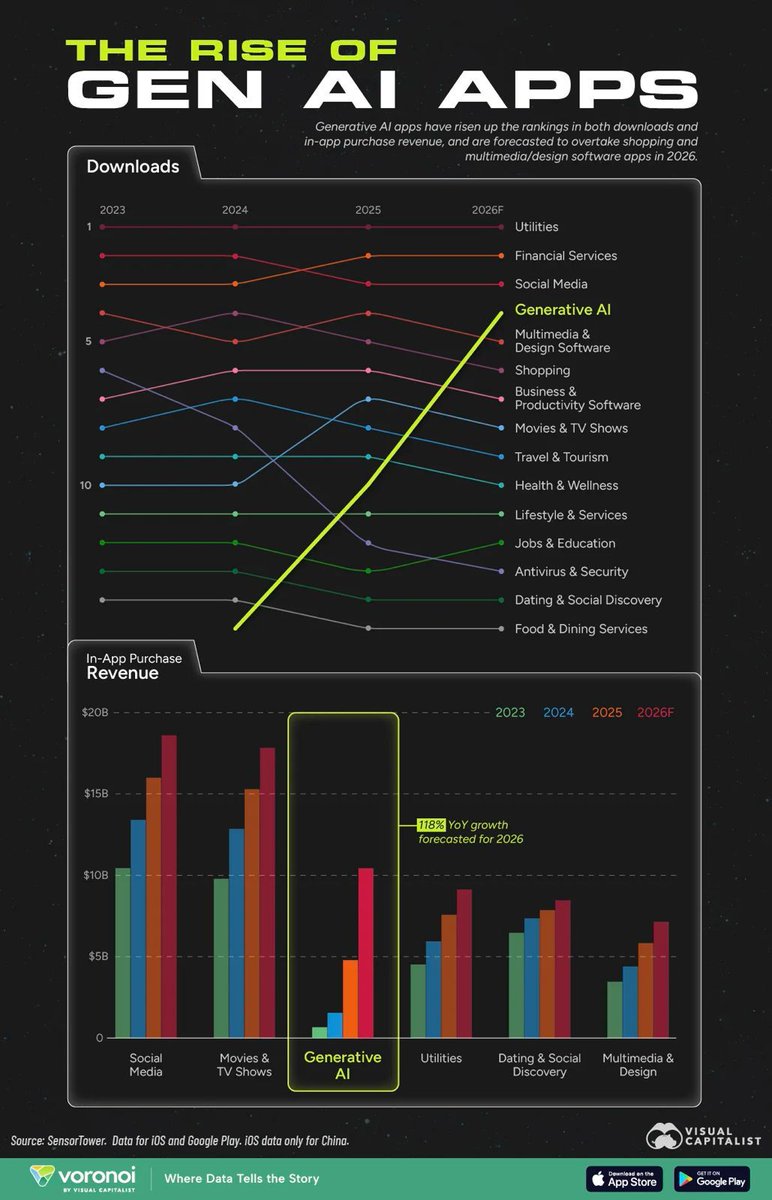
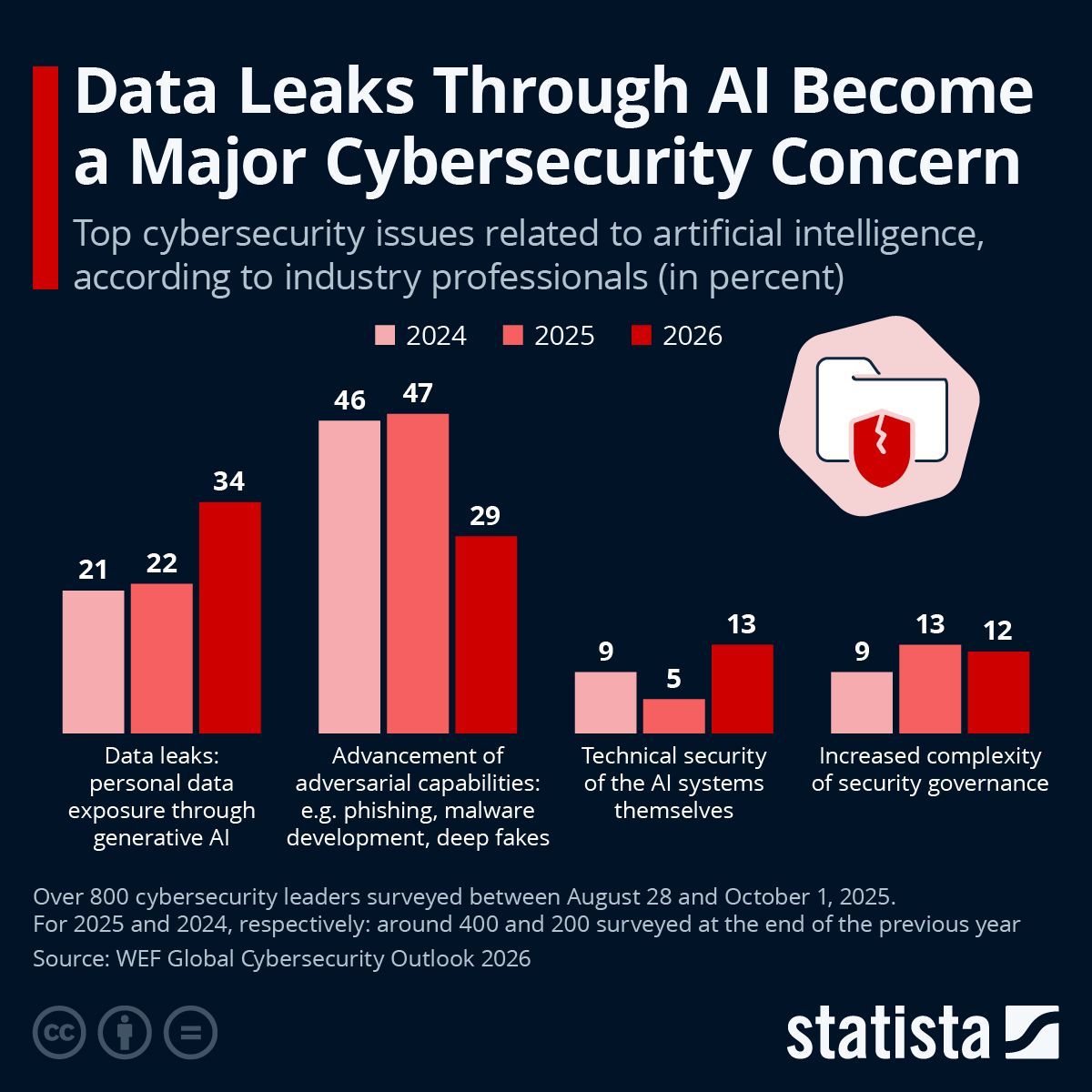
Generative AI apps are set to generate $10B+ in consumer spending by 2026 and rank among the top five app categories. In-app purchases may grow ~118% YoY. Rapid adoption also raises data-leak risks, making trust, privacy, and security critical.
GenAI is creating powerful new capabilities and equally powerful new attack surfaces.
Without strong data controls and governance, innovation can quietly turn into exposure.
AI speed is impressive.
AI security needs to catch up.
Episode 1: The Money Mystery & The Pocket Money Puzzle- PaisaWise with Ranyah Kapoor In Conversation with Nasser Salim the Managing Director of Flexicapital Pvt ltd. #foryoupage#finance#wealth#lifelearning#money#trading#budget
https://t.co/ABCTJW7Iuy
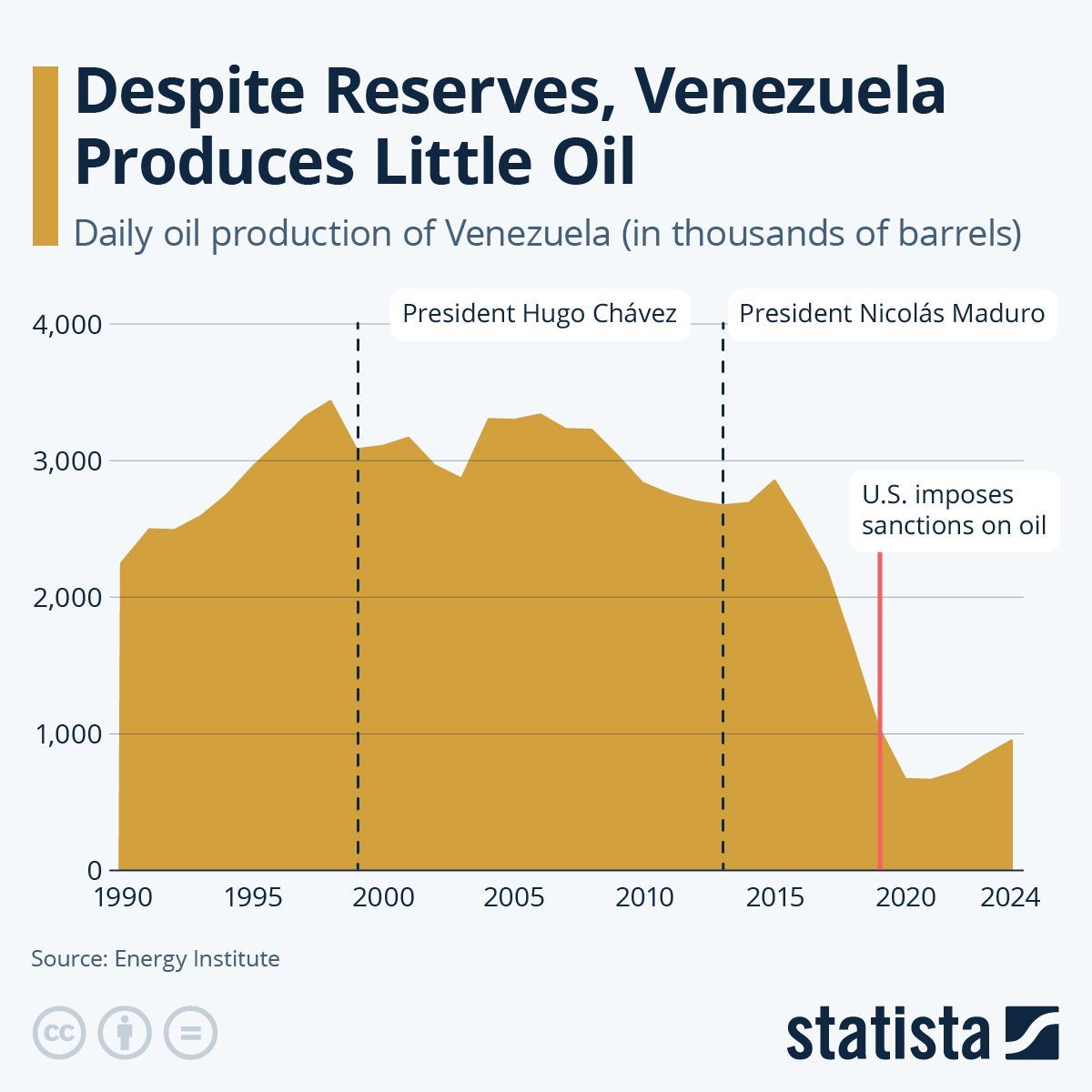
Venezuela holds over 300 billion barrels of crude oil—the world’s largest reserves—but production has fallen sharply over the last decade. Aging infrastructure, weak investment and U.S. sanctions since 2019 have slashed output, showing resources ≠ production.
If the U.S.–China AI race were a football game, the U.S. would be ahead at halftime: 24–18. Experts cited by WSJ say America leads in AI models, chips, computing power and monetization, while China is steadily closing the gap through scale in energy, infrastructure, and data.
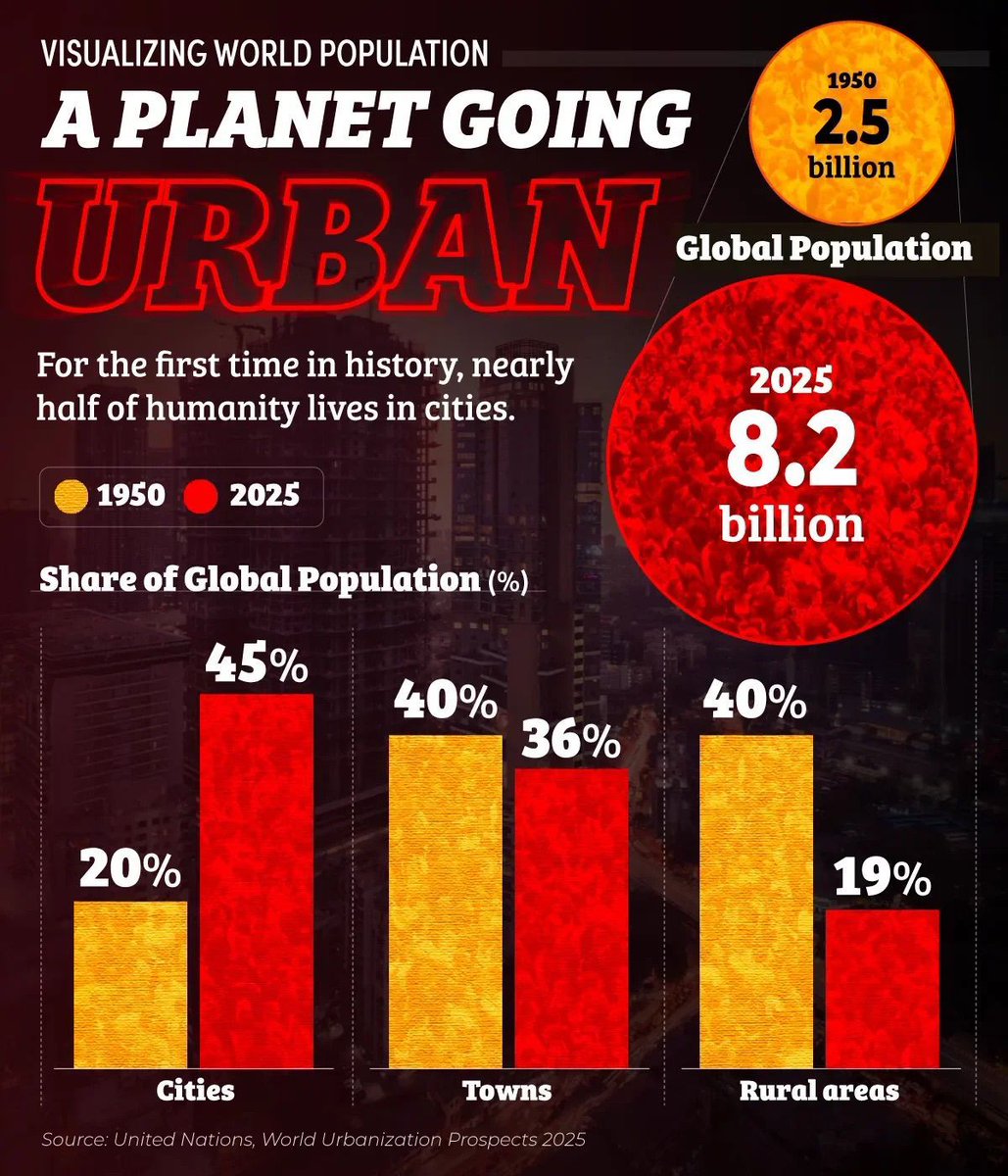
From villages to cities!
In 1950, just 20% of the world lived in cities. By 2025, that figure has risen to 45%—nearly half of humanity, out of 8.2 billion people. Urbanization is reshaping how we live, work, and plan for the future.
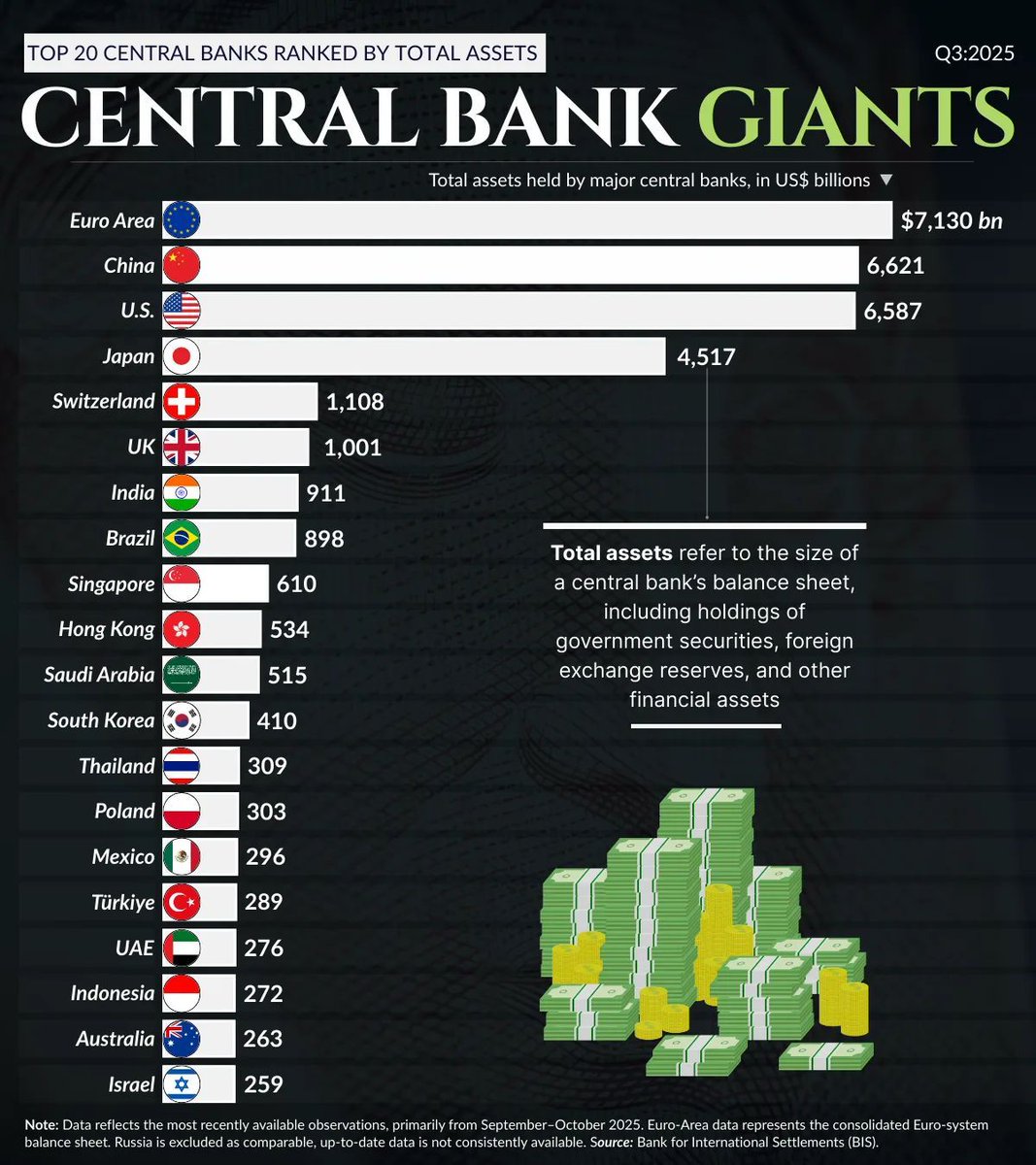
Advanced economies dominate due to years of aggressive quantitative easing while several emerging markets feature prominently because of large Foreign exchange reserve accumulation rather than balance sheet expansion for stimulus.
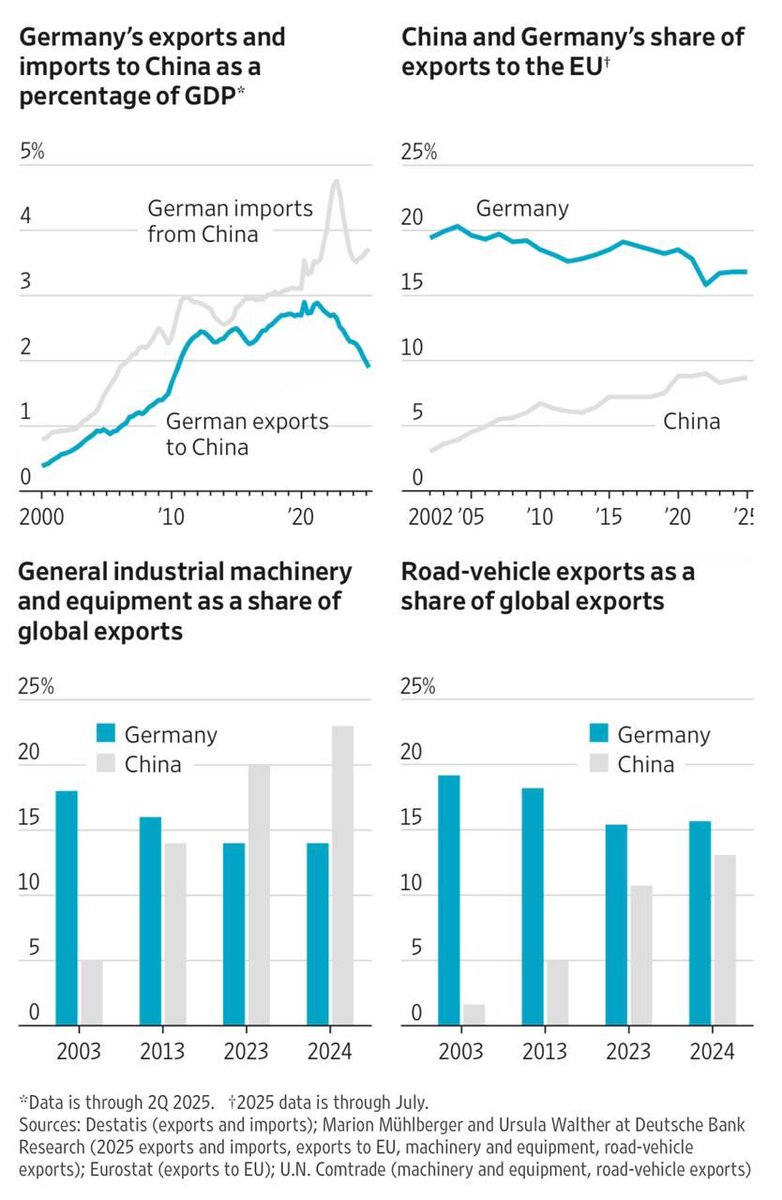
For two decades, Germany and China were an economic power couple—German machines powering China’s export boom. Now the data shows a break: China has moved up the value chain, Germany’s edge is fading. China no longer needs Germany—and Germany wants a divorce.
Data across North American and European cities shows a sharp decline in the frequency of white Christmases since the mid 20th century. Warmer winters are shifting precipitation from snow to rain, cutting the probability of snow covered Christmas days by nearly 50% in few cities