I've updated Irakasi with A TON of new features. The biggest one is being able to use any AI agent with the boards.
I asked Opus 5.5 to create an animated board for the announcement, with a cyberpunk/hacking theme.
This video is directly exported from the board, no edits.
@MitjaBezensek So having multiple pages is worse for initial load (it has to load more than it's seen), but it's better for canvas performance because we can organize the content to display fewer items at the same time? Is there a cost for the shapes of other pages if no user is in them?
Asking your agent to draw diagrams to help you understand is great, but the best defence against their walls of text is telling them to create tables on the board.
@elmd_ I think that the best combination is using Astra 6.2 as Neon reviewer.
I don't know why, but Neon analyzes problems from a different perspective than Fable or Astra. I've been using the three of them for hard problem solving and Neon caught what the other two didn't
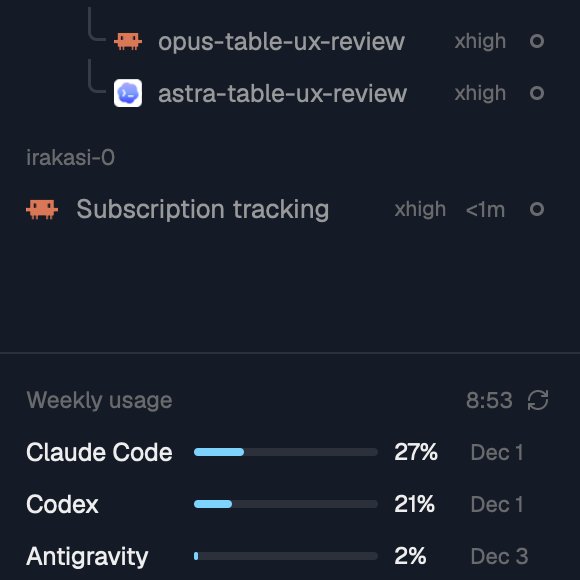
@herdrdev app is an incredible discovery. You can work with all harnesses at the same time (Claude Code, Codex, Antigravity...) and just tell agents to modify the UI however you want.
For example, I just told Claude that I wanted to track all my subscriptions in Herdr 🤯
@jul1anodev Yep! Set both HTML shapes to 390px wide. You can zoom the board in or out and both previews will stay at the same responsive breakpoint.
And you can just resize the shape to see how it behaves at different breakpoints.
Did I understand right your question?
I'm building Irakasi so you can dump everything in your head about a topic onto a board, and work with it in space and time.
However, it has surprised me how well it works for web design brainstorming. I've been calling this workflow "HTML sketches".
Instead of editing your codebase to figure out new designs, you can ask an agent to put several directions side by side on a board as live HTML shapes.
Each one is a working, responsive page contained in a board shape:
- AI agents are very good creating these isolated html artifacts.
- You can explore many design directions without touching your codebase.
- Agents see each shape as both source code and a rendered image, so annotations work incredibly well.
- Each html can be downloaded and run autonomously by a browser.
- You can even inspect the code and edit it directly if you still feel that are better than agents doing that :)
- Once you are satisfied, you can ask the agent to replicate the shape decisions in your codebase
@shadcn And how do you handle the differences between MCP and WebMCP?
For example Codex caps WebMCP to 64 KiB. Should we cap the MCP too, or have different logics for each one?
Neon is an absolute beast at optimization. I've been trying to improve the mcp performance using Fable, Opus 5.5 and Astra without much success.
Neon cooked.
Use Neon for implementation, and Astra 6.2 for reviewing to make sure no stone is left unturned.
@burkeholland I was fighting with Fable, Opus and Astra to try to reduce the deployment time with no success. Neon decreased a 40%
It gives me the same vibes that I got with Fable 5 before they "forbid" it.
The best feature of @tldraw is that everything in the canvas is a React component. I took advantage of that adding HTML Shapes to Irakasi.
You can use them to create any interactive custom component you need to the board, and even animate them.
Started using "Diagram Driven Development". I ask the AI to draw a diagram of the logic using natural language and update it as we discuss it.
The source of truth for the implementation is the diagram, no matter what the infinite walls of text in the chat say.
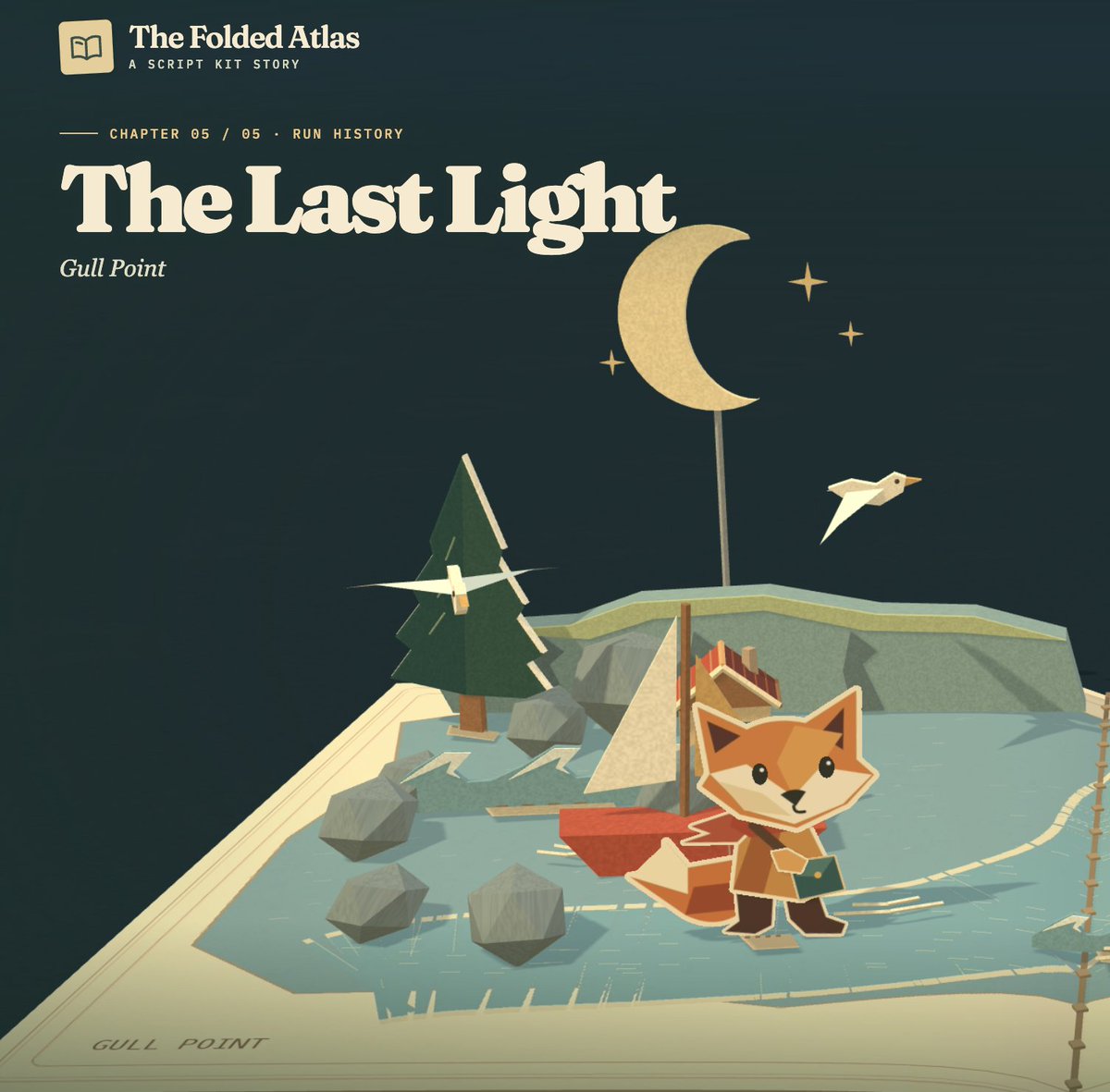
@johnlindquist@pvncher It's weird how GPT models repeat concepts. This "Last light" maritime theme appeared to me when I asked gpt to create a Rich Text Shape example.
I think that I haven't found these repetitions with other models
I hate following video recipes, so I just pasted the video in an Irakasi board and asked Gemini Argon to create a visual guide.
It did everything in one shot, even generating images for each step.
Then I asked a spanish version to make it easier for me to follow. Good model :)
Someone on the @tldraw Discord asked whether it would be possible to turn photos of physical whiteboards into digital ones, so they can continue working digitally.
I asked an AI agent to do it with Irakasi inside Codex, and I think it did a pretty good job!