“ସଭିଏଁ ଜାଣନ୍ତୁ, ମୁଁ ବେଶ୍ ଖୁସିବାସୀ ଜୀବନଟିଏ ବଞ୍ଚିଥିଲି।”
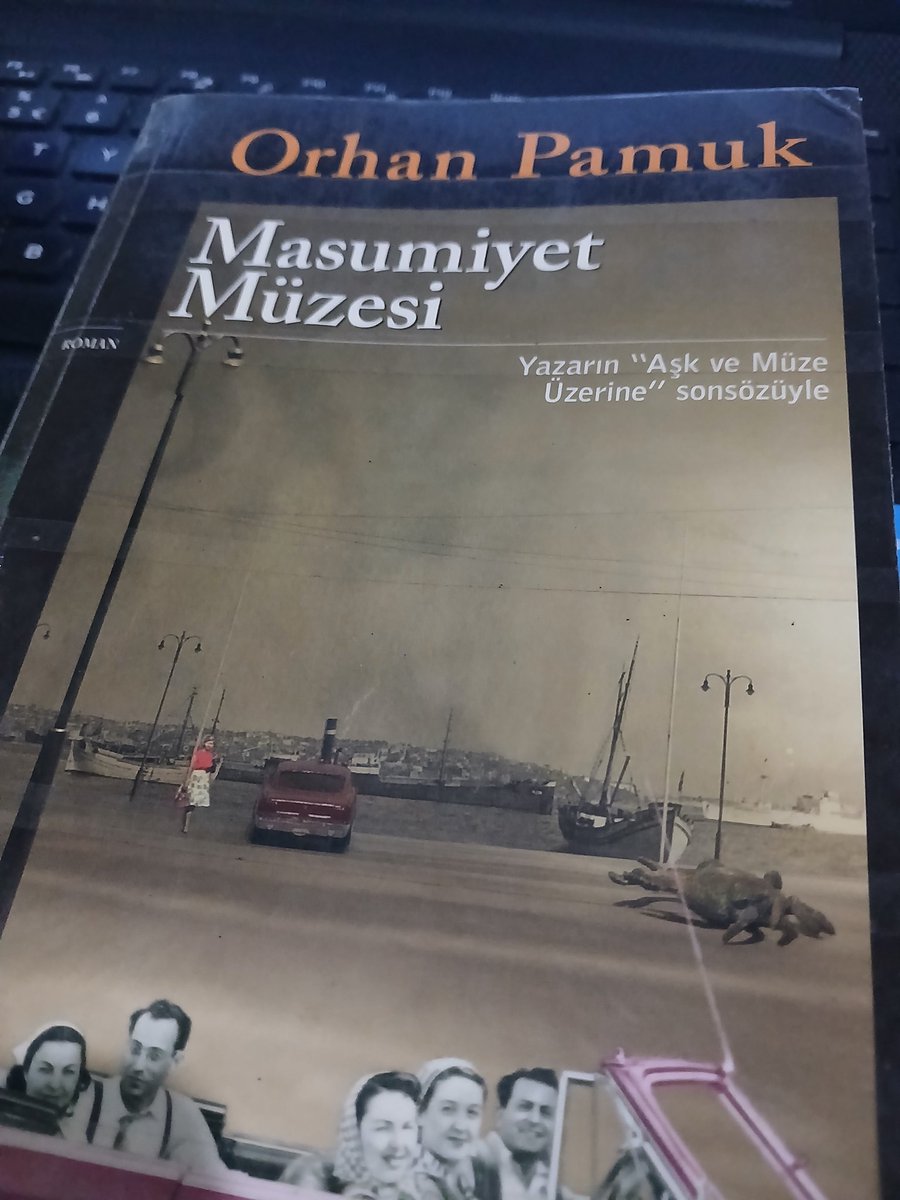
This finishing line from the character Kemal in @_orhanpamuk’s novel ”The Museum of Innocence”, that I first read some 13 years ago, reminds us that happiness is not always measured by fulfillment or success, but sometimes by the intensity with which we love, remember, and give meaning to our lives.
Pamuk immortalises his fictional characters by creating a real museum in Istanbul where readers can experience the lingering warmth of Kemal and Fusun, and witness how their love transcends the boundaries between fiction and reality. The museum becomes a physical space where their romance, preserved through objects, memories, and longing, attains a form of immortality.
The next time you visit the museum, don't forget to carry a copy of the novel with you. It can get you free entry and save you around ₹1,500, the amount we had to pay during our visit last week.
Masterpieces capture the essence of memory and time. Shouldn't the economic value they create be just as enduring?
Happy Birthday to the Nobel Laureate and literary master, @_orhanpamuk! 🖋️
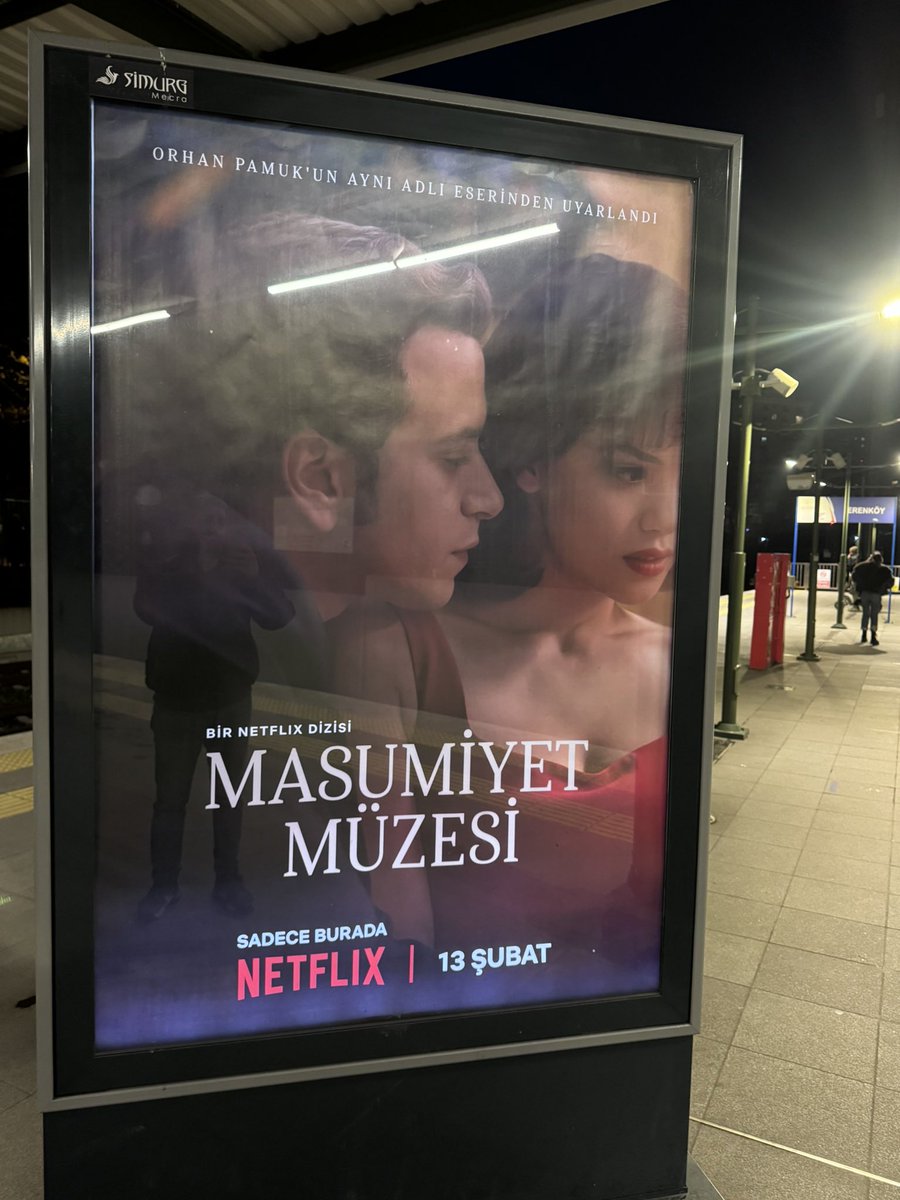
Basada en la novela de Orhan Pamuk, "Museo de la Inocencia" combina memoria, obsesión y cambios sociales en la Turquía de los años setenta (HAY VIDEÍTO). Reseña de Martha Wolff. Clic: https://t.co/SIAH3aA1zU
@_orhanpamuk your novels have a rare ability to make memory, melancholy, and place feel inseparable. Few writers render Istanbul—or the inner life—so quietly powerful. Thank you for the depth, the beauty, and the questions that linger long after the last page.
Melihat tren bacaan anak muda sekarang ttg cinta yg mengirim, melankolis dan rungkad, mestinya buku Museum Kepolosan karya @_orhanpamuk ini segera diterjemahkan di Indonesia.
Btw, stempel di foto tengah itu tandanya dibawa masuk ke museum Pamuk dan free entry.
Orhan Pamuk is the author of seven novels and a screenplay and the recipient of major Turkish and international literary awards. His work has been translated into more than twenty languages. He lives in Istanbul.
🧵 3/5
"Bütün cinayetler bir fayda olsun diye işlenmez. Bazı cinayetler adaletsizlikten, çaresizlikten işlenir, bazan da insanlar hiç planlamadıkları halde, bir anda, tesadüf sonucu katil olabilirler."
[Veba Geceleri]
Celebrating #EBRDLiteraturePrize2023 shortlist!
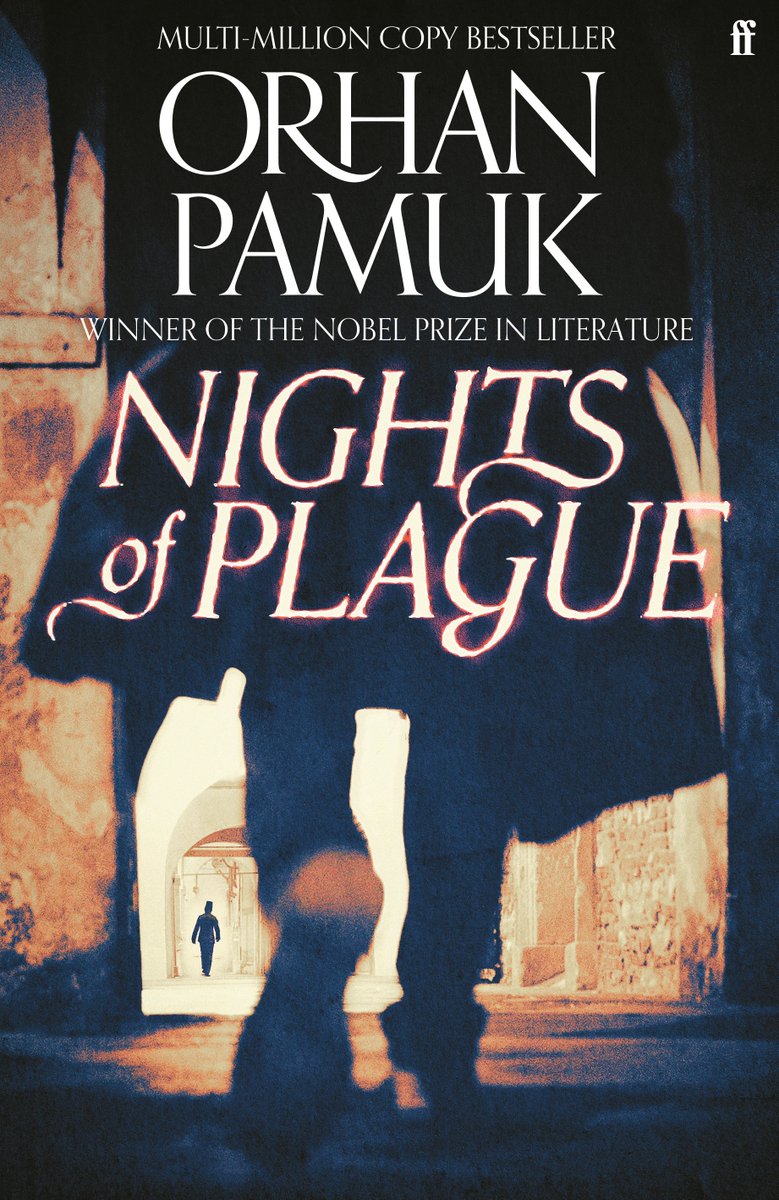
Nights of Plague by @_orhanpamuk, translated from the Turkish by Ekin Oklap, @FaberBooks
Country🇹🇷
Learn more: https://t.co/nVyihxFbF1
We'll announce the three finalists on April 27!
Though Pamuk began writing the novel in 2017, the Covid-19 catastrophe definitely plays a part in turning #NightsofPlague into a reflection on the social fissures and state violence a medical catastrophe can bring about. @ShafeeqVly reviews @_orhanpamuk https://t.co/O7KVEY01nG