UCSF researcher Dr. Tim Henrich describes how the PolyBio-supported PASC tissue program is changing the game: “What we’ve really been finding is that SARS-CoV-2 is able to persist for a long period of time in various tissues across the body… the gut, the bone marrow, the brain, and other deeper tissues that are actually very difficult to sample. We’ve also been finding that there is profound changes in immune responses and inflammation in these tissues as well.”
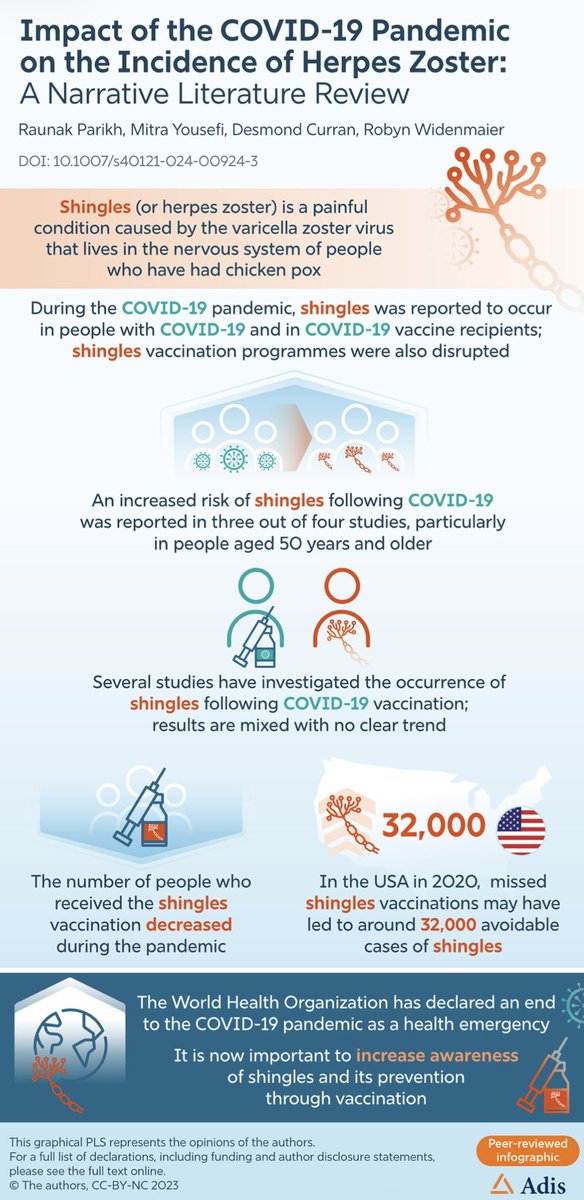
The findings support the idea that herpes zoster after COVID-19 may reflect ongoing immune dysregulation and could serve as a marker for later neuro-immunological complications.
➡️ Risks were higher in individuals with metabolic diseases, while COVID-19 vaccination itself was not associated with increased neurological risk in this study. 2/2
https://t.co/Ucfyegko4X
H/T: @CatchTheBaby
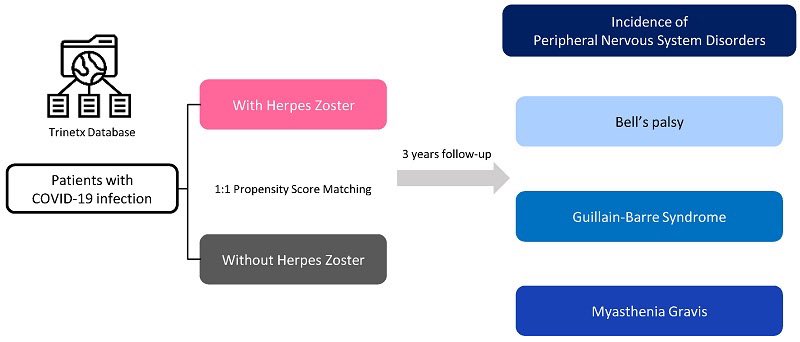
A large 3-year study found that people who developed herpes zoster (shingles) after COVID-19 had an increased risk of certain neurological disorders, including Bell’s palsy, Guillain-Barré syndrome (GBS), and myasthenia gravis (MG).
➡️ Bell’s palsy risk increased early after shingles, while GBS and MG showed delayed increases emerging more than a year later. 1/
While generally safe, the spray requires frequent daily use, and experts emphasize it should be seen as a complement—not a substitute—for vaccination and standard precautions.
Key takeaway
👉 A common antihistamine nasal spray may lower COVID-19 risk, but remains a promising adjunct—not standard prevention. 2/2
https://t.co/WiJSSDIoQ8
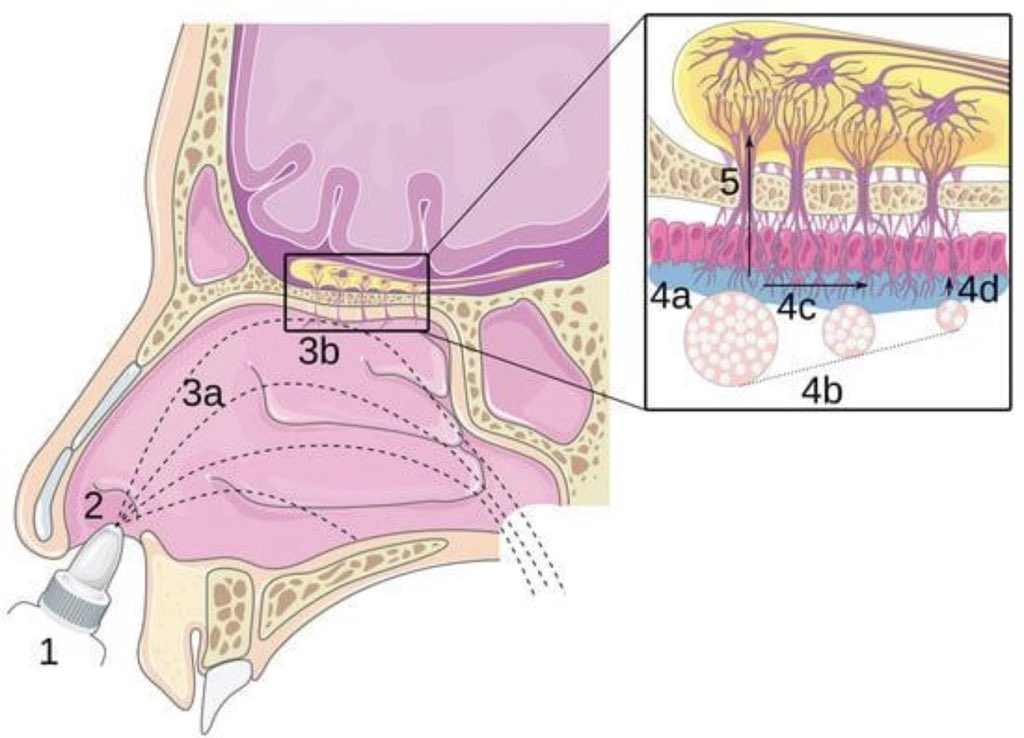
A randomized clinical trial suggests that the antihistamine nasal spray azelastine may reduce the risk of COVID-19 and other respiratory infections when used regularly.
➡️ Participants using the spray were about three times less likely to get COVID-19 compared to placebo and also experienced shorter illness duration.
➡️ The effect is thought to relate to blocking viral entry in the nasal lining and reducing local inflammation, though the exact mechanism is not fully established. 1/
Honestly trying to make sense of this:
Covid was just a cold & we overreacted & the public shouldn’t trust public health warnings or advice…
But Covid (the thing they warned us about) causes a “debilitating”chronic syndrome that is impacting my son, and I’m angry we’ve under-reacted to it…
🤔
If you are in crowded places with poor ventilation, #WearAMask.
Because it helps keep you and your community safe from #COVID19, flu and other respiratory illnesses.
And remember these other measures to help protect yourself and others from COVID-19, flu, measles and other respiratory illnesses:
-Practice hand hygiene and respiratory etiquette (cover your mouth and nose with a bent elbow or a tissue when you cough or sneeze)
-Keep a distance when possible
-Keep rooms well-ventilated
-Stay home if you feel unwell
-Get vaccinated and stay up to date with booster doses
COVID-19 may be, in part, a mitochondrial disease.
➡️ A Cambridge review shows SARS-CoV-2 disrupts mitochondrial function in lung cells—driving inflammation and worsening pneumonia.
➡️ Emerging studies suggest even after the active infection is resolved, residual viral proteins, particularly SARS-CoV-2 spike protein, may linger and continue to cause damage to the mitochondria by increasing oxidative stress and disrupting energy metabolism, offering a plausible mechanism for #LongCOVID. 1/
H/T: @CatchTheBaby
Not a shock. All our oncologists have commented on the unusual spread & growth rates of cancer ever since Covid got into the mix. Covid was shown to suppress p53 tumour suppressor for months after infection, but also has mechanisms via immune dysregulation as described here
We didn’t defeat COVID-19—we redefined it.
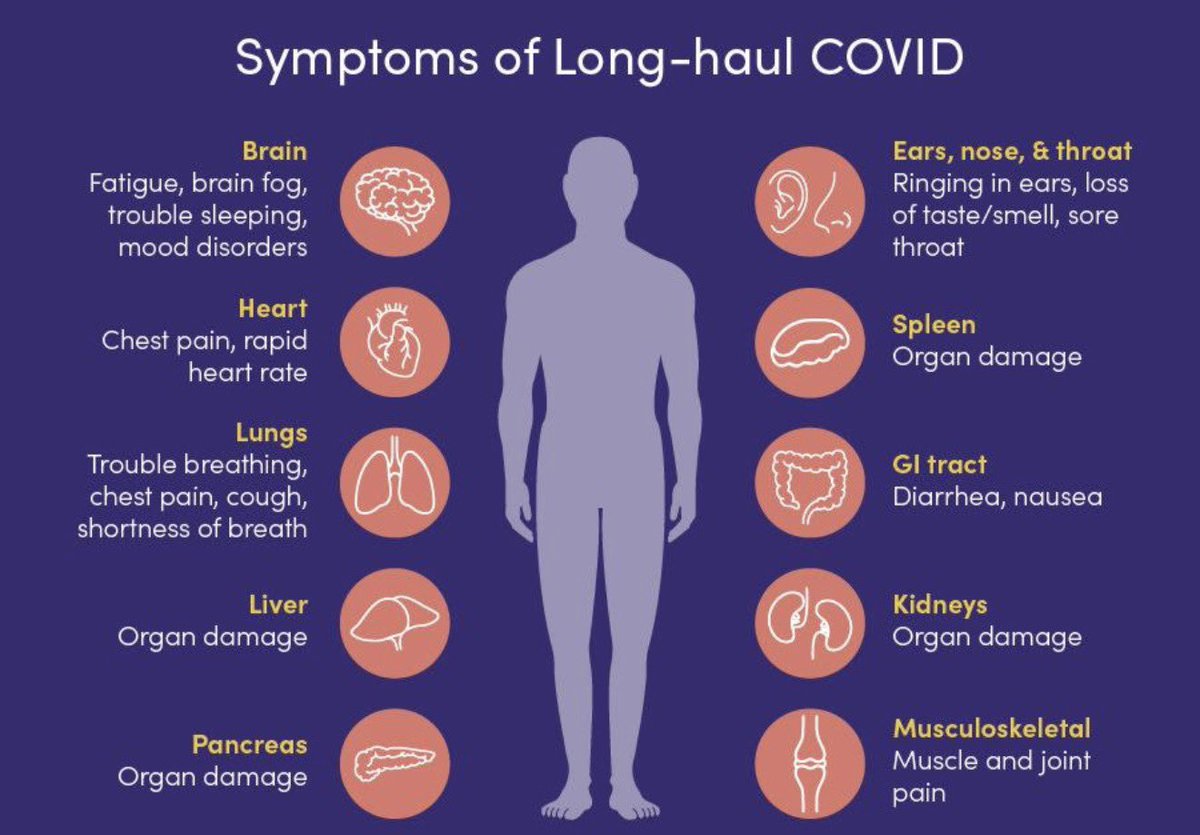
➡️ #LongCOVID now represents a mass disabling event, with lasting neurological, cardiac, and systemic effects that health systems are still failing to confront.
➡️ The pandemic didn’t end—it shifted into LongCOVID, a chronic, disabling condition affecting millions.
➡️ From lungs to brain, LongCOVID leaves a trail of persistent, multisystem damage long after infection.
➡️ What was once an acute crisis is now a silent, long-term epidemic hidden in everyday clinics.
➡️ A new report estimates that medical costs for the treatment of longCOVID patients will average US$11-billion annually across the 38 countries
➡️ Ignoring LongCOVID means overlooking the true, ongoing burden of COVID-19.
https://t.co/mwQh7sZxA5
COVID-19 infection is linked to a temporary increase in stroke risk, especially in the first 2–4 weeks after infection.
➡️ The risk then declines over time and returns to normal by about 2–3 months.
➡️ This increased risk was mainly seen with earlier (pre-Omicron) variants, not with Omicron.
➡️ The excess risk is small overall and mainly involves ischemic strokes, while rare conditions like CVST show a higher relative risk.
Key takeaway:
👉 COVID briefly increases stroke risk—mainly early after infection and mostly with earlier variants.
https://t.co/RSBEASNJ29
A new study shows that #LongCOVID in children is associated with significant school difficulties, including problems with attention, learning, and peer interactions.
➡️ These challenges can impact academic performance and daily functioning, highlighting the broader consequences beyond physical symptoms.
➡️ Findings emphasize the need for early recognition and school-based support strategies for affected children.
👉 LongCOVID in children is not just a medical issue—it’s an educational and developmental challenge.
H/T: @CatchTheBaby
https://t.co/0RGhd3pmQC
Summary points:
👉 This study showed that SARS-CoV-2 can invade the cochlea directly in mice, killing the spiral ganglion neurons (SGNs) responsible for transmitting sound.
👉 Rather than causing damage through inflammation, the spike protein appears to trigger this cell death by disrupting the normal function of stress granules
👉 Inner ear involvement may be under-recognized in COVID
👉 COVID may directly infect the inner ear—offering a mechanistic explanation for post-COVID hearing symptoms. 3/3
H/T: @CatchTheBaby
https://t.co/JxyGVRm3Jn
Clinical relevance:
👉 Helps explain symptoms like:
• Hearing loss
• Tinnitus
• Vertigo
➡️ Seen in some COVID and LongCOVID patients
Big implication:
👉 COVID is a multisystem virus with potential effects on sensory organs
➡️ Adds to growing evidence beyond lungs and brain. 2/
Can COVID affect hearing?
➡️ A New study shows SARS-CoV-2 can directly infect the inner ear
👉 Providing a biological basis for hearing loss seen after COVID.
➡️ Key finding:
👉 The virus can target inner ear cells involved in hearing and balance
➡️ Not just systemic inflammation—direct viral invasion is possible. 1/
There were mistakes aplenty in regards to Covid policy and messaging- and we need to understand them so we don’t make them again. But to do that we have to stop with the one way calls for ‘accountability,” and the refusal to acknowledge real harms of “let er rip” philosophy.
Remember the Great Barrington Declaration signers demanding we let our kids catch an unknown virus ASAP so the economy could roar back? 🤔
New OECD study: Long COVID will cost us up to $135B a year, be drag on global economy for the next decade. 👇🏽
https://t.co/MPE8yCyStb
Many mistakes were made with messaging, but the “Let er rip” (and keep on letting her rip) mindset is going to cost us dearly (and literally 💰)
And the idea that we should deliberately infect children as quickly as possible is proving to be devastatingly ill conceived.
When a disease that a significant number of people feel is “just a cold,” increases healthcare costs, inflation, and taxes, and becomes a drag on the global economy…
What I’d NEVER do as a brain injury rehab doctor:
• Motorcycle
• Tackle football (for my kids)
• Ignore BP
• Skip helmets
• Normalize repeat COVID infections
Because I take care of what happens next.