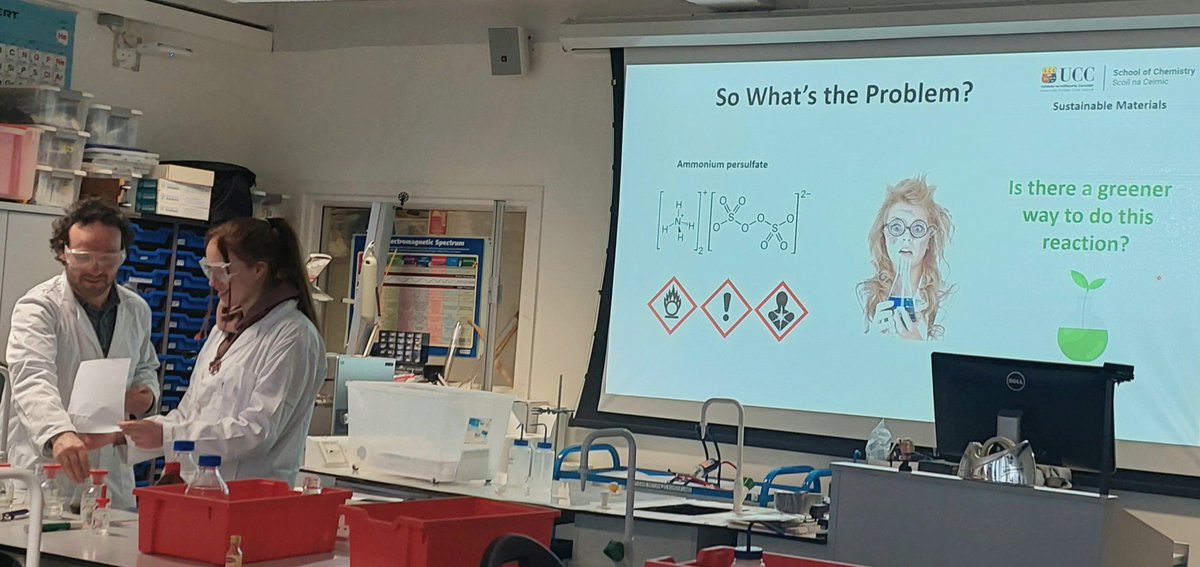
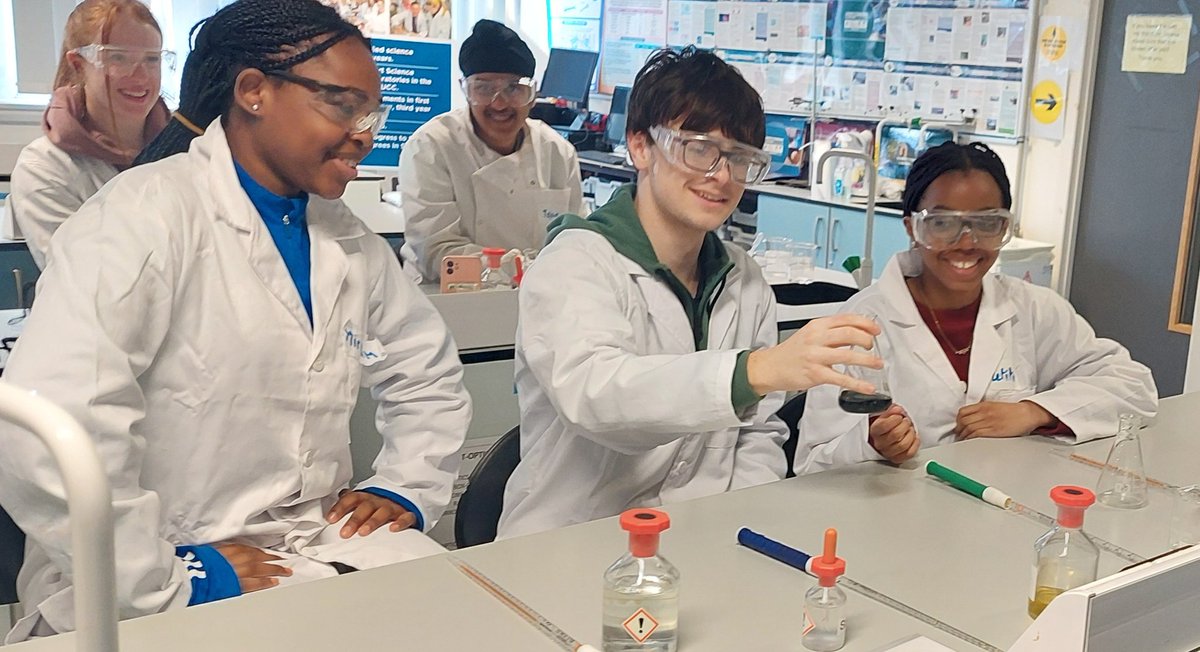
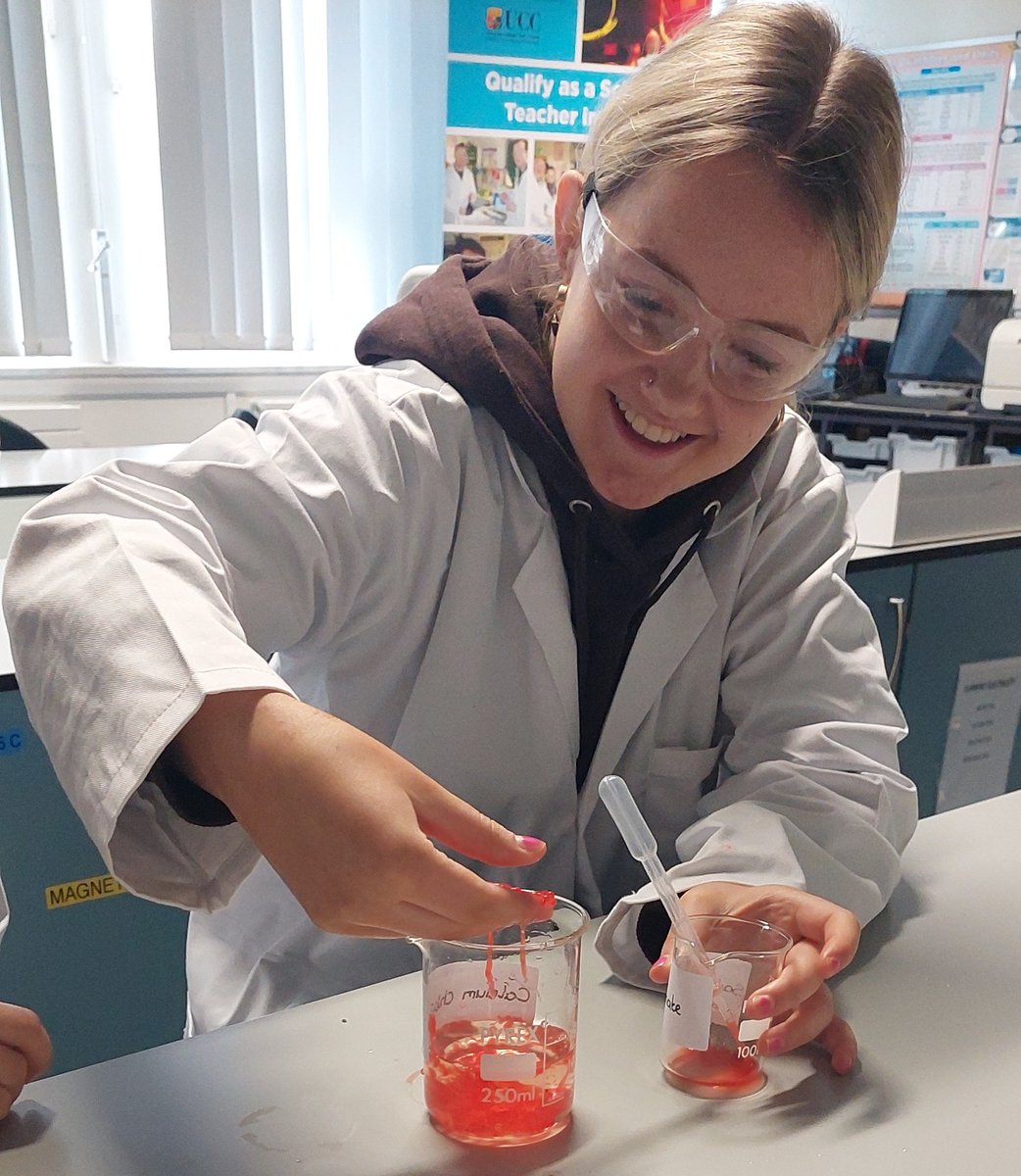
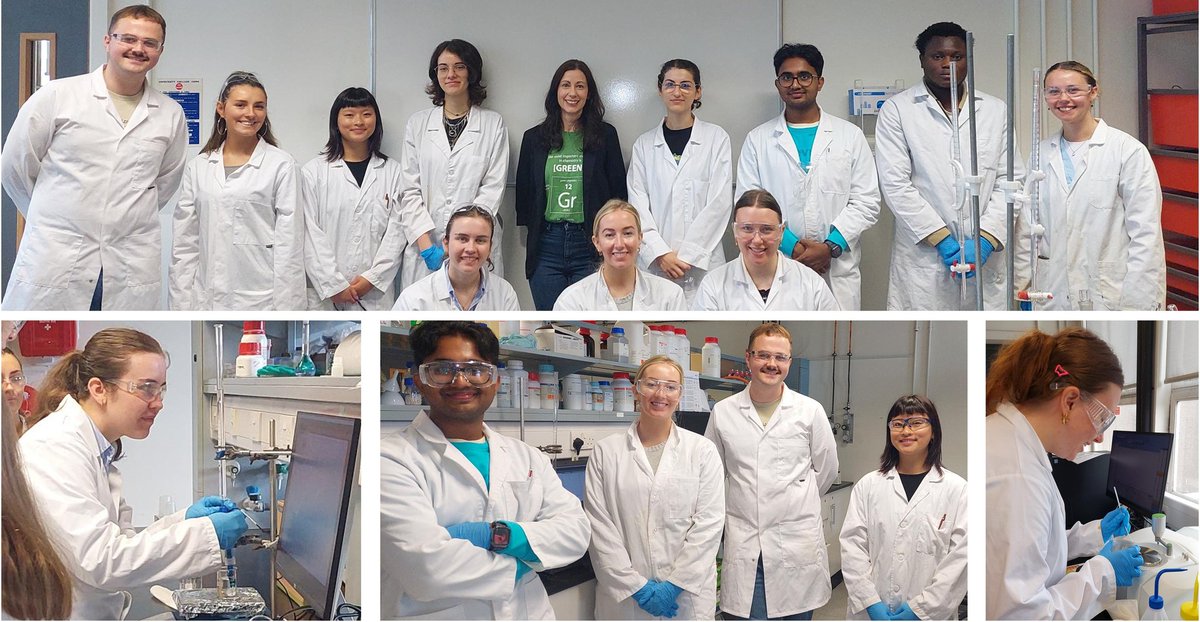
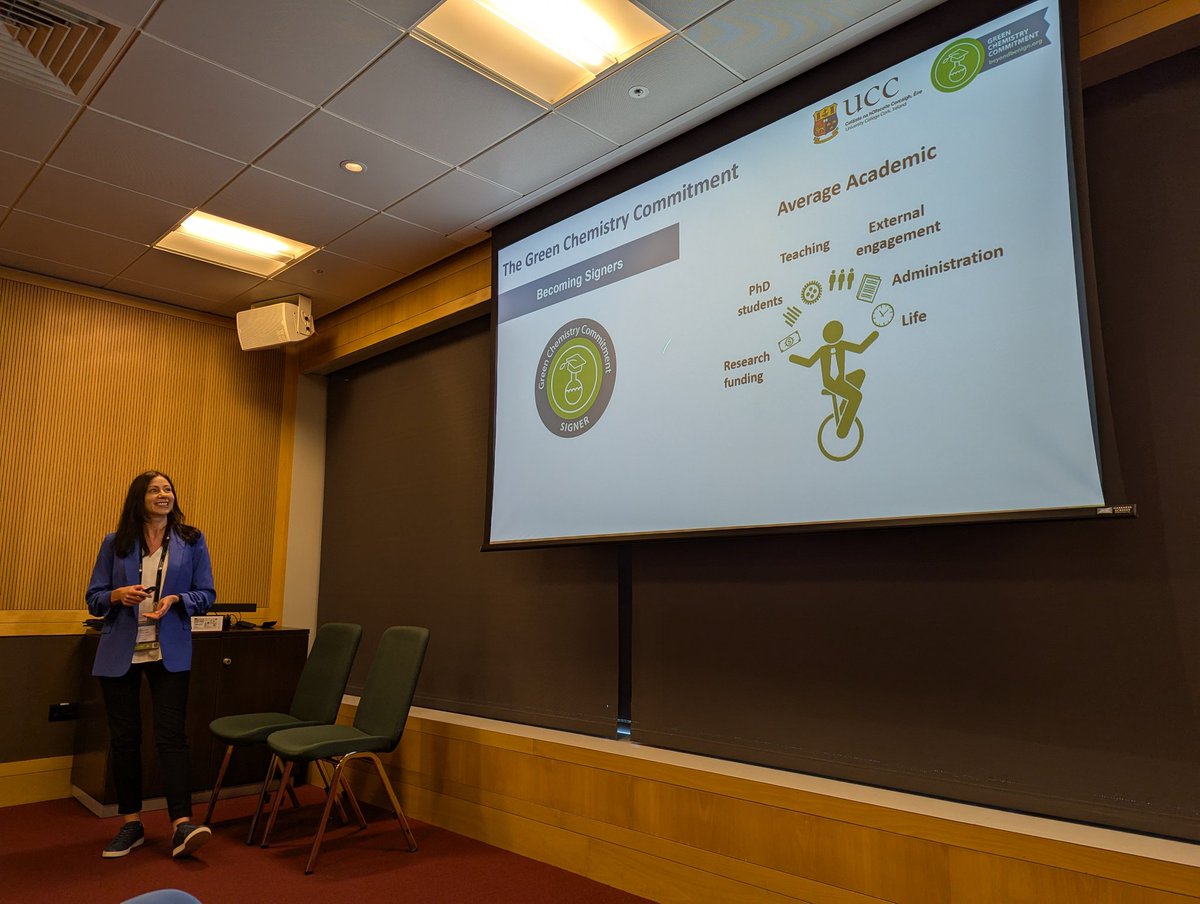
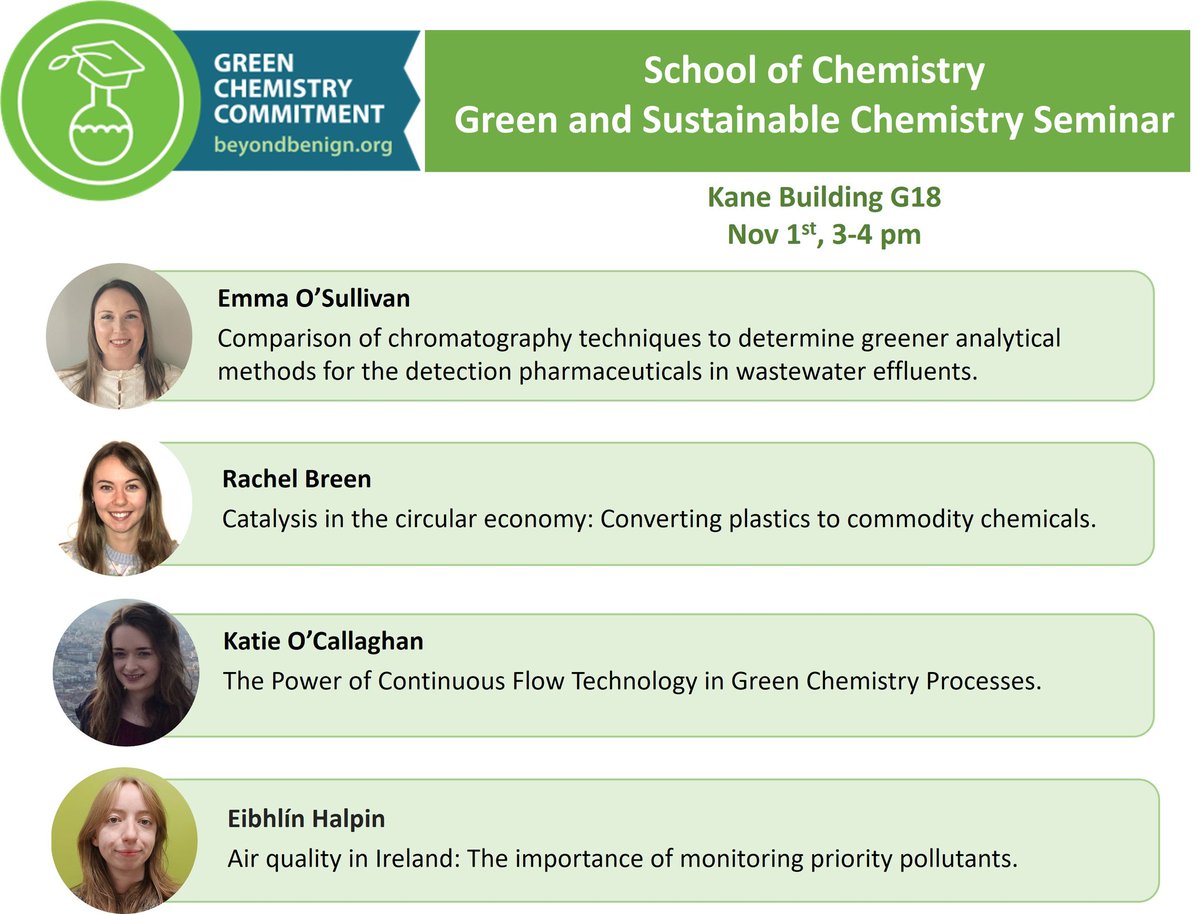
Super honored to hear (and meet, in person YAY) the amazing Gillian Collins and all the things @UCC is doing to advance the field of #GreenChemistry!! 💚
Warm welcome and congrats to Conor Goggin who was awarded a @RoySocChem Undergraduate Research Bursary to undertake a research placement @uccchemistry@eriucc on sustainable materials for catalysis👏 🧪🌱
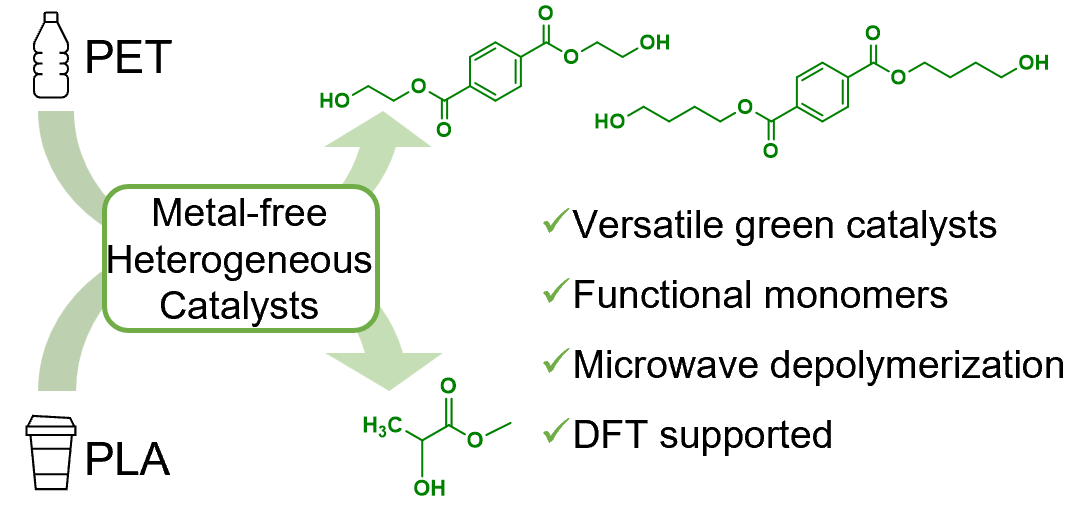
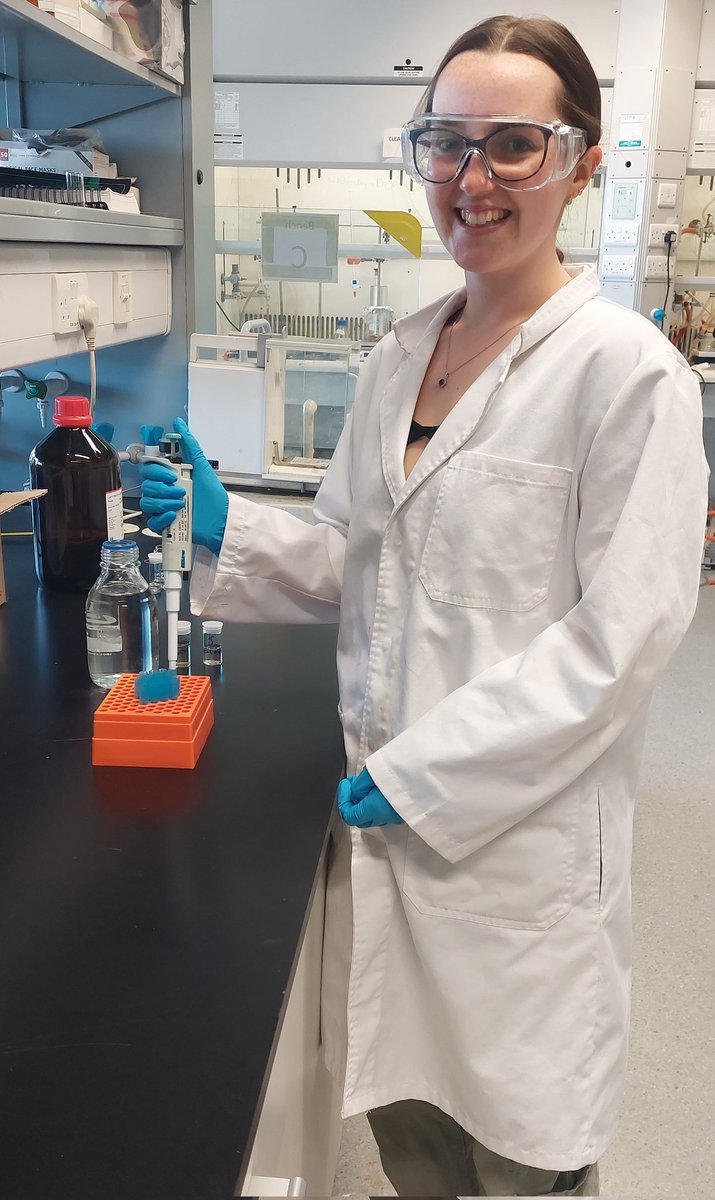
Check out our new #OpenAccess paper in #RSCSustainability by Éadaoin Casey et al. on guanidine functionalized porous SiO2 as heterogeneous catalysts for microwave depolymerization of PET and PLA #Sustainability → https://t.co/EMCAXs6Fnv
Our new paper on metal free catalysts for open and closed-loop recycling of PET & PLA plastics published in #RSCSustainablity@AMBER@uccchemistry@eriucc https://t.co/B7RqDxhYVl
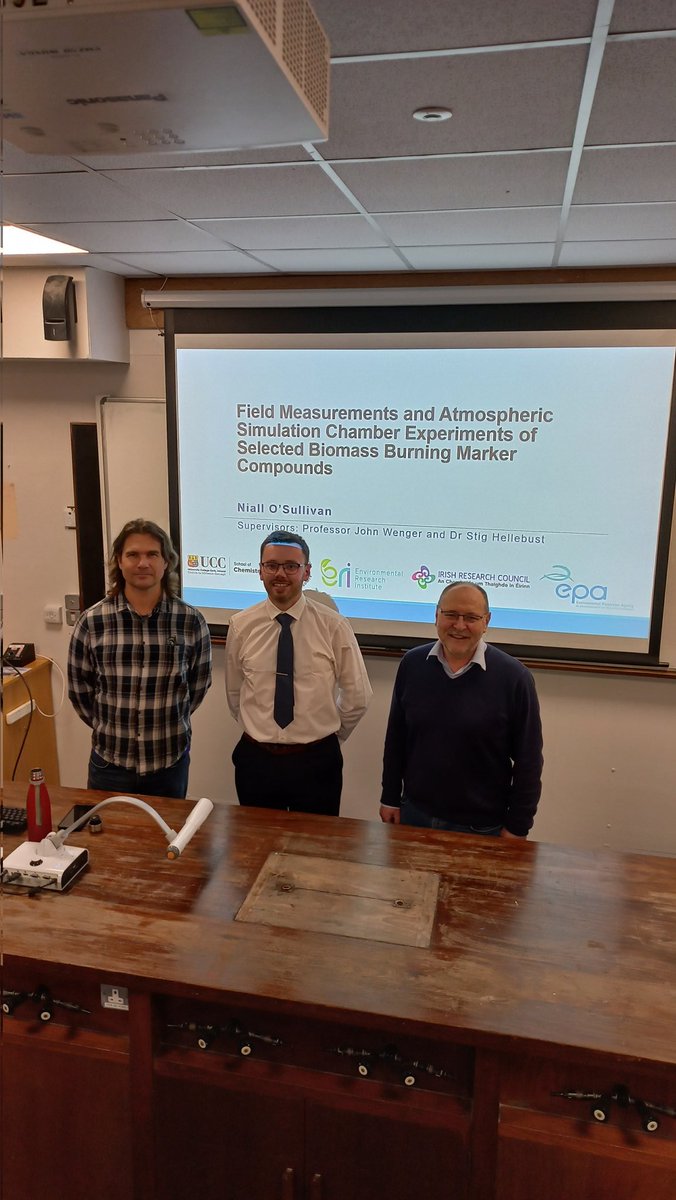
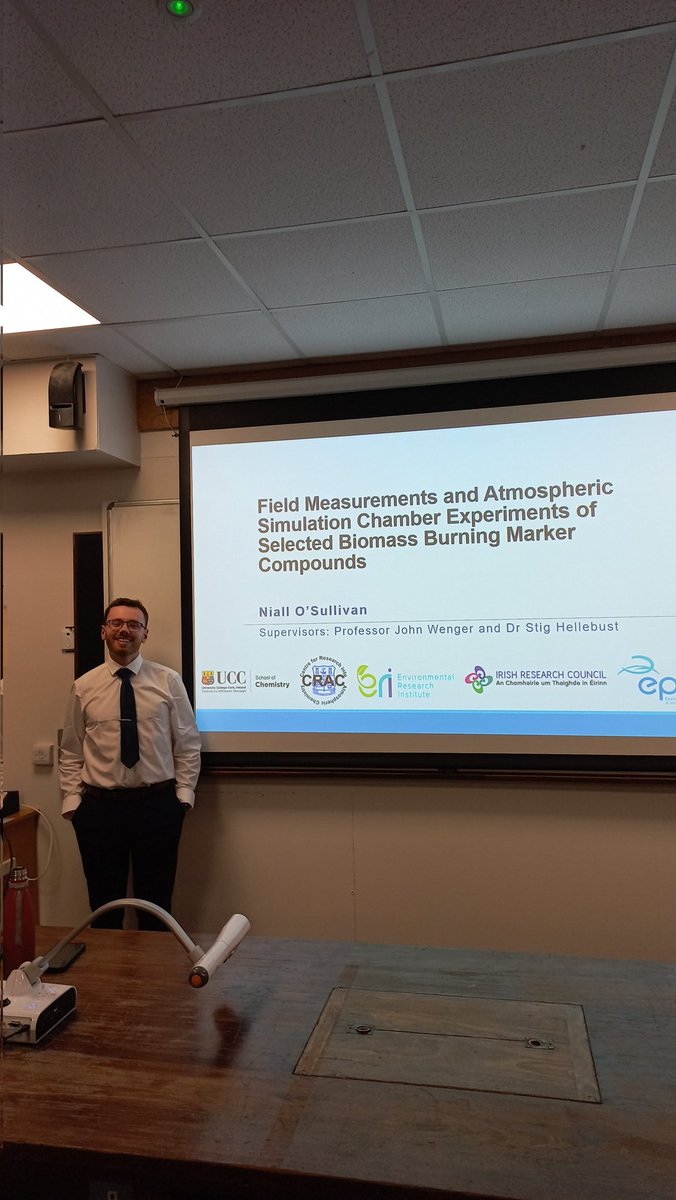
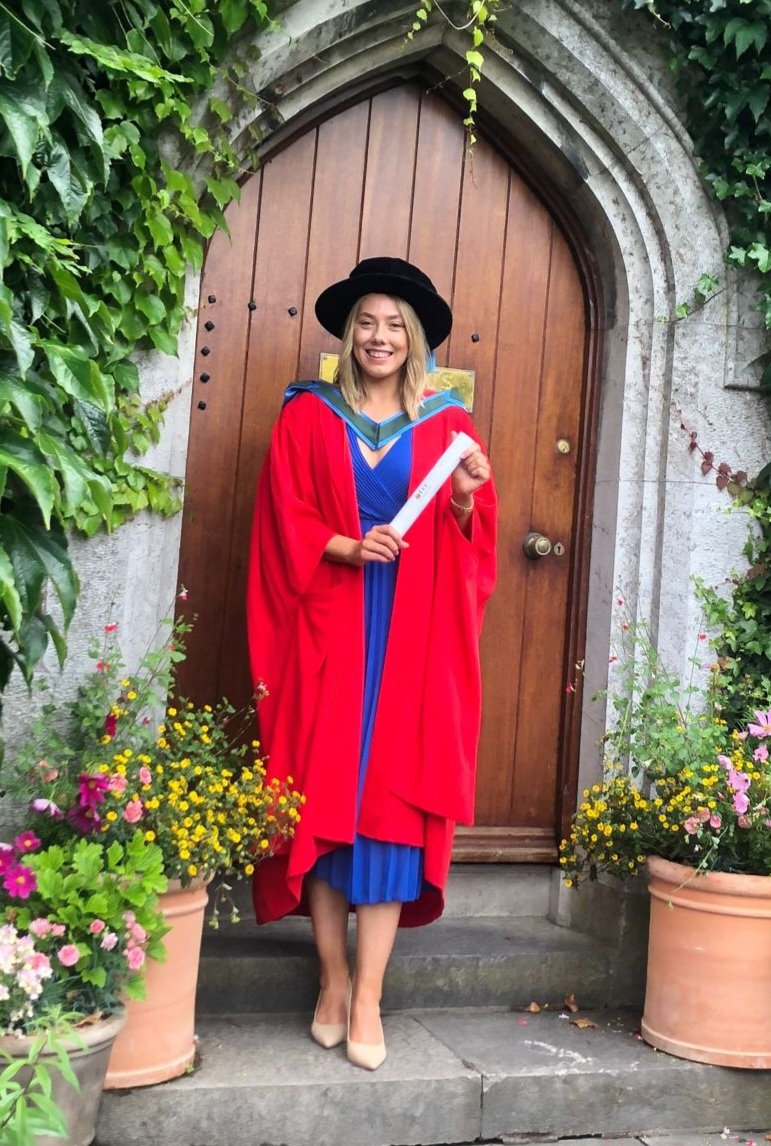
Congratulations to Niall O'Sullivan who successfully defended his PhD thesis today on the atmospheric chemistry of biomass burning marker compounds! 👏👏
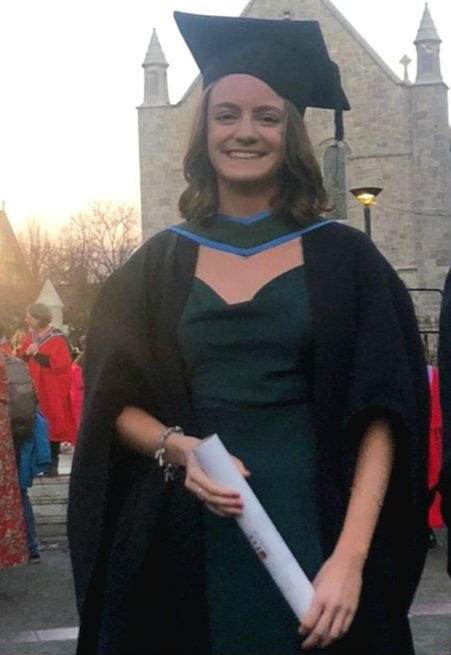
Congrats to all our graduates @uccchemistry@UCCSEFS on celebrating their graduation today👩🎓 but especially to Doireann O'Leary Brennan, our very talented chemistry graduate who has just started her PhD @IrishResearch
A few more thoughts on the possibility of life beyond Earth. All these thoughts are guesses. The lack of firm evidence for alien intelligence (so far) is sometimes called the Fermi Paradox, and it is a paradox. Put simply, there has been over 10 billion years and there are many millions of worlds in the Milky Way on which a civilisation could have arisen as far as we know. At first sight, one might therefore expect that there should be many civilisations in the galaxy far in advance of us, and we might have expected to see them. Why don’t we (or, let’s be careful, why is the evidence not bloody obvious!)?
One answer might be that civilisations never develop interstellar travel. I don’t see any reason why interstellar travel is impossible, and I think we’ll develop it if we survive into the 22nd century.
Related - perhaps civilisations don’t ever solve the problems posed by industrialisation and the discovery of nuclear weapons and never make it to the stars. Topical - see Oppenheimer!Maybe just ‘getting along’ as a global civilisation is harder than science.
Maybe (see UFO hearings) they are here but we haven’t discovered them or somebody knows but has managed to keep it a secret? Maybe. But if this is the case then at least I can say that the alien civilisations aren’t making their presence very obvious, otherwise my Astronomy colleagues who spend their time gazing at the sky and listening for signals would surely have spotted them! But let’s not rule out the possibility that we just haven’t detected them (or there is evidence but only a few people know about it) but they are indeed here.
My guess is that the average number of civilisations in a typical galaxy is low - perhaps less than 1. That’s a guess, based on what we know about the evolution of complex life on Earth. Put simply, it took the best part of 4 billion years here to go from cell to civilisation, and that’s a third of the age of the Universe. I think this MAY imply that, if this is typical (lots of ifs) then the Milky Way may be filled with microbes but not complex living things at our level of intelligence. This would be my guess.
BUT make no mistake, I wouldn’t be in the least bit surprised if a UFO landed in Oldham town centre tomorrow morning and the captain said ‘Take me to the leader of Oldham Metropolitan Borough Council’. In that case the Fermi Paradox would no longer be a paradox, I’d have learnt a lot about biology and I could get back to tweeting about other interesting stuff. I’d also ask them why gravity is so weak relative to the other forces of Nature.
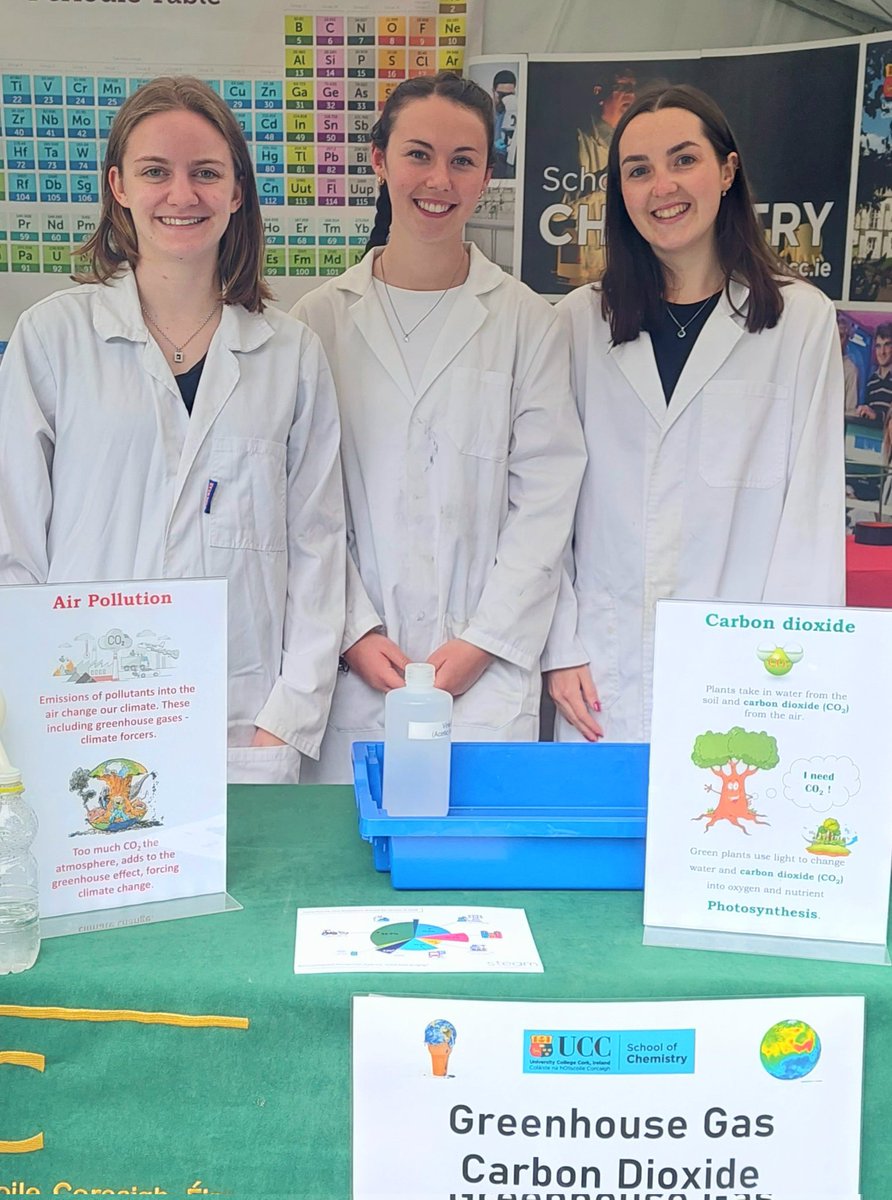
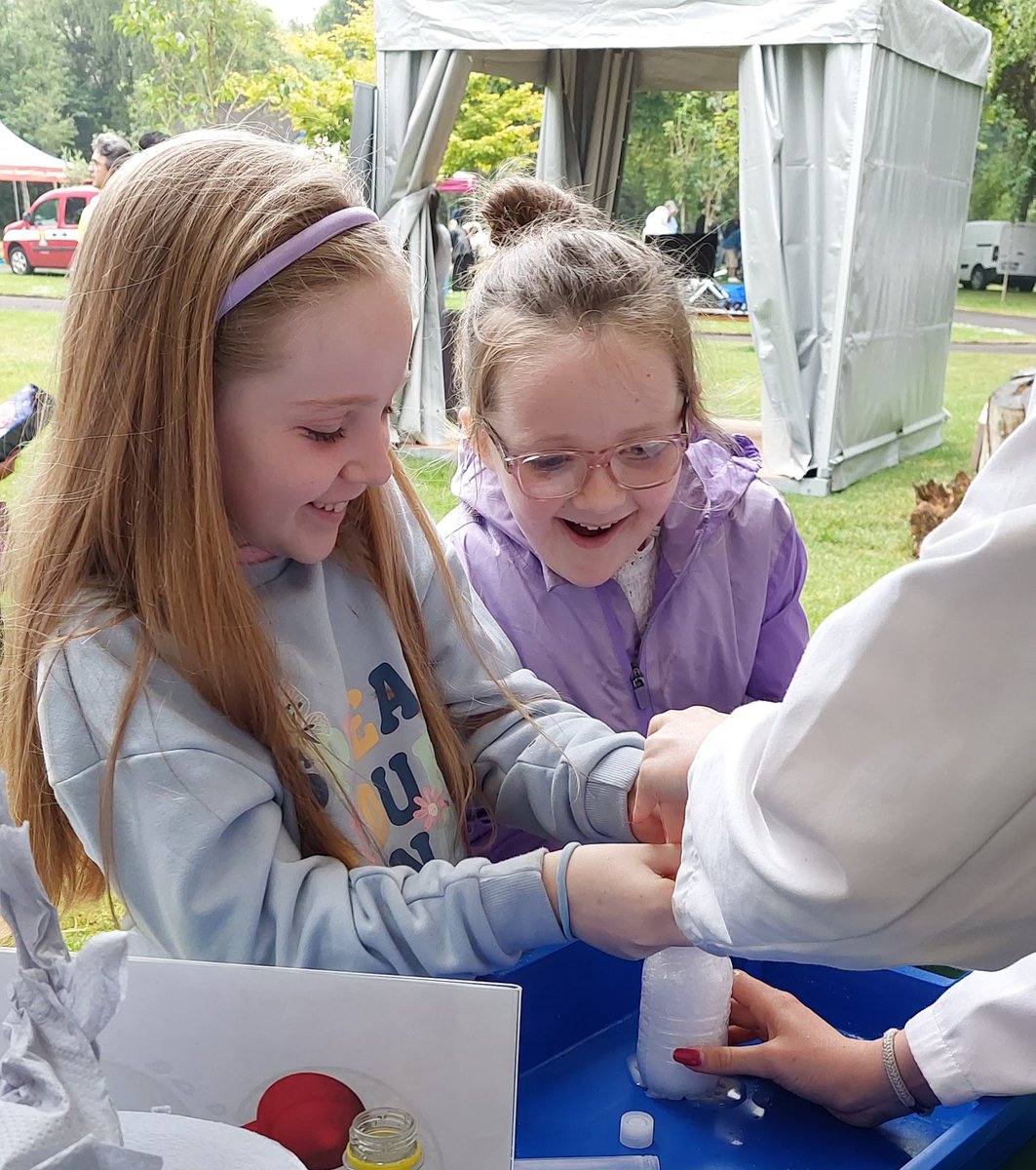
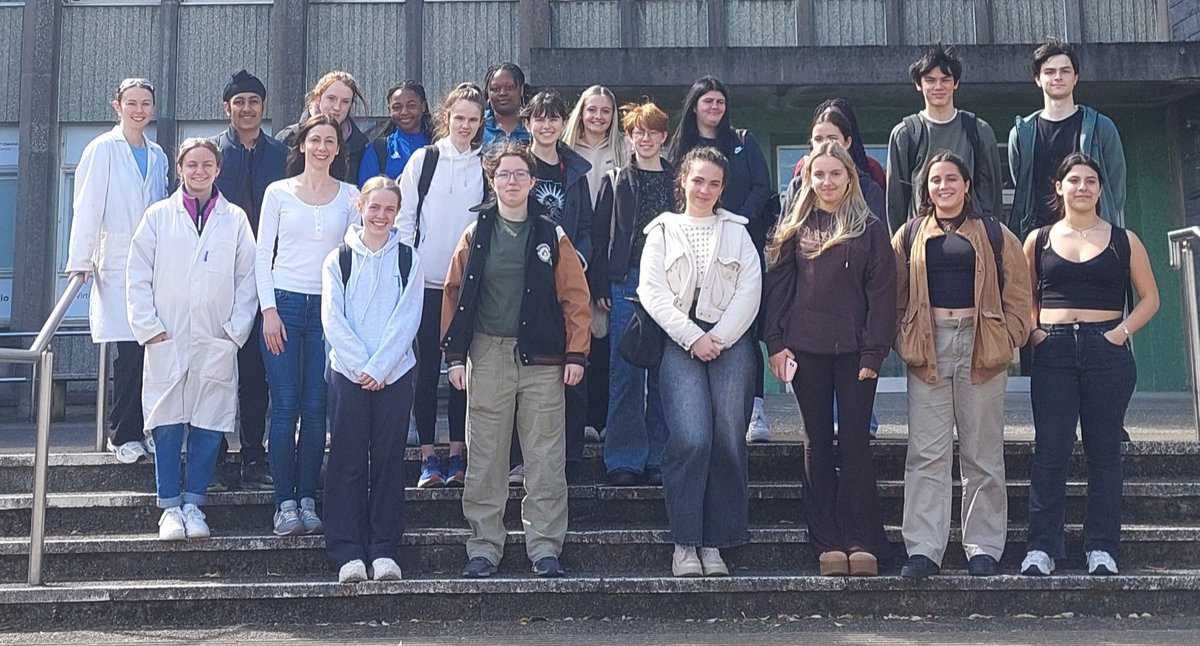
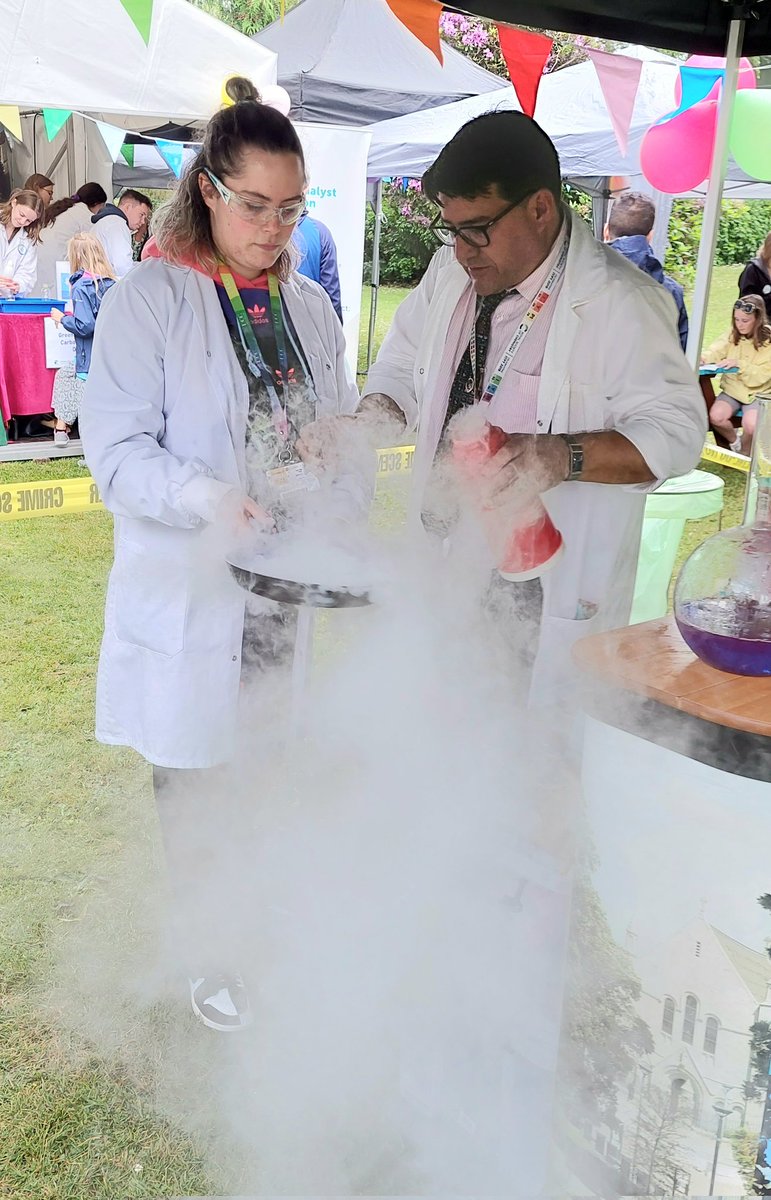
Loads of fun at the Cork Carvinal of Science! Thanks to everyone @uccchemistry especially all our students for helping out to put on a great display 🧪🥼👩🏻🔬 @corkcitycouncil @scienceirel
Congratulations to Rebecca Henry @uccchemistry on her Royal Society of Chemistry Undergraduate Research Bursary Award. Rebecca will be working on catalysis for the #CircularEconomy@RoySocChem
Great piece on @uccgateway SPRINT Award winners in @echolivecork's WoW series! This week, Jennifer Horgan speaks with Dr Brenda Long @uccchemistry@eriucc - Disruptive Technology Award winner - about her win, her exciting technology & the power of female collaboration ⤵️
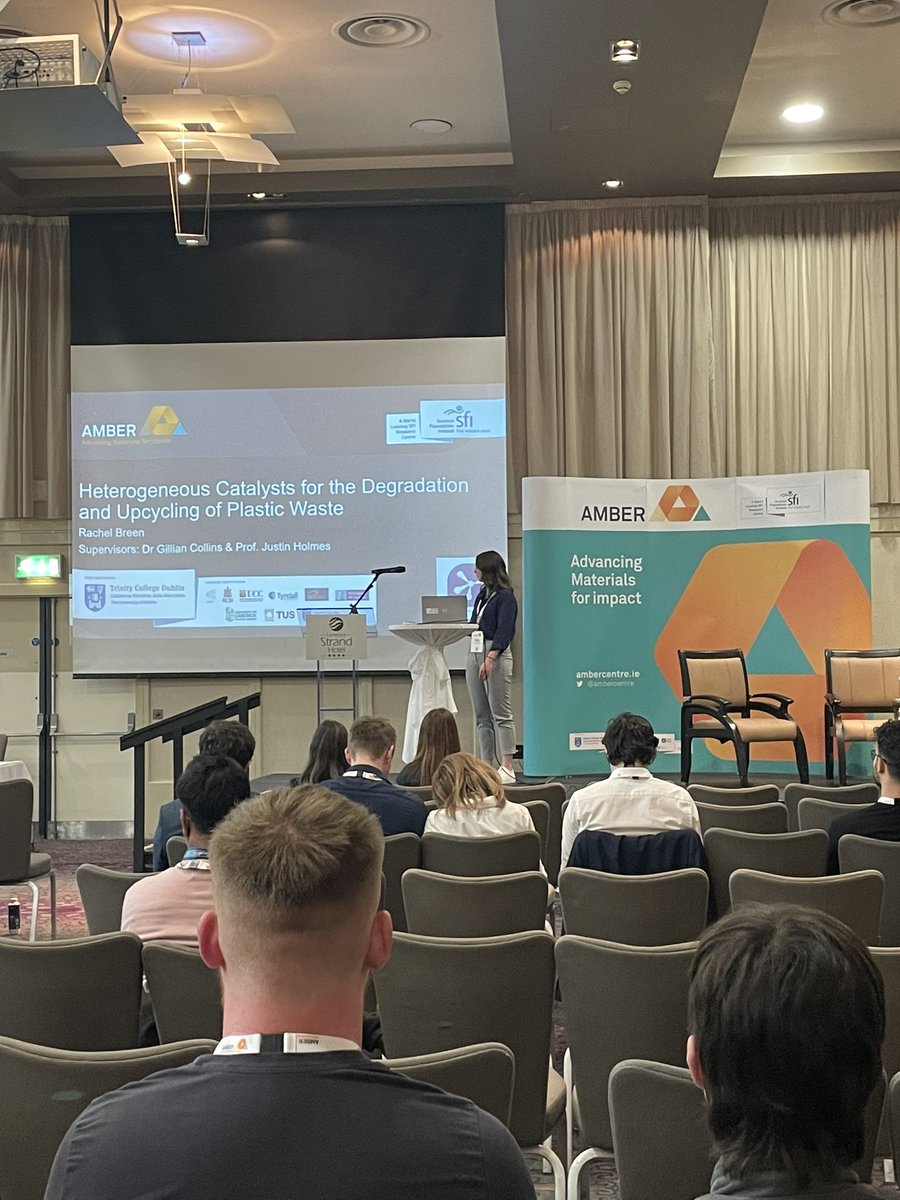
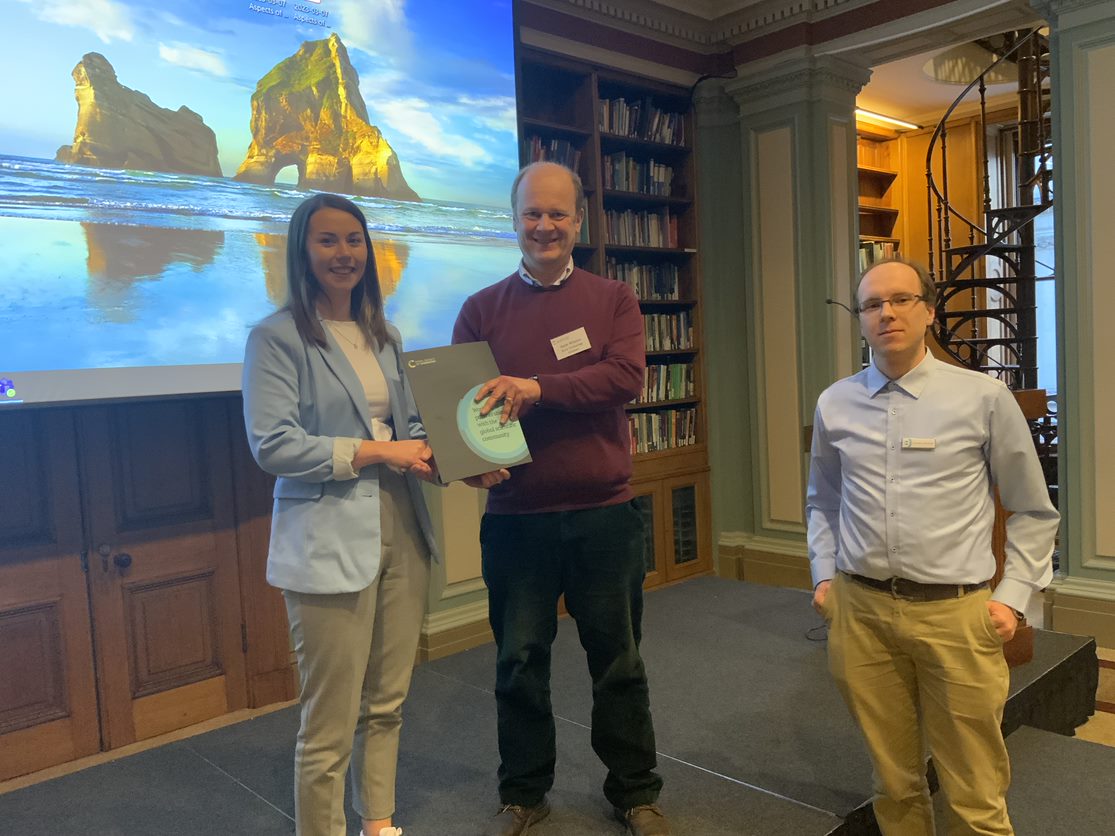
Congratulations to the winner of the @CatalysisSciTec & #EESCatalysis (@RSC_Energy) poster prize Rachel Breen, @uccchemistry! Awarded at the 'Applied Catalysis in the Circular Economy' Symposium- Burlington House, London