We haven’t done a great job of putting it out there but we’re creating a health fund for women. If you know any woman in Nigeria who’s struggling to afford bills related to childbirth, postpartum care, or family planning, we have some money for them.
It costs approximately 50,000 naira for a Nigerian woman to deliver her baby in a public hospital, yet thousands of women across the country are stuck being unable to do so.
Last year, the Nigerian government officially launched the National Policy on Menstrual Health, we rejoiced.
Nearly a year later, I’m yet to find it in the public domain. Is the policy document for a select few? Does it exist? Can anyone point me in the right direction?
In 2023, I started Nigeria's 1st breastfeeding clinic, The BestFeeding Club…👩🏽⚕️🤱🏽
Now, we run breastfeeding clinics in;
- Evercare Hospital
- Paelon Memorial Hospital
- Atlantis Pediatric Hospital
- KAAF Specialist Hospital
As well as a 24/7 Breastfeeding Hotline.
Praise God
In 2025, we launched the Maternal Care Fund and supported 12 women through childbirth. But more than anything, we learned that people care deeply when you give them a reason to.
Read our full year in review to see what we did and what's coming in 2026
https://t.co/2bs0AyrY1y
One Word; Powerful! 💪
That’s how we describe the Global Race Against Femicide!
#RunForHer was hugely successful, due to Participants who understood the message; about asking for Justice, and Honoring the Memory of Victims!
Thank you Lagos #RaceAgainstFemicide2
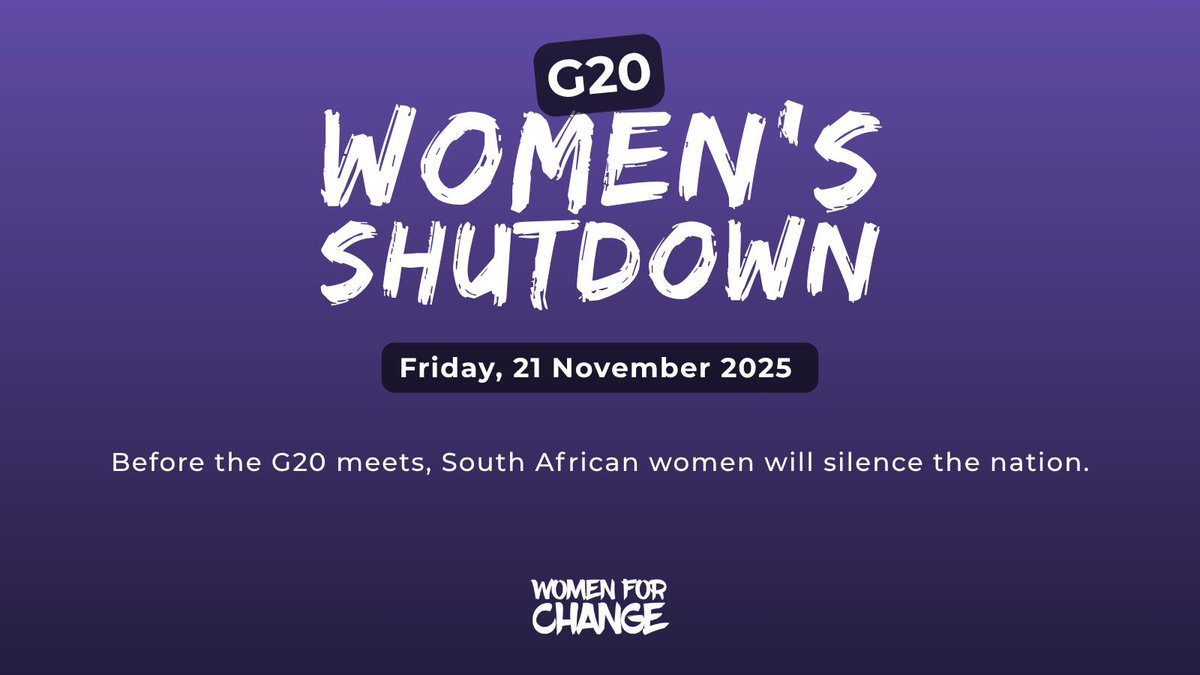
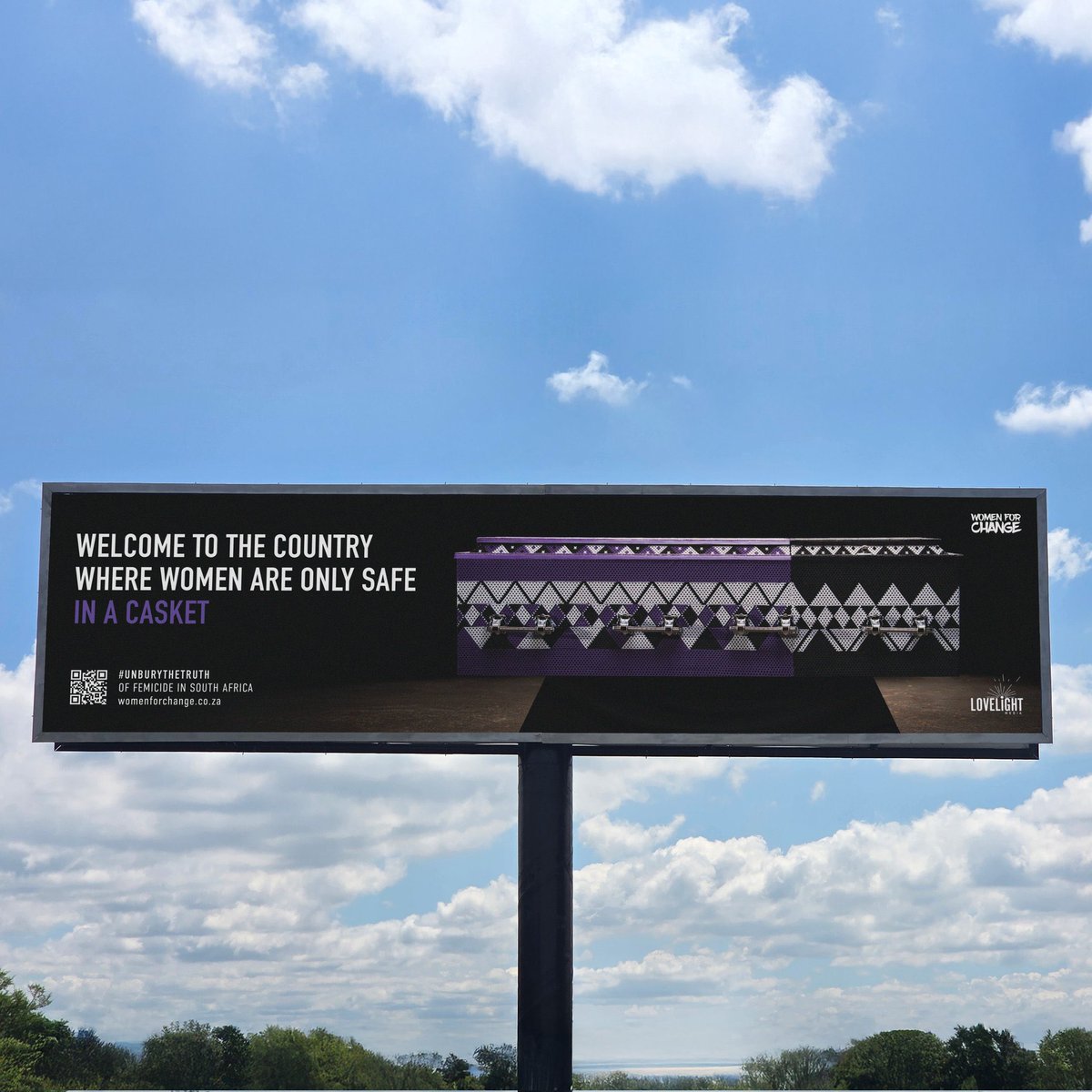
Today, we stand with the Women of South Africa in solidarity against GBV and femicide. Let's amplify the voices demanding justice. Women cannot only be safe in caskets😔
We need a world where women and girls can live without fear. 💜💜#DeclareGBVFANationalDisaster#EndFemicide
This isn’t because prevention doesn’t exist, but because too many pregnant women aren’t tested or treated. Only 50% of pregnant women with HIV in Nigeria receive treatment to ensure they don’t transmit to their babies.
Nigeria has the highest number of children born with HIV in the world; about 22,000 every year.
In the past three years alone, that’s enough children to fill the national stadium.
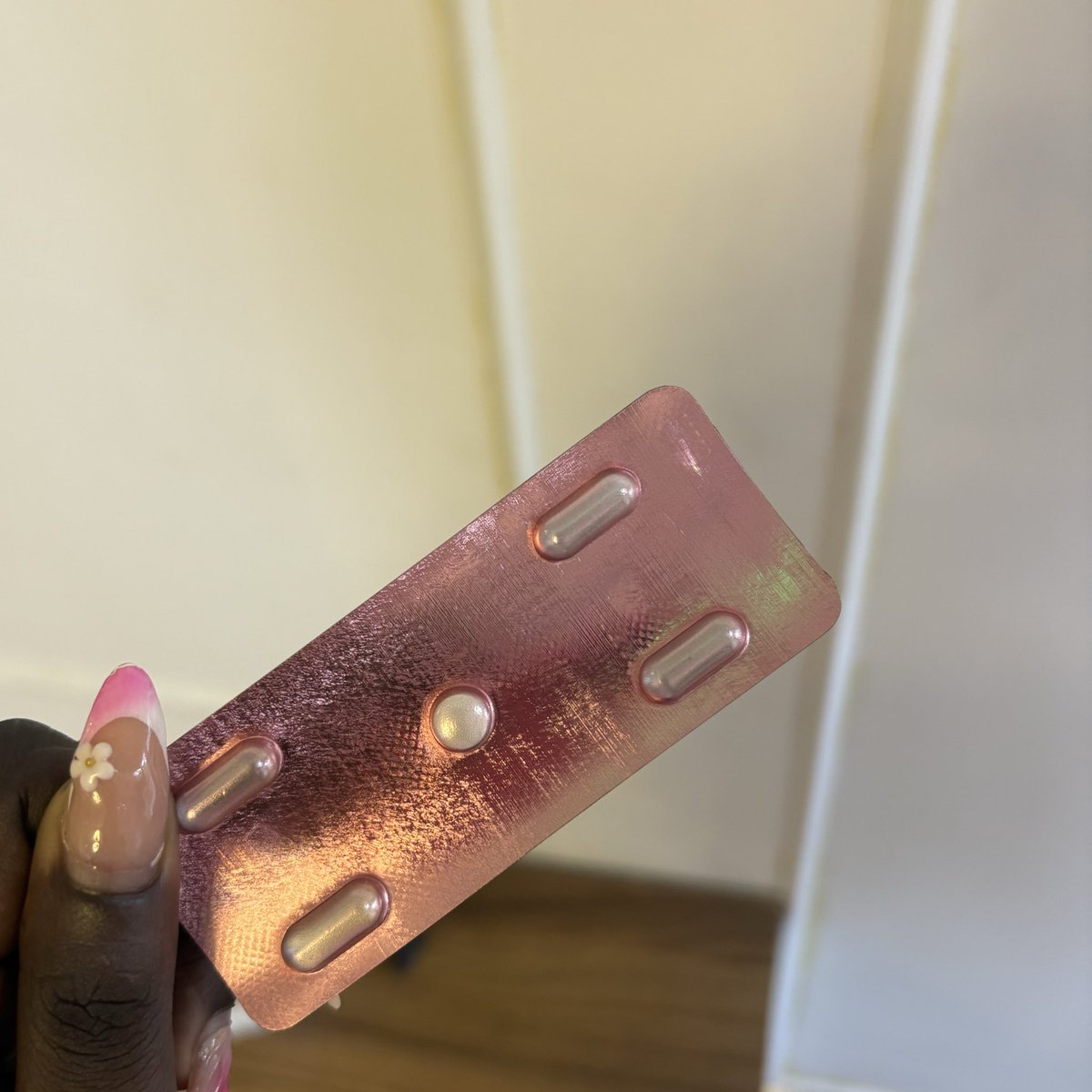
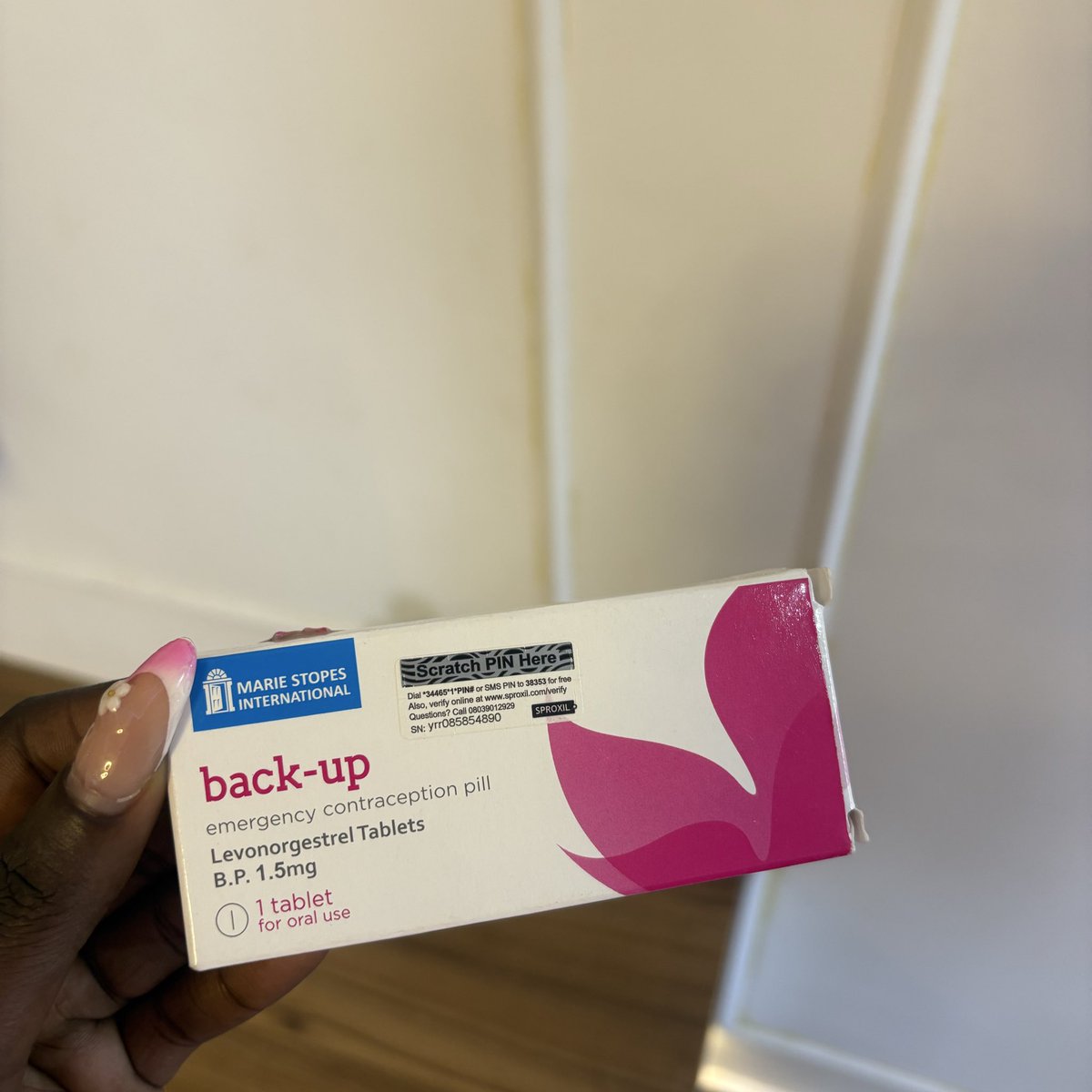
From today, women in England can get the emergency contraceptive pill for free from pharmacies, without needing a GP appointment.
This is part of ongoing work to expand NHS services through community pharmacies.
➡️ https://t.co/cH4kAyCV4Z
ATTENTION!!!
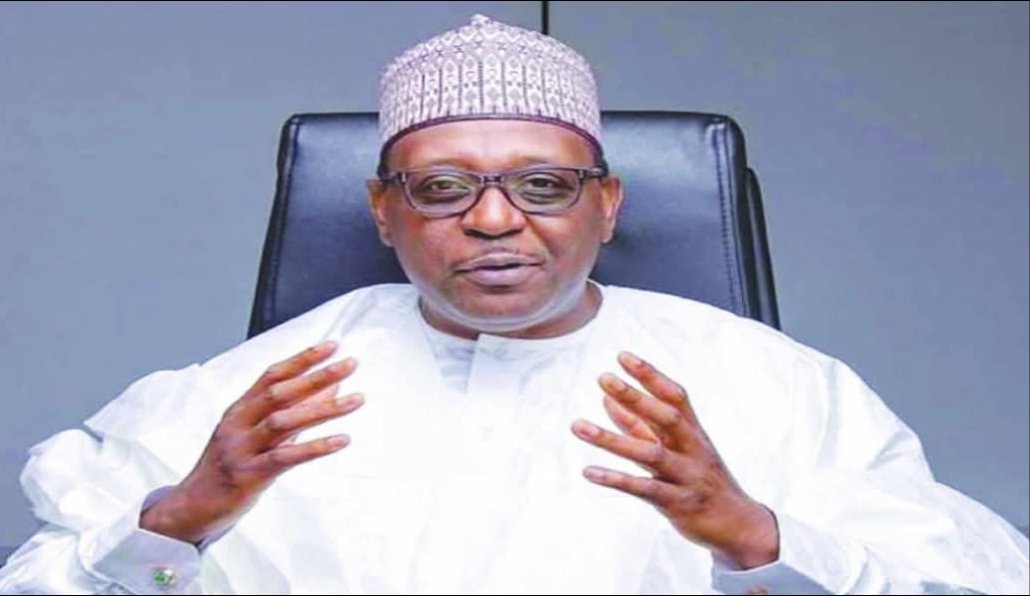
Dear Honourable Minister @muhammadpate
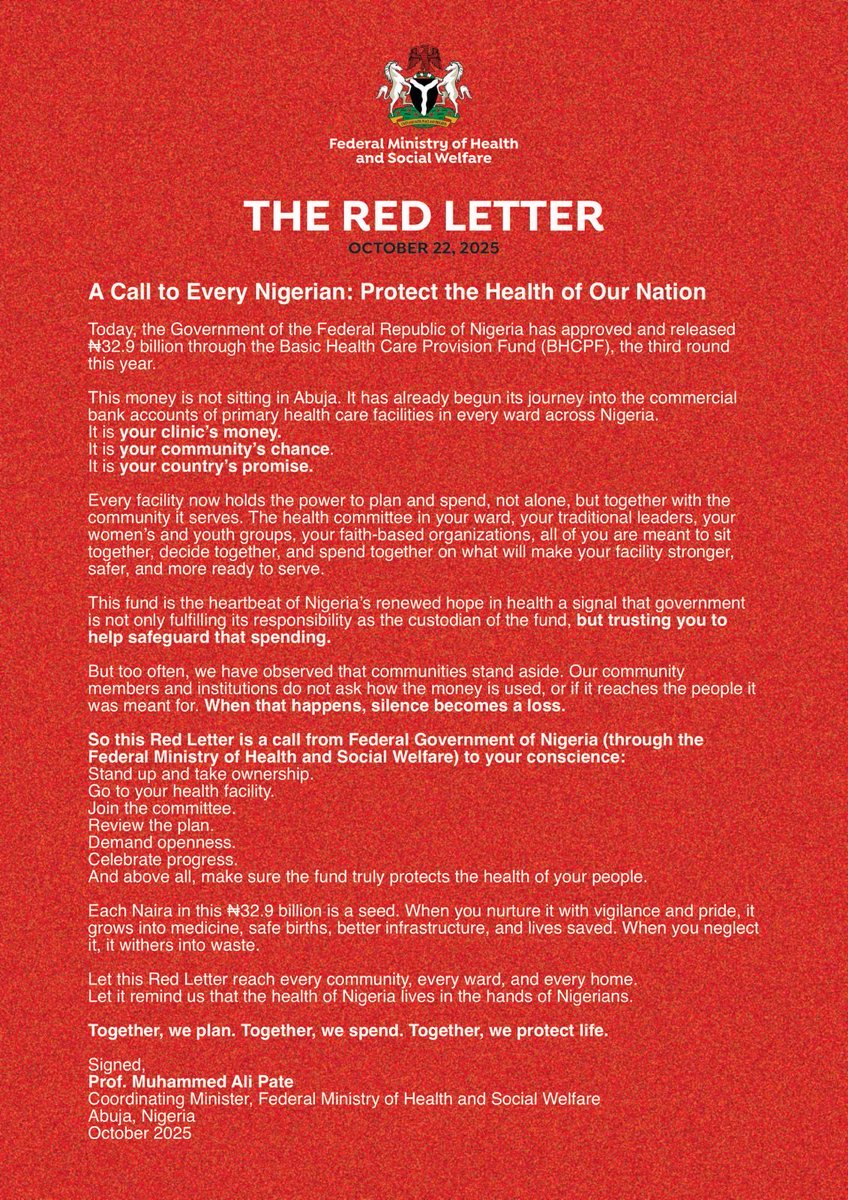
You announced the release of ₦32.9 billion through the Basic Health Care Provision Fund (BHCPF) to strengthen Primary Health Centres (PHCs) and general hospitals across Nigeria. While this may sound like progress, the reality is that ₦32.9 billion shared across 36 states and the FCT is alarmingly insufficient to address the deep-rooted decay in our healthcare system.
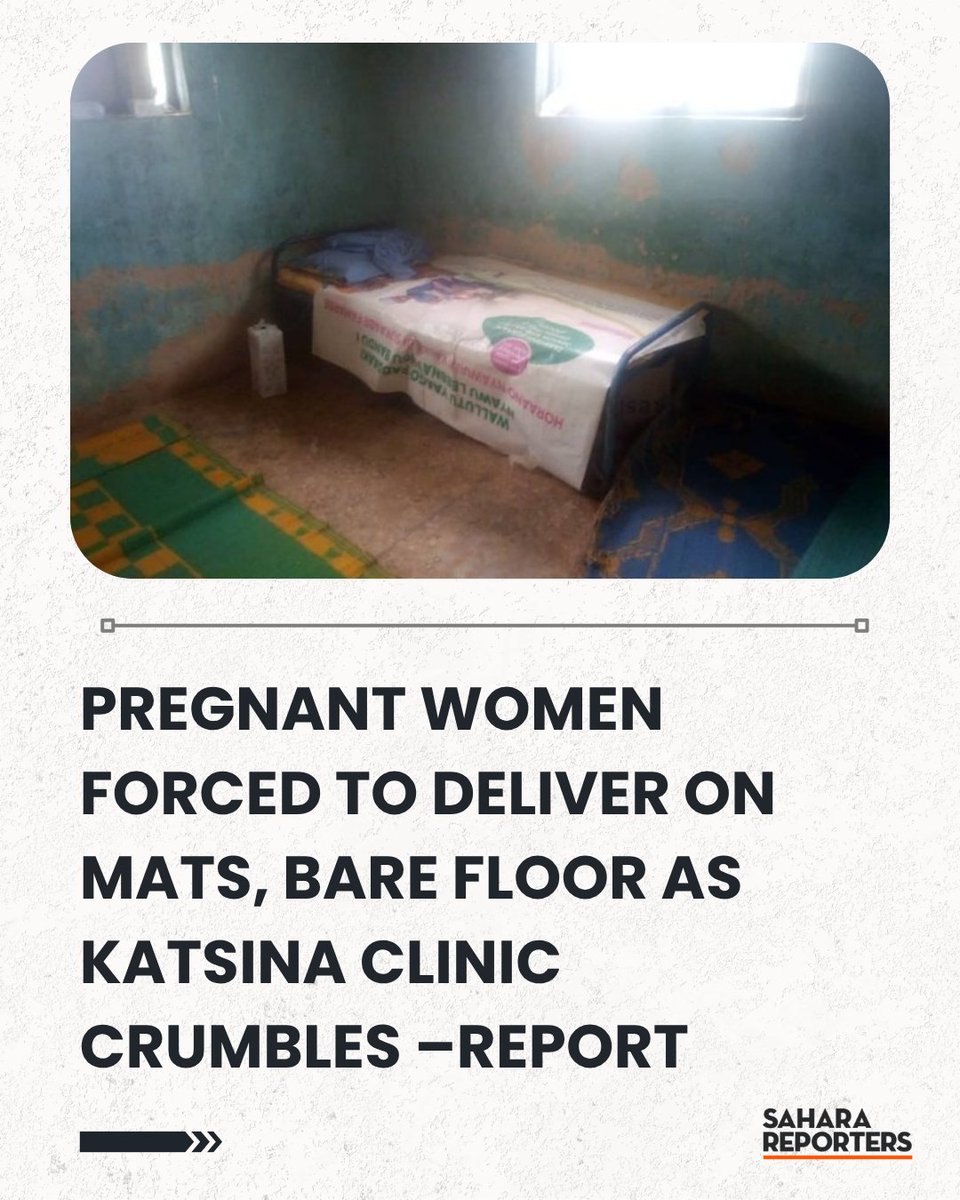
Across the country, hospitals and PHCs remain in deplorable condition, leaking roofs, broken beds, shortage of staff, no drugs, no electricity, and no clean water. In some communities, women still deliver babies on bare floors, and patients are asked to buy syringes and gloves. These realities expose the gap between policy announcements and what Nigerians experience daily.
How can such conditions persist when billions are being released in the name of healthcare reform? This speaks volumes about the misplaced priorities of government spending. At a time when health facilities are collapsing, the Federal Government reportedly approved ₦2 billion for bush clearing, with no clear details of where and how such a staggering sum will be used.
Meanwhile, the National Assembly continues to allocate billions for luxury SUVs, questionable constituency projects, and office renovations, funds that could have been channelled into saving lives and rehabilitating critical health infrastructure.
If Nigeria can afford ₦2 billion for bush clearing, why is only ₦32.9 billion being allocated to serve over 200 million citizens struggling to access basic medical care? Such an amount cannot renovate a few general hospitals, let alone strengthen thousands of PHCs nationwide. This allocation is not only inadequate , it reflects poor planning and misplaced compassion.
Honourable Minister @muhammadpate, Nigerians need more than promises. We call on you to publish a transparent breakdown of how this ₦32.9 billion will be spent, which facilities will benefit, what specific outcomes are expected, and how accountability will be ensured. Transparency at this stage is crucial to prevent these funds from vanishing into another cycle of waste and mismanagement.
Nigerians deserve results, not rhetoric. Citizens, CSOs, and the media must stay vigilant and track every kobo of this fund. If the government can justify billions for non-essential projects, it must find the will to invest adequately in the health and survival of its people.
#AskQuestions #GetInvolved
This is a reminder that HIV rates are higher in women than men.
1. Many women lack the power to negotiate safe sex.
2. Higher risk of sexual violence.
3. Poverty pushes some young girls into transactional sex.
4. Women often have less access to regular testing and treatment.
I need women to know most reproductive health issues are lifestyle-induced. Most are lifestyle choices catching up with your body. Your lifestyle plays a bigger role in your reproductive health than you think. Your body whispers through small signs long before it starts to scream