My youth + community led social enterprise @TheSoulShackLDN is recruiting volunteers for our:
💖Summer food and play programme for 10-21 year olds from Lambeth/Southwark from 22nd July - early September 2020
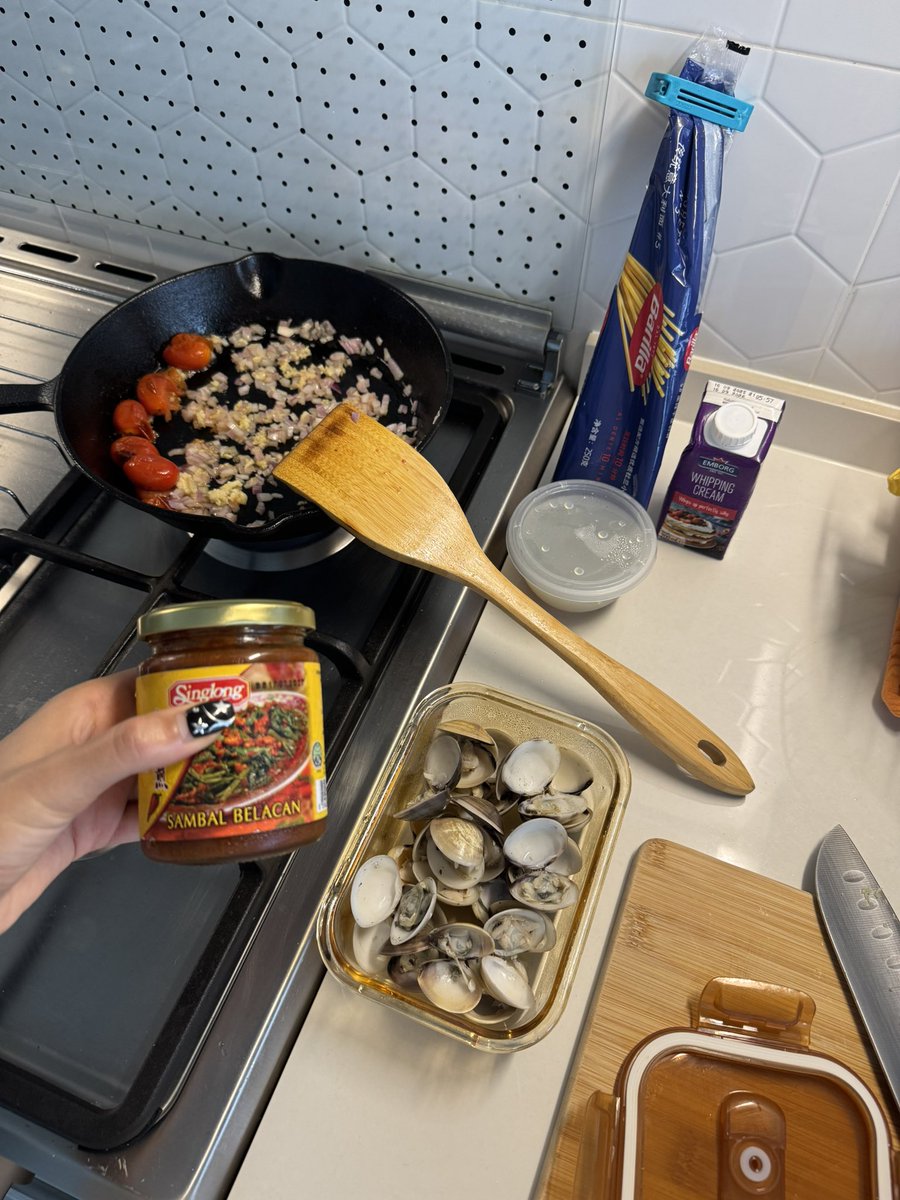
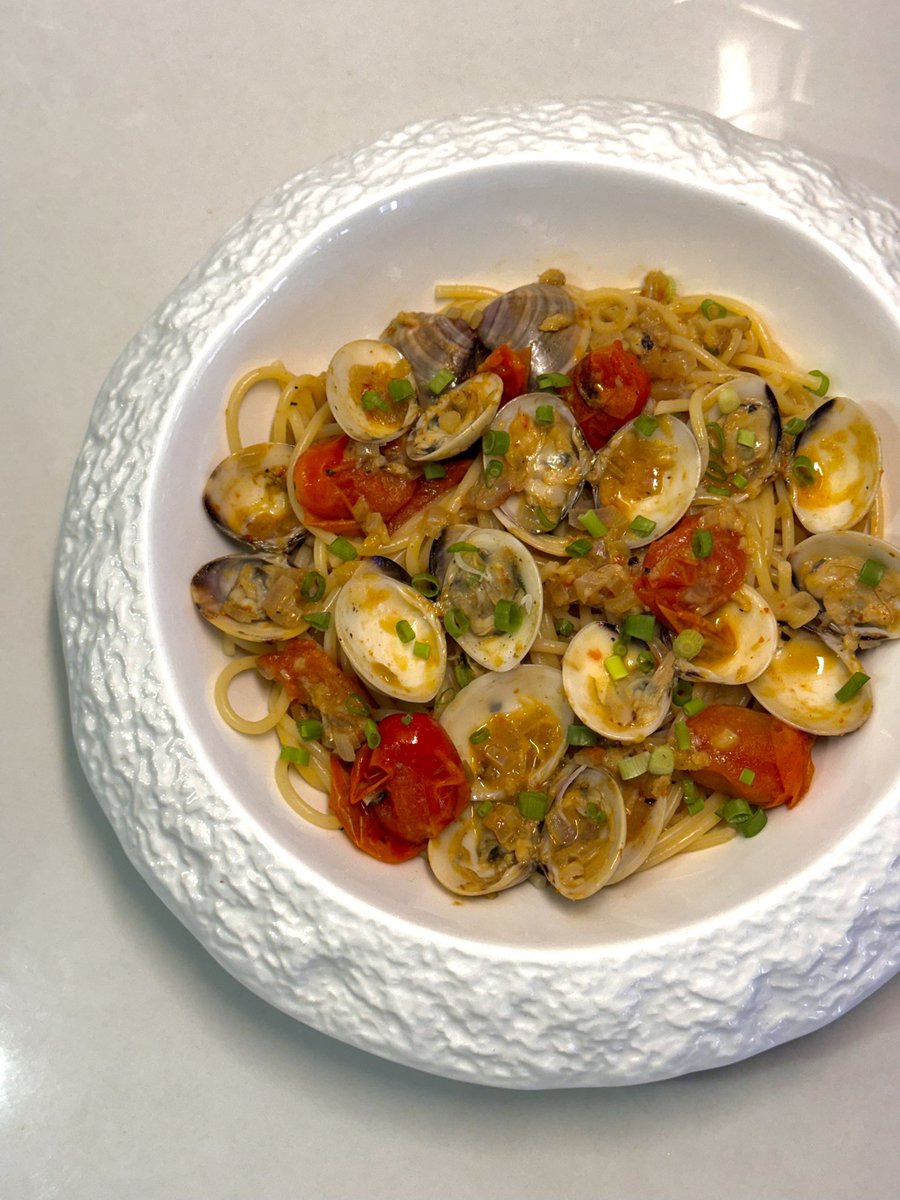
today i decided to experiment with the leftover clams & make a malaysian-style spaghetti alle vongole. i swapped the chilli for sambal belacan & finished it with spring onions instead of parsley
it turned out just how i imagined: funky, oceanic, briny, spicy & full of umami ~
kind of feels like a big deal that almost everyone in this documentary went unidentified for decades because their families reported them missing and the police just didn’t bother to open an investigation
Today I traveled to a small mountain town in Japan to learn a dying art (literally): natural indigo dyeing...
Most "indigo" today is synthetically derived. A chemically identical blue molecule, brewed in a factory from petroleum, reduced with industrial chemicals...
It's MUCH cheaper than natural indigo and you're probably wearing it right now in your pair of jeans.
Natural indigo is something else. It's aliiiiive...
The dye starts in the leaves of the indigo plant as a colorless compound called indican. The leaves get composted and fermented for months into a dark mass called sukumo
That goes into a vat with wood ash, wheat bran, sometimes sake. The ash makes the solution highly alkaline and bran and sake feeds it. Why? The vat is a living culture. Microbes do the work that factories do with chemicals...
I decided to attempt a "double gradient" with a nice cut of of cotton cloth. First, I hooked it to a wooden contraption that allowed me to dip it evenly into the solution...
I dipped and pulled it out and it wasn't blue. It was green. In the vat the indigo is in its dissolved form, "white indigo," and it comes out looking yellow-green...
Then you rinse off the solution and in a few seconds, the green crawls into blue right in front of you. That's oxygen bonding to the molecule and turning it back to true indigo, now locked into the fibers
Dip. Rinse, Oxidize, Repeat. Each cycle goes darker. I dipped each side 7 times, carefully planning the dip length and depth to create a beautiful gradient effect
It came out amazing for my first attempt and more importantly I learned yet another amazing process that's slowly being lost to the sands of time