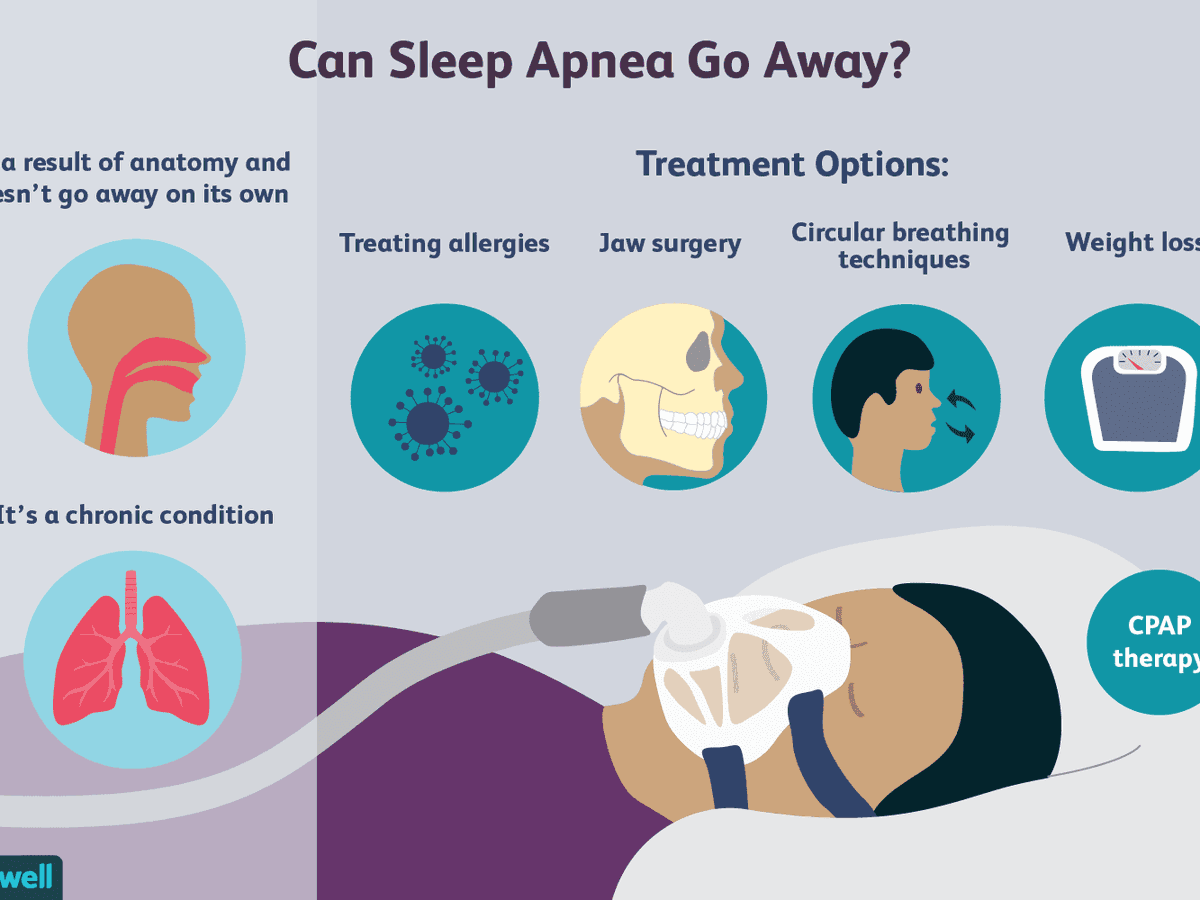
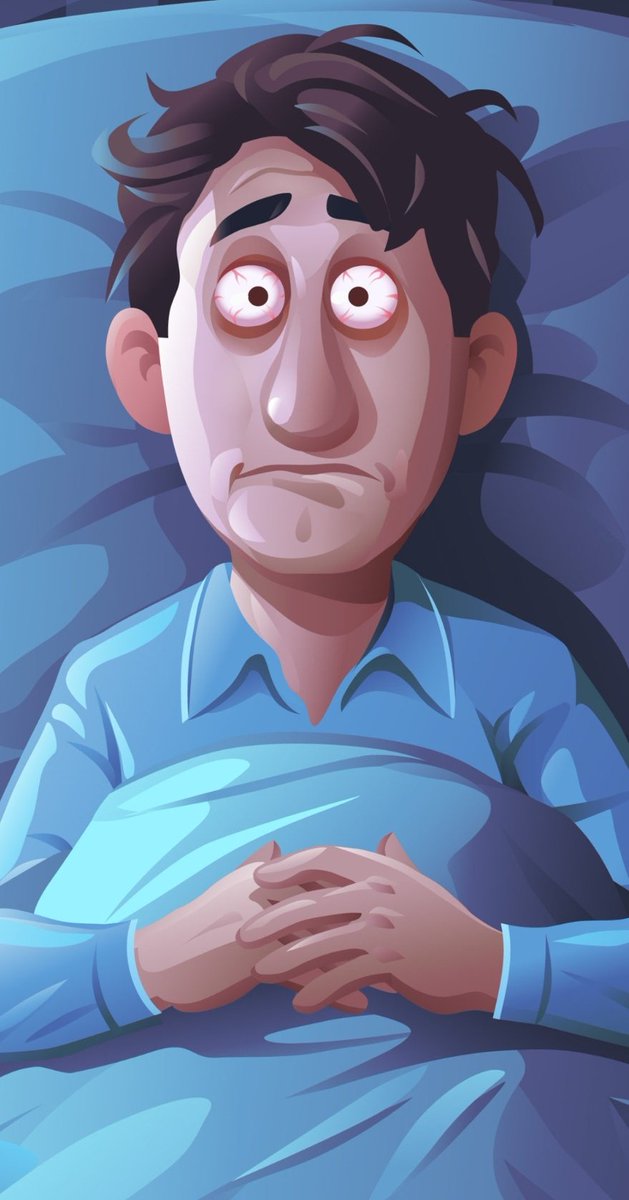
An adolescent with sleep apnea who doesn't outgrow it has nearly three times the risk of high blood pressure, a new study says. But children whose sleep apnea disappears by youth do not have increased risk, researchers say.
Adults who have excessive weight or obesity and soft tissue in their mouths and throats may suffer from obstructive sleep apnea. This soft tissue can block the airways during sleep since the muscles in the throat and tongue are relaxed.
Tips to help you sleep..
1. Ban electronics from the bedroom
2. Maintain a regular sleep schedule
3. Discourage afternoon naps
4. Don’t procrastinate on big tasks
5. Stick to sleep-friendly bedtime routines
6. Limit caffeine
7. Consult a health provide
#SleepBetter#SleepHealth
Sleep is important for an individual's mental and physical well-being. So make sure you all get your good night's sleep!
#sleep#sleepwell#goodsleepgoodlife
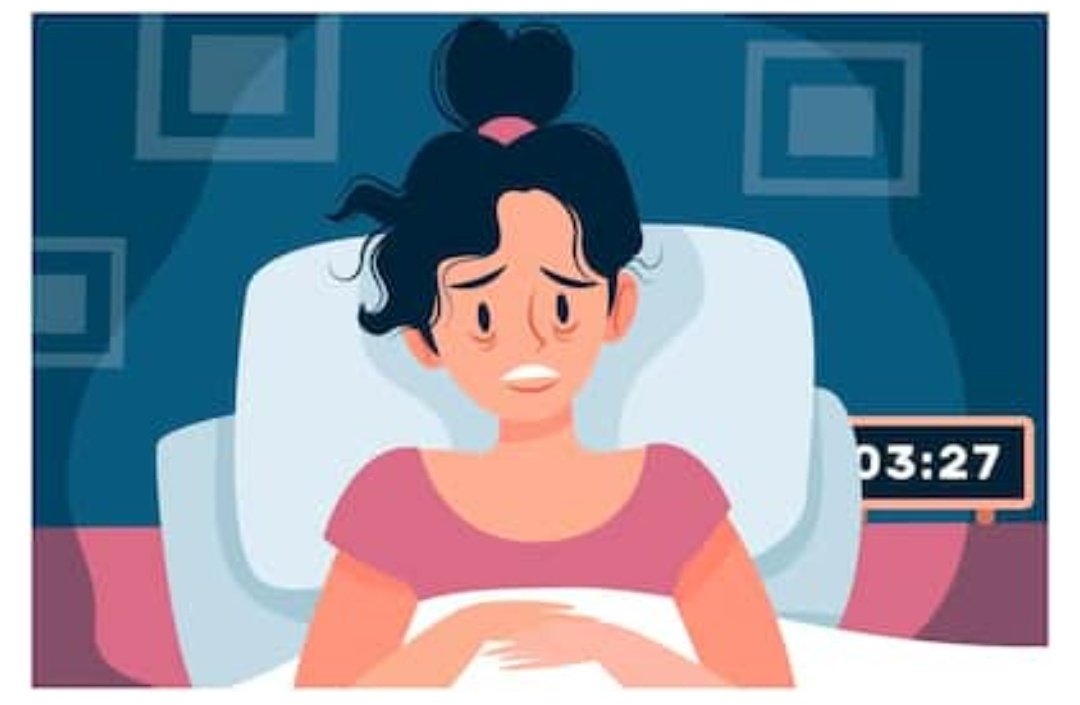
Think about the factors that interfere with a good night's sleep — from work stress, family responsibilities and unexpected challenges.
While you might not be able to control the factors that interfere with your sleep, you can adopt better habits to get a good night's sleep.
Before going to sleep, staying away from screens such as computers, TVs, smartphones and loud music, activities that cause your mind to race and anything else that keeps your mind awake can also help.
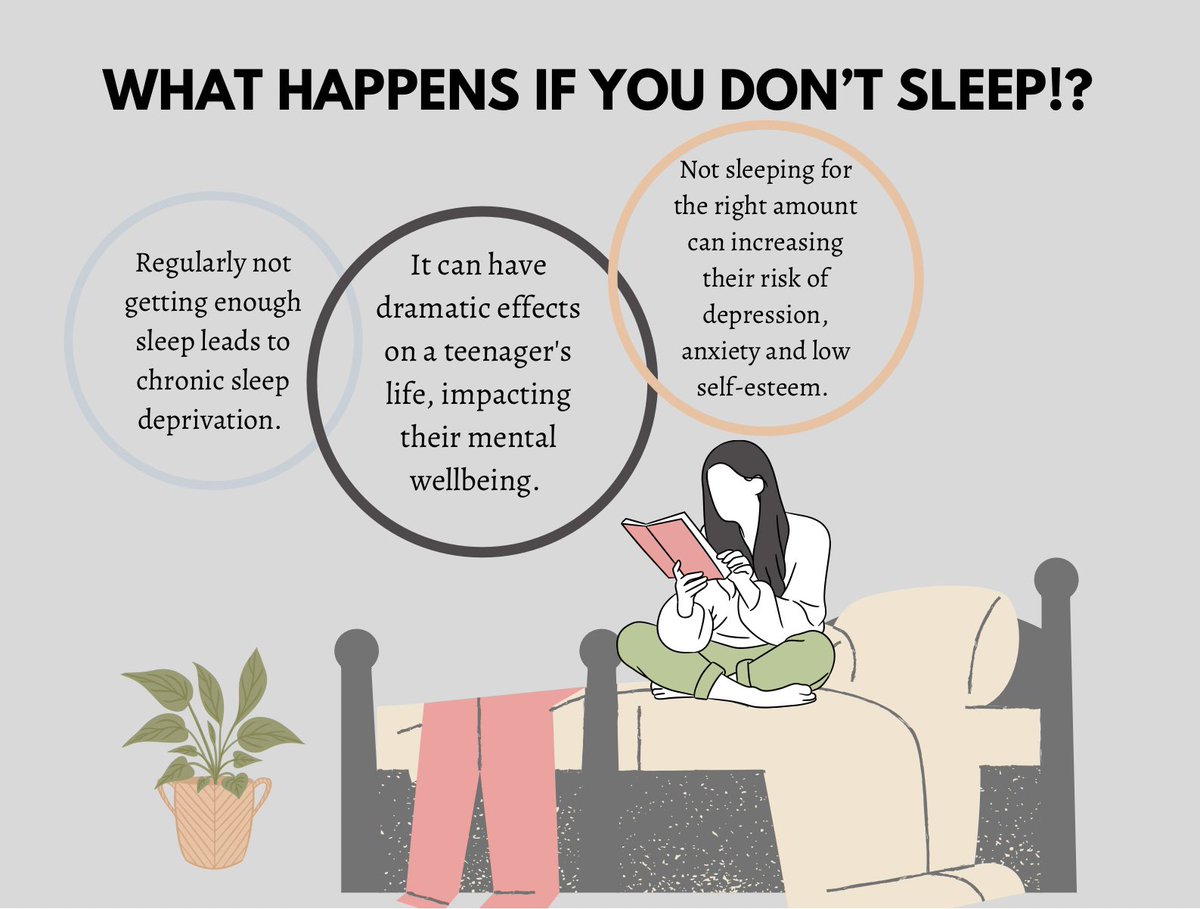
The average teenager sleeps about 6.5 to 7.5 hours per night. In addition to affecting mental wellbeing and academic performance, chronic sleep deprivation can have severe consequences for teenagers.
In order to get out of the vicious circle you can relax before bed by taking a bath and drinking a milky beverage, or practicing mindfulness or meditation. Yoga is also beneficial. Before
There are many aspects that lead to sleep deprivation among teenagers like hormonal time shift, using screen based devices, hectic after-school schedule, leisure activities, light exposure, sleep disorders and so on.
Using smartphones before bed decreases sleep time. Taking a break from stimulants in the evening can help sleep better. This includes caffeine, tea, soft drinks, and energy drinks.
Sleep is a period of rest. It consists of REM and Non-REM sleep, 2 distinct states that alternate in cycles and reflect differing levels of brain nerve cell activity.
Getting enough sleep helps you think more clearly and react more quickly. During sleep, your body produces hormones that help repair cells and tissues and fight off illness.
Sleep isn’t just a time when your brain and body shut down. Your brain and body accomplish important tasks during sleep that help you stay healthy and function better when you’re awake.