SmartBallot : Towards credible and Transparent Ballot
I have consistently believed that technology, combined with the creativity and resourcefulness of young Nigerians, can help reinforce our democracy and advance free, fair, and credible elections.
I am pleased to endorse SmartBallot (https://t.co/YgbAq2cLxE), a platform developed to facilitate grassroots mobilization, civic engagement, and election monitoring.
I urge our supporters and NDC candidates to register on SmartBallot and examine how its tools can assist them in organizing their communities, coordinating voters and polling unit agents, expanding grassroots engagement, and supporting transparent election monitoring.
Through the effective use of technology and collective action, we can reinforce our democratic institutions and help ensure that every vote is counted.
Credible elections require preparation, active participation, and peaceful vigilance. Let us make full use of every available resource to create a more organized, engaged, and empowered electorate.
A New Nigeria is Possible. -PO
NIGERIANS, GO AND VERIFY (7)
LIFTING THE VULNERABLE : ANAMBRA’S BLUEPRINT FOR POVERTY ALLEVIATION AND SUSTAINABLE EMPOWERMENT (2006–2014)
Economic growth that does not translate into improved living conditions for ordinary citizens is incomplete. This is one of our fundamental concerns with President Bola Ahmed Tinubu's government. Development must ultimately be measured by its impact on human lives, particularly those of the poor and vulnerable. This was underpinned by the Anambra Integrated Development Strategy (ANIDS). We believed that infrastructure, education, healthcare, agriculture, and social protection must reinforce one another. Poverty was not merely a shortage of money; it was also a lack of access to opportunities, productive resources, and the basic conditions necessary for a decent life.
Our poverty alleviation strategy, therefore, went beyond temporary handouts. It focused on restoring dignity, creating economic opportunities, and equipping vulnerable citizens with the means to become self-reliant.
Our approach attracted recognition beyond Anambra. In May 2010, Magnus Kpakol, then National Coordinator of the National Poverty Eradication Programme (NAPEP), commended our commitment to poverty reduction, declaring: “We are prepared to support you in the excellent work you are doing in Anambra State.”
1. POVERTY MAPPING: KNOWING WHERE POVERTY LIVES
We recognised that poverty could not be effectively addressed without knowing where it was concentrated and what caused it. We, therefore, undertook a poverty-mapping exercise to identify the most deprived local government areas and communities.
The exercise revealed that some of our poorest communities were also important food-producing areas. Their challenges included poor access to markets, agricultural inputs, electricity, water, and other economic opportunities.
Areas including Anambra West, Orumba South, Awka North, and Ogbaru required particular attention. The findings informed our development priorities, enabling us to direct roads, agricultural support, and social interventions toward neglected communities.
2. EMPOWERING WOMEN, WIDOWS, AND COOPERATIVES
We recognised that rural women, widows, and indigent households bore a disproportionate burden of poverty. Across the 21 local government areas, we provided financial assistance and productive support to thousands of beneficiaries.
Our administration provided financial assistance to support the establishment and expansion of small businesses and farming activities. We also introduced revolving loan schemes to promote enterprise development, economic self-reliance, and improved livelihoods.
We distributed productive equipment, including sewing machines, generators, ovens, cookers, hair dryers, shoe-making machines, and welding equipment. The objective was to help beneficiaries establish sustainable livelihoods rather than remain dependent on government assistance.
We also promoted access to microcredit and cooperative financing to enable small entrepreneurs to expand their businesses, improve their incomes, and create employment.
Our philosophy was simple: rather than merely giving people money to survive today, the government should help them acquire the means to earn a living tomorrow.
3. AGRICULTURE AND FADAMA: MAKING RURAL COMMUNITIES PRODUCTIVE
Agriculture was central to our poverty-reduction strategy because many rural households depended on farming.
Through partnerships with the Federal Government, the World Bank, and other development partners, particularly under the FADAMA programme, we supported farmers with finance and productive assets.
In November 2009, our administration disbursed millions to FADAMA Community Associations across the state. By October 2010, the National FADAMA office was commending Anambra’s commitment. Its National Project Coordinator, Buka Tijjani, represented by Charles Ugwuona, described Anambra as the leading state in the programme.
Reasons why Tinubu must not win the next election.
Under his tenure
- 10, 217 k*lled, 12,562 abducted, 7.8bn ransom paid, 3.8m displaced from their homes.
- Fuel from #185 to #1,215.
Your earning power hasn’t kept up with the rising cost of living. Worse, there’s no 24/7 electricity, so you spend a fortune on petrol just to survive in a country already battling extreme poverty.
- Naira from #460 to #1,400
Because we depend heavily on imports, the medication your mother used to buy for ₦5,000 in 2023 could now cost ₦15,000 or more. Even basic necessities have become luxuries.
- They increased the minimum wage to ₦70,000 and expected us to celebrate. But let’s be realistic, that’s barely enough to survive a week, yet someone is expected to feed a family, pay transport, cover bills and still afford school fees with it.
- 63% of Nigerians are now living in poverty.
And this is the reality we’ve found ourselves in. Poverty has become so widespread that two out of every three people you meet could be struggling financially, and there’s a chance you’re one of them without even admitting it.
- 14.06% inflation.
They’ll use that statistic to make it sound like things are getting better, and technically, it isn’t. But it simply means prices are increasing at a slower rate. Nothing is getting cheaper. Food, transport and basic necessities are still eating deep into people’s pockets. We’re still struggling, just at a slower pace.
- $5.2bn to $11.6bn in debt
Now look at how much debt is being accumulated in your name, and these are figures from their own records. Whatever they choose to call it, this isn’t borrowing to build the country; it’s borrowing just to keep it running.
- 27% of our #58.18 trillion budget goes to debt.
And that’s money spent before a single classroom is built or a nurse is paid. More than a quarter of what the country earns goes towards servicing debt rather than improving the lives of the people who generate that revenue.
- 119 Minors dragges to court on treason charges 2024.
They showed up in court weak from hunger, with some collapsing right there before everyone. The charges were eventually dropped and an investigation ordered, but that didn’t erase the months those young people had already spent behind bars simply for speaking out about the hardship millions of Nigerians were experiencing.
- Now look at how he responds when Nigerians are mourning. In Plateau, victims had to be brought to the airport to meet him. In Benue, he visited the injured in hospital but never made it to Yelwata. In Oyo, the governor says the President never even called him. Three tragedies, countless lives lost, yet questions remain about the level of presidential engagement with the affected communities.
- 315 children were taken from st Mary’s school, papiri in one night.
In Oyo, 46 of our pupils and teachers spent 56 days in the bush and two never came home. We have recorded over 2,400 school abductions in twelve years, and sending your own child to school is now a risk you sit down and calculate.
- January 16 2027 take that same frustration and disappointment to the polling unit. Get your Permanent Voter’s Card (PVC), make your voice count, and vote for the candidates and party you believe can deliver the change Nigeria needs. Stay at your polling unit until your vote is counted and the results are properly recorded.
C: DANIEL OTABOR
ANAMBRA STATE : ADVANCING EDUCATION, ENERGIZING INDUSTRY AND SHAPING A NEW NIGERIA
After returning from an official working visit to the United States of America, I arrived in Onitsha, Anambra State, yesterday, 20th November 2026, to continue our nationwide series of town hall meetings.
I began the day by visiting my alma mater, Christ the King College, Onitsha. Together with my friends, I am supporting the construction of a Teachers’ House to preserve the supportive teaching and learning environment for which the school is known. I commend the management and students of this distinguished institution for upholding its high standards.
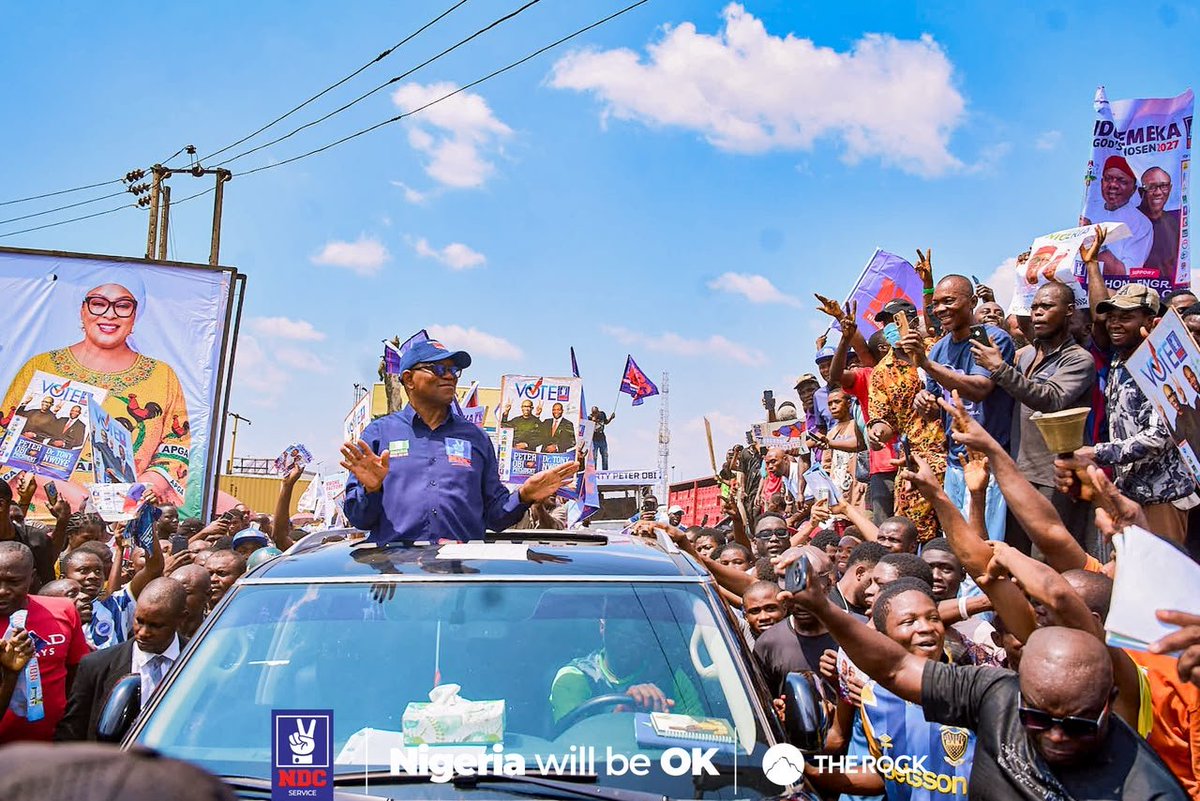
We then travelled through Head Bridge, Ochanja, and Main Market, engaging with workers, traders, drivers, and other hardworking Nigerians who are striving to earn a living despite the challenging economic conditions affecting the country.
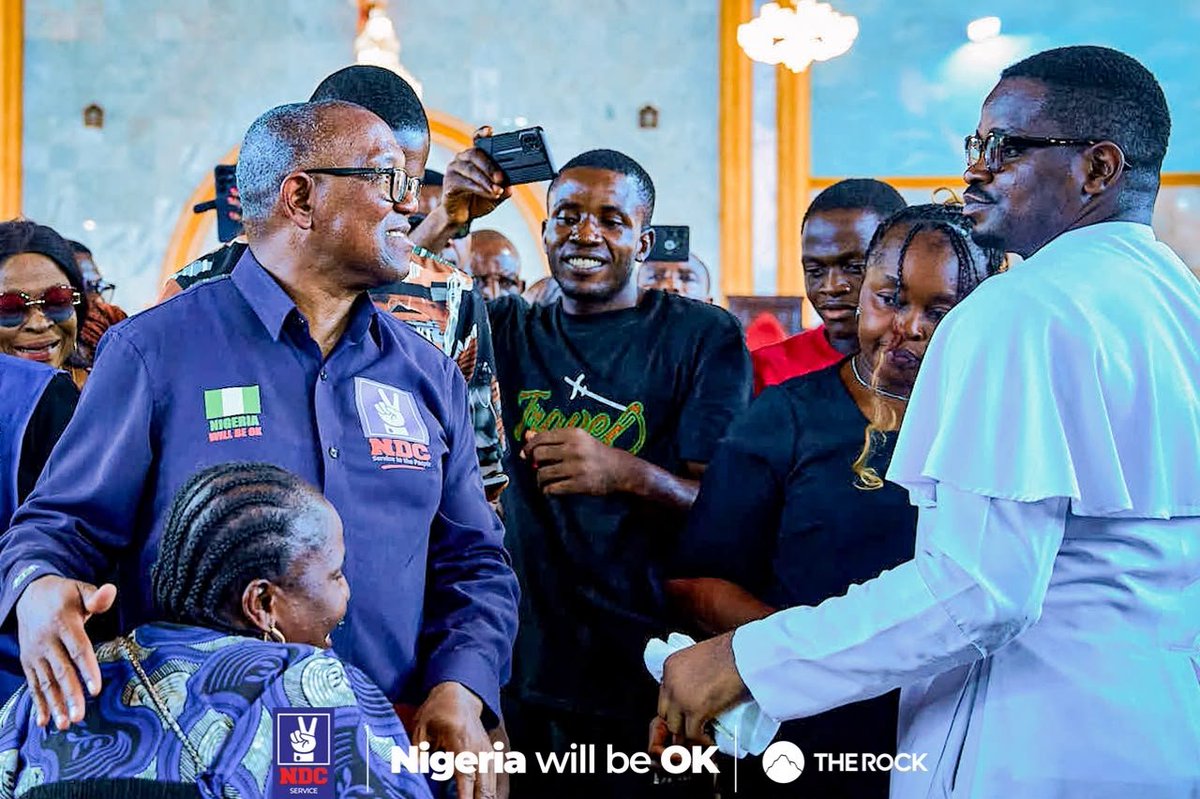
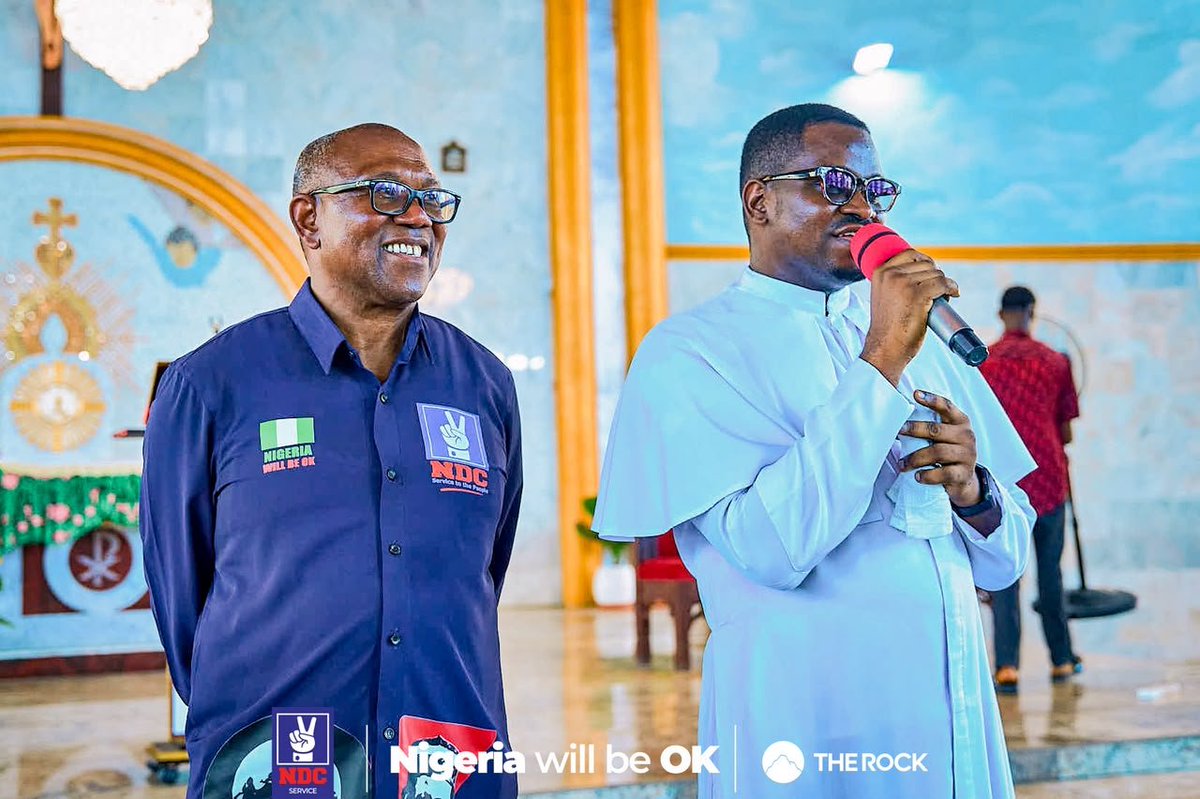
At the Archbishop C. J. Patterson International Auditorium Complex, Onitsha, where our town hall meeting took place, I reaffirmed the commitment of His Excellency, Senator Rabiu Musa Kwankwaso, and me to promoting national unity and taking decisive action to address the insecurity affecting many parts of Nigeria.
I also assured our numerous supporters and well-wishers of our determination to generate, transmit, and distribute at least 10,000MW of electricity to drive production and revive the country’s major industrial centers.
We also underscored our key priorities, especially substantial investment in education through the construction of at least 40,000 additional classrooms and the recruitment of the necessary number of teachers nationwide to tackle the problem of out-of-school children.
In the healthcare sector, we are committed to building at least 10,000 fully operational primary healthcare centers, with at least one located in every ward nationwide, thereby reinforcing the foundation of healthcare delivery in Nigeria.
These initiatives, together with other purposeful investments and policies, will contribute to our efforts to expand productive capacity and lift our people out of poverty.
I express my gratitude to the good people of Anambra State for their warm welcome and hospitality. I also commend our party leaders and members for their continued commitment and hard work in advancing the ideals of our party and engaging with our supporters.
NDC ka’ ma!
A New Nigeria is POssible, and Nigeria will be OK!
-PO
I personally don’t have any problem with anyone campaigning for Seyi Makinde. Or Atiku. That is freedom of choice. We will support our own candidate.
But for BAT? You are trying to kill me with your choice. You are a threat to me.
CHRIST THE KING COLLEGE, ONITSHA: CELEBRATING MY HERITAGE AND ENCOURAGING THE NEXT GENERATION
Each year, my alma mater, Christ the King College (CKC), Onitsha, invites me to its celebration of the Feast of Christ the King, scheduled for this Sunday, November 22. Although my demanding campaign schedule will prevent me from attending this year's ceremony, I made a brief visit to the school today while on my way to engage with traders and residents of Onitsha.
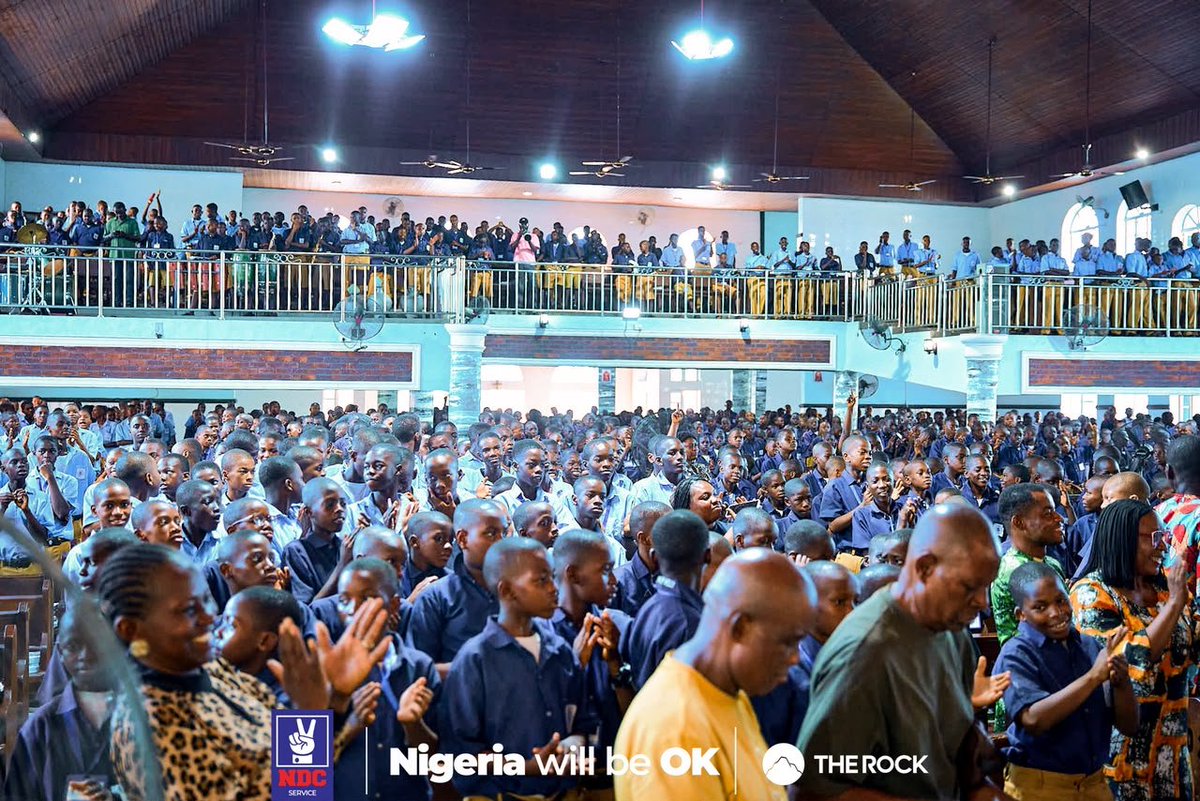
It was a warm and memorable visit, and I was graciously received by the School Administrator and Senior Prefect. In my interaction with the students, I emphasised the importance of education, urged them to remain focused and dedicated, and reminded them that Nigeria's future President could emerge from among them.
I also inspected the newly constructed Teachers' House, a project I facilitated with the support of friends to strengthen the school's teaching and learning environment.
CKC remains an enduring part of my life's journey, having shaped my values, discipline and sense of responsibility. I remain grateful for this lasting bond.
Wherever life takes us, the values of our alma mater remain with us. CKC will forever be home. -PO
NIGERIANS, GO AND VERIFY (6)
SECURING LIVES AND PROPERTY: PARTNERSHIP WITH SECURITY AGENCIES
Peter Obi
In the preceding instalments, I explained how we approached governance under the Anambra Integrated Development Strategy (ANIDS), beginning with strengthening state institutions and investing in education and other critical sectors. Our conviction was that development must rest on strong institutions, capable human beings, and a secure environment.
No meaningful development can take place where lives and property are constantly under threat. Education, commerce, investment, and other productive activities can only flourish when people feel safe. This informed our approach to security. We understood that the responsibility of protecting lives and property could not be discharged through speeches and declarations alone. It required deliberate investment, effective coordination, and sustained partnership with the security agencies.
When we assumed office, Anambra faced serious security challenges. Armed robbery, bank attacks, kidnapping, and other violent criminal activities had created an atmosphere of fear. In 2006, I personally approached the then Inspector-General of Police, Mr Sunday Gabriel Ehindero, to seek urgent intervention. Following our appeal, the police authorities constituted a special team comprising experienced officers, including the late Haruna John, Alhaji Amusa Bello, and others, to confront the security challenges in the state.
We therefore made security a major priority of our administration, recognising that government must provide both the leadership and the resources required to enable security agencies to perform their duties.
EQUIPPING THE SECURITY AGENCIES
We believed that those entrusted with protecting our people must be adequately equipped. Accordingly, our administration, using funds from the security votes, provided over 600 patrol vehicles to various security agencies, including the Police, Army, Civil Defence, Customs, Immigration, NDLEA, Road Safety, Prisons, SSS, Navy, and community vigilante organisations.
Our support went beyond vehicles. We provided Armoured Personnel Carriers (APCs), armoured Hilux patrol vans, communication gadgets, repeater and linker stations, base stations, mobile vehicular radios, walkie-talkies, generators, and other logistical requirements. We also used the same security votes to provide financial support for their operations, including fuel, weekly allowances, and other essential needs of security personnel.
We paid particular attention to community security because we understood that effective policing must have a strong local presence. Again, using funds from the security votes, we provided billions of naira to the 177 communities in Anambra State to strengthen security in their respective areas. We directed traditional rulers and town union presidents to establish vigilante groups under police supervision, with the police providing uniforms for proper identification. We also contributed towards the payment of their salaries.
Additionally, we provided 250 patrol vehicles to communities across Anambra State. These vehicles were manufactured by Innoson Vehicle Manufacturing Company in Nnewi. Some towns received more than one, depending on their size and security needs. This initiative was also extended to universities and other large institutions in the state.
We also recognised that markets were particularly vulnerable because of the volume of commercial activities and the large number of people who visited them daily. Thus, in March 2014, we presented security vehicles to major markets in Onitsha and its environs. The beneficiaries included Bridge Head Market, Ogboefere Market, Building Materials Market, Ogidi, Onitsha Main Market, Marine Modern Market, Ogbaru Main Market, Ose Okwodu Market, Electronics Market, and the Amalgamated Market Traders Association.