@claw_tr أولًا، كريستي أسلوبها مختلف جدًا ونوع كتاباتها يختلف عن نجيب محفوظ والأسامي اللي ذكرها، وأخف مما يخليها تتنشر بسرعة، فيها عوامل كثيرة غير الاستعمار. عندنا أسامة المسلم ومنتشر بس هو برضو ضد كتاباته. الاستعمار مثلا لو ماتنباع عندنا هالكتب أو ممنوعة أو محد بتكلم عنها
هل الروائية الإنجليزية أغاثا كريستي، مثلاً، أفضل من نجيب محفوظ أو الطيب صالح أو إبراهيم نصر الله؟ الواقع أن كثيراً من الكتاب الإنجليز والفرنسيين خدمهم انتشار لغاتهم ودور النشر الكبرى وهيمنة الاستعمار وتواطؤ حكومات محلية خدمت الاستعمار طوال فترات الهيمنة.
«لقد أحب الفلانيرز أن يتركوا للسلاحف تحديد ايقاعهم. ولو سارت الأمور كما أرادوا، لكان على التقدم أن يتكيَّف مع ذلك الإيقاع. غير أن هذا الموقف لم يسود؛ تايلور، الذي نشر شعار ‹تسقط اللكاعة›، هو من انتصر في النهاية.»
In 1968, when computers were still seen as cold calculating machines, Jasia Reichardt curated an extraordinary exhibition in London called Cybernetic Serendipity. Artists, engineers, poets and scientists came together to explore the creative possibilities at the intersection of art and technology.The result was something remarkably ahead of its time. If you're curious about the early days of the relationship between computers and art, the catalogue is essential reading. The catalogue from Cybernetic Serendipity is filled with ideas, experiments and reflections that feel surprisingly relevant in our current AI era. You can read the full PDF for free here:
https://t.co/Kon6XD8ayE Highly recommended! Take your time with it. thanks @monalisa for the tip!
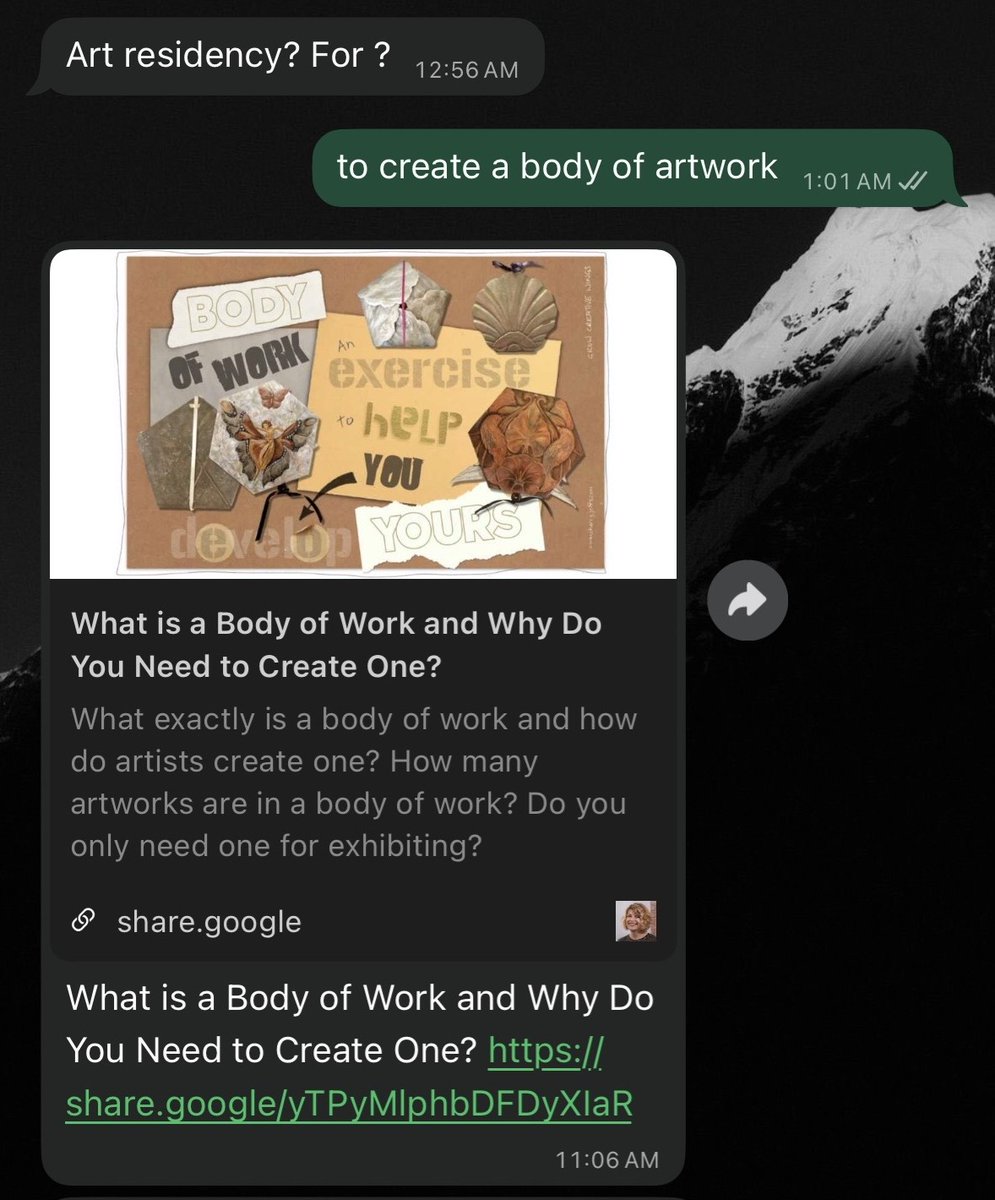
I was cleaning up my unread WhatsApp messages and found this. I really need to stop joking with people who aren’t in the art field. this is so mean and funny 😭
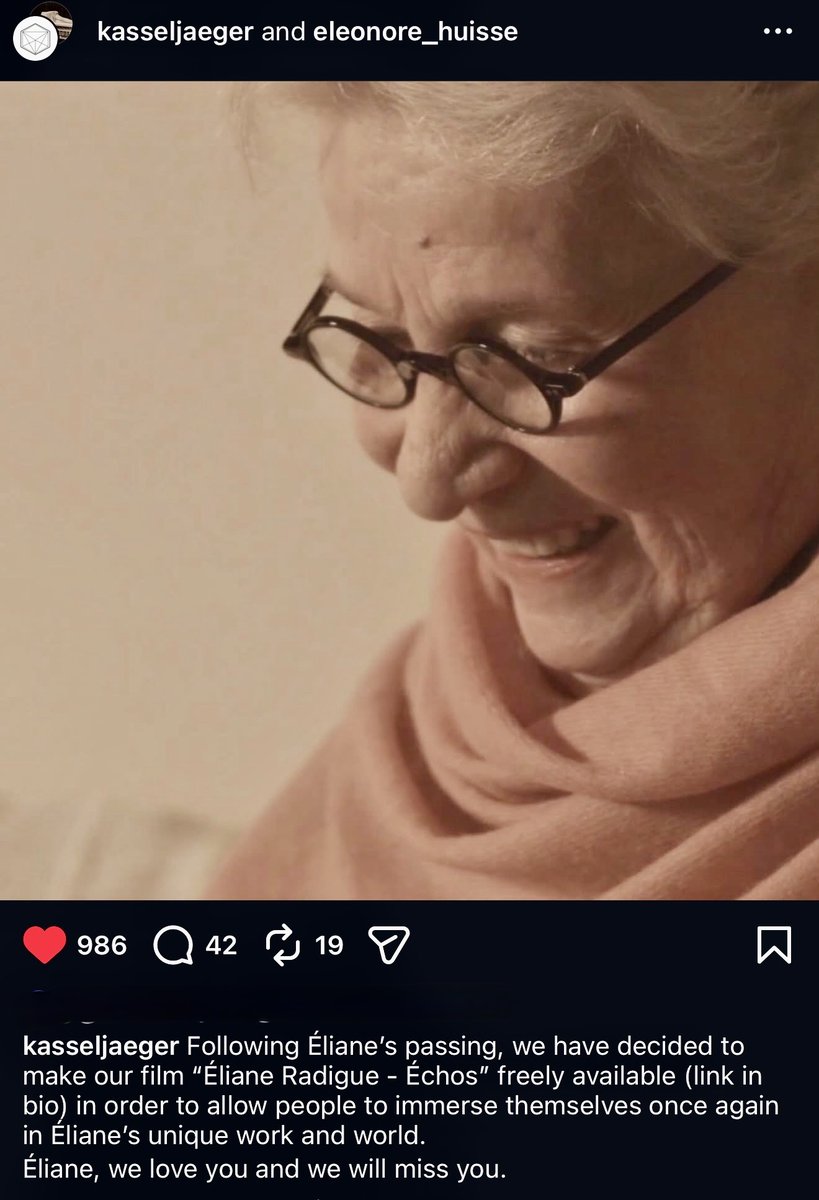
wanted to share here that upon Éliane’s passing, the filmmakers Eléonore Huisse & François Bonnet have made their beautiful portrait from 2021, Éliane Radigue- Échos, available to watch freely online.
https://t.co/O5bJhPcNd8