PhilHealth is omnipresent in every Filipino’s payslip, taking money whether workers like it or not. Yet in moments of greatest need, it often feels absent.
That’s what happened in the viral case of Maria Lourdes Sulit. Her husband Marvin contributed for over 25 years. When he died of a brain hematoma, PhilHealth declined to cover their nearly ₱200,000 hospital bill.
The reason: a technicality. He was confined for less than 24 hours. Under PhilHealth Circular No. 2020-0007, inpatient benefits require a 24-hour stay. But Circular No. 2025-0020 allows outpatient emergency benefits in cases ending in death within 24 hours. So which is it, then?
Sulit’s case is yet another crack in a system already under strain.
PhilHealth is mandatory under the Universal Health Care Law. Every Filipino is automatically enrolled, meaning every worker is required to contribute—regardless of income, preference, or private coverage.
And that has long been a point of frustration. Ask any tito, tita, tropa, or kakilala, and a familiar story emerges: PhilHealth often covers only a fraction of the bill. Families still shoulder significant out-of-pocket expenses.
Then come the administrative failures: the delays, the waiting, the stress on top of the hospitalization stresses.
Private health maintenance organizations help fill some of the gap. But even they can only do so much, often still leaving families exposed to catastrophic expenses that the public system is supposed to cushion.
And then, there’s the issue that refuses to go away: corruption.
PhilHealth has been repeatedly drawn into controversies involving anomalous claims, questionable reimbursements, and fund management issues that have reached Congress and the courts.
The latest one involved around ₱60 billion in excess funds—transferred to the national treasury. The Supreme Court later ruled that it’s unconstitutional, questioning whether health funds were being redirected away from their intended purpose.
The money has since been restored to PhilHealth, but its image isn’t getting any better. To many, it remains an agency that collects mandatory contributions, yet Filipinos don't get what they pay for.
Calls to abolish PhilHealth continue to surface. Let Filipinos keep their money. Rely on private insurance or personal means instead.
It’s understandable—especially in cases like Sulit’s—but abolition without replacement risks dismantling the country’s only nationwide health risk pool.
For all its flaws, PhilHealth remains the only attempt at universal coverage at scale. Removing it wouldn’t erase the need for protection.
So the real issue is not just whether to abolish PhilHealth, but what must replace or radically reform it.
Our Asian neighbors have made clearer choices. Thailand funds universal healthcare through general taxation, allowing patients to access care with minimal or no out-of-pocket costs. Malaysia heavily subsidizes public hospitals, keeping treatment affordable and predictable. South Korea operates a hybrid system where mandatory contributions are matched with reliable, structured coverage at the point of care.
The Philippines remains stuck in between: compulsory contributions without guaranteed protection, universal enrollment without universal certainty.
Now, the question is no longer whether PhilHealth should exist. Can it continue in its current form when the gap between contribution and protection remains this wide?
Can Filipinos still afford to pay premiums to a system they cannot rely on in a life-and-death situation?
Otherwise, PhilHealth only gives Filipinos hell.
📰 #GOT7’s #Youngjae Rebuts Dream High Production Company’s Claims: “No agreement was made on when payment would be made”
Youngjae’s agency, AndBut Company, released an official statement:
Hello.
This is AndBut Company.
We would like to state our position regarding the issue of unpaid appearance fees for the musical Dream High Season 2.
Recently, the other party stated that they had “reached an amicable agreement with GOT7 Youngjae’s side to complete settlement of the remaining unpaid fees within June.”
However, we have never discussed or finalized a repayment schedule setting the payment of the outstanding appearance fees for the end of June.
While the other party verbally stated that they would prepare and submit a repayment plan, they had already provided a repayment plan at the end of last year, and the timeline outlined in that plan was not followed. As such, we do not believe that the submission of another repayment plan is enough to sufficiently demonstrate either a sincere intention to repay the debt or the ability to fulfill that obligation.
Our company places the highest priority on protecting the rights and interests of our artist, and we are carefully reviewing both the developments of this matter to date and whether the promised obligations have actually been fulfilled.
In addition, we are continuing to pursue the necessary legal procedures related to this issue.
Thank you.
AndBut Company
Tignan: Trump, pinag re resign ng mga DDS sa New York. Sara pinatatakbong presidente ng USA.
“Ayaw nyo kay Sara sa Pilipinas, dito nalang sya sa amin sa New York - DDS supporter”
Privilege is having all the clues handed to you and still not knowing the answer because you never had to pay attention in the first place. The ICC and its headquarters have been widely discussed in Philippine news for years. That’s what privilege looks like.




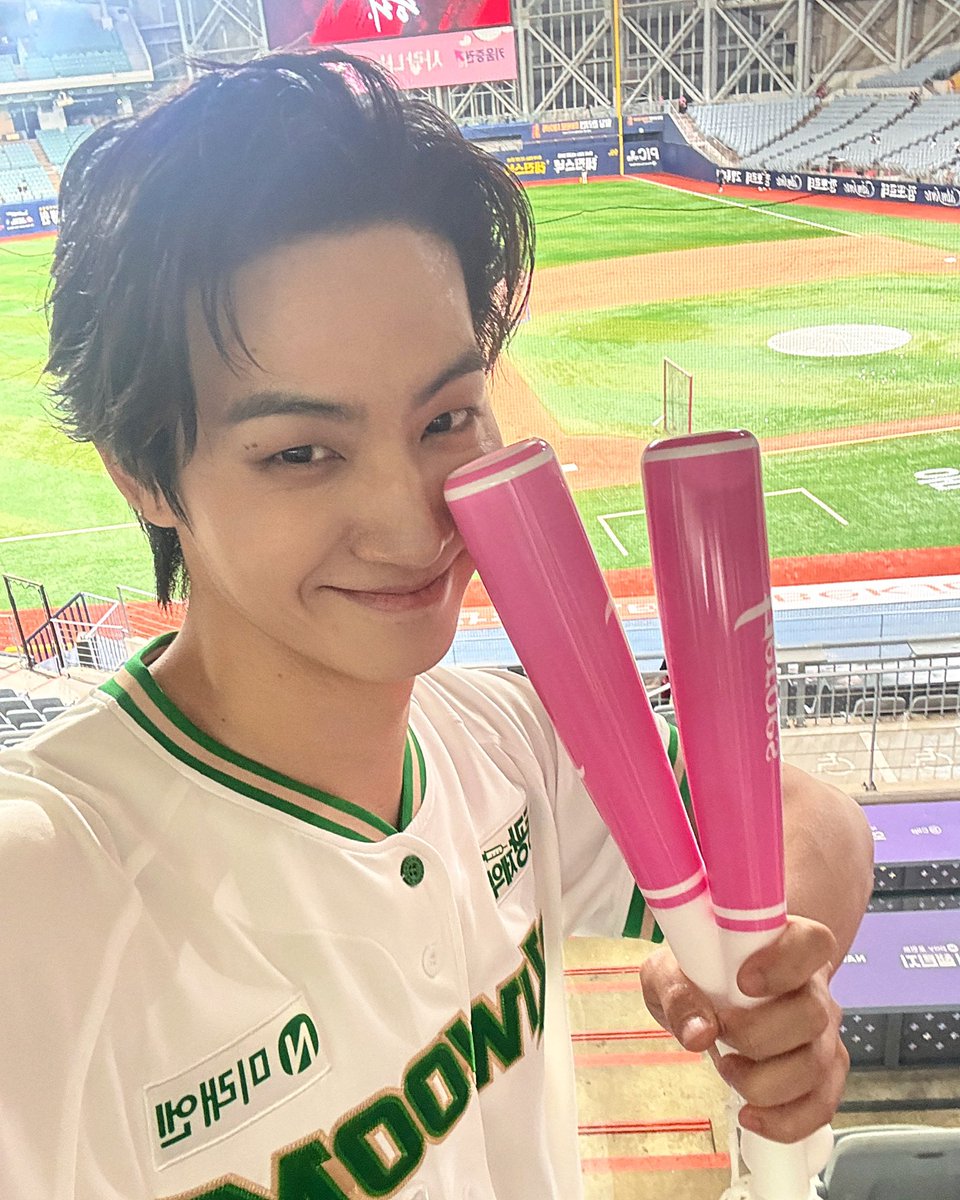
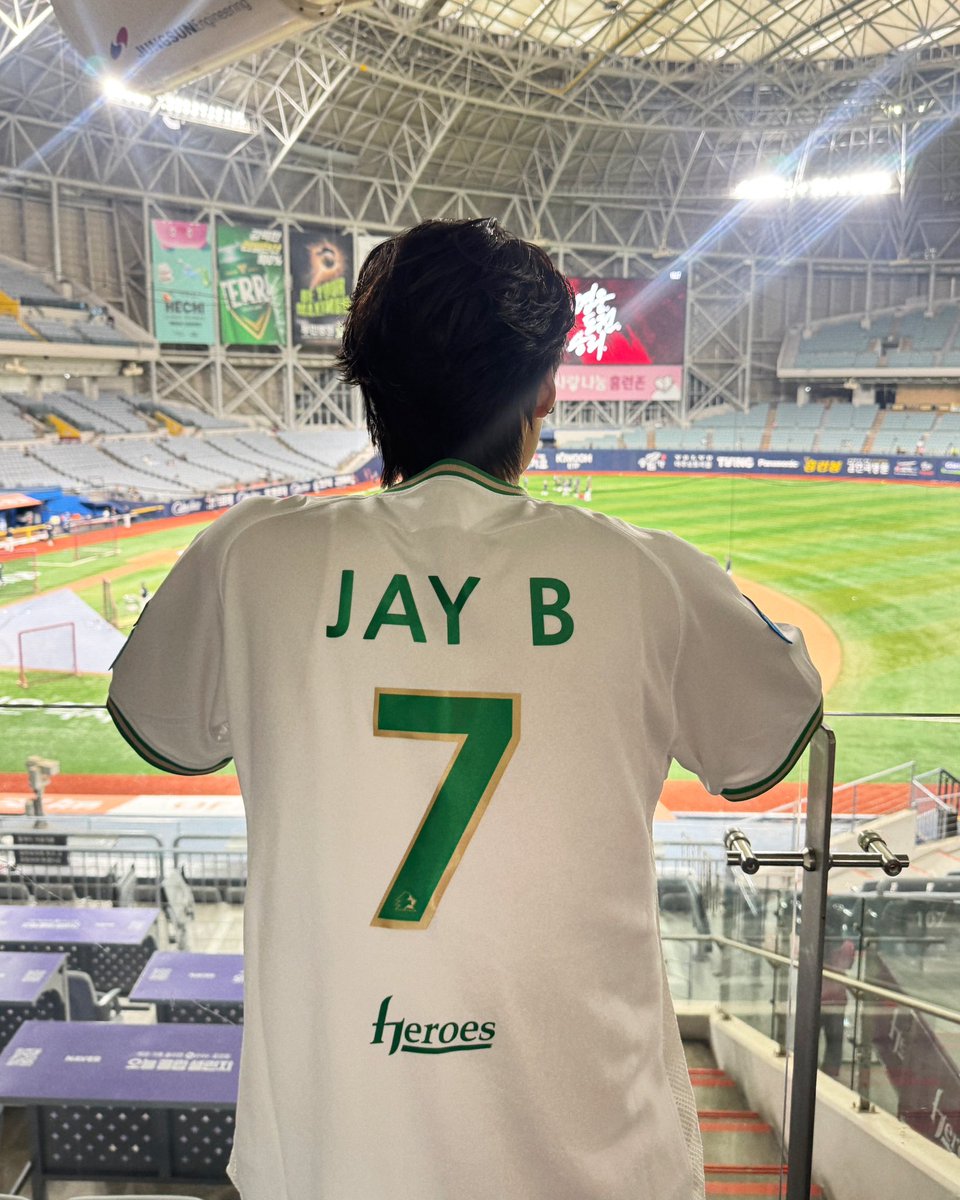


![Whisper_922's tweet photo. [HQ] 260524 BDM Fansign
😎
#진영 #박진영 #JINYOUNG #EVERLOVE
@JINYOUNG https://t.co/u5rQu6dUp2](https://pbs.twimg.com/media/HKSzaE5bcAA3_4H.jpg)
![Whisper_922's tweet photo. [HQ] 260524 BDM Fansign
😎
#진영 #박진영 #JINYOUNG #EVERLOVE
@JINYOUNG https://t.co/u5rQu6dUp2](https://pbs.twimg.com/media/HKSzaE4agAAZilF.jpg)
![Whisper_922's tweet photo. [HQ] 260524 BDM Fansign
😎
#진영 #박진영 #JINYOUNG #EVERLOVE
@JINYOUNG https://t.co/u5rQu6dUp2](https://pbs.twimg.com/media/HKSzaE0bIAAmTgq.jpg)





