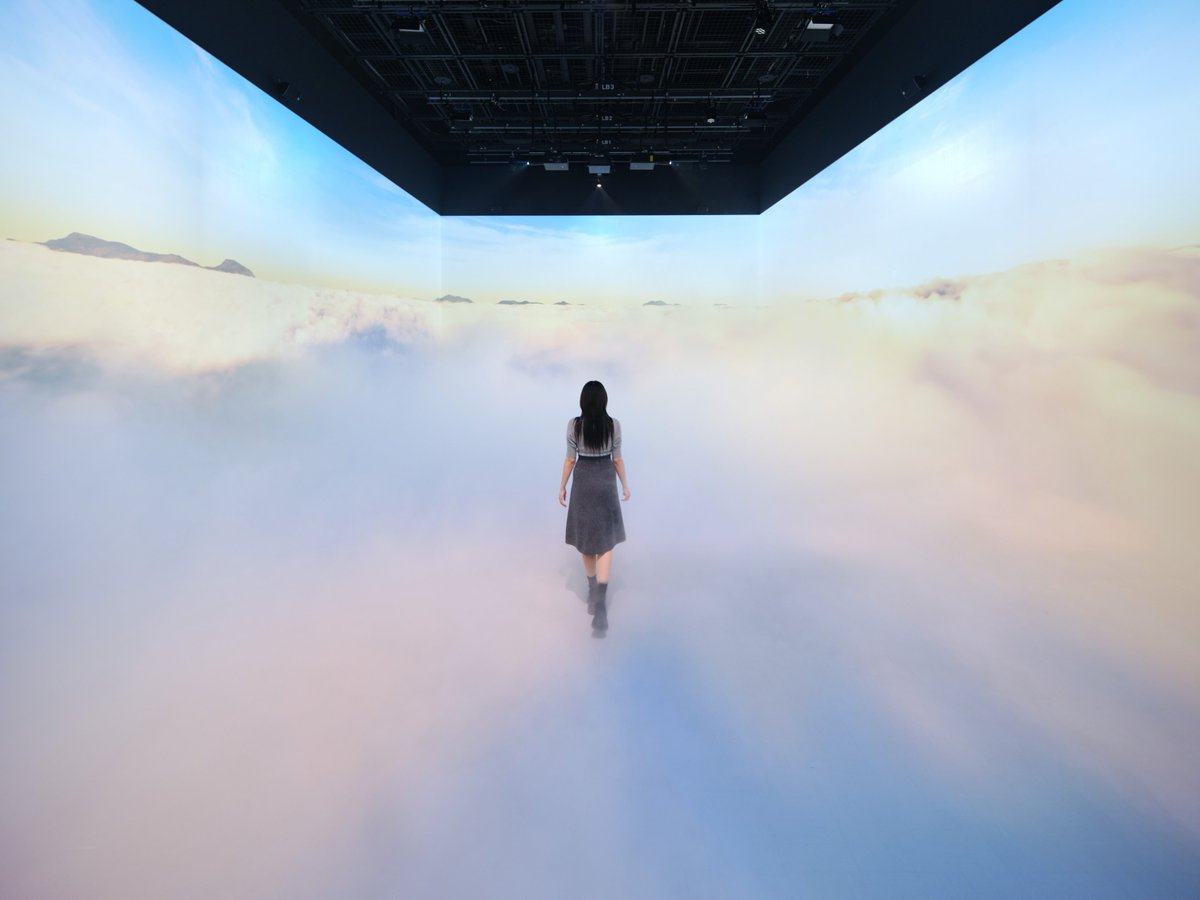
4D Gaussian Splatting helps solve specific creative challenges. And since the challenges vary, it has to be flexible.
We can optimize 4DGS content to be streamable (up to 125K splats/frame), headset-ready (200–300K splats/frame), or VFX-ready (up to 1M splats/frame).
Same capture, different outputs.
Depth Anything V2 is a total beast for real-time 3D.
Built a website that hits 30fps+ depth reconstructions from a single camera feed, extruding 12k voxels via WebGPU. Pure ML running local Vision Transformers with Three.js and zero backend lag.
Lmk in the comments if you want a copy! 🙌
Experience and music made with AI in @omma_ai (tool by @splinetool).
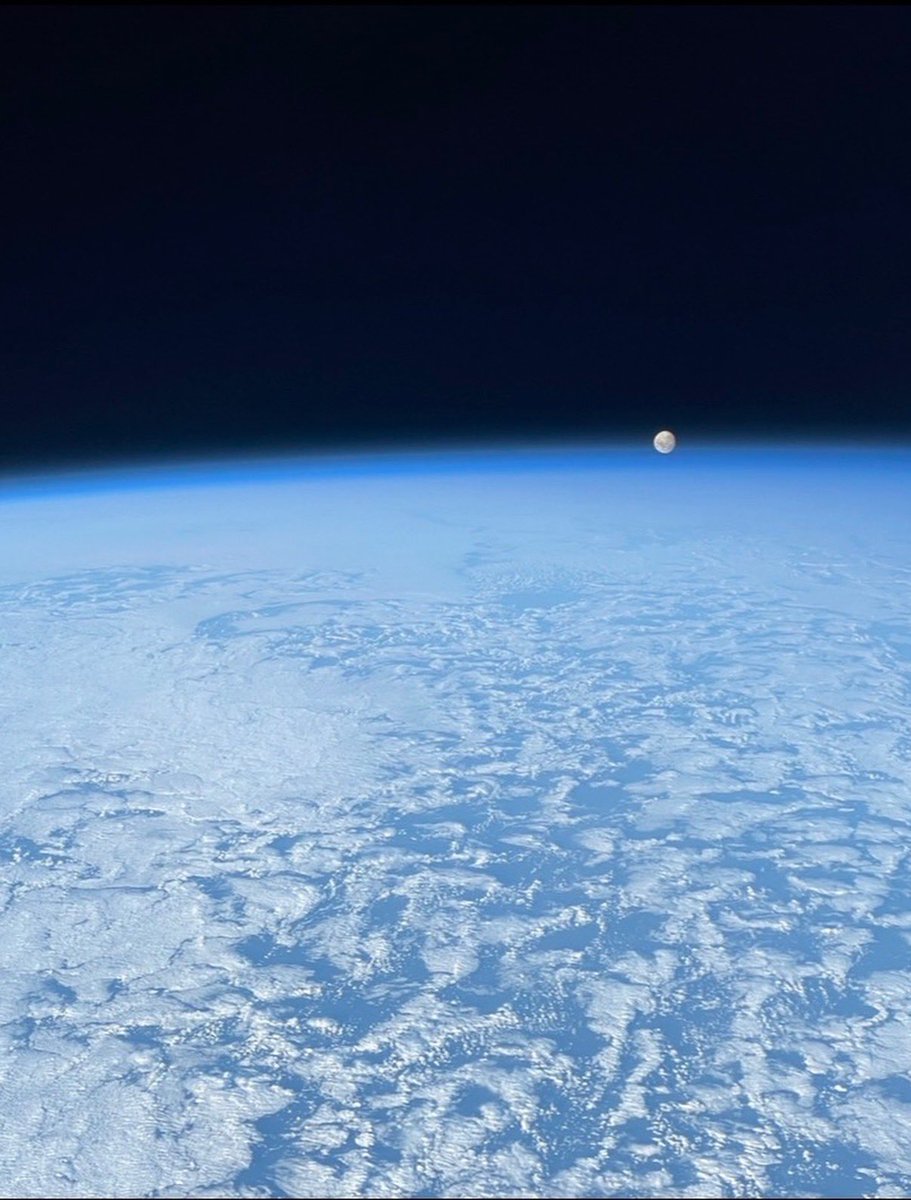
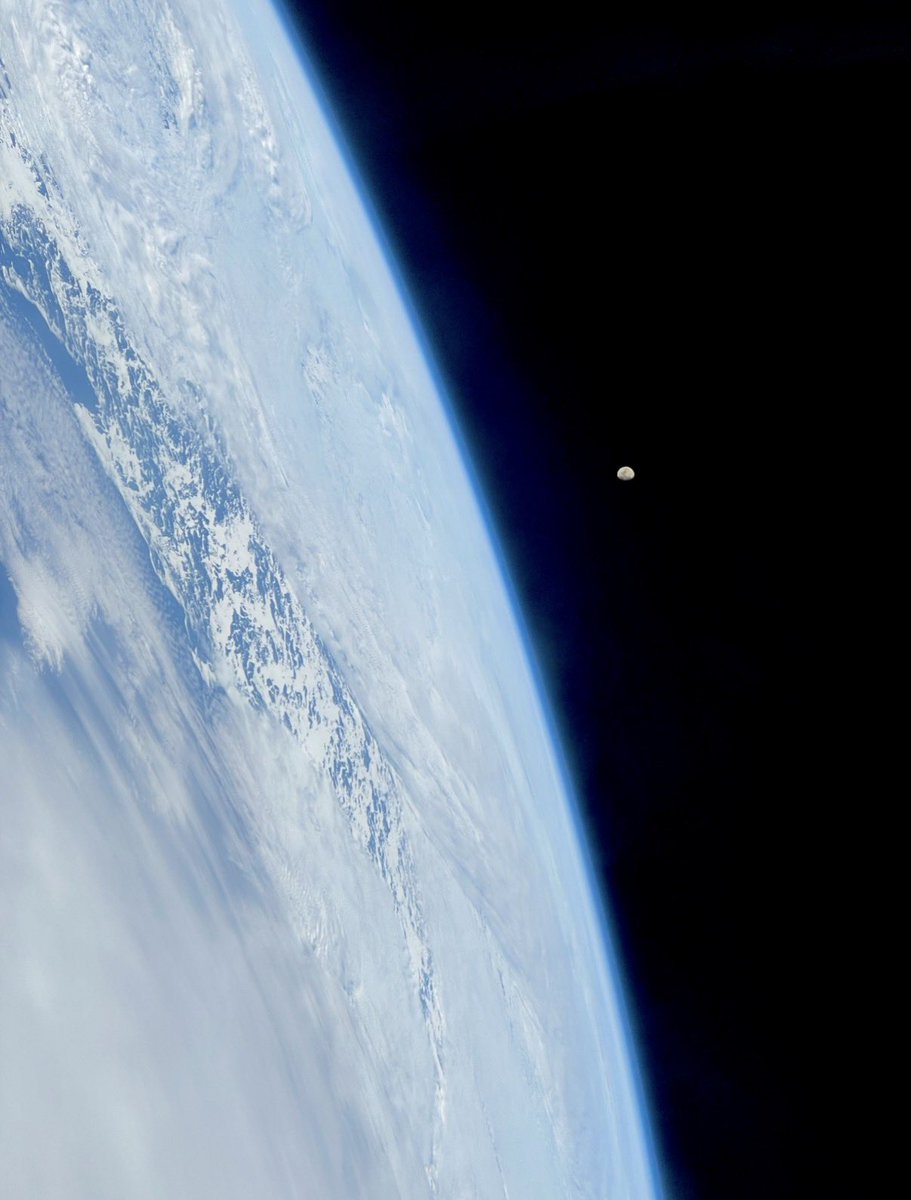
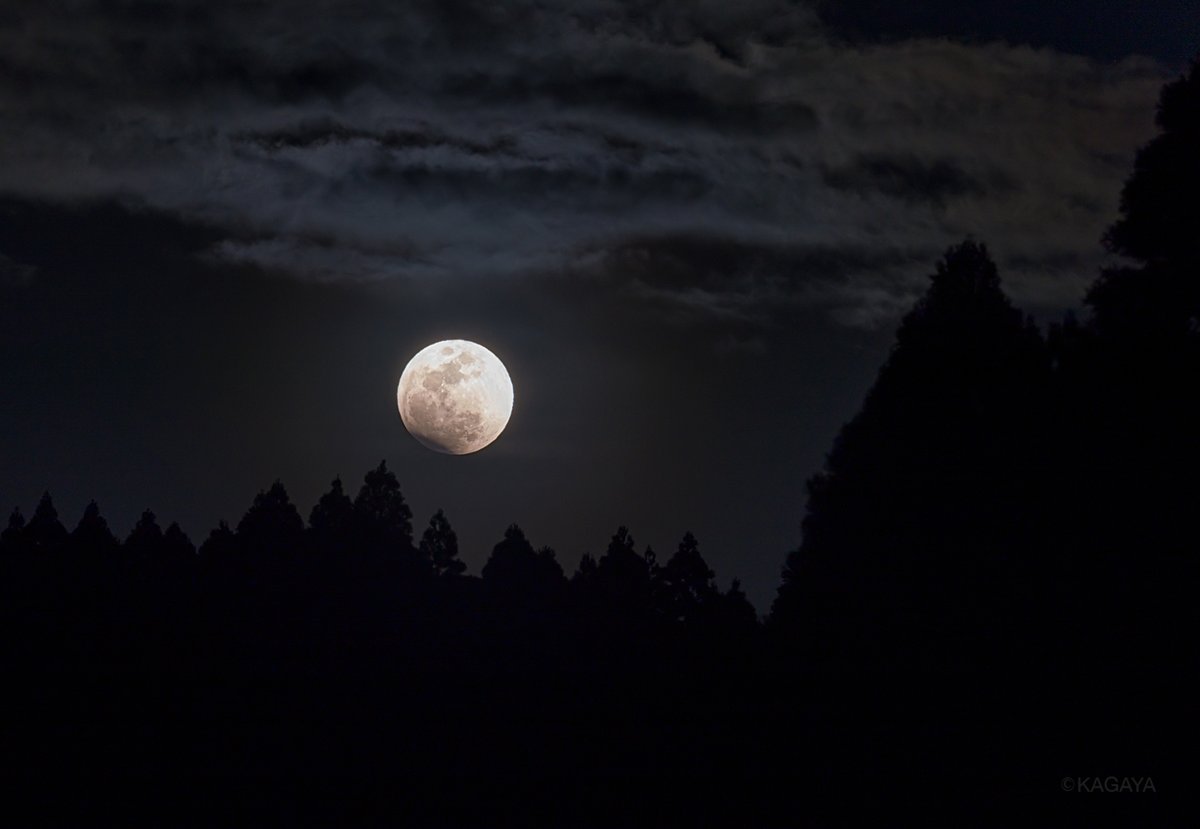
Sharing photos I took of the moon in honor of Artemis II. Their pics will be significantly more impressive, but I truly loved seeing the moon from orbit
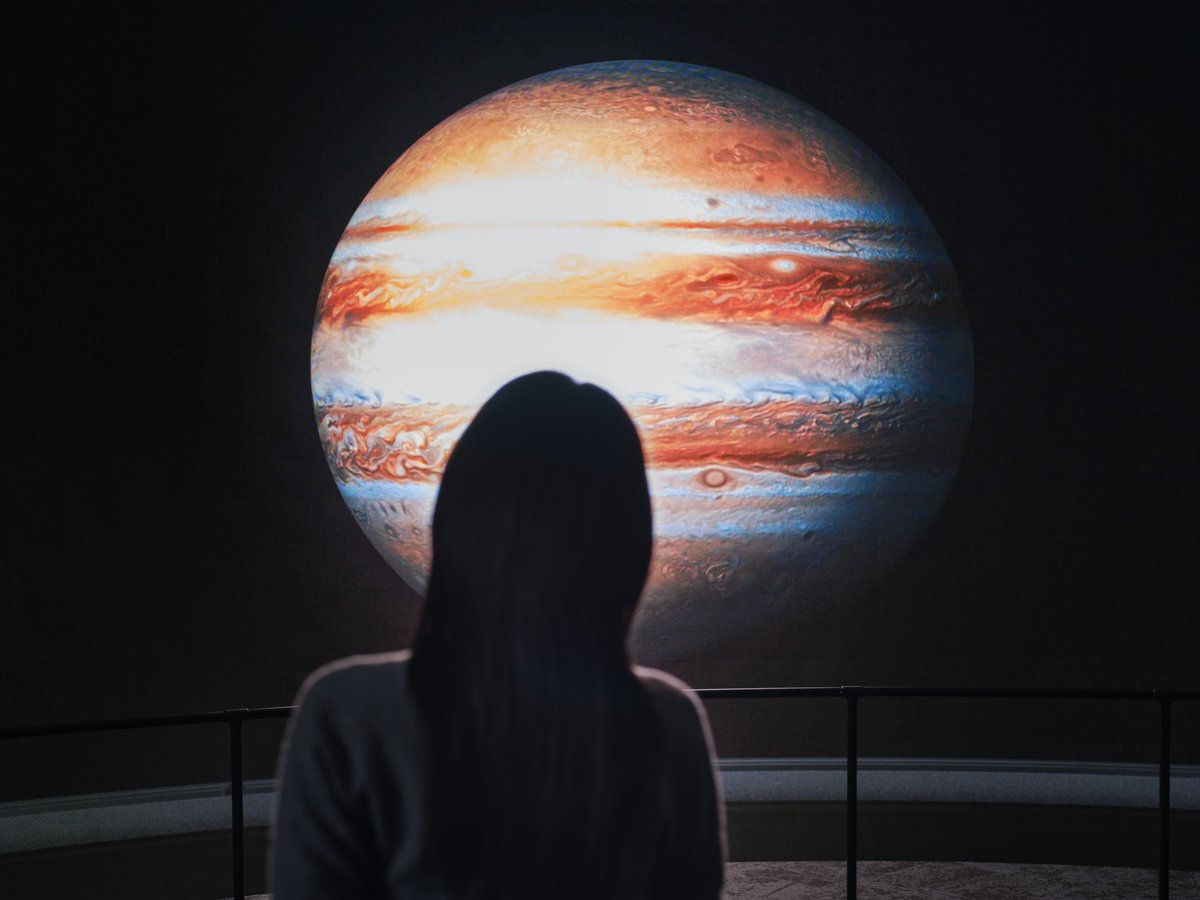
Today we're introducing TRIBE v2 (Trimodal Brain Encoder), a foundation model trained to predict how the human brain responds to almost any sight or sound.
Building on our Algonauts 2025 award-winning architecture, TRIBE v2 draws on 500+ hours of fMRI recordings from 700+ people to create a digital twin of neural activity and enable zero-shot predictions for new subjects, languages, and tasks.
Try the demo and learn more here: https://t.co/VkMd1YpQWI
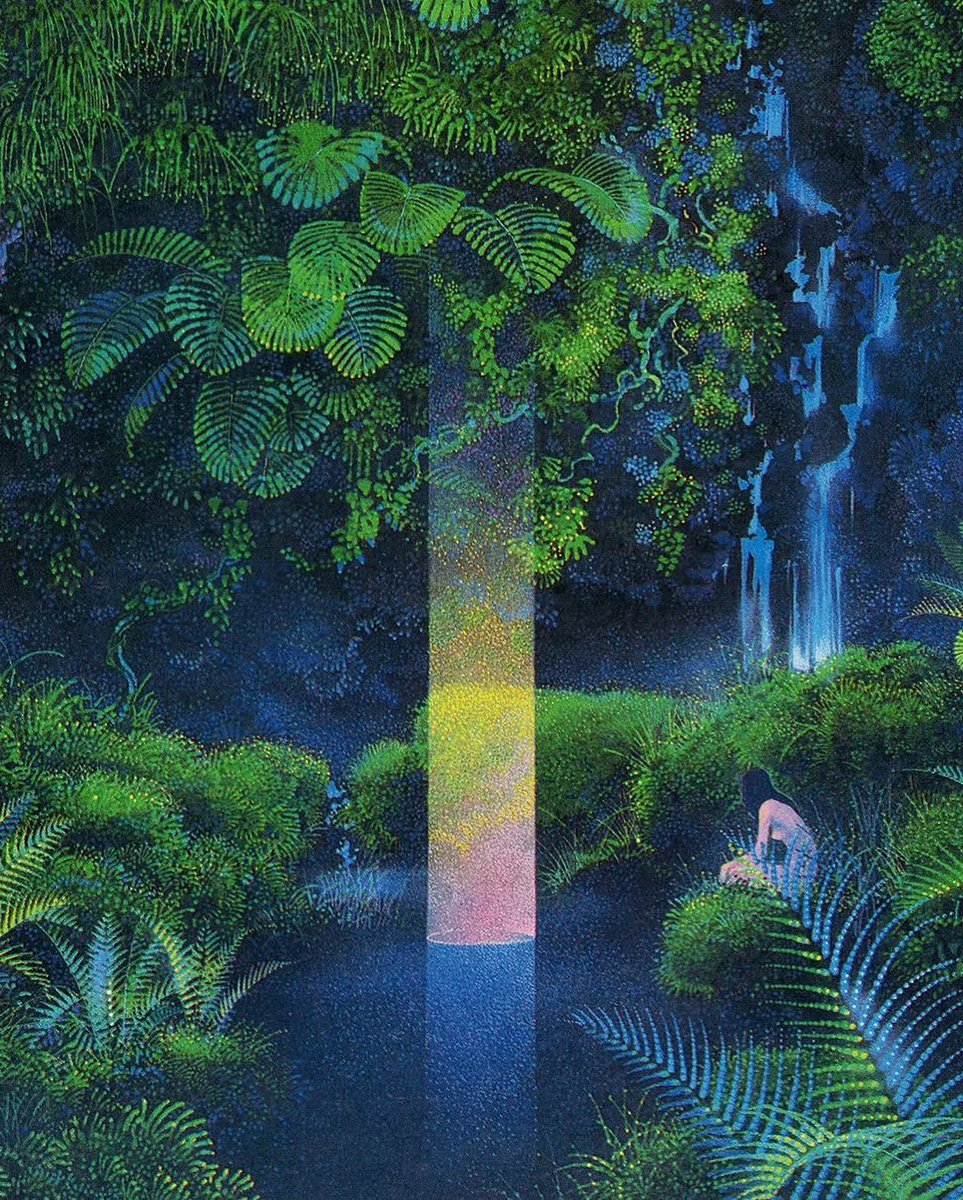
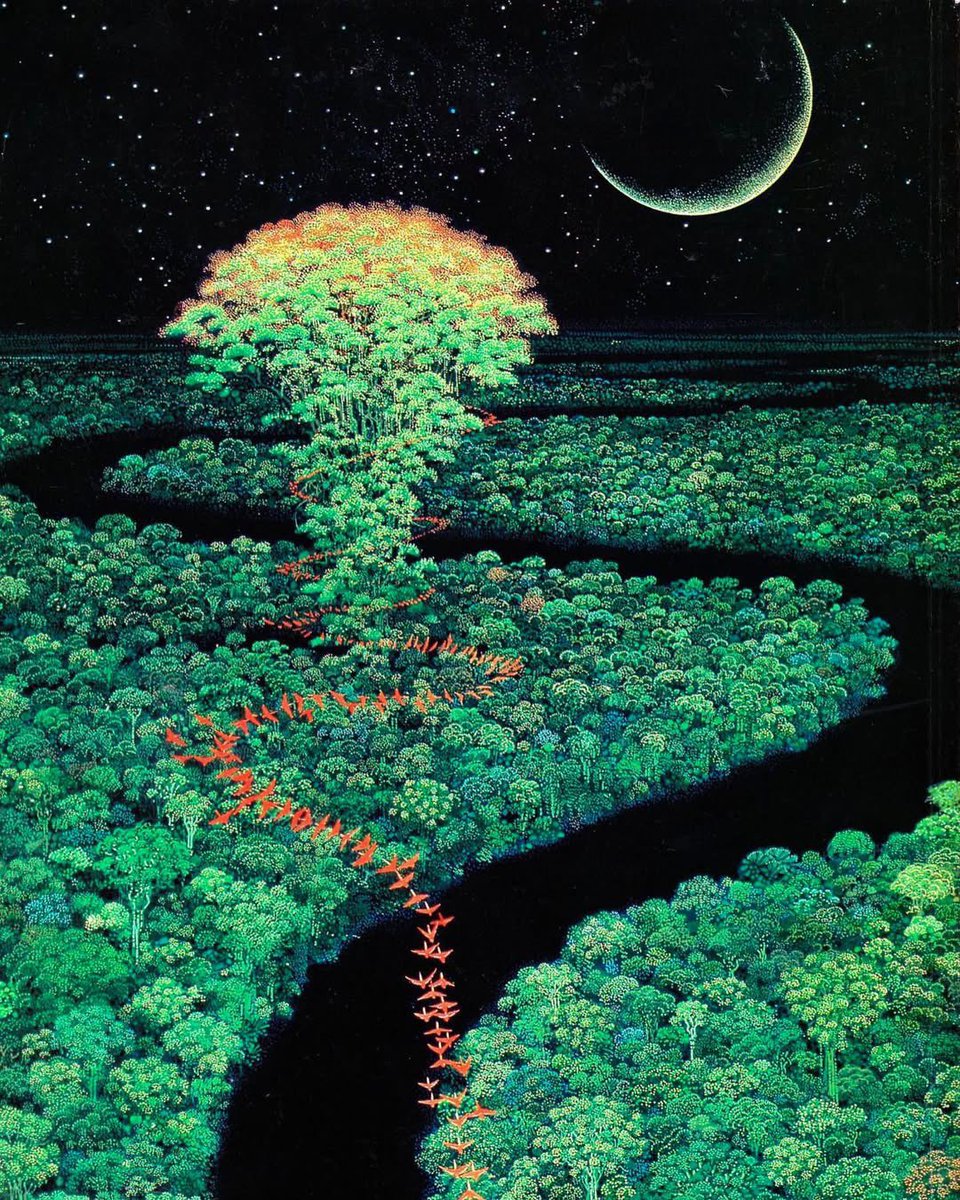
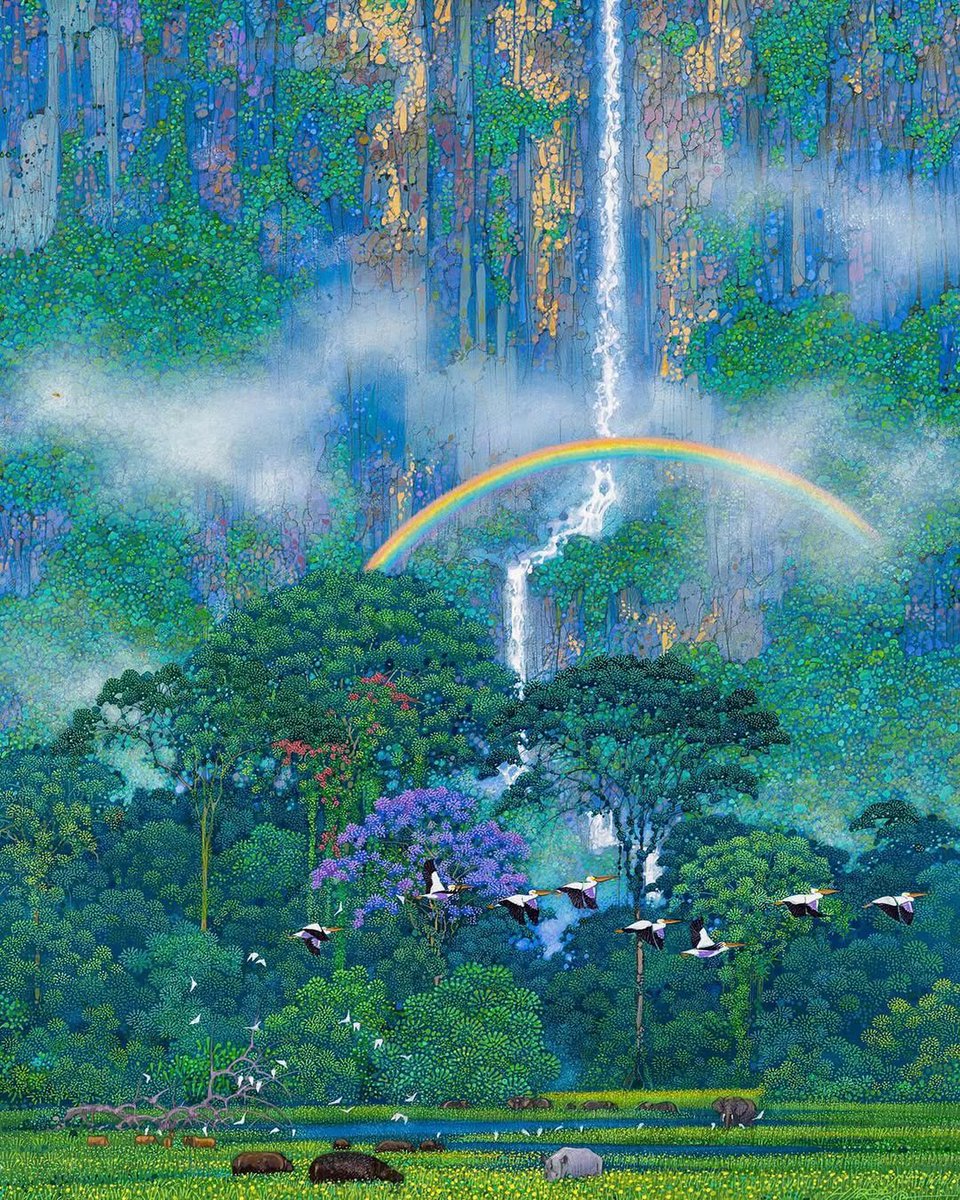
Hiroo Isono (1945–2013) was a Japanese illustrator known for his dreamlike landscapes and lush scenes of fantastical nature. His work blends elements of fantasy, science fiction, and ecology, portraying worlds where vegetation and wildlife dominate over human presence.
His highly detailed and vibrant style also left a mark on the video game world: he created promotional illustrations for Secret of Mana, the classic RPG by Square released in 1993. His images helped define the game’s magical and nature-driven atmosphere, becoming an iconic part of its visual identity. 🌿🎨
BREAKING🚨: A once-in-a-lifetime sky. 🌌
The Great Pyramids stand beneath an incredible six-planet alignment of Mercury, Venus, Saturn, Mars, Uranus, and Neptune. As if that wasn't enough, a stray meteoroid streaked through the frame just as the shutter clicked.
While the distant ice giants (Uranus and Neptune) required long-exposure photography to be pulled from the darkness, the final composite captures the full, chaotic beauty of our solar system.