Security researcher by day, vigilante hacker by night...lol, anything tweeted/retweeted here is my own opinion and not that of anyone else employer or otherwise
It is possible for hackers to capture your credentials or any sensitive information via MITM while you're browsing through unencrypted connection ( HTTP ).
Share this thread to help spread awareness. Your support could be the reason someone avoids getting scammed. It takes 2 seconds, and you might just save someone’s life savings.
@Coinbase, @DelhiPolice. Please investigate these scammers and reach out if you need more evidence.
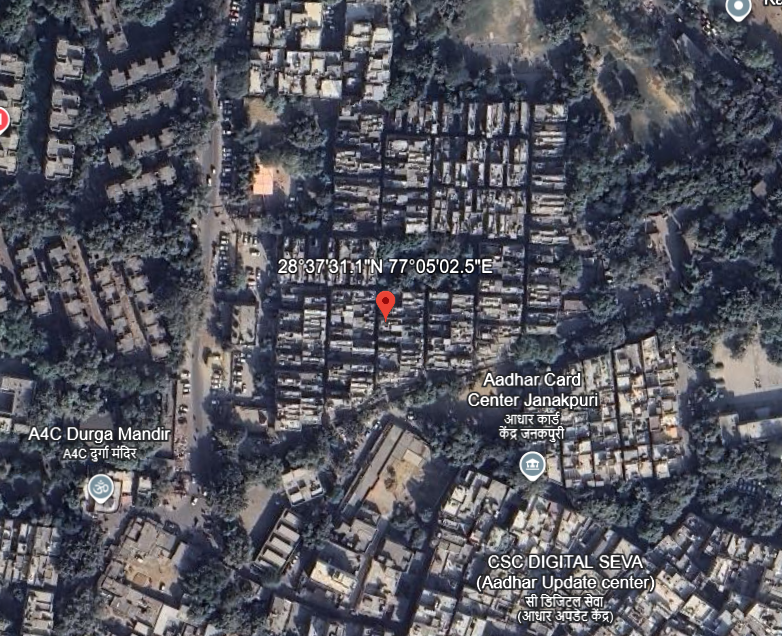
10/ This scammer is surrounded by Wi-Fi networks in and outside of his building, By using the names of the wireless networks and their signal strengths relative to the scammers' computer I can precisely triangulate his exact position/location.
(Coordinates: 28.625314,77.0840376)
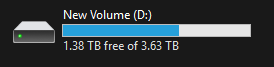
8/ I have full access to the scammers computer and hard drive. This is what I found ↓
1. Spreadsheets that contained personal details of over 100,000 thousand victims.
2. Lead lists that included full names, phone numbers, and personal email addresses.
3. Previous scam calls
7/ Now its time to turn the tables on them.
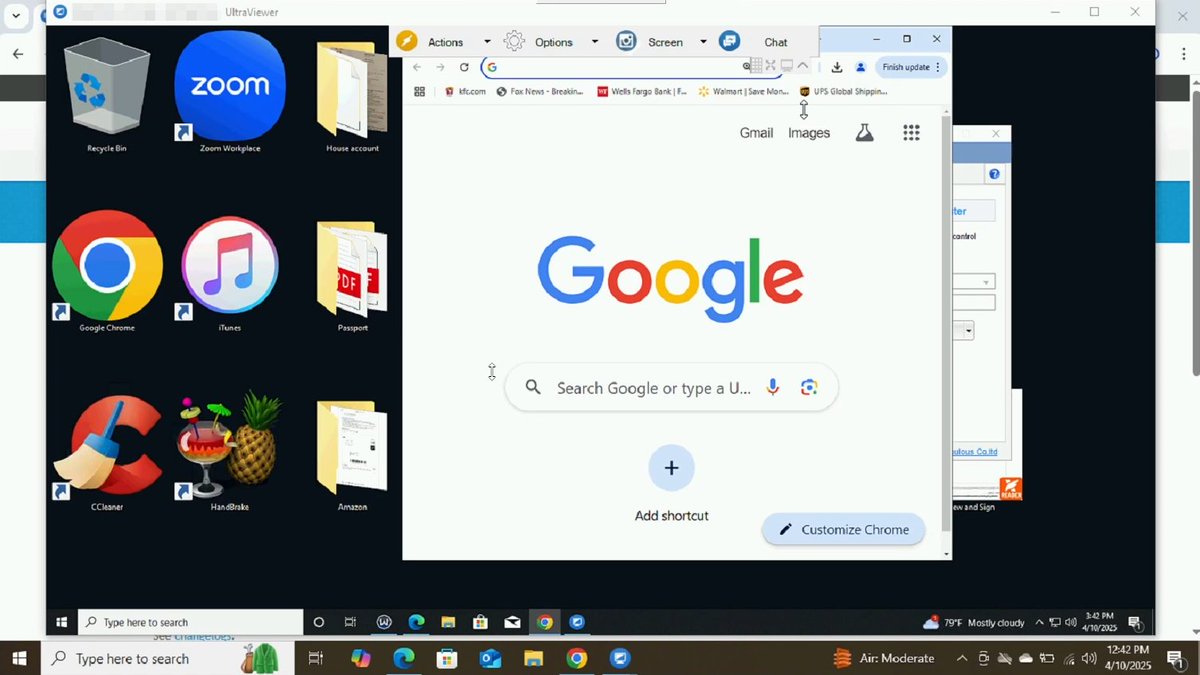
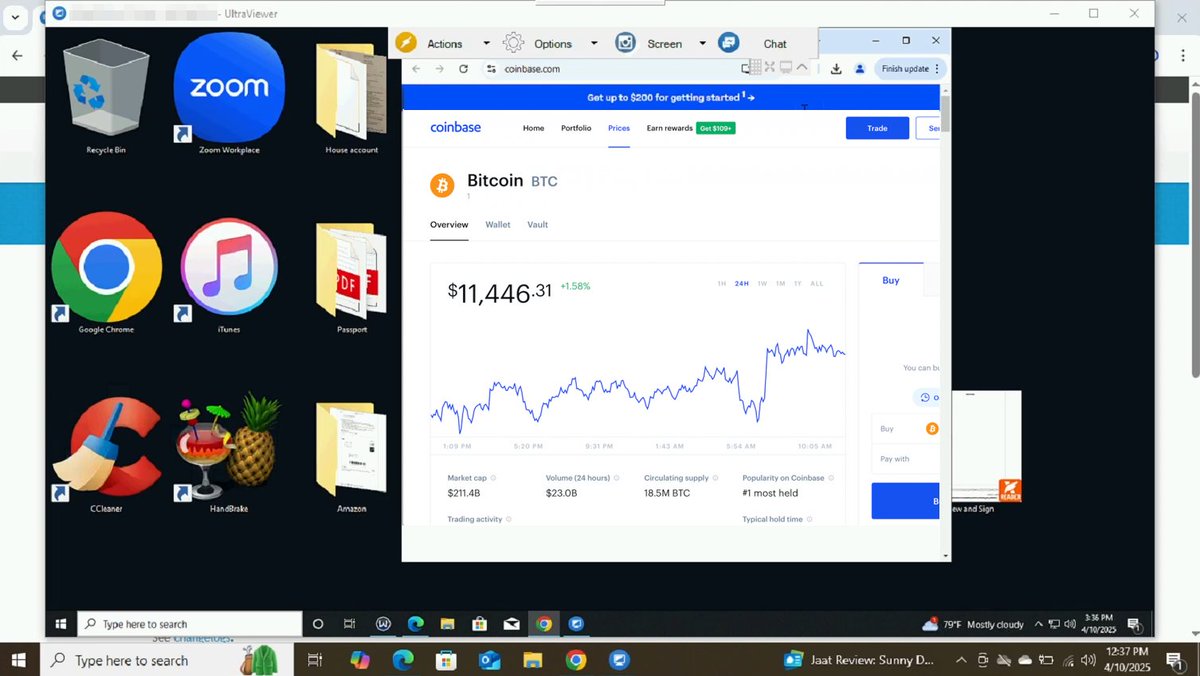
While the scammer was trying to convince me to transfer the funds to his "new secure wallet" I was secretly reversing the remote connection back to his computer. (This is the scammers computer screen)
(IP Address: 183.83.156.206)
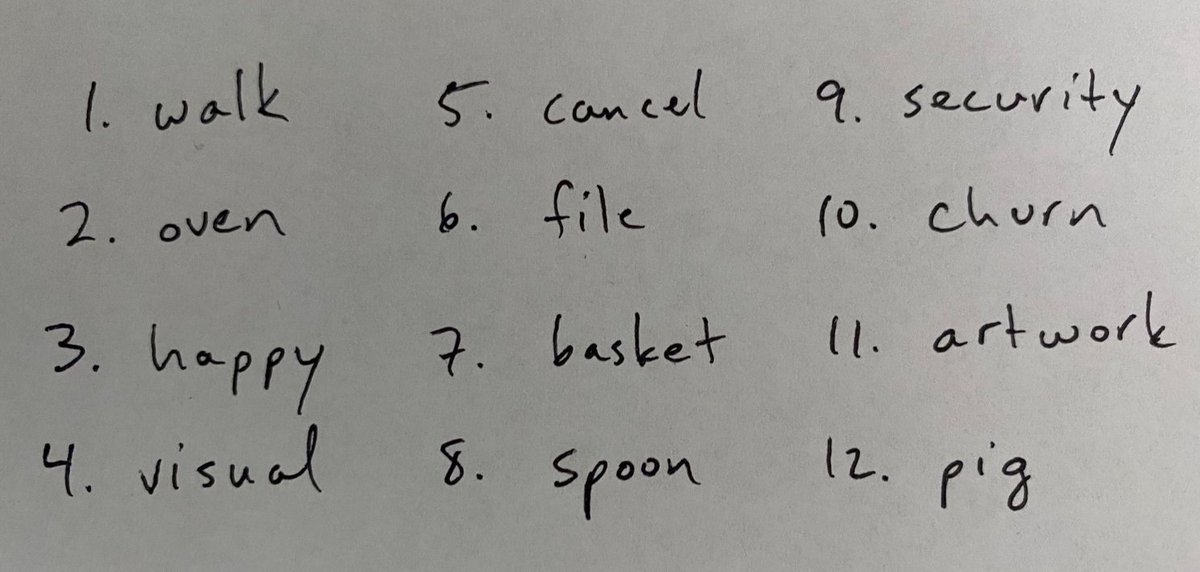
6/ Then he said "grab a pen and paper to write down your new seedphrase"
(The seedphrase is essentially the keys to the wallet)
Presumably once I send the funds to this new wallet, The scammer (who created the wallet) will steal the funds as soon as they are available.
5/ After the so called "Coinbase rep" gained full remote access to my virtual machine. I immediately showed him a fake Coinbase account.
Quote:
"All of the funds in that account are at risk of being stolen by hackers and you need to move ALL the funds to a "new secure wallet"
4/ I told the scammer I needed help installing the Coinbase wallet on my laptop.
1. The Scammer first asked me the current balance in my Coinbase account.
2. Then he made false statements about my accounts being compromised.
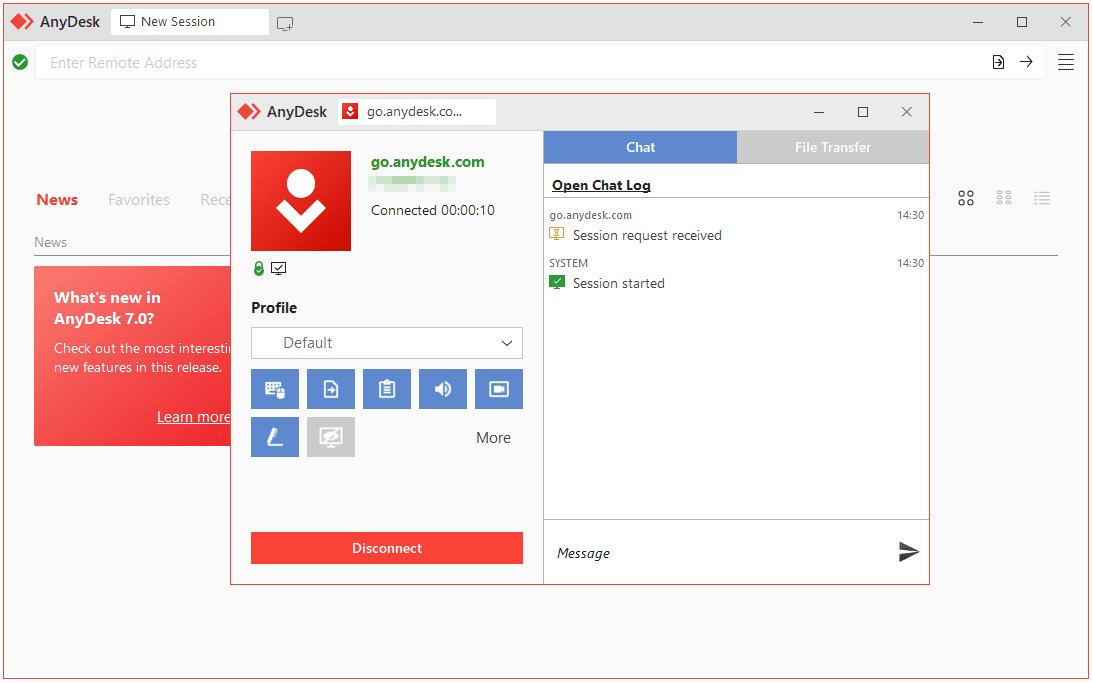
3. Finally he told me we need to connect to the “Coinbase secure server” - which is really just remote screenshare software like Anydesk.
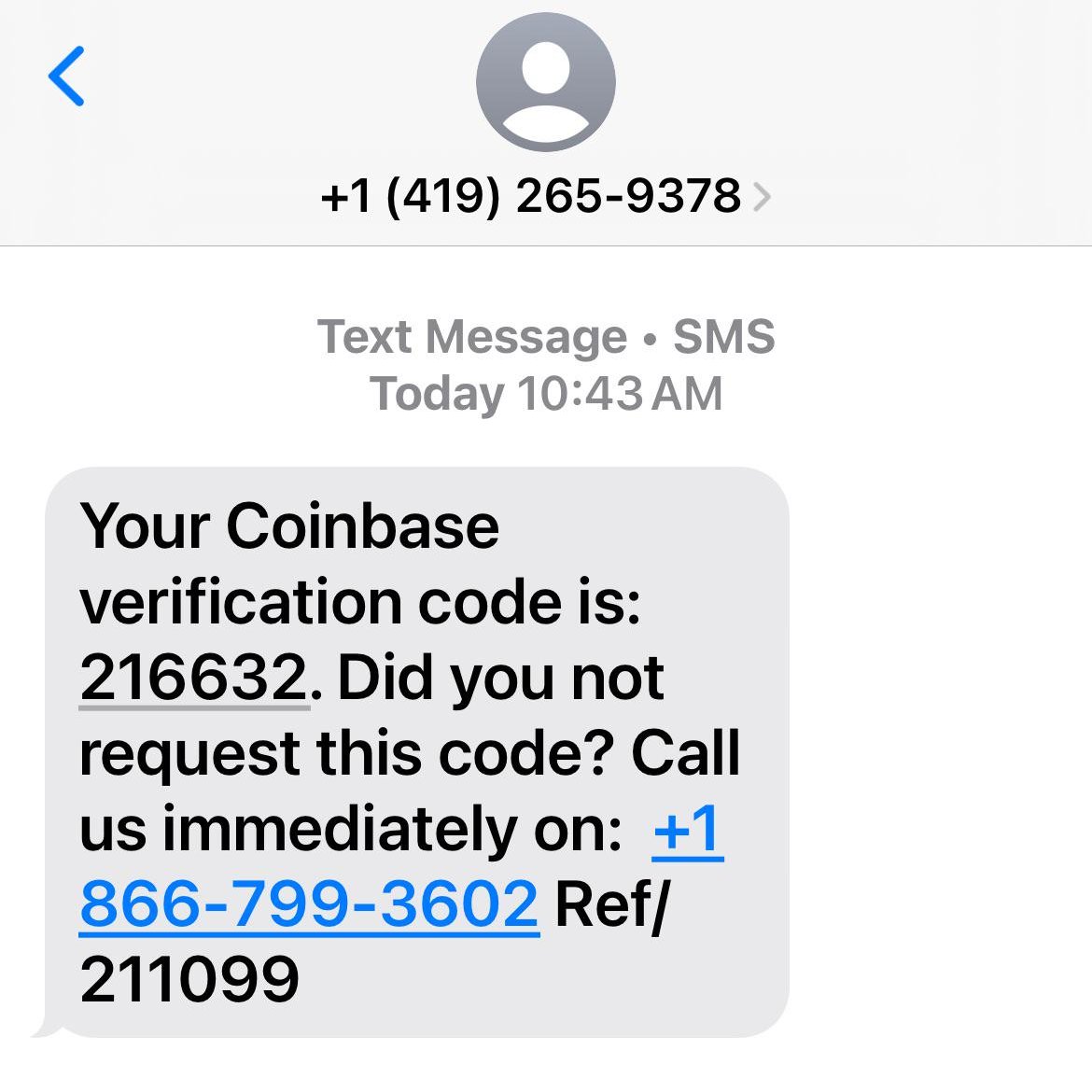
3/ When I called the phone number on the fake review, I got connected to someone who had an Indian sounding accent.
The person answering the phone introduced himself as a "Coinbase support representative".
2/ Earlier today I started looking into new tactics that scammers use to impersonate crypto exchanges like @coinbase and @binance.
About 20 minutes in, I stumbled across a new group targeting Coinbase users— Scammers spamming fake reviews on the Chrome Web Store.
1/ A few hours ago I hacked a group of crypto scammers impersonating @Coinbase Support.
These scammers drain most of their victims out of thousands of dollars!
This thread will show you how the scam works and the methods I used to trace their exact location!👇
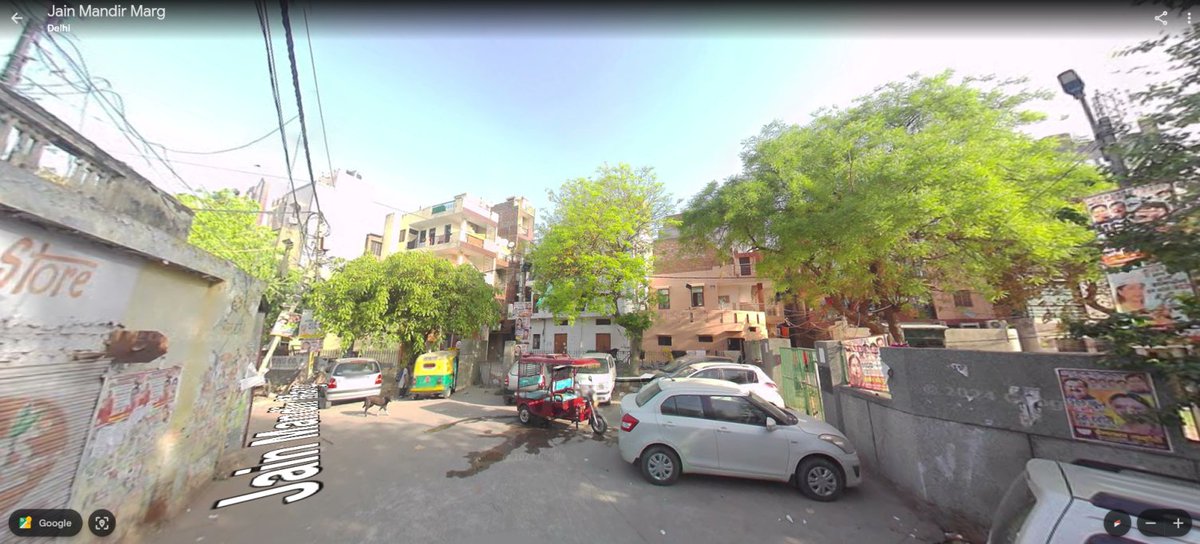
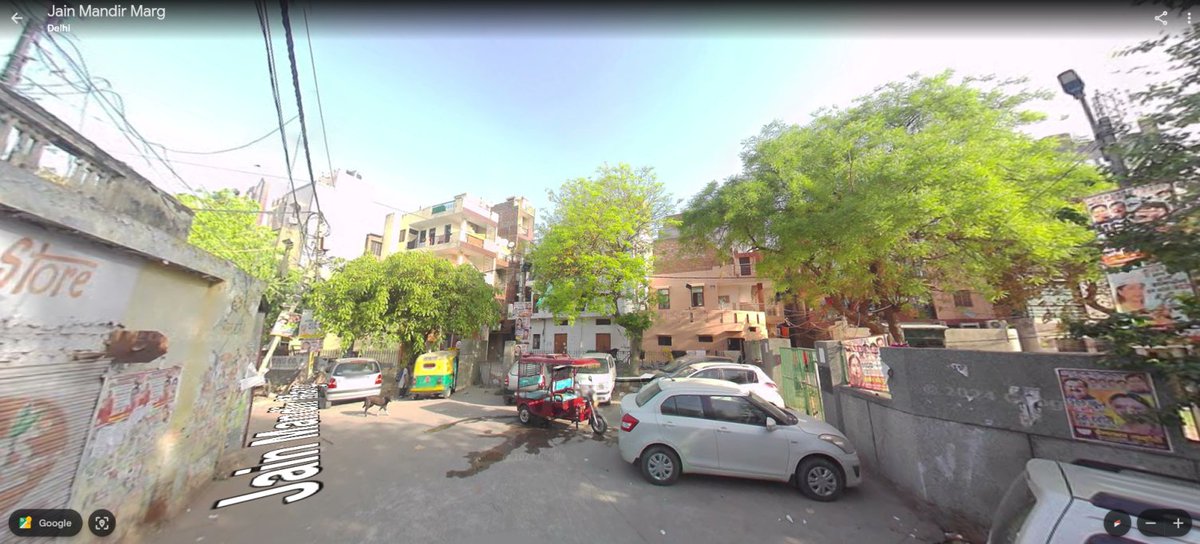
1/ Meet Sushil Chouhan, An Indian national who owns a scam call center in New Delhi, India. He has been scamming thousands of innocent people since November 2023.
@NanoBaiter Well done! I do hope you were able to plant a hook or at least disable the remote computer...this scammer community has become an entire industry by itself. Vendors need to increase their awareness on exploits taking place with their software or company name in order to get ahead of scammers and protect their users. Recently, one of my friends discovered a flaw in @phantom wallet where you could delete a wallet...create a new one and all it was really doing was resurrecting a recently deleted wallet...same private key, same wallet address. Of course the issue here is if that private key was compromised, and you delete the wallet, create a new one and transfer funds to it...well, those funds are going to disappear. If you have time, check it out, he created a video showing the entire sequence of events (@HumbleHolds). The vendor replied to the bug report indicating this was expected behavior!
@defcon@TheHackersNews@Hacker0x01@ExploitDB@inj3ct0r@BlackHatEvents@HOCupdate
Not sure why you would recreate a previously deleted crypto wallet. This seems to completely go against the grain of private keys and potential exploitation. So if I am understanding this correctly...if the private key was compromised...you delete the wallet, go through the process to create a new one...it just recreates the previously deleted wallet which of course will maintain the same private key...there's no way this is 'expected' or 'normal' behavior. I think that @phantom might need to revisit this one...
@jaypelosky So your view is to remove funds from US markets and invest everywhere else in the world. Hope you plan on moving your company out of the US as well, if you believe so firmly in everyplace other than the US...feel free to exit...need a plane ticket?