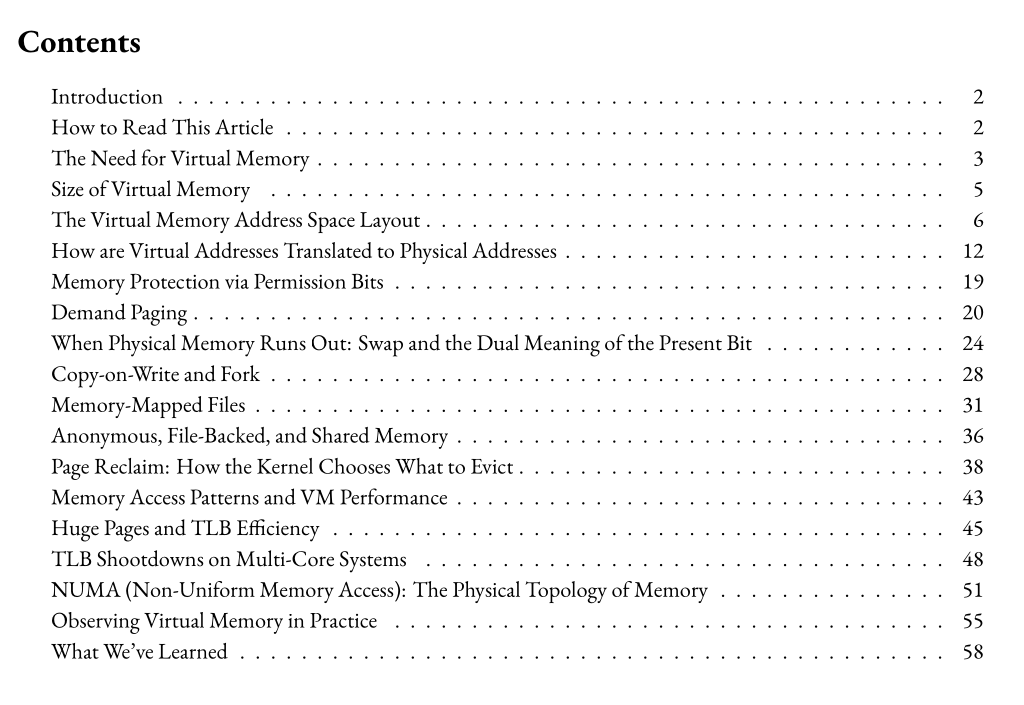
За время что веду твиттер накатал уже приличное количество технических тредов и постов. Для своего и вашего удобства соберу их в единый тред для закрепа😊 📷📷🔽🔽
Почему я решил написать об этом сайте? Да потому что понадобилось освежить в голове и на коньчиках пальцев Java Core - и лучше ресурса так и не нашлось :)
Дежурный пост-напоминание - если вам по какой то причине нужно научиться кодить - вам не нужно ничего кроме https://t.co/SEK24r2xA0.
На платформе куча языков, задачи c фокусом на конструкции .все по ТDD, решение каждой задачи это Red-Green-Refactor.
Пользуюсь сам, рекомендую.
@AlexWayfer > проекты есть, но немного.
За это грустнее всего. Ruby экосистема это самое крутое что я видел, не пожалел что стартанул карьеру на нем, но со временем вакухи уменьшались.
Когда вижу либы на гитхабе с приписками, inspired by rspec, vcr, faker, dry-rb сразу тепло на душе.
Увидел в рабочем чате вопрос про фреймворк для написания тестов на Go, поделились вот такой ссылочкой, открываю а там буквально рубишный RSpec на Go. И чот так защемило в груди, уже 5 лет никаких рельс и никакого Ruby.
https://t.co/PrjITvjNFp
Рубисты, как вы там? Ruby жив?
@AlexWayfer Мой вопрос был не из области сравнения фич , зачем этим меряться в 2026 я не знаю. Мне было интересно, есть ли вакухи, проекты или другой движ.
Ноль негатива.
Before jumping into books like DDIA or Database Internals, it helps to understand the systems layer these designs are built on.
A lot of the design of such data-intensive systems is based on virtual memory: page tables, page faults, mmap, the page cache, swapping, NUMA placement, TLBs, and the tradeoffs between what the OS wants and what the database wants.
My latest article is a ~25,000-word mini-book on virtual memory.
It starts from first principles and goes all the way down to advanced topics like NUMA placement and performance debugging with tools like perf and /proc.
I also wrote it differently: as a dialogue between a user-space process and the kernel.
Most treatments of virtual memory are dry and fact-heavy. I wanted this one to feel more like a story, while still being technically deep.
Link below.
Не открывал Claude Code с месяц, попросил его сгенерить сниппет кода, пыхтит минут 5, так ничего и не сгенерил, подписка Pro на месте. Раньше отклик был в несколько секунд для таких простых задач.
Мои токены ушли на переписывание Bun на Rust? Или AI Revolution всё, того?
Я смущаюсь когда нужно рассказать про должность и чем занимаюсь на работе:
- Утром тимлид
- После обеда CTO.
- Вечером курю пейперы как стафф
- Аналитика.
Переживаю, что выгляжу несерьезно. Думаю, пора что-то менять.
А тут AI revolution и теперь это база. Ну и дела.
Author of Designing Data-Intensive Applications, Martin Kleppmann, on why scaling down is just as challenging as scaling up:
“Part of what is interesting about modern cloud services, and backend services in general, is how they've introduced the idea of horizontal scalability and shared nothing systems. We can build systems that are able to cope with very high load, even if the individual components are just fairly cheap commodity machines.
The scalability story is not just scaling up, but scaling down as well. How do you run a service in such a way that if it has a very small amount of load, it's really cheap to run? That's sort of the same question as ‘how do you continue running a service if it has a very high load?’
Generally, you want the cost and the computing capacity to be roughly proportional to the load that you have and at the low end, that means actually being able to scale down to something that is extremely cheap to run.
That's not necessarily a given. It's something that is hard with on-premises software because if you've got a physical machine, that is a unit of deployment. Yes, you could carve it up into two dozen virtual machines, but it still requires some sort of resource allocation.
And so, part of what's interesting about some serverless systems, is their ability to scale down and say ‘okay, if you're going to handle just three requests per day, that's just fine as well’”.
Коллеги DevOps, и просто инженеры. Я совершенно случайно узнал что проект kainko уже год как заархивирован на GitHub.
Вопрос - и какой сейчас положняк для сборки образов на CI?
https://t.co/xghaZptPKz