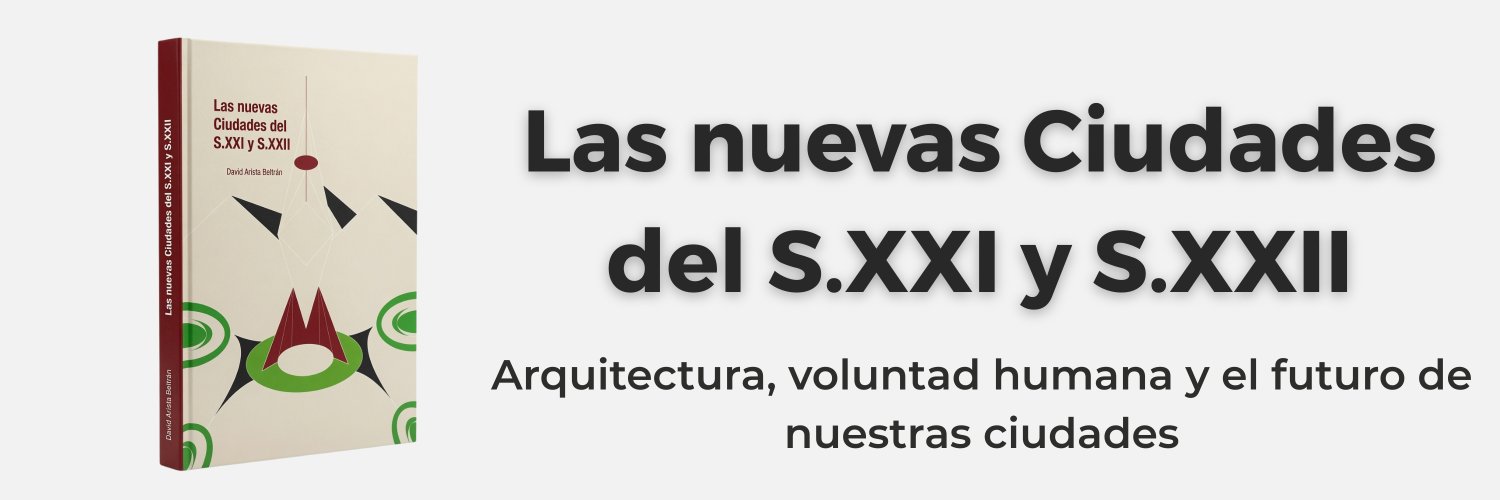
Mi primer libro ya está disponible.
"Las Nuevas Ciudades del S.XXI y S.XXII"
Una exploración profunda sobre arquitectura, el ser humano, la trascendencia y cómo construir el futuro con propósito.
Disponible ahora en PDF (Español).
→ Comprar aquí: https://t.co/XdsiZCNcSu
Ya los busqué y sí los he visto.
Igual no sabía que eran tan famosos, pasaban desapercibidos. Ahora sé que también es parada obligatoria cuando ande por aquellos confines de la great CDMX.
Pasó lo mismo con los churros El Moro y otros lugares icónicos.
Sí son icónicos y culturales, es una buena inversión en franquicia. Qué bueno que lleguen a otros estados.
An idea. A thought. A man.
And a great team of builders.
Standing against an entire millennial nation.
Just think about it for a moment.
Sometimes I see people throwing harsh criticism at Elon Musk. Yet there is something undeniable that deeply irritates many of his detractors: he is, without question, a great man.
People with doctorates, master’s degrees, or deep expertise in specific fields watch as he takes entire industries by the reins and pushes them further than many experts thought possible — without needing traditional academic credentials to validate his vision.
They criticize him because he doesn’t rely on titles to defend his convictions.
They resent him because he has sustained, for years, an almost superhuman work rhythm: a marathon lifestyle built on relentless creation, execution, and development — a level of sacrifice and discipline most people are unwilling to match.
The hatred and words directed at him are largely subjective. What is objective is that his companies are helping humanity take the next great technological and civilizational leap.
If it weren’t for SpaceX and those who trusted the company even in its darkest moments, where would the space industry be today? While China and other countries are only now perfecting reusable rocket landings, SpaceX doesn’t just lead in launches — it operates at a scale the rest are still striving to reach.
Tesla competes head-to-head with Chinese EV giants. Meanwhile, many legacy automakers — the same ones that once mocked Musk’s ambitions — remain several years behind in electrification and, especially, in autonomous software. The Full Self-Driving, FSD, system maintains a clear global lead in data and development.
Starlink delivers something no one else has achieved at this scale: high-speed, low-latency internet in mountains, remote areas, airplanes, and regions without traditional infrastructure.
The Boring Company tunnels are still underrated, but when governments and private enterprises truly embrace them, they could become another major milestone in efficient urban mobility.
And beyond technology, Elon represents something deeper: an inspiration for those who believe human progress should not stall. He doesn’t just compete with China in strategic innovation — he also serves as a counterweight to certain strands of progressive woke thinking that, in many cases, have placed ideological agendas above merit, evidence, and genuine advancement, normalizing a form of cultural degradation.
Elon has emerged as a natural response to these challenges: a force that counters ideological inertia, accelerates technological progress, and restores humanity’s ambition for great feats.
This is one of the most concise and powerful texts I’ve read about what’s happening right now.
Now we have a mirror.
We can finally see ourselves clearly — spot what needs fixing, refine how we show up, and grow with constant feedback.
We used to shave blindly, without a mirror. Today we have one.
Not all mirrors are truthful — some are distorted and show us a false reality — but our real work remains the same: restore our humanity. Find a purpose and commit to it.
A great first step is reading Viktor Frankl. And if you discover what truly moves you, go for it with everything you have.
Enjoy the mornings, the coffee, the sun, and the birds singing.
We are no longer machines of the industrial era, condemned to repeat endless tasks. The new era of automation and technology is here; and its greatest gift may be giving us back our humanity.
@oscar_report Coyoacán pertenece al Jarocho jaja.
No sabía que tenían tantas sucursales. Es increíble lo rápido que se expandieron, que bueno!
Se abre más el itinerario para visitar cada una, tour gourmet. 🐖
The gap has always been the same.
The internet can be used to connect people, inform ourselves, create, learn, and grow. But it can also be used for entertainment, doomscrolling, or getting depressed by comparing ourselves to other people’s often fictional lives.
The real difference still lies in agency: the capacity to take action when facing a situation, a project, or an idea; to solve problems. It’s the ability to act immediately with the tools at hand that truly makes the difference.
Today we have AI, a tool that becomes incredibly powerful when combined with the internet. It delivers instant searches and detailed information, but the deeper cognitive processes —understanding, critical thinking, and synthesis— remain exclusively human.
Libraries have always been public and open to anyone who wants to educate themselves. Books are within everyone’s reach, just as the internet and AI are now.
No matter how many tools, facilities, or resources are available, no one can force you to get up and take action. That depends solely on your own decision and personal will.
La arquitectura, como la literatura y las demás «turas», como diría Cortázar, nos inspira y nos ilumina. Nos enseña y nos muestra el camino y el pensamiento de quienes pusieron manos a la obra.
La obra es al creador lo que el arte al artista: el reflejo del lenguaje, de los ideales, de la belleza y la estética.
Rodéate de cosas bellas.
Edificios hermosos, calles con vegetación, arte por doquier y libros que explorar. Así, también tus pensamientos se volverán bellos y creativos.
La arquitectura inspira.
Volteamos a los castillos, a las grandes obras del Barroco y el Renacimiento, y contemplamos la grandeza y las proezas de las que es capaz el género humano.
Volvamos a esa ambición.
Como Miguel Ángel tuvo que tallar su nombre en La Piedad para que creyeran que era suya, volvamos a crear obras tan extraordinarias que parezcan obra de seres extraños. Obras que hagan dudar a las generaciones futuras, como aún hoy nos preguntamos cómo se tallaron las piedras de los doce ángulos.
Las artes son proezas e ilustraciones, caminos y enseñanzas. Son luces y bellezas.
Son la forma que tiene el mortal de dar eternidad a una idea, a un pensamiento.
Volvamos a las grandes obras.
LA CUCHARITA DE PORCELANA
“En un pequeño pueblo de oriente, había una montaña muy alta que no dejaba entrar los rayos del sol // Entonces, un viejo, el de mayor edad de la población, se encaminó con una cuchara de porcelana a esa montaña // Al verlo, unos jóvenes riendo le preguntaron: ¿Qué haces viejo? – Voy a mover esa montaña, respondió – ¿Y con qué vas a moverla? – Con esta cucharita de porcelana – ¡Nunca podrás! exclamaron los jóvenes, y echaron a reír aún más fuerte – Si, nunca podré, respondió el anciano. Pero alguien tiene que empezar a hacerlo”
One approach would be to draw inspiration from the materials and structures used in rocket Thermal Protection Systems, during atmospheric re-entry.
Re-entry generates extreme thermo-mechanical stresses, temperatures up to ~1,260°C / 2,300°F; rapid thermal gradients, aerodynamic loads, and vibrations.
The materials must maintain structural integrity and shape without severe deformation or catastrophic failure, even though the exposure is brief.
This represents conditions close to the absolute limits a material must endure.
Examples:
• Space Shuttle silica tiles, LI-900/FRCI: Withstand ~1,260°C sustained, with extremely low thermal conductivity; reusable for up to ~100 missions.
• RCC, Reinforced Carbon-Carbon: Excellent fatigue resistance under re-entry conditions.
• Titanium, the statue’s base material: Low CTE, ~8.6–9.8 × 10⁻⁶/K, high strength-to-weight ratio, and good corrosion resistance; widely used in aerospace for its cyclic fatigue performance.
The segmented TPS design, many small pieces with gaps or isolation pads, prevents stress accumulation from differential expansion — exactly the challenge of daily solar heating on the statue.
Combined with an internal lattice support tower and independent titanium panels, as suggested; it could minimize fatigue over millions of cycles.
This isn’t a plug-and-play solution, but it provides proven material and design principles validated under extreme conditions, complementing accelerated fatigue testing.
@battleangelviv It’s like the first jump off a diving board or cliff into the water: pure fear at the edge, but afterwards you can’t wait to do it again.
Just like on a roller coaster — shaking while it climbs, and then you only want to repeat the thrill.
"If—" is a poem by English poet Rudyard Kipling
If you can keep your head when all about you
Are losing theirs and blaming it on you;
If you can trust yourself when all men doubt you,
But make allowance for their doubting too:
If you can wait and not be tired by waiting,
Or being lied about, don't deal in lies,
Or being hated don't give way to hating,
And yet don't look too good, nor talk too wise;
If you can dream—and not make dreams your master;
If you can think—and not make thoughts your aim,
If you can meet with Triumph and Disaster
And treat those two impostors just the same:
If you can bear to hear the truth you've spoken
Twisted by knaves to make a trap for fools,
Or watch the things you gave your life to, broken,
And stoop and build 'em up with worn-out tools;
If you can make one heap of all your winnings
And risk it on one turn of pitch-and-toss,
And lose, and start again at your beginnings
And never breathe a word about your loss:
If you can force your heart and nerve and sinew
To serve your turn long after they are gone,
And so hold on when there is nothing in you
Except the Will which says to them: 'Hold on!'
If you can talk with crowds and keep your virtue,
Or walk with Kings—nor lose the common touch,
If neither foes nor loving friends can hurt you,
If all men count with you, but none too much:
If you can fill the unforgiving minute
With sixty seconds' worth of distance run,
Yours is the Earth and everything that's in it,
And—which is more—you'll be a Man, my son!
This is exactly what’s making the difference in our times: thought itself is acquiring exponential value.
Asking the right questions, conducting deep analysis, programming purposeful tasks, and charting event routes; all of that is high-level analysis, synthesis, and cognitive processing.
It’s no longer about worrying how to “get the machine running.”
Now the real focus shifts to:
Where are we headed? Why are we going there? And which route truly makes sense?
We are no longer the ones rowing just to try to standardize the captaincy.
Now we are the ones deciding the course.
AI doesn’t take jobs — it multiplies them exponentially.
I’ve seen so many people ramp up their output to levels that were impossible before: marathon hours, intense late-night sessions, constantly building and shipping.
AI is a fundamental tool. Now you can do in days or hours what used to take weeks or months.
This accelerates everything: you go from point A to B much faster, which immediately opens the path to C, D; the points never end, only the speed increases.
That’s why the pile of interesting problems doesn’t shrink; it keeps growing.
Despite AI acceleration, endless problems remain to be solved. They are not getting any fewer by the day. In fact, more interesting problems are piling up, remaining unsolved.
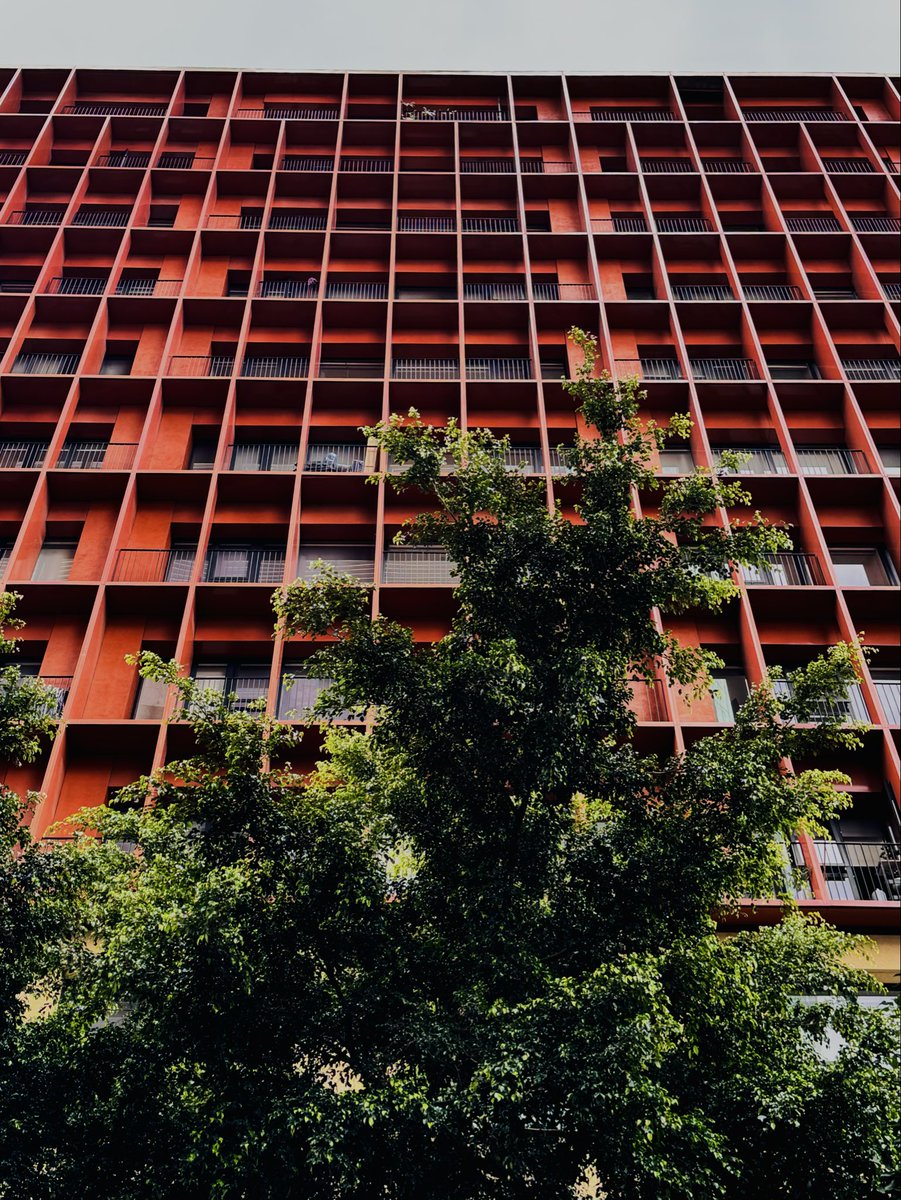
This style is known as Mexican Brutalista (also called Contemporary Brutalist, Warm Brutalist, or Mexican Modernism).
It’s an eclectic yet minimal combination of industrial Brutalism and contemporary modern design.
It features raw concrete as the main protagonist, balanced with warm wood details, earth tones, and abundant vegetation that softens the aesthetic.
The lighting is industrial but minimalist, creating powerful, warm, and highly contemporary spaces.
You see it everywhere in Mexico City.
Here are some examples I generated myself using Grok Imagine, staying true to the purest concept of the style. I followed these rules and aesthetic throughout the process:
• Raw concrete as the primary base
• Warm wood and earth-tone details
• Abundant vegetation for organic contrast
• Industrial, modern, and minimalist lighting
• Balanced, powerful, yet welcoming compositions
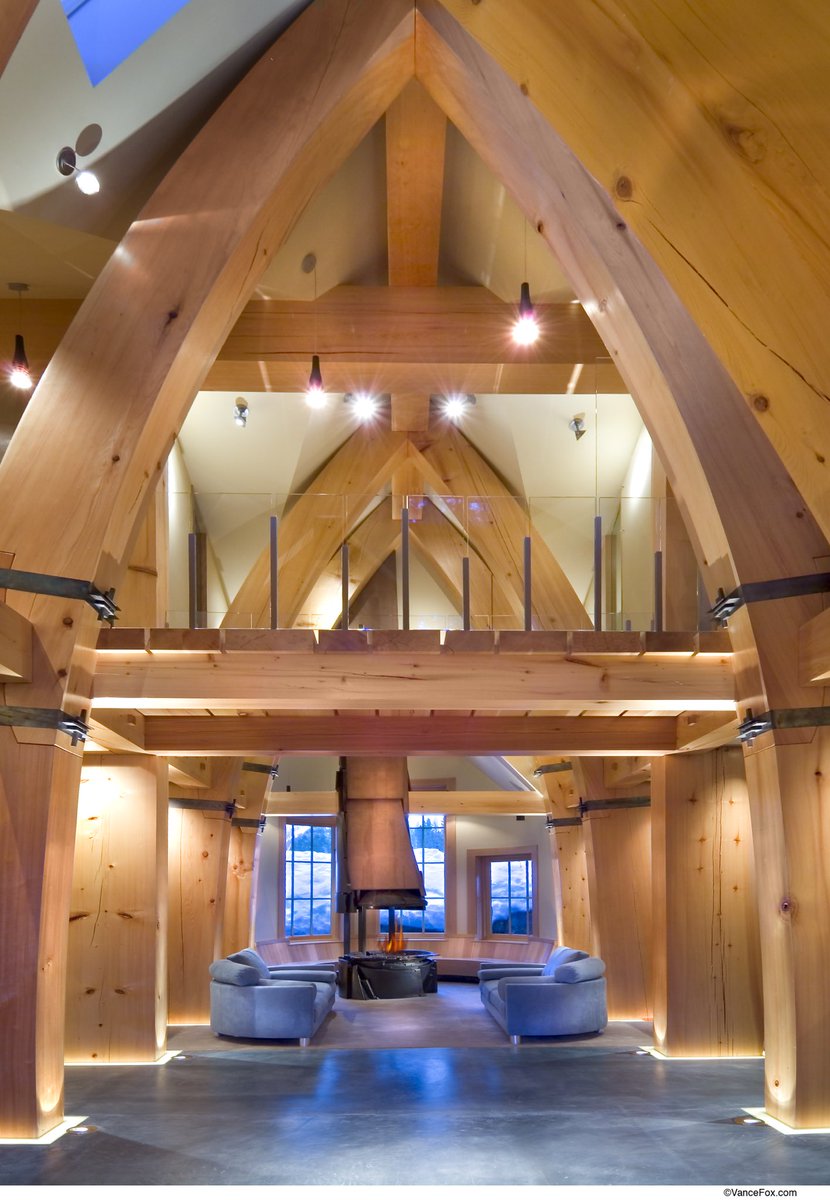
The dark-toned floor combined with the white ceiling, united by the medium tone of the wood, creates a very powerful visual harmony. The blue living room integrates perfectly with the floor, maintaining unity throughout the entire space.
The arches are bold and serve as the true focal point of the composition: they frame and envelop the environment masterfully. The steel details on the wood provide that necessary contrast that enriches the whole.
I especially like it for the clear proposal, the constructive solution, and the coherence of all the materials and lighting. An excellent example of how a renovation can be sophisticated and warm at the same time.
La grandeza de un proyecto no está en el terreno; está en la Visión.
Cuando se inicia un proyecto arquitectónico, llegan las especificaciones del terreno: niveles a construir, área libre permeable, coeficiente de ocupación y muchos otros aspectos. Eso marca el margen.
Pero el verdadero potencial lo libera el Arquitecto, el Diseñador y el Equipo Constructor.
Un terreno puede tener todas las condiciones ideales. Sin embargo, si el equipo no está capacitado para sacarle el máximo provecho, el resultado será mediocre.
Elegir bien al arquitecto y al constructor no es un lujo; es indispensable.
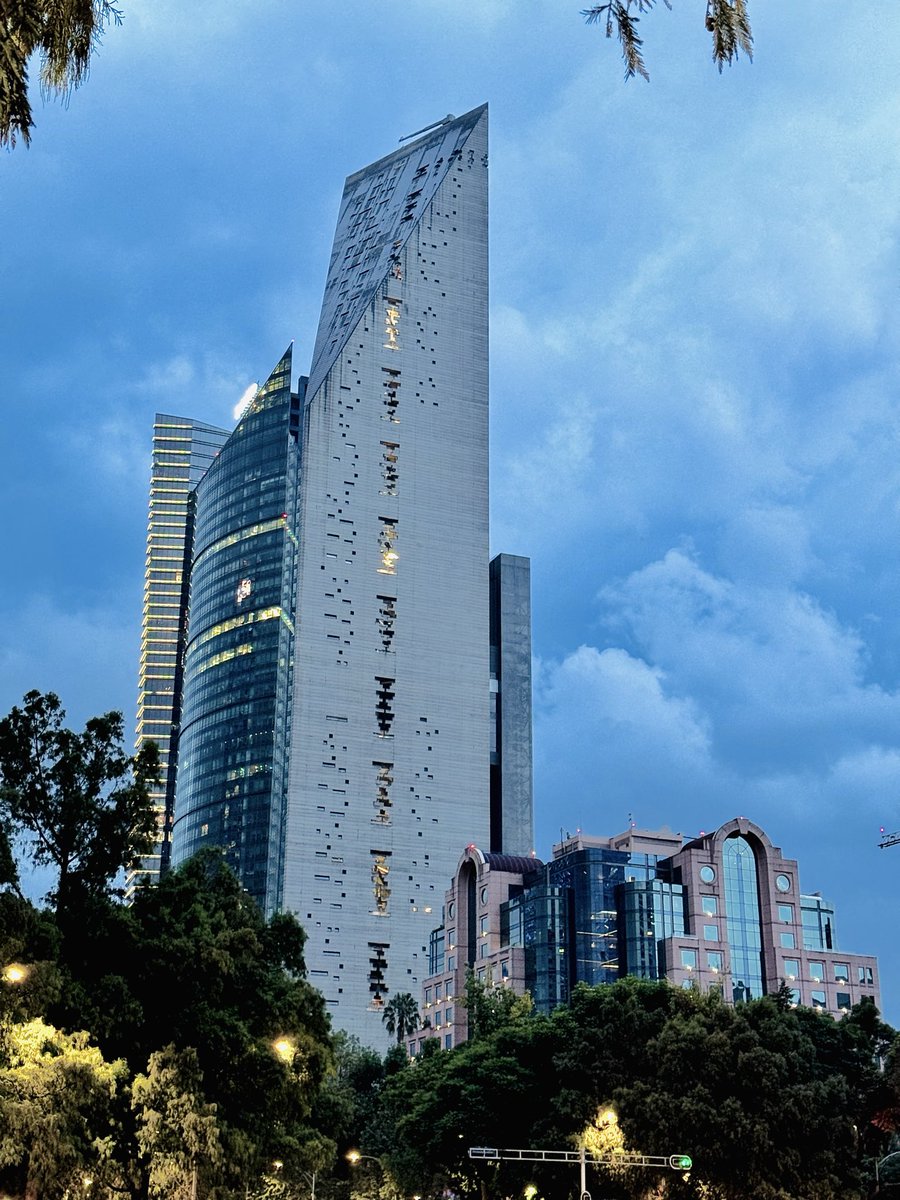
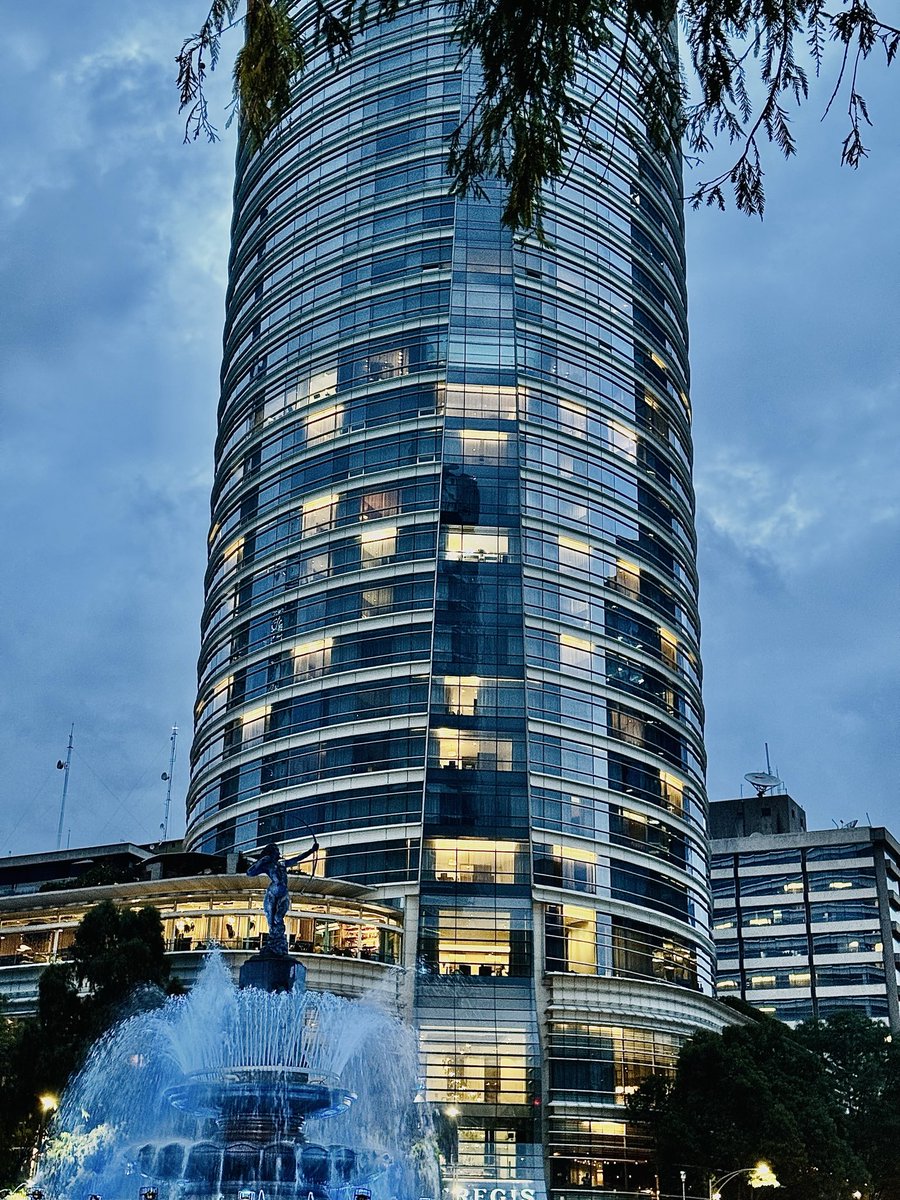
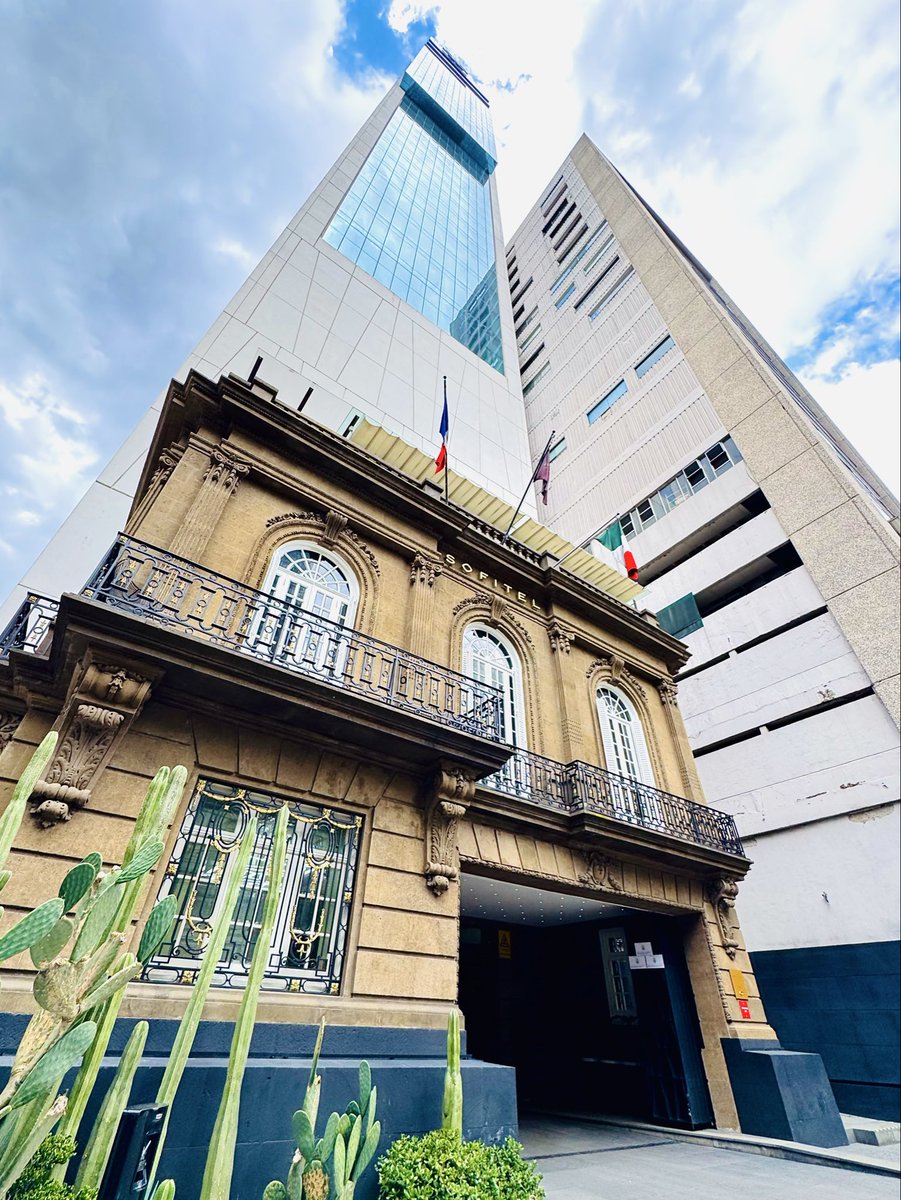
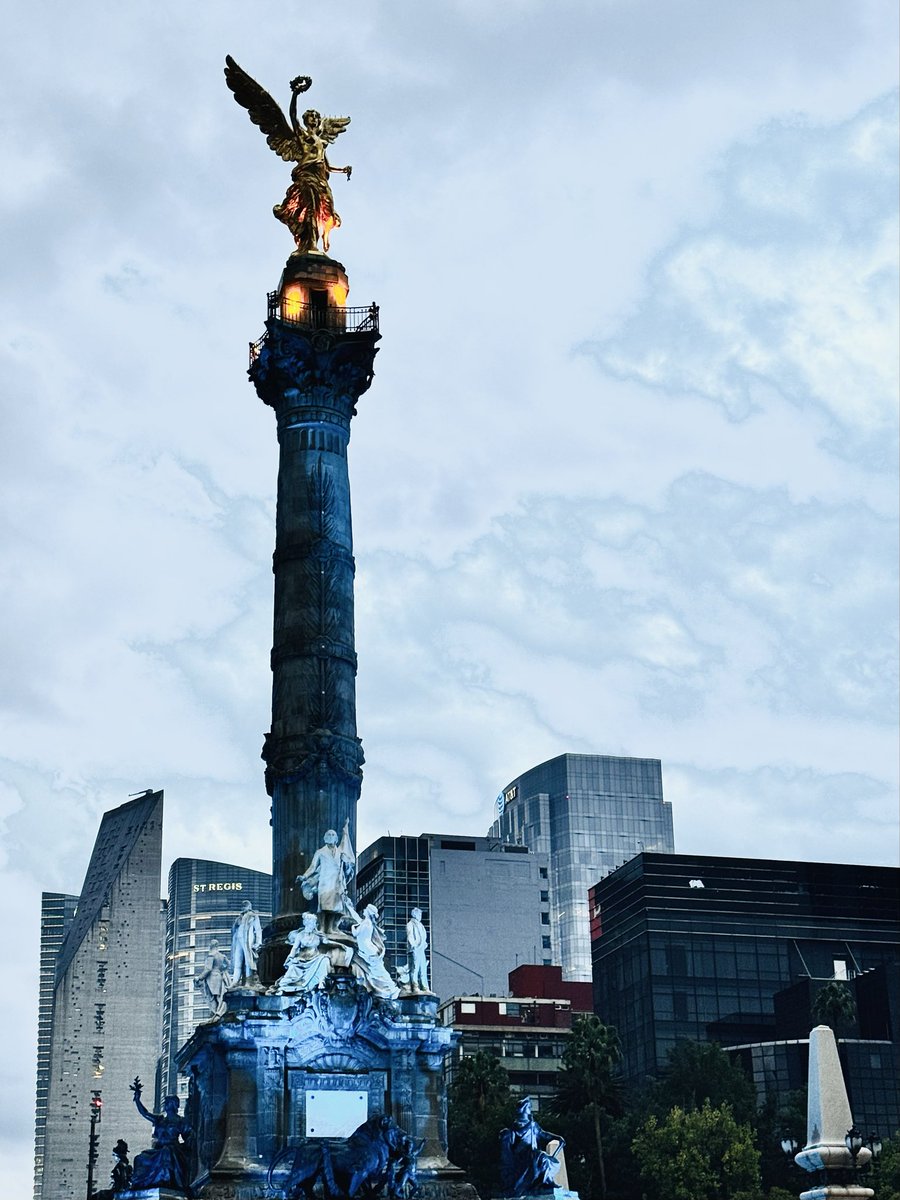
En Paseo de la Reforma, una de las avenidas más emblemáticas de México, lo vemos con claridad.
Grandes arquitectos y visionarios han dejado huella: torres premiadas internacionalmente como la Torre Reforma del arquitecto Benjamín Romano (ganadora del International Highrise Award 2018 como uno de los mejores rascacielos del mundo), junto a otros iconos históricos y modernos que hoy definen el paisaje de la ciudad.
No fue solo el terreno.
Fue la visión y la excelencia del equipo.
La grandeza de cualquier proyecto radica en la habilidad del equipo y en la amplitud de la visión de quien lo lidera.
No habría una Roma gloriosa sin Julio César. Ni una Francia conquistadora sin Napoleón. Rómulo y Remo soñaron una gran nación; y la construyeron.
Tener una amplia visión importa. Un equipo o sistema que solo ve lo que tiene enfrente, sin aportar creación ni estímulo, no genera verdadero crecimiento.
Elige bien a tu arquitecto, a tu constructor y arma un equipo con visión.
Eso es lo que transforma un terreno en un legado.
The examples of divided Germany and especially the two Koreas are devastating:
same people, same culture, same blood; two radically different economic systems, two opposite outcomes.
South Korea became a global technological powerhouse with giants like Samsung, Hyundai, and a vibrant innovation ecosystem.
North Korea, on the other hand, has to hunt down its own citizens to prevent them from escaping and silence anyone who criticizes the regime.
The difference isn’t in “the people.”
It’s in the system.
The blood analogy is perfect: the economy is the circulatory system that nourishes every organ of the nation. Any system that strangles, suffocates, or redirects that flow toward a few privileged organs leaves the entire body in decay.
That’s why so many countries today look like zombies: some sectors still function, but the overall organism is weakened and dying.
Certain systems don’t aim to create wealth — they aim to extract as much as possible. Like leeches or parasites: their nature is to suck the host dry, even if it kills the body they feed on.
They don’t care.
The good news is that nature — and free societies — have purging mechanisms.
Extractive systems eventually collapse.
The ones that let the blood flow freely, rewarding effort and creation, are the ones that generate sustained life and prosperity.
Tu confonds deux choses : la photographie d'une société à un instant T, et le système qui la fait vivre.
L'économie, ce n'est pas « l'argent » ou « le PIB ». C'est le système de coordination de millions de décisions humaines chaque jour. Qui produit quoi, pour qui, à quel prix. C'est le mécanisme par lequel un peuple transforme son travail en prospérité — ou en misère.
Dire « le plus important c'est le peuple, pas l'économie », c'est dire « dans un corps humain, le plus important c'est les organes, pas le sang ». Les organes sans circulation sanguine, ça s'appelle un cadavre.
L'unité d'un peuple, sa santé, sa confiance en lui-même : tout ça dépend de son système économique. Un système qui récompense le travail et la responsabilité crée la confiance entre les gens. Un système qui redistribue par la contrainte crée le ressentiment, le clientélisme, la guerre de tous contre tous pour capter la rente.
Et la meilleure preuve que tu as tout à l'envers, c'est l'Histoire : Allemagne de l'Est / Allemagne de l'Ouest. Corée du Nord / Corée du Sud. Même peuple. Même culture. Même sang. Deux systèmes économiques. Deux destins radicalement opposés.
Le peuple n'a pas changé. Le système, si. Et c'est le système qui a tout déterminé.
Un peuple ne se « change » pas plus vite qu'une économie. C'est l'économie qui change le peuple : 50 ans de socialisme ont transformé un pays de bâtisseurs en pays d'assistés qui attendent tout de l'État. Ça, c'est le vrai sujet.
Ci joint mon un tweet qui fait 80 millions vues RT par musk si tu veux commencer a t'instruire.
https://t.co/D5r3X2TdOr
Before, a human elevator operator controlled everything: they pressed the buttons, opened and closed the doors, regulated the speed, and even announced the floors.
Today, it’s all automated.
You step in, select your floor, and the system takes care of the rest—safely, quickly, and efficiently.
The next era is already here: the autonomous one.
The future is autonomous.
Systems that don’t just respond to simple commands, but operate independently, learn from their environment, anticipate needs, and perform complex tasks without constant human supervision.
This is what we call an archetype: a story that repeats itself over and over throughout human history.
When someone is truly pushing civilization toward new horizons —in any field— and stumbles or fails, that behavior of joy and complacency emerges.
The Wright brothers were mocked when their first attempts at flight failed. Joseph’s brothers mocked him because he was skilled, brave, and willing to do what others weren’t.
The same thing happens with those who build great fortunes, make groundbreaking discoveries, or dare to explore beyond the established limits.
Elon Musk constantly receives threats, with people waiting for him to fail at his next milestone, because some only feel powerful when they can point out someone else’s mistake.
That joy in another person’s pain or failure comes from an uncomfortable truth: since we don’t have the guts (or the discipline) to do what the other person is doing, it’s easier and safer to point out their attempt.
It’s simpler to criticize, play the victim, or wallow in resentment than to love, take responsibility, and seek a real purpose in life.
It’s like laughing at the player who lost a match without being willing to train, fail a thousand times, and keep trying. It’s more comfortable to stay in the stands judging the moves than to step onto the field and put your own skin on the line.
This archetype appears in all the great stories: Noah was mocked while building the ark, David faced contempt before his victory, Tesla was ridiculed and forgotten in his lifetime; they all embody the same dynamic: whoever dares to challenge the status quo generates resistance, because their existence questions the comfort of things as they are.
In the end, each of these stories reminds us that the path is never free of obstacles.
There will always be those who stand on the side of the ones pushing the limits and those who prefer to celebrate their fall.
The question is: which side do we choose to be on?
The world wants me to die.
My incurable disease diagnosis became global news. It was omnipresent on social media and 1,900 articles were written in a matter of days.
Many were saddened.
However, joy dominated the commentary.
People pointed to schadenfreude, the pleasure of another's failure. Yes, there’s that. There is a special place in people’s hearts that loves to see others fail, especially when that person’s presence threatens their own psychological stability in some way or helps them feel better about themselves.
But, if you look over the social media commentary about me, you’ll see that pattern:
“he deserved it.”
I deserved it because I challenged death. The crowd was running a deeply rooted psychological script that represents the oldest, most deeply embedded stories of human culture.
This was the first story ever written down, 4,000 years ago. Gilgamesh sought eternal life after losing someone he loved, only to have the plant of youth stolen by a serpent as he bathed. Leaving him to accept his mortality.
Asclepius became so skilled at rejuvenation that he raised the dead. As punishment, Zeus struck him down with a thunderbolt to enforce life and death authority.
This is the story of Jesus. Pontius Pilate offered a choice between a thief and the immortalist, and the crowd demanded the execution.
People need this story conclusion to keep themselves sane. The challenger must lose and the loss must appear deserved. It’s a shield of self preservation.
For if death is inevitable, their existence and that of their loved ones is justified and unavoidable. If death is not inevitable, nothing about their reality is safe.
I occupy the same philosophical and archetypal position as Gilgamesh, Asclepius and Jesus.
This statement will draw outrage and accusations of blasphemy, hubris and narcissism. Nevertheless, it’s the pattern that has repeated itself for thousands of years.
Death has been the omnipresent concern of the human race. It encapsulates our greatest fears, joy and curiosities. The discourse around it changes over time; however, the fundamentals remain unchanged.
What’s different about this moment, that is unlike any other moment, is that physical death may no longer be inevitable.
What if I didn’t deserve it?
And what if I am your ally, and not a threat?
Philosophically speaking, time passes the same way for all of us while we’re alive — everyone gets the same 24 hours in a day.
Believing age is a limit is nothing more than a self-imposed restriction.
Every single day is a fresh opportunity to go for more, chase a dream, or push toward a goal.
Thinking “it’s too late” is just an illusion. The mirror and your body may deceive you, but your soul and spirit are still young, vibrant, and full of the power and energy to keep going.
Memento mori.