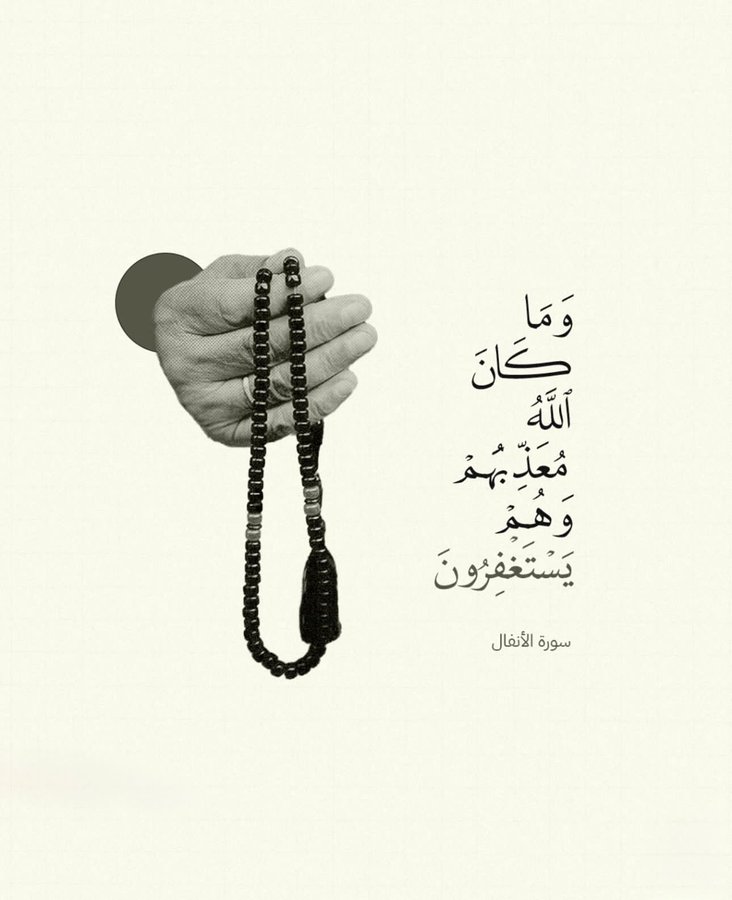
The Messenger of Allah ﷺ said, “Take up your shields.” They said, “O Messenger of Allah, is the enemy present?” The Prophet said, “No, rather your shields from the Hellfire are to declare the glory of Allah, the praise of Allah, there is no God but Allah, and Allah is the greatest. Verily, they will come on the Day of Resurrection as saviors and guardian angels, and they are righteous deeds everlasting.”
Source: al-Sunan al-Kubrá lil-Nasā’ī 10617
Grade: Sahih (authentic) according to Al-Albani
Sometimes it’s the simple things that elevate a recitation
I’ve been enjoying this recitation from Surah Hadid, especially in this verse the Ikhfaa on منكم and من قبل is lovely to listen to, also demonstrated very well !
Tajweed is absolutely beautiful
The Rights of Brotherhood in Islam
Imām al-Ghazālī رحم writes, “Know that the bond of brotherhood is a covenant between two persons, akin to the contract of marriage between spouses. Just as marriage entails rights that must be fulfilled in order to uphold its due, so too does the bond of brotherhood. Your brother has rights over you: in wealth and in person; in the tongue and in the heart—through pardon and supplication; through sincerity and loyalty; and through lightening burdens, abandoning formality, and refraining from imposing upon him. All of this is encompassed in eight rights.” (Iḥyā’ ‘Ulūm al-Dīn 2/173)
The eight rights of brotherhood are the following:
1. The Right of Wealth (Ḥaqq al-Māl)
To share with one’s brother in both ease and hardship, offering material support according to one’s ability. This ranges from preferring one’s brother over oneself (īthār) to, at the very least, giving from one’s surplus
2. The Right of the Person (Ḥaqq al-Nafs)
To attend to one’s brother’s needs even before he asks, and to assist him with one’s person—through action, speech, and effort.
3. The Right of the Tongue (Ḥaqq al-Lisān)
To guard one’s tongue regarding one’s brother: concealing his faults, refraining from mentioning them in his absence or presence, avoiding backbiting and gossip, and speaking only with truth and sincere praise.
4. The Right of Forgiveness (Ḥaqq al-ʿAfw ʿan al-Zalal)
To pardon lapses and shortcomings in the rights of brotherhood, and to refrain from harsh reproach when one’s brother errs or falls into sins.
5. The Right of Supplication (Ḥaqq al-Duʿāʾ)
To supplicate for one’s brother, in his life and after his death, with all that one loves for oneself.
6. The Right of Loyalty and Sincerity (Ḥaqq al-Wafāʾ wa al-Ikhlāṣ)
To remain constant in love and to preserve it until death, and to uphold that loyalty thereafter by honoring his family and friends.
7. The Right of Ease and the Abandonment of Burden (Ḥaqq al-Takhfīf wa Tark al-Takalluf)
To avoid burdening one’s brother with what is difficult for him, and to remove the strain of formality so that affection may endure
8. The Right of Protection (Ḥaqq al-Satr wa al-Ḥimāyah)
To safeguard one’s brother’s honor, person, and property, and to defend him in his absence.
——
May Allah unite the fractured Ummah through the rights legislated by the Lord Almighty, as commanded in the Book and the Sunnah.
The Messenger of Allah ﷺ said, “O Allah, make what is within me better than my outward appearance and make my outward appearance righteous. O Allah, I ask You for the righteousness of what You give to people of property, family, and children without myself being misguided or misguiding others.”
Source: Sunan al-Tirmidhī 3586
Grade: Sahih (authentic) according to Al-Suyuti