🧵 Building in public with @Tiny_Fish Accelerator — here's what we're cooking.
I've been deep in Web3 for 6 years. Built through bull runs, survived the bears, shipped on @solana and EVM. One thing that never got solved? The information layer.
Everyone builds trading tools. Nobody builds intelligence tools.
So we're building Scout — a Web3 intelligence layer on Solana that's NOT another DeFi dashboard.
Right now it does two things:
→ Event Concierge: scans across Solana, ETH Global, crypto nomad sites & more to surface every relevant Web3 event
→ Opportunity Hunter: AI-refined search across jobs, grants, hackathons — scraped live, not cached listings from 2 weeks ago
But here's where it gets interesting 👇
Scout is becoming the data aggregation layer for FomoFam — a Web3 CRM + event platform built on Solana where organizers, sponsors, and attendees all win.
Think: competitor analysis for protocols. KOL scoring. Market research. All in one place.
Not another token tracker. Not another portfolio app. An actual intelligence tool for anyone in crypto — builders, community managers, event organizers, sponsors.
The endgame? A personal AI assistant that searches, schedules, does market research, and keeps you ahead of everyone else in the ecosystem.
My teammate breaks down the full vision in this video 👇
We're early. It's invite-only right now.
Want access? DM me for the code 🔑
Built with @Tiny_Fish's browser agents — SOTA web scraping that actually works on real sites, not toy demos.
#TinyFishAccelerator #BuildInPublic.
Weekly recap + learnings 👇
• Clarity > complexity always wins
• Distribution matters more than we think
• Community is the real moat in Web3 building, refining, improving.
1. Most launches focus on hype.
2. Not utility.
3. No real demand.
4. Community is weak.
5. Good launches build trust first.
6. Then scale.
7. That’s the difference.
1. Polymarket focuses on macro events.
2. But niche groups care more.
3. Higher engagement = better markets.
4. More participation = better outcomes.
5. Communities create their own markets.
6. That’s where growth comes from.
1. It’s not bad tech.
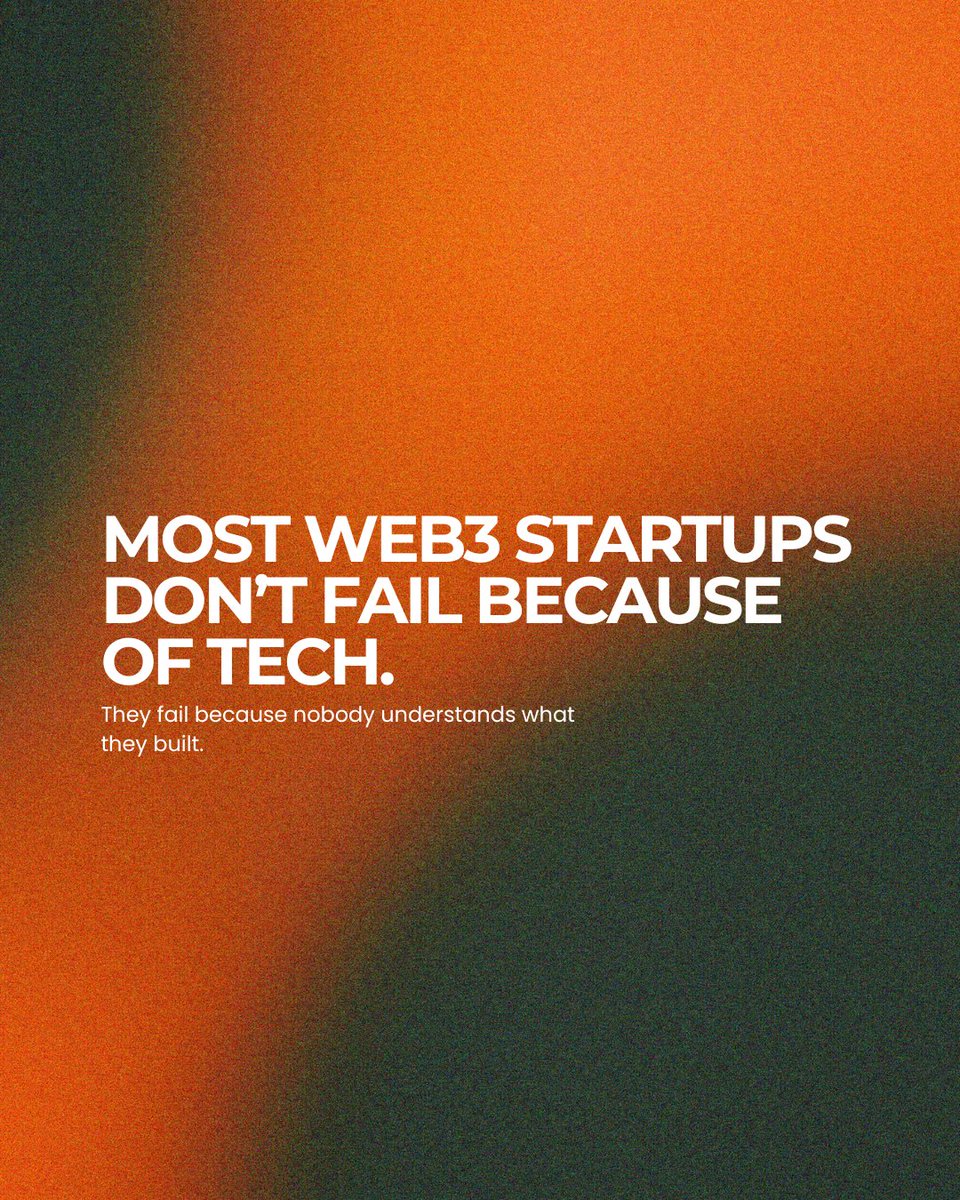
2. It’s bad communication.
3. Founders explain features.
Users care about outcomes.
4. Nobody cares about “protocol layers”.
5. Explain what changes for users.
6. Clarity > complexity.
7. The projects that win are easy to understand.
Most Web3 startups don’t fail because of bad tech — they fail because no one gets it.
If your product needs a 10-min explanation, you don’t have a product — you have a problem.
Clarity > Complexity.
Distribution > Innovation.
Explain it simply. Win faster.