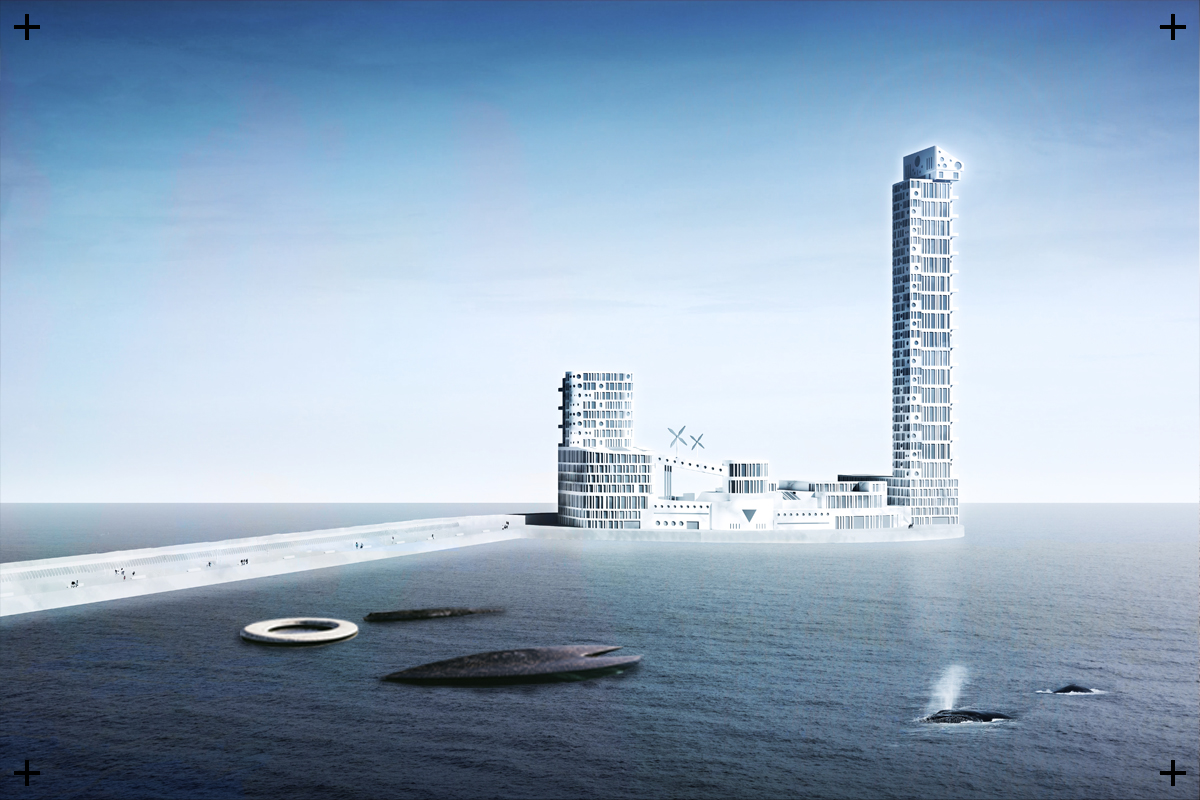
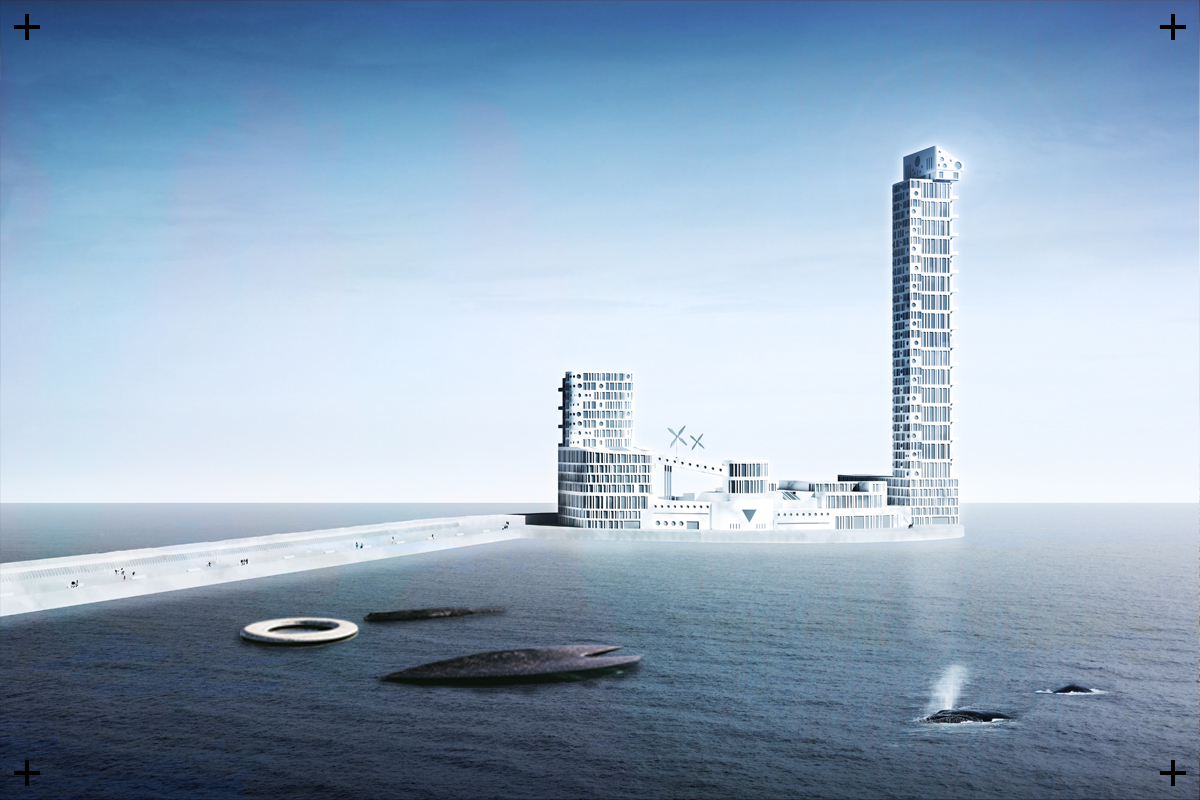
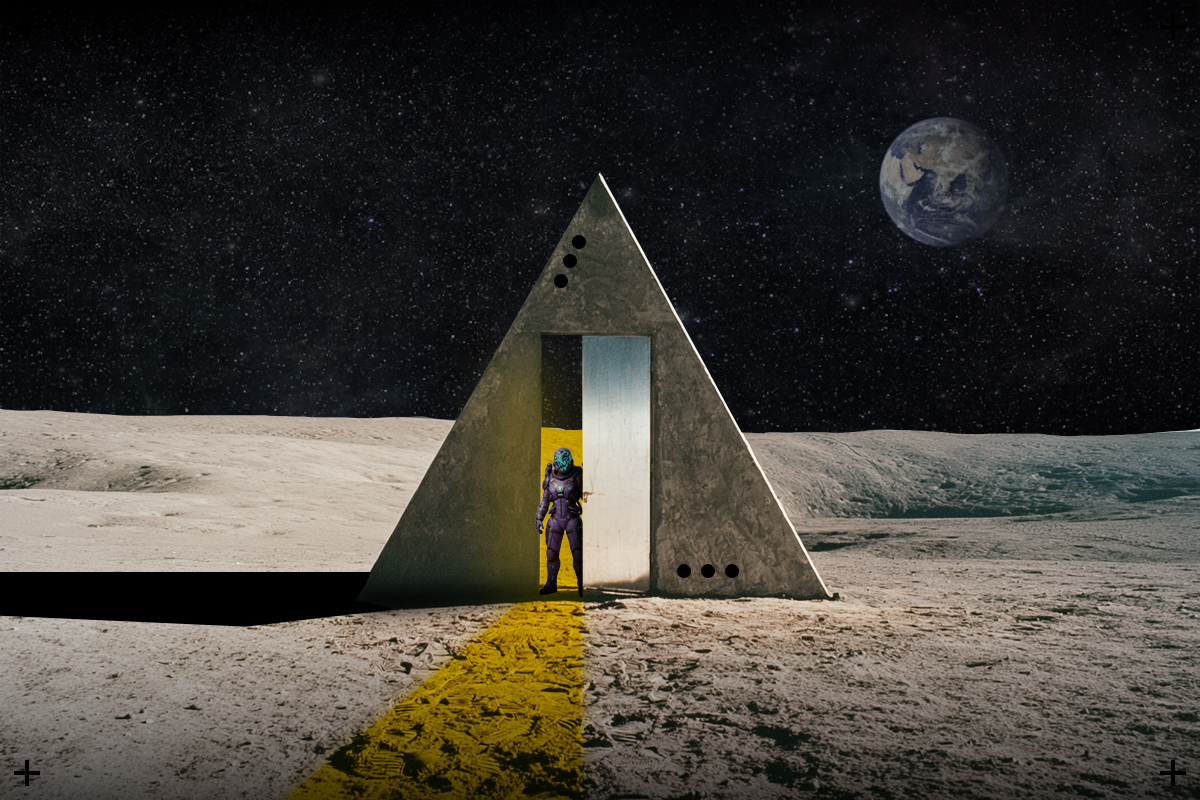
A white city in the sea where everything is section. Below the waterline, energy, industry and logistics. Above it, life. On the line itself, a bath. A city without land converts energy into territory.
https://t.co/MSHctJdT9c
A floating city of seven thousand runs on a star beneath the sea, and only twenty-one know how to light it. Nobody knows who they are. For twenty-one to be invisible, seven thousand must have the right not to be seen.
https://t.co/QXbsSBg1OO
Training a crew for a place takes years because it runs on ordinary waking attention, where the only lever is repetition. It also cannot choose. Two thousand hours in a room and nobody decides which parts of that room end up mattering.
Training a crew for a place takes years because it runs on ordinary waking attention, where the only lever is repetition. It also cannot choose. Two thousand hours in a room and nobody decides which parts of that room end up mattering.
Training works in ordinary waking consciousness, where attention is divided and the only available lever is repetition over time. It is also why it cannot choose what becomes familiar. There are states of mind in which the same work can be done one object at a time.
Crew training is organized around failure. Fire, depressurization, medical emergency. Which means the only version of the place a crew has ever lived is the version in which it is trying to kill them. Nobody forms an attachment to an alarm.
Attachment is not felt on leaving a place. It is felt on coming back to it. Space programmes rehearse the departure endlessly and never rehearse the return, which is the one thing that would manufacture the emotion that turns a module into a home.
A habitat in which nothing can be dirtied, cultivated, altered or repaired is not unwelcoming. It is structurally incapable of producing attachment, because it has removed the only mechanism by which attachment has ever been produced. Sterility is not a question of comfort.
No building is ever handed over empty. A finished room appears populated before anyone moves to it, occupied by shadows that belong to whoever is about to live there. On a world where the habitat is home and entire world, that projection stops being a nuance to become the centre
The people who went back into the Chernobyl zone did not return to look at their houses. They returned to dig. Attachment is not an emotion you carry with you. It is a residue of work done on one place, and it stops the day the work stops.
No building is ever handed over empty. A finished room appears populated before anyone moves into it, occupied by shadows that belong to whoever is about to live there. Architecture arrives already impregnated with the fantasies of the person contemplating it.
They did not go back to look at their houses. They went back to dig. What held against radiation was not an emotion anyone carried into the zone, it was the residue of work done on one piece of ground over decades. Attachment is maintenance.
https://t.co/gayLZd4Bp4
Habitability and survivability aren't the same thing.
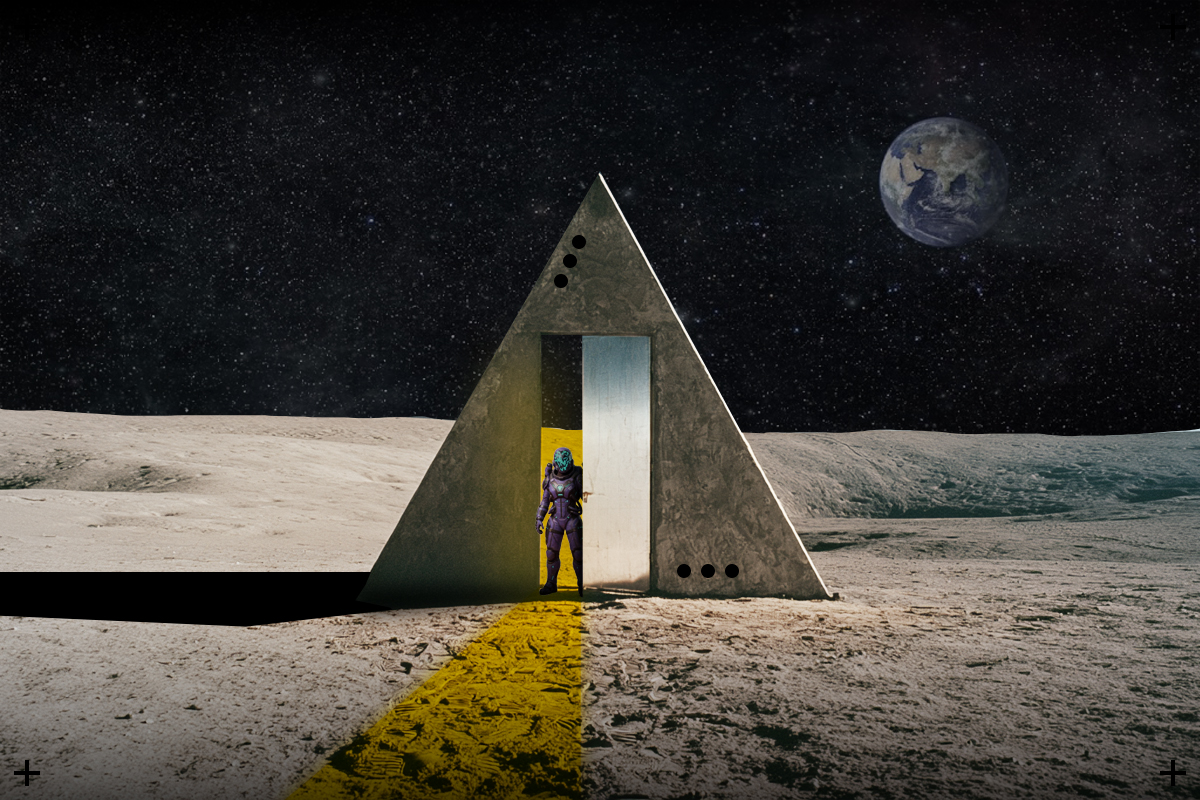
In Chernobyl, elders returned to radioactive homes because they were home. On the Moon, modules keep crew alive in a place that isn't.
Until a habitat can be missed, it's not a home.
https://t.co/gayLZd59eC
Habitability and survivability aren't the same thing.
In Chernobyl, elders returned to radioactive homes because they were home. On the Moon, modules keep crew alive in a place that isn't.
Until a habitat can be missed, it's not a home.
https://t.co/gayLZd59eC
People walked a hundred kilometres back into the Chernobyl zone to live in houses that were poisoning them, because the houses were theirs. Until a habitat can be missed, it is not a habitat. It is a very good room where people are kept.
https://t.co/gayLZd59eC
Chernobyl is the largest unintended experiment in what a place remembers when nobody is left to maintain the memory
On Sunday, a Transmission on that ground, and on what happens when memory stops being something a site keeps and becomes something that can be installed.
A panel was once asked to warn people ten thousand years from now about buried nuclear waste. No language survives that long. Their conclusion: meaning is not stored, it is maintained. Every building is a message to a stranger.
When the species left nomadism, it did not reform the nomadic world. It dismantled it. A life without attachment to the ground was taken apart so another could be established. Sacrifice is not the price of renewal. It is the mechanism.
Our institutions are built to persist, our disciplines to accumulate, our politics to preserve. All of it works as a refusal to admit that a way of holding the world can end. The refusal does not slow the ending.