1/
💡 All change is personal.
Yet most orgs treat change like a system update—focused on processes, not people. They miss how the human brain actually works.
5/
✔️ They normalize the learning dip:
“Yes, you’ll be slower at first. That’s expected.”
✔️ They challenge fear-based thinking:
“Is this wind… or a tiger?”
✔️ They promote growth:
“This is how we improve—together.”
4/4 Nurses went from skeptics to champions, wanting AI expanded to other departments.
The takeaway? AI adoption isn’t just about tech. It’s about trust, transparency & connection.
What’s been your experience with AI adoption?
1/ A powerful AI lesson from Mercy Health’s 42,000-person healthcare system:
Their AI strategist had a smart solution to streamline ER-to-inpatient handovers, ensuring no critical patient info got lost.
The problem? Immediate pushback.
3/ Instead of forcing adoption, leadership listened:
- Explained how AI reduces admin work
- Ensured privacy protection
- Clarified AI wouldn’t replace or control nurses
- Showed how AI ensures critical handovers happen
The result?
Reframing stress as an opportunity (vs. crisis) releases positive chemicals that help us perform better.
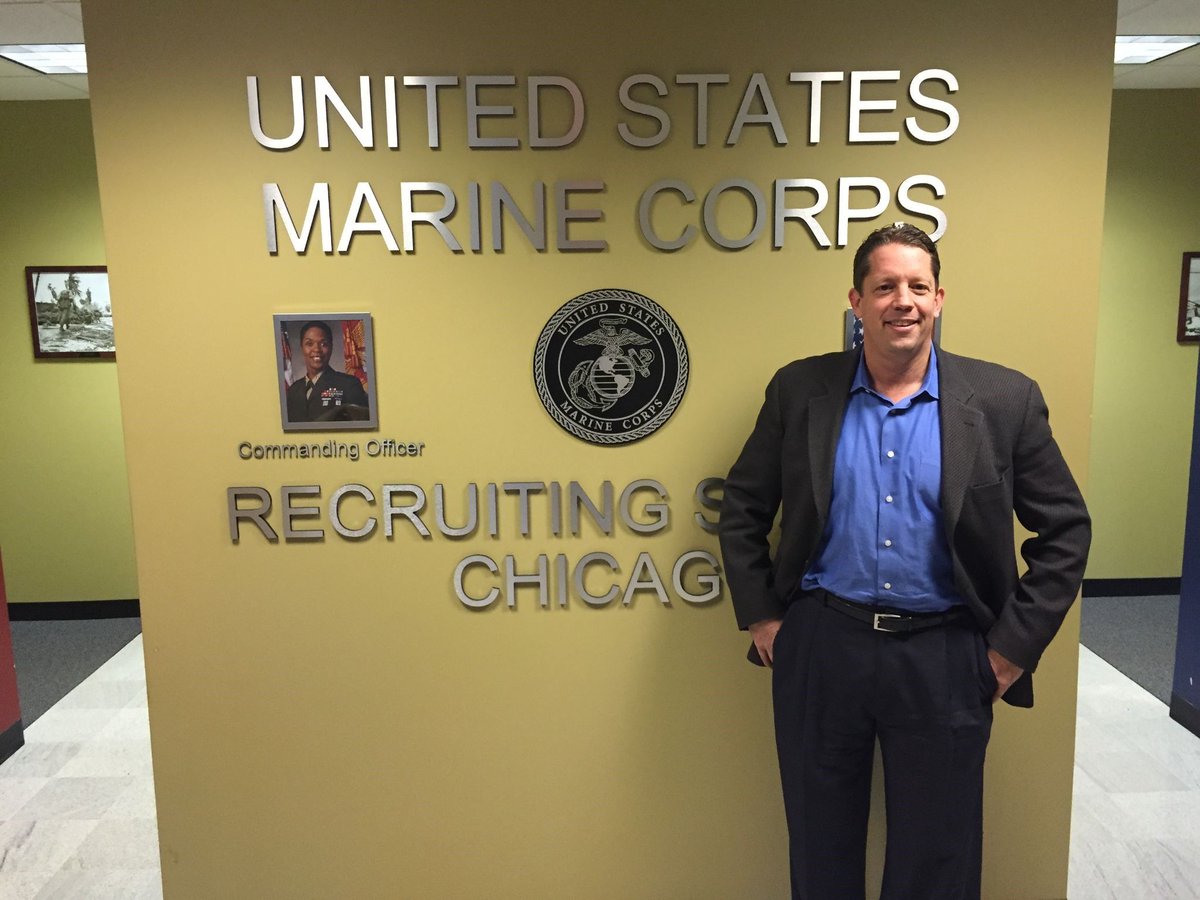
I used these techniques—and delivered an amazing session. The Marines loved it. And yes… they invited me back! 💪
🧵 Would you want to speak in front of 200 U.S. Marines?
I did—and I was the most nervous I’d been in a long time. A true Last 8% Moment.
Ironically, I was about to teach them how to perform under pressure. So, I had to practice what I preached…
I realized I was seeing this as a crisis instead of an opportunity.
I flipped my mindset:
✅ A chance to share valuable tools with those who serve our country.
✅ If it went well, I’d have a great story.
✅ If they loved it, they’d invite me back!
You can’t delegate culture change.
The difference between success & failure?
Whether the senior team truly owns and models the change they want to see.
Want a thriving culture? It starts at the top. 🎯
When senior teams aren’t fully committed—showing up late, resisting, not modeling behaviors—the dysfunction cascades.
The entire organization reflects their resistance. 🧵
What matters most?
✔ Senior leaders must embody the behaviors.
✔ They need to fix issues in their own team first.
✔ They must make culture work a priority in meetings.
✔ They can’t expect others to do what they won’t.
Whether you're leading a 65,000-person company or a small volunteer team, one thing remains constant:
🚨 Difficult conversations keep us up at night. 🚨
Why? Because our emotional memory holds onto every tough talk that didn't go well.
High performance requires hard conversations.
💡 They prevent issues.
💡 They strengthen relationships.
💡 They help you sleep better. 😌
The best part? You're NOT alone—everyone struggles with this.