For close to a 1000 years, Continental India has been a "holding operation"—plagued by invasions, conflicts, and disrupted trade. The North bore the brunt of land-based invasions, and its economic potential was stifled by political instability.
Trump’s negotiations with Iran were likely a smokescreen & Iran was caught by surprise following Israel’s precision strikes. Trump’s two-week window was also a smokescreen. He had already decided to attack Iran when he said he was open to negotiating. Tonight’s strikes prove it.
Ukraine gave up its nuclear weapons. Iran couldn't reach the finish line. Both suffered.
Israel built is secretly. North Korea built it at enormous cost. India & Pakistan built nukes braving sanctions & US pressure.
India alone managed to 'mainstream' & almost 'normalise' its nuclear status.
Lots of lessons here for other nuclear aspirants.
Trump is going to act in accordance with the national interests of the US. Ukraine is not a priority for this new administration. The Middle East is a priority, and the South China Sea, the Indo-Pacific, is the long-term, systemic priority as I outlined last year.
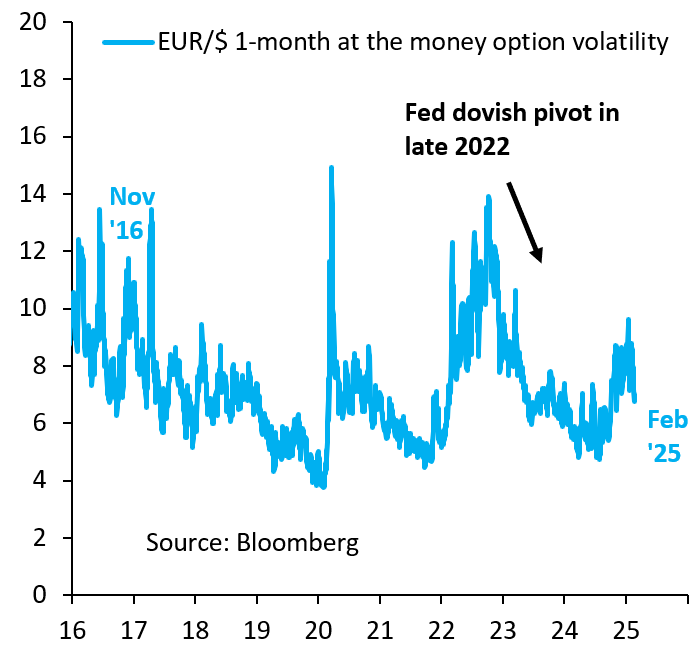
Direct negotiations between Russia and the US are the worst possible nightmare for Europe. The EU is being relegated to irrelevance and no one can be surprised after its truly appalling performance over the past 3 years. Markets saw this coming. Volatility is low and falling...
Russia's state oil firm Rosneft has agreed to supply nearly 500,000 bpd of crude to Indian private refiner Reliance in the biggest ever energy deal between the two countries.
The 10-year agreement amounts to 0.5% of global supply and is worth roughly $13 billion a year at today's prices. It would further cement energy relations between India and Russia, which is under heavy Western sanctions over its invasion of Ukraine.
@anasalhajji
#Velsig #geoeconomics #energy
The RBI just cut the cash rate by 50bps and kept the policy rate on hold at 6.5% as slowing government spending and a weakening manufacturing sector is dragging down GDP growth.
This is my short thread on examining the India-Japan investment and trade relationship & why they haven't changed much in 10 years despite India being a big domestic demand market that Japan needs.
I argue that this is symptomatic of what is happening to Indian firms themselves. They find it hard to scale and leverage the labor endowments the country has.
How do we change this? Well, by changing the norms of thinking that the government needs to micro manage everything. It should set framework but let Indian private sector flourish.
Let's go.
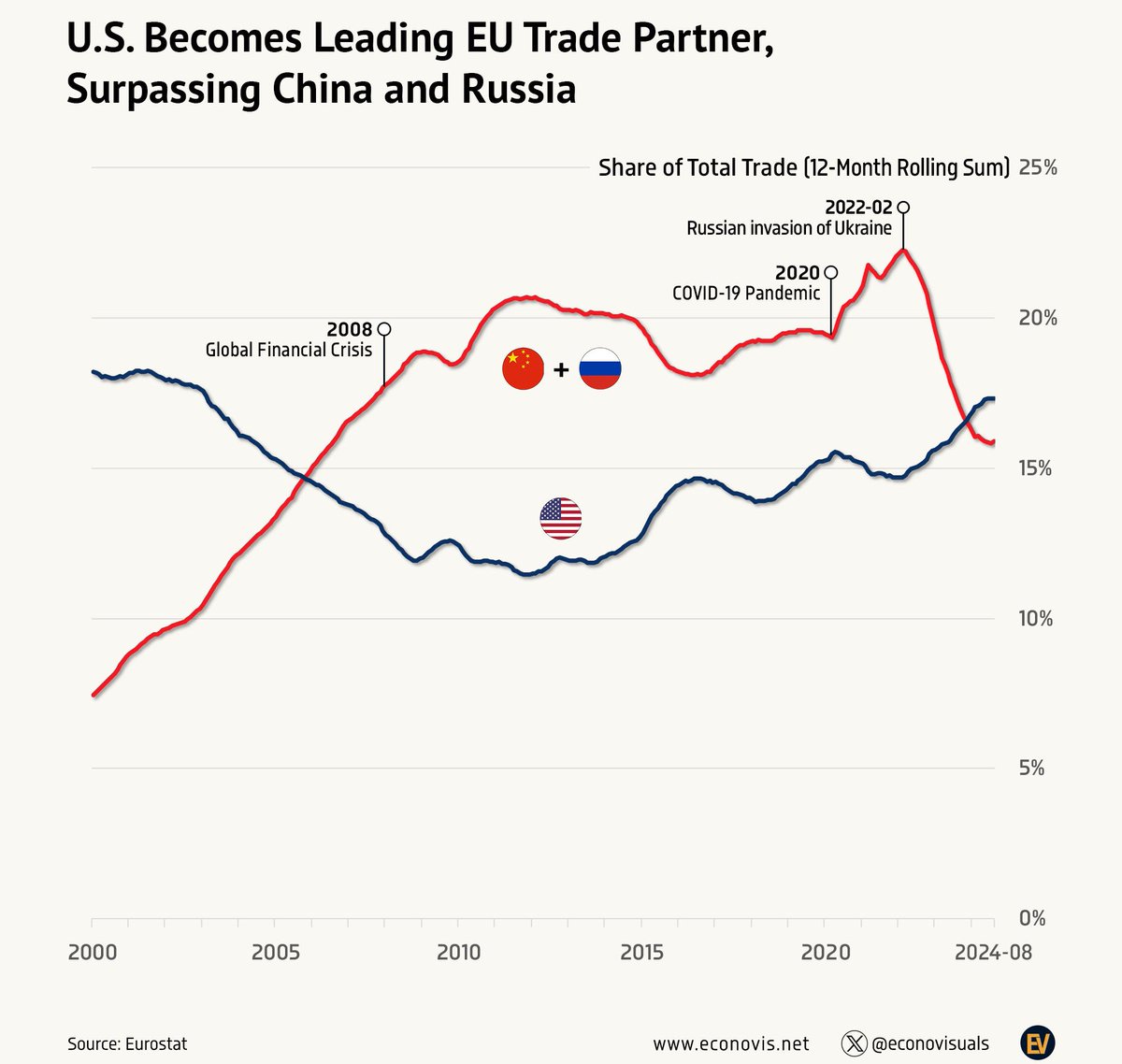
The new US administration will have a lot negotiating leverage with Europe. The exports oriented EU countries simply cannot afford substantial US tariffs. Good luck.
Chart @econovisuals
🇳🇱 Billionaire Bill Gates ordered by Dutch court to stand trial in the Netherlands for allegedly 'misleading the public about the safety of COVID-19 vaccines.'
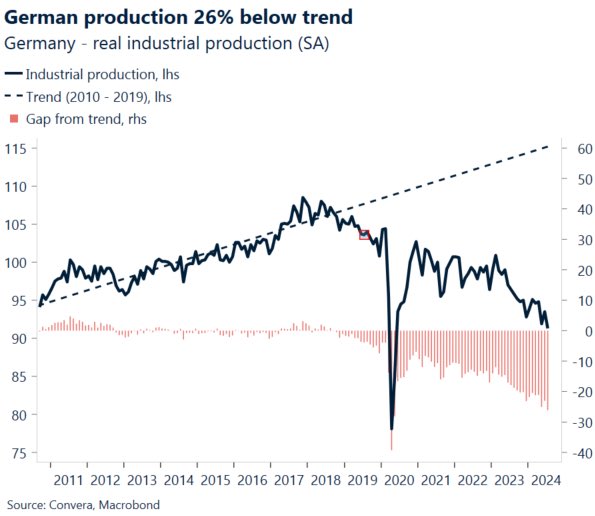
German business model was based on:
1. Cheap energy from Russia
2. Cheap subcontractors in Eastern Europe
3. Steadily growing exports to China
All three are gone by now. And we are in the good times, imagine what will happen during next recession. Gute Nacht Deutschland.
Chart @MacroKova
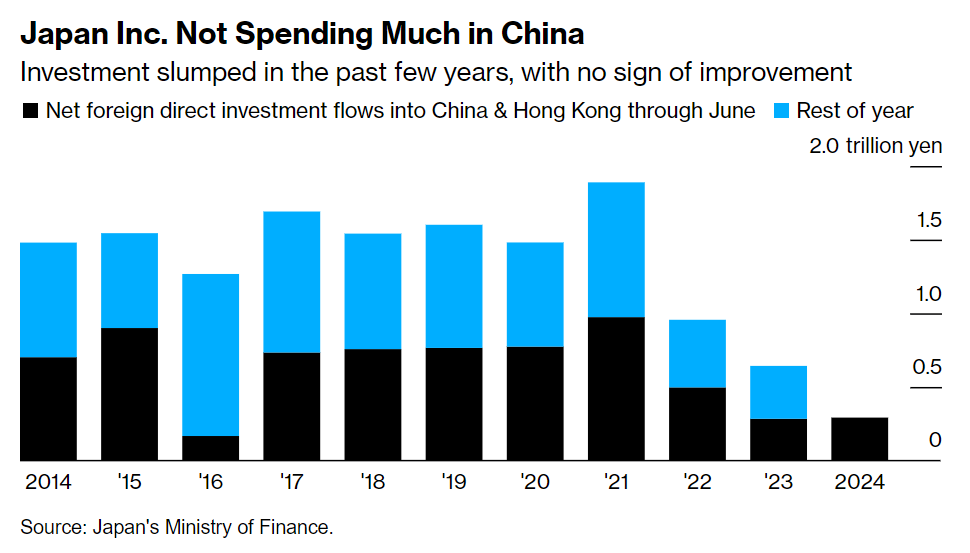
🇯🇵🇨🇳 - Japan leads the way for de-risking from China
• Japan's FDI flows to China are dropping, a shift after years when 🇯🇵 firms were among top investors in 🇨🇳
• Shift shows how geopolitics (see: US-China tensions, Taiwan worries) are reshaping global financial landscape
Informed people are aware that the US has shifted some of its aircraft carriers away from West Asia to the Asia Pacific region, primarily so they aren't at a risk of being sunk in West Asia.
By moving to the Asia Pacific they can pretend they can look as important as they did in West Asia, but now in the Asia Pacific.
Soon enough after visiting the Asia Pacific they will head home when the US believes no one is paying attention anymore.
Aircraft carriers are relics of an era that is no longer relevant. Hypersonic missiles rendered them obsolete.
They are a fictious power projection, believed to be relevant by those who are entertained.
As if it wasn’t clear already VW illustrates the giant, ticking time-bomb at the heart of Europe’s economic model.
The European economy is based on two things, industrial production and selling the past.