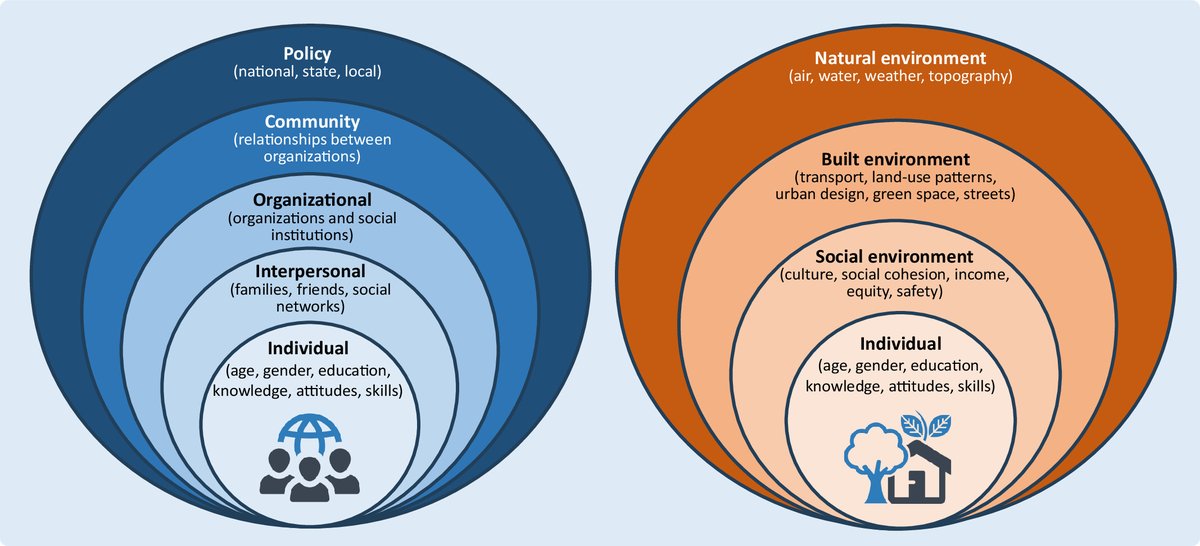
Physical activity behaviour isn't simply a "choice". It's why strategies to facilitate engagement in physical activity needing to go beyond just telling people the benefits of activity or the consequences of inactivity.
https://t.co/s2XzeGbTbL
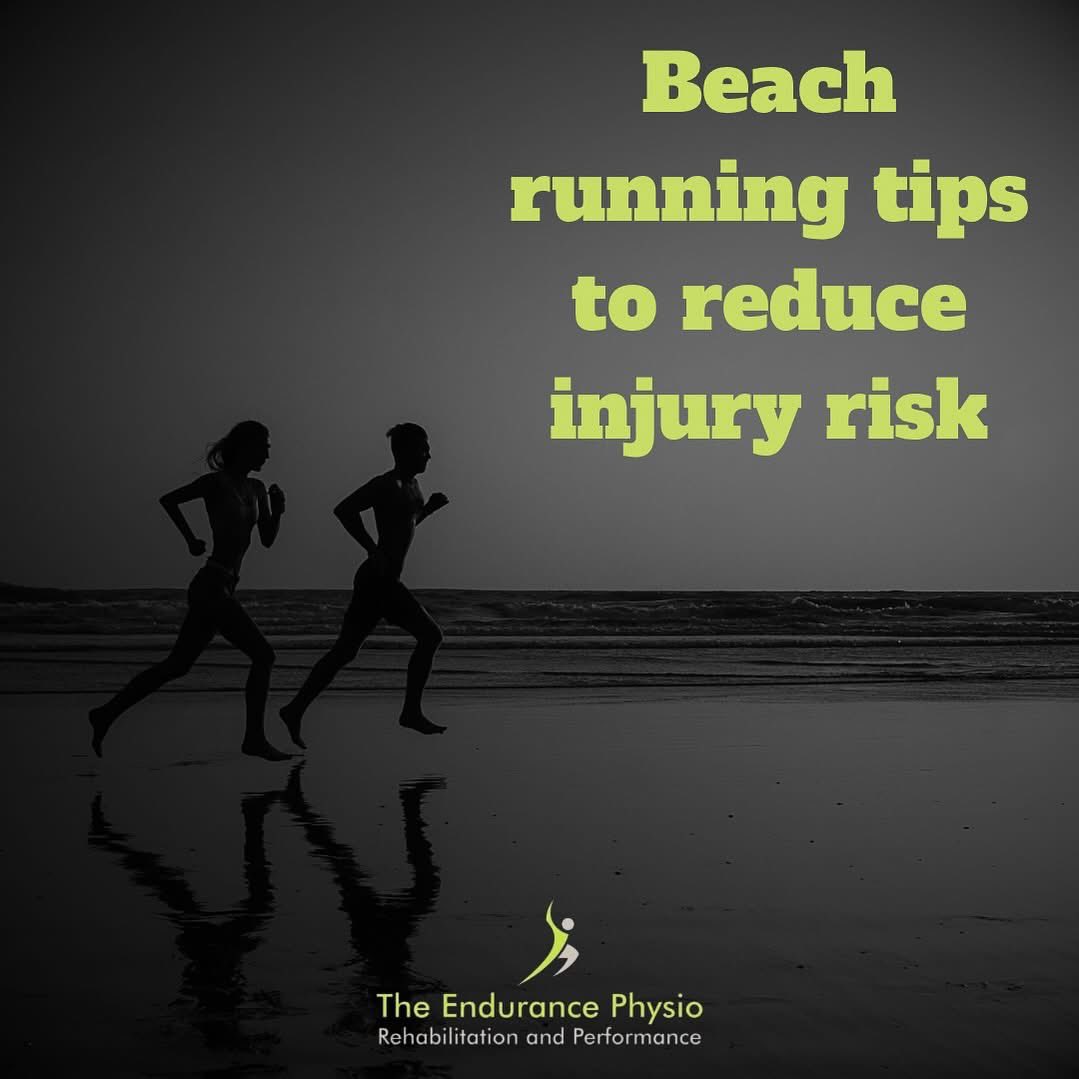
It’s that time of year when many of us look to enjoy some beach running.
Running on sand is hard though, many get sucked in that soft surface running is easier on the joints, but mid the fact that it’s very demanding on the soft tissue structures.
I see a spike in achilles, plantar fascia and calf muscle injury from those living near the coast here in South Wales each year.
Sand running can also burn up to 1.6 x more calories than hard surface running.
My top tips when starting would be:
1. If running in the soft sand, reduce your usual run session volume and distance by about half initially.
2. Run off feel / RPE not speed, it’s easy to make 10 min / mile feel really tough on soft sand.
3. Run in shoes not barefoot initially, the extra motion and forces through a barefoot can be too much very quickly. It also allows you to avoid sharp object injury.
4. Ideally, try to run at low tide or near the tide without getting wet, in the wet, hard packed sand. You’ll be able to replicate hard surface runs much more easily.
Frustrating few weeks in clinic fighting some of the long standing myths that continue to persist largely due to therapists continuing to spout these silly narratives.
I really wish therapists and coaches would stop fear mongering by telling healthy people their “glutes don’t work”.
They may be weaker than optimally wanted in some cases, but, and it’s a big but, glutes don’t work ONLY in the case of spinal cord injury, neurological deficit and extreme invalidity occasionally.
In short, if you can get up from a chair without help, then your glutes work, let alone run, swim or cycle!🤯
Some training may help optimise them of course, but please don’t think your glutes don’t work!🤦🏻♂️
And whilst I’m ranting - stop trying to predict muscle activation or firing sequences with your bloody fingers! Without EMG then it’s simply impossible by placing fingers on anatomical areas and trying to literally guess which fire first (which isn’t even that important in the majority of cases that therapists tend to think are!).
"We are fundamentally a process; we are not an object. We are a self-constructing story, continuously being told by a collective intelligence of multi-scale components." @drmichaellevin
https://t.co/l2ZMoteBC0 via @YouTube
A cell videoed through a microscope. DNA in the nucleus (red), the powerhouses/overlords of the cell, mitochondria (yellow), and the actin cytoskeleton (blue) are shown. #CellBiology
Thrilled to share the culmination of >4,000 hours of #XROMM analysis, out #OA in @PNASnews! Here we propose a new role for joint mobility in reconstructing vertebrate locomotor evolution -- a small contribution toward reframing this fundamental problem 🦖 https://t.co/kbEdPrd5PR
Three cells photographed through a microscope. DNA, mitochondria, and actin filaments are shown. So many overlay choices to pick from..... #CellBiology
If you need your order delivered in time for Christmas, please order by:
Midday on Weds 18th Dec (for standard delivery by Royal Mail)
Or, Fri 20th Dec (for express delivery with DHL)
This is a guide, not a guarantee. We strongly recommend placing your order as early as you can.
Just a small portion of the products we’re packaging up to ship to Fascia Shop in the Netherlands this week!
Fascia Shop is our official European distributor in the Netherlands.
Find all of our European distributors here: https://t.co/ugQ5Jh853E
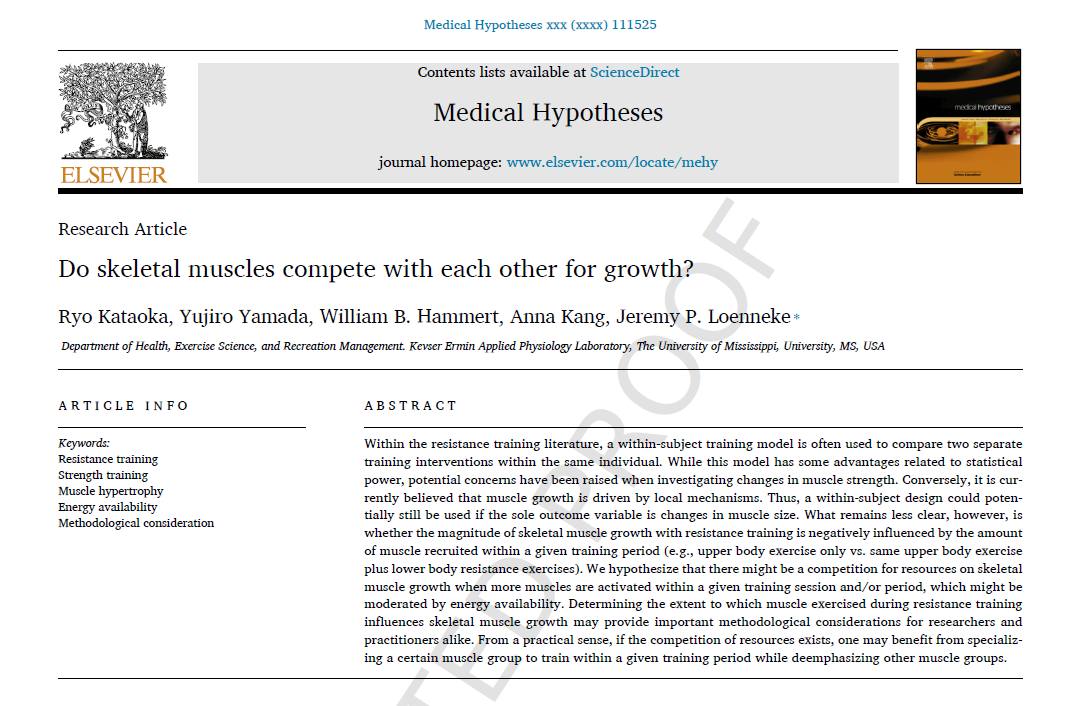
Do muscles compete with each other for muscle growth?
We discuss this idea, evidence for it, evidence against it, and how it might be tested in the future
#OleMissMuscle
Link: https://t.co/l7Z3afZNpr
Molecular mechanisms of exercise🏃♀️contributing to tissue regeneration in the
-Heart
-Muscle
-CNS & PNS
-Hematopoietic system
-Bone & Cartilage
-Liver
https://t.co/bq9Xd4Yu4H
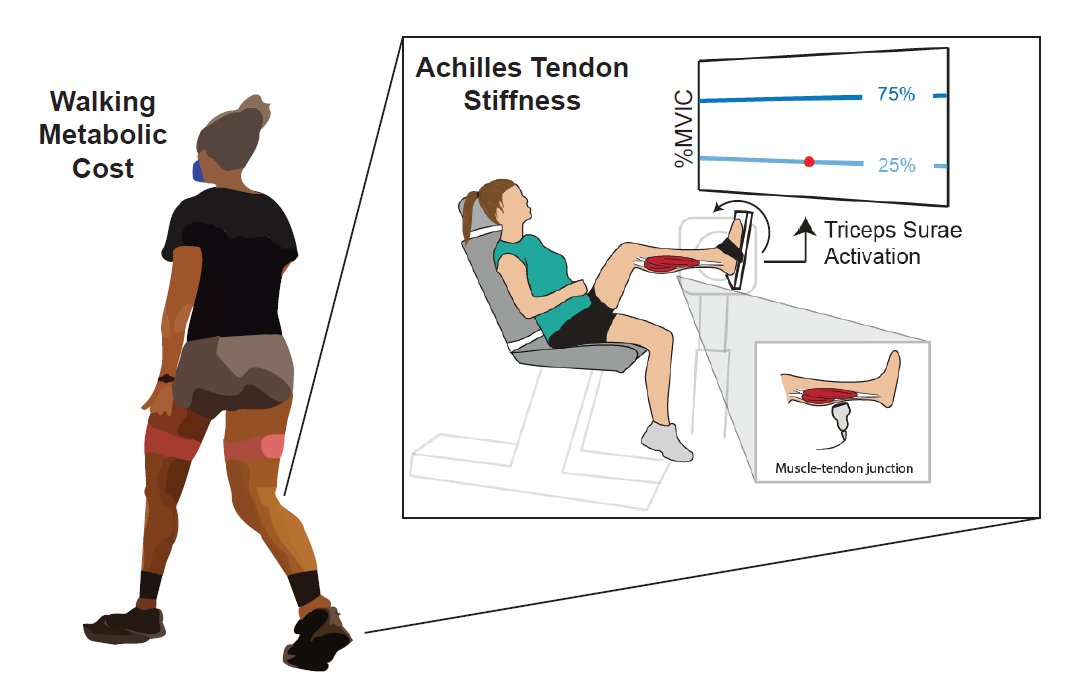
One of the most exciting culminations of our work in aging and muscle-tendon function out now in @japplphysiol: "Reduced Achilles tendon stiffness in aging associates with higher metabolic cost of walking"
https://t.co/sg7V78e26o
@gregory_sawicki@aubreygray98
Open Rank Faculty Position in @GTBiology at @GaTech.
Come tackle fundamental questions in physiology across scales with a focus on bridging interactions among function, behavior, and environment!
Apply by Nov 15 - https://t.co/FJHM5CSCdw
@ArteFact_Pro Isn’t that the opposite of what they suggest in the paper? You’re showing the ‘compression’ element bending - my reading if the paper suggests the bones compress