News about the fate of the marine biological carbon pump in the face of vanishing (sea-)ice project funded by the Swiss National Science Foundation @snsf_ch
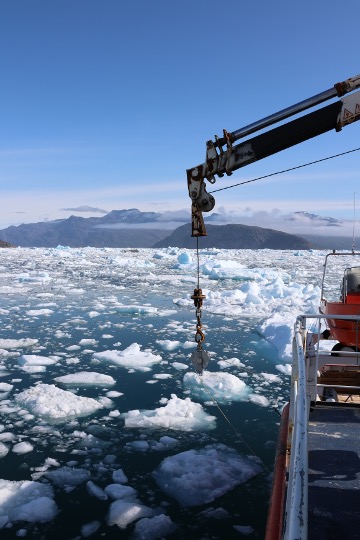
The ArcWatch/TransArc3 expedition (PS144) aboard the German research vessel Polarstern, presents a unique opportunity to revisit the Arctic after TransArc2 (2015).
👁️https://t.co/OieeGiMNHL
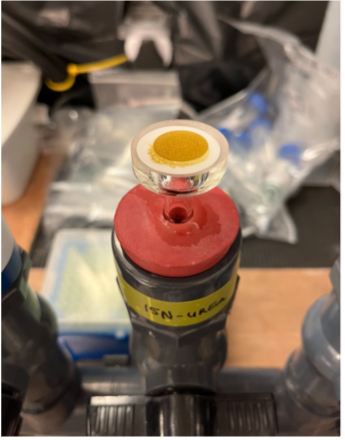
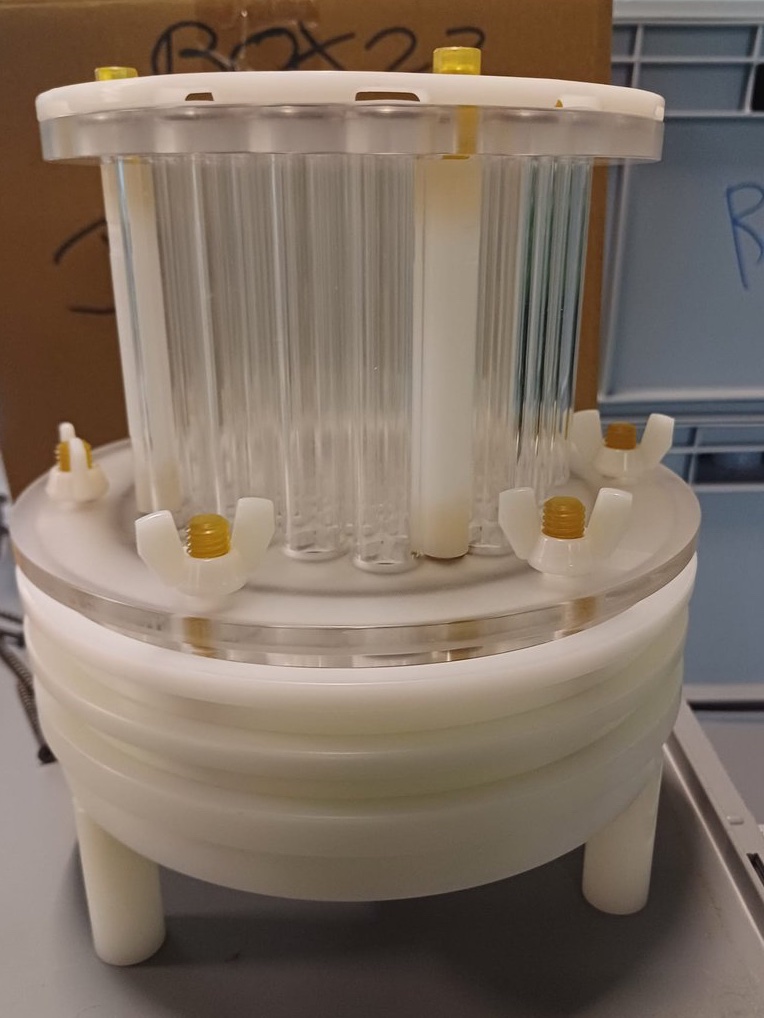
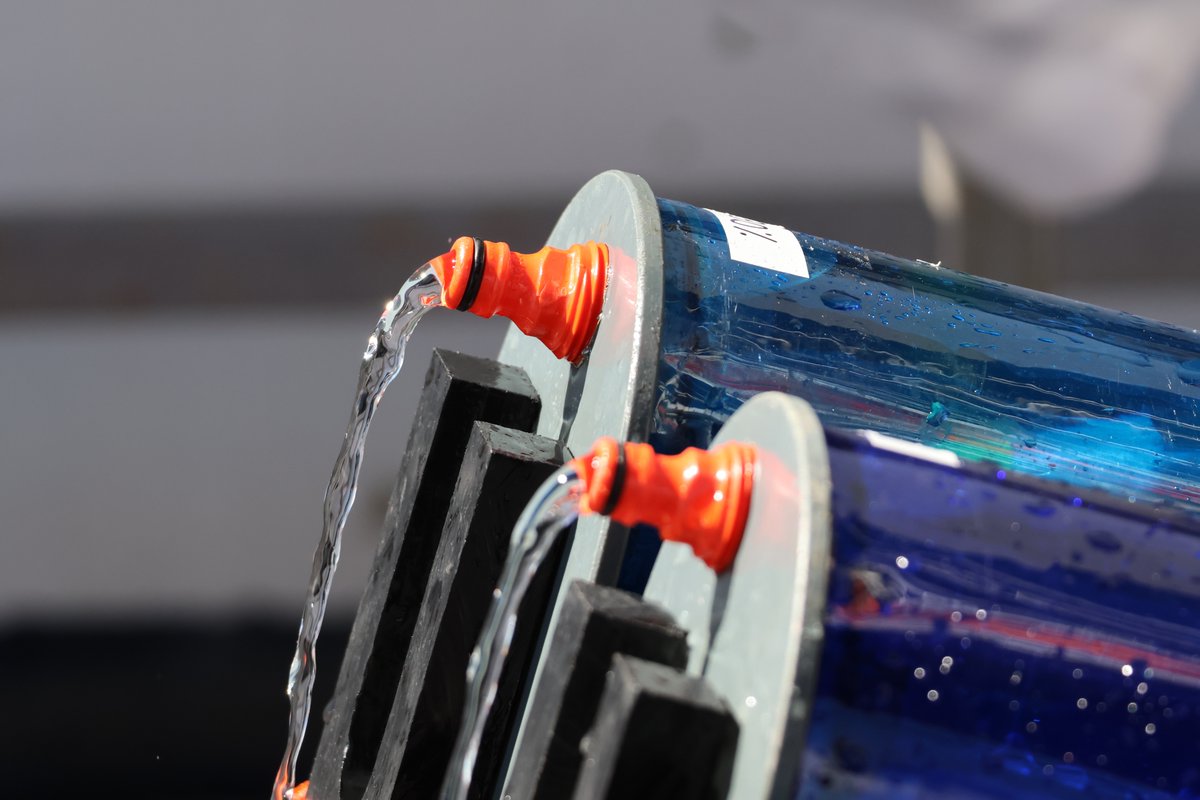
Stay tunned! Talking about water, here is seawater coming out of the incubation pipes of Amelia Deary from the University of Cape Twon. She will tell you more about her research at @NisotopesUCT in the coming two weeks. @iste_unil@epflENAC@snsf_ch@swisspolar@TOSOceanography
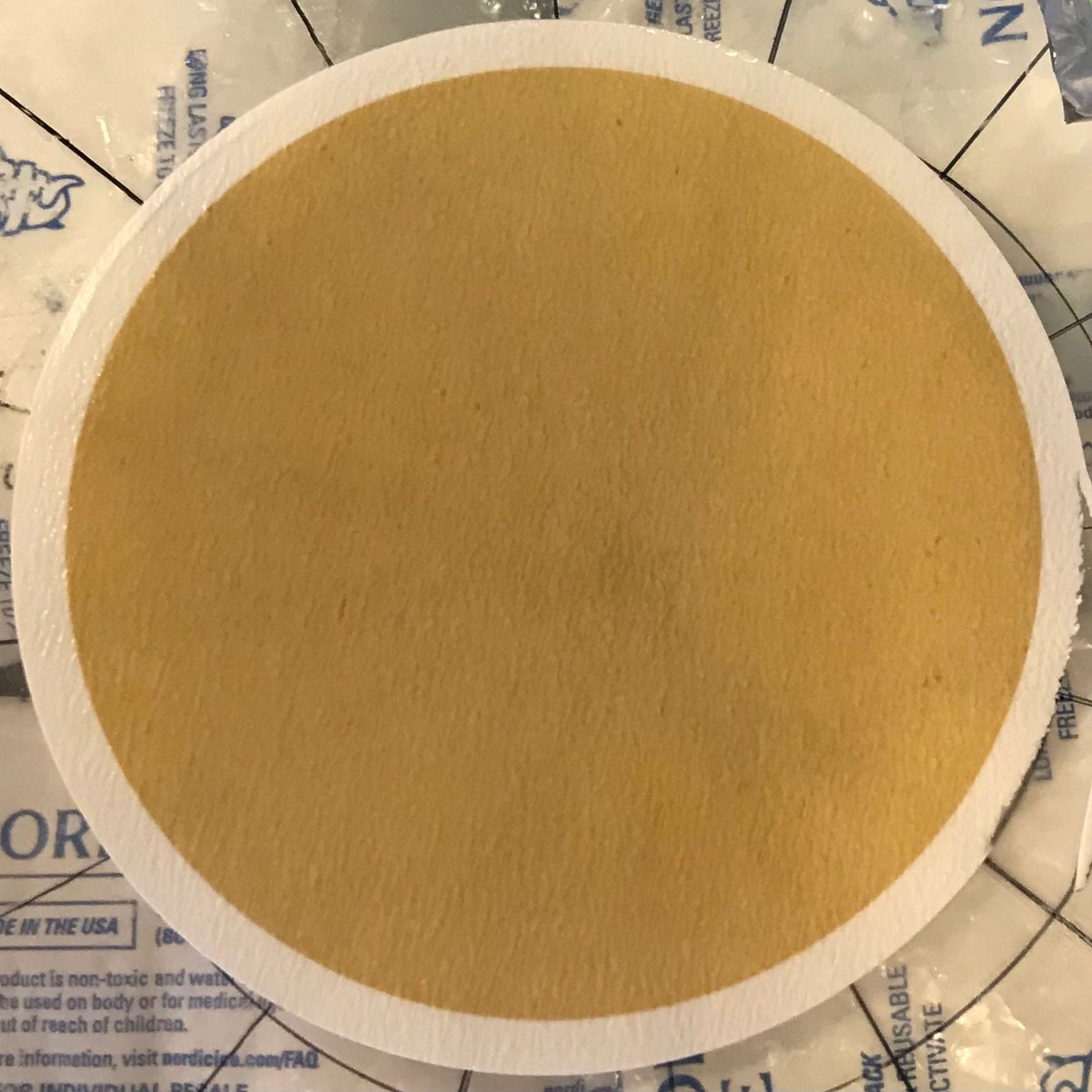
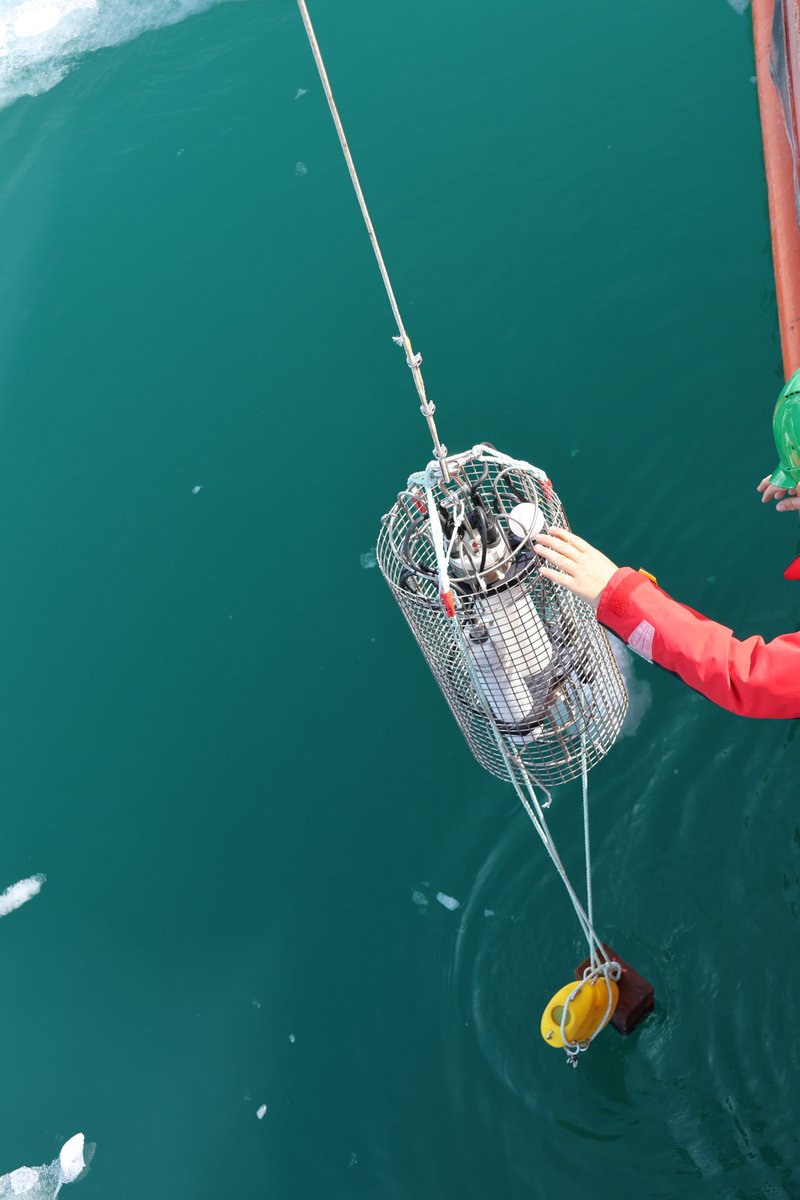
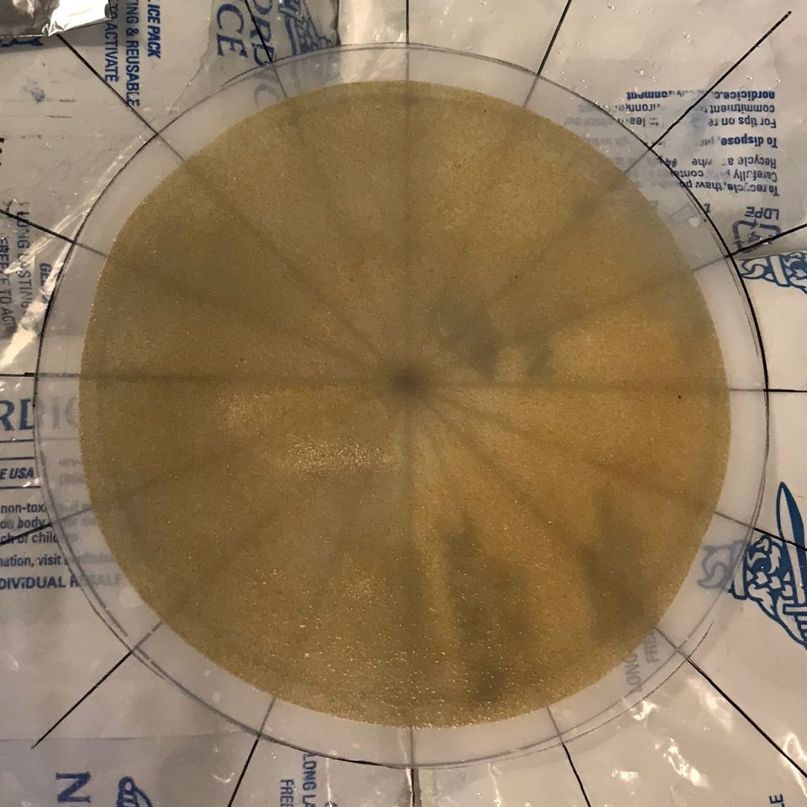
Large sinking particles are thought to drive marine carbon export. They are collected in the 51 micron pore size filter. Here is an example of one filter deployed at 6 m depth on the path of the East Greenland Current. @iste_unil@epflENAC@snsf_ch@swisspolar@TOSOceanography
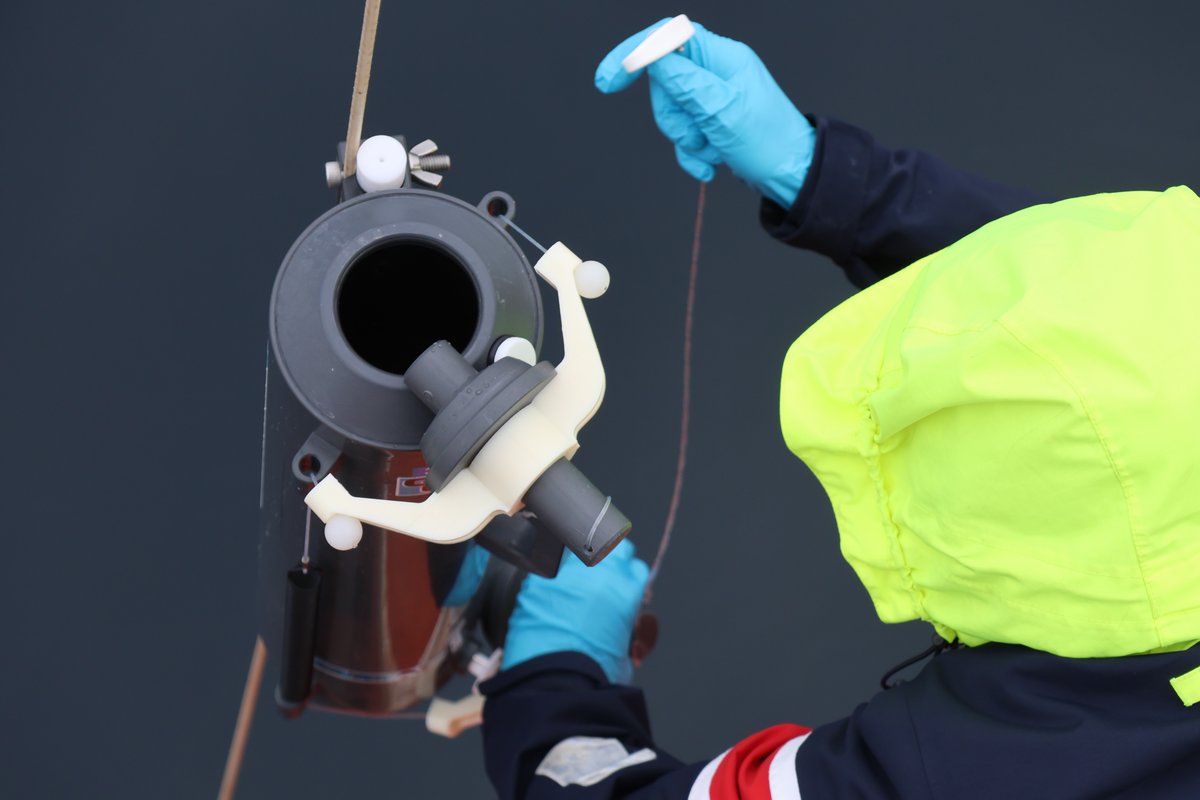
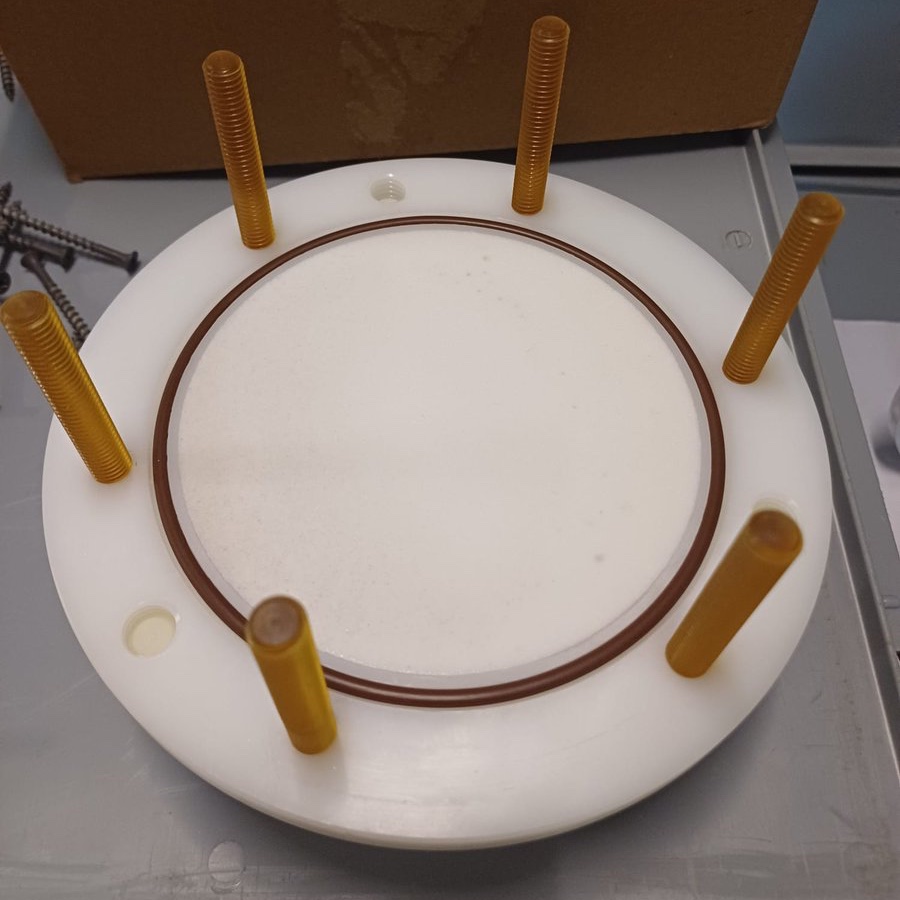
We aim to infer C export driven by sinking particles. That is why we usually placed 3 filters with 330, 51 and 1 micron pore size in @mclanelabs pump heads. The 330 serves to retain large plankton (swimmers), algae, etc. @iste_unil@epflENAC@snsf_ch@swisspolar @TOSOcenography