The longest piece of Thracian writing we have is just 61 letters scratched onto an ancient gold ring. To this day, experts still can't agree on what it actually says.
Ancient Thracian tribes reportedly wept when babies were born to mourn their future suffering. However, they threw joyful parties when someone died to celebrate their escape from the world.
The medieval Bosnian Church didn't answer to a Pope or a Patriarch. Their supreme leader was simply called the djed, which translates to "grandfather" or "elder."
The Bosnian Church did not fall to Ottoman cannons in 1463. It was destroyed four years earlier when the Pope told the king: abandon your church or I will let the Turks take everything. The king chose survival over faith.
70,000 mysterious medieval tombstones dot the Bosnian mountains. For decades, scholars claimed they were Bogomil heretic graves. Then UNESCO investigated. Turns out Catholics, Orthodox, and Bosnian Church members all used them.
Do not tread on me.
I was as you are.
You will be as I am.
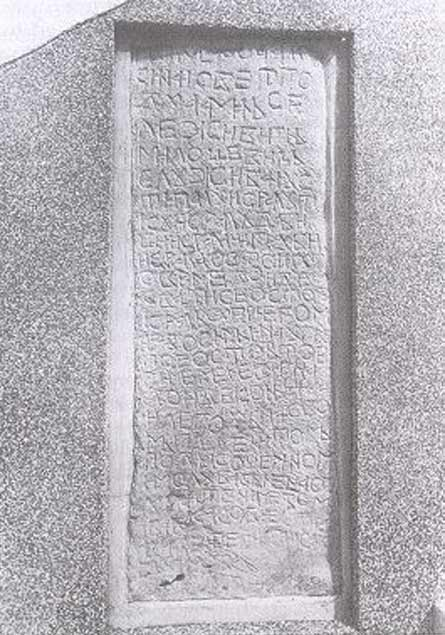
A 14th-century Bosnian knight Viganj Milošević had this carved on his tombstone. Just a dead man speaking directly to the living, warning them that death comes for everyone.
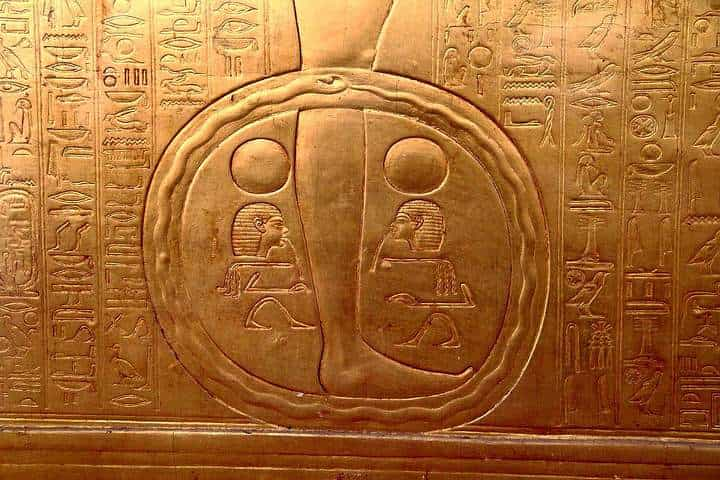
The earliest ouroboros, the snake eating its own tail, was found on a golden shrine inside Tutankhamun's tomb around 1350 BCE. That is over 1,500 years before it became the defining symbol of alchemy.
The famous screaming mandrake legend doesn't appear in any ancient Greek or Roman source. It was a medieval invention, possibly created by vendors to drive up prices for the root.
When Paracelsus became professor of medicine at Basel in 1527, he celebrated by publicly burning the works of Avicenna and Galen. His message: stop reading dead authorities, start reading nature.
Clay incantation bowls with spiral inscriptions were buried upside down under house floors in Mesopotamia (5th-7th centuries CE) to trap demons. The Penn Museum holds 285 of them.
Medieval women feared a Christmas visitor who would slit their bellies open and stuff them with straw. Her name was Perchta, and she punished anyone who had not finished their spinning by Twelfth Night.
In 1786, Cagliostro predicted that the Bastille will be destroyed from top to bottom. Three years later, it was. He made this prediction the same year he was acquitted in the Diamond Necklace Affair that helped trigger the French Revolution.
Anneliese Michel underwent 67 exorcisms over ten months and died of starvation in 1976. This case led directly to the Vatican's 1999 revision requiring medical and psychiatric evaluation before any exorcism.
In Haitian Vodou and Brazilian Candomblé, possession is not pathological - it is the entire point of the ceremony. The spirits 'mount' devotees who become their 'horses.' This is communion, not affliction.
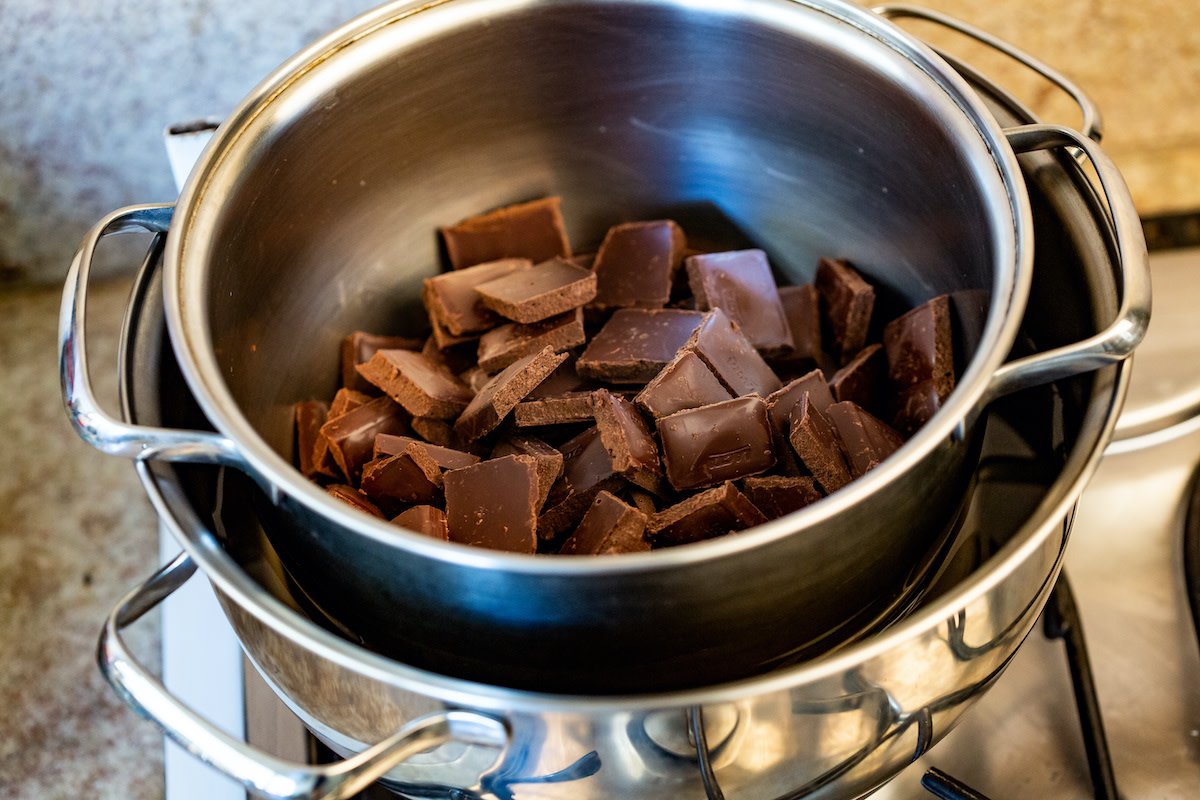
The bain-marie used in every kitchen today is named after Mary the Jewess, a 1st-century CE alchemist who invented it, along with the distillation apparatus that would form the basis of all later chemistry.
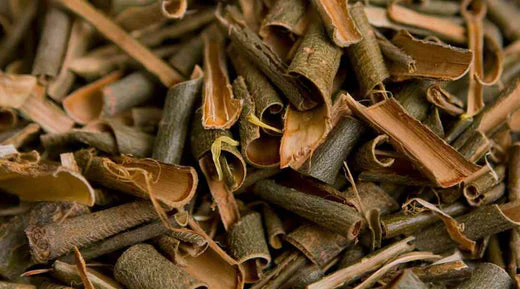
Willow bark was used for rheumatism because willows grow in damp places where the ailment strikes. It contains salicylic acid - the direct chemical precursor to aspirin. The signature was nonsense; the chemistry was real.