Optimal has been acquired by https://t.co/gDNgh2gzqv!
I never imagined I’d go this deep into greenhouses.
I started Optimal after seeing DeepMind cut the energy consumption of a Google datacentre by 40% using Reinforcement Learning. I was part of Shimon Whiteson's RL group at Oxford working on similar algorithms and that result changed the course of my life. If RL could optimise datacentres, why not other industries?
A few weeks later, I cold-called Frank van Kleef, owner of one of the largest greenhouses on the planet, and pitched him AI controlled greenhouses. He invited me to spend a few days there to see how they operated.
What started as a few days ended up being 9 years.
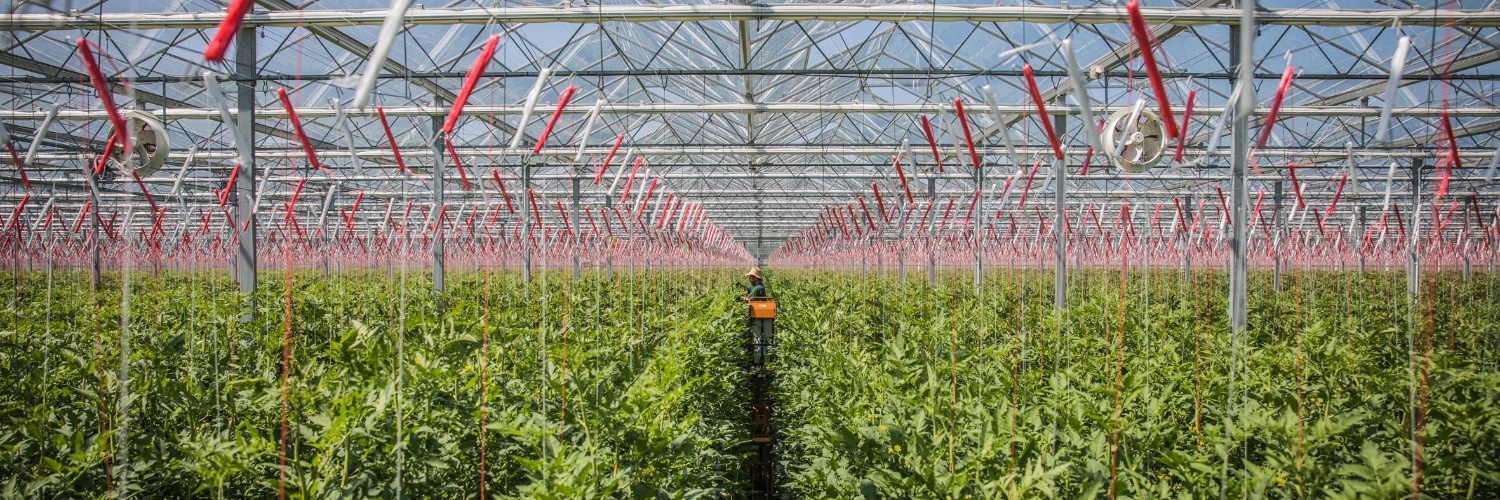
Modern greenhouses supply $30B of fresh produce per year and are critical for keeping vegetables affordable and available under extreme weather and water scarcity. But there are not enough growers to run them. This shortage prevents new greenhouses from being built and leaves our food system exposed.
This is the grand challenge Optimal set out to solve.
We built AI that directly controls greenhouses through existing hardware: heating, cooling, lighting, shading, thermal screens, CO2 injection, irrigation. We developed hybrid physics and machine learning models of the crop and the greenhouse, and embedded them in an AI controller, to plan the growing environment days ahead and re-optimise in real time as the weather changed.
In a commercial-scale greenhouse in the Netherlands we delivered 13% more yield with 27% less energy than the benchmark Dutch grower. Since then, our AI has run commercial operations in the Netherlands and Canada.
Joining Source is an important next step in our journey.
Source's software runs in more than 500 greenhouses across 25 countries, monitoring the crop, forecasting harvests, and automating irrigation. They hold the world's largest dataset on greenhouse crop growth.
Optimal adds control of the greenhouse itself.
Together, we close the control loop: observe, orient, decide, act. Growers run 10x more greenhouses, at higher yield and lower cost. This removes the barrier to scale and lets greenhouses be built anywhere on earth, supplying affordable produce under ever more extreme weather and energy volatility.
Excited to build the next steps with Rien, Ernst and the rest of the Source team.
@RamaswmySridhar Anthropic have brand. It’s now enough for them to match SOTA in performance to have a differentiated product. They don’t need to exceed. They also have the people and so matching SOTA is trivial.
Today’s review marks a huge step forward for UK spinout founders 🇬🇧
It adopts almost all of the policy reform proposals I made via @spinoutfyi and have been pushing on for 2 years.
A few thoughts on why this is a big day for the ecosystem and UK science&tech below:
Flow has raised a $50M Series B at a $750M valuation, co-led by Antonio Gracias (Valor) and Gavin Baker (Atreides) with Sequoia Capital, Roelof Botha (SpaceX, Block), and more.
When I became a mechanical engineer, I wanted to invent. In reality, 90% of the day to day execution work (CAD, excel, sim) was digital manual labour. That’s about to flip. The engineer’s role will change more profoundly than at any point since the invention of CAD, with humans focusing on invention, architecture, tradeoffs and judgement calls, and agents taking the grunt work.
Anduril, Joby, Stoke Space, Rivian & many more - Flow is now the default platform for requirements and verification for frontier hardware teams. But it’s not just next-gen anymore. Industry giants including General Motors PPU and Volkswagen & Rivian’s joint venture (RV Tech) are reshaping their core development practices with Flow’s AI.
The revolution is just starting. Models are getting better quickly at CAD, analysis, simulation, and tool use. In the next year, AI will move from integrating the work to doing the work.
One day, this shift won't just enable us to iterate faster, it will enable us to design a class of products that we could not have dreamt of before.
We’re hiring.
Son, I’ve just been handed this rainbow-colored icebox you’re calling a “holistic operational environment,” and I’m here to tell you — before the coffee in my cup gets cold — exactly what I think of it.
We do not fight wars by arranging pastel building blocks in a conference room. We fight wars by standing on a wall at two-thirty in the morning, soaked in sweat and grit, praying the radio stays quiet and the mortar tubes stay silent. While you’re shading in “cognitive dimensions,” there’s a nineteen-year-old corporal out there wondering if tonight is the night his luck runs out. His life does not fit inside your color-coded cube.
And don’t wave “systems thinking” at me like it’s a revelation. I lead a system every day: Marines with rifles, pilots with ordnance, sailors with steel decks under their boots. That system runs because men accept risk, bleed for each other, and obey orders no matter how dark the night gets. You want to honor them? Hand them ammunition and a plan— not a kindergarten art project.
Analysed Github Copilot ToS and Cursor ToS via GPT. If they use your code to train their models despite you opting out then there is a small chance you can successfully sue.
How do devs handle this?
Tariffs might be the thing that finally makes high tech greenhouses work in America.
(Dave’s been working on how to run them with AI as good Holland’s best)
@jasmygeo Don't forget Canada!
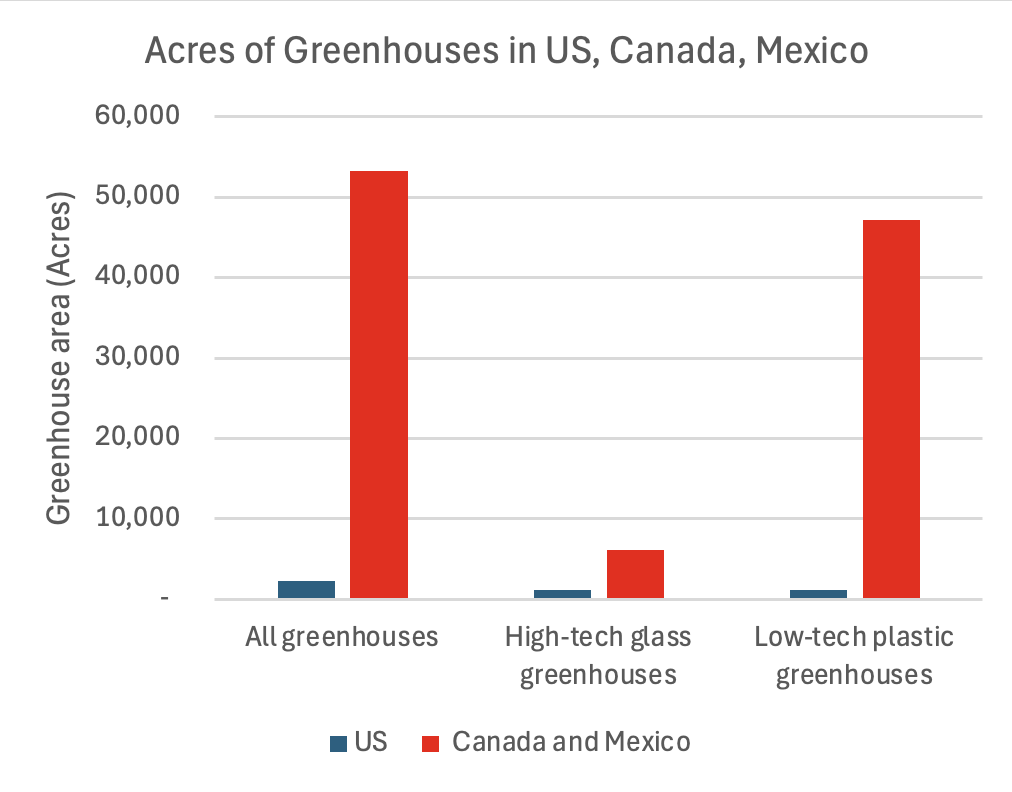
The US imports a staggering 88% of greenhouse tomatoes from Canada and Mexico.
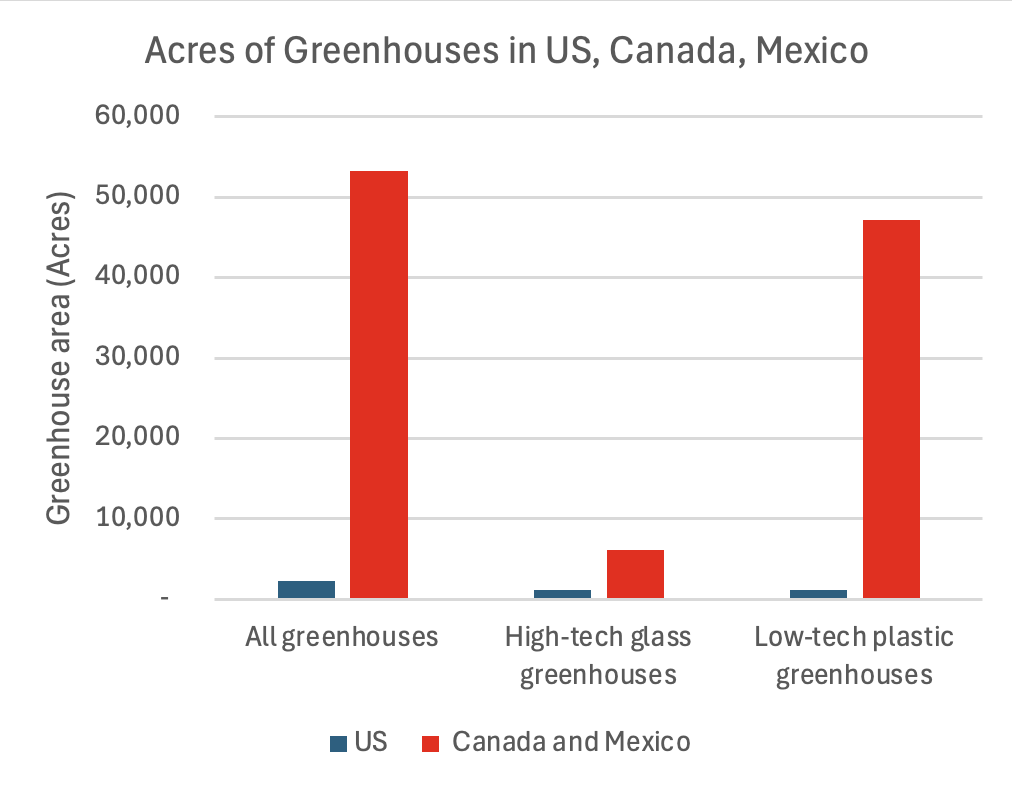
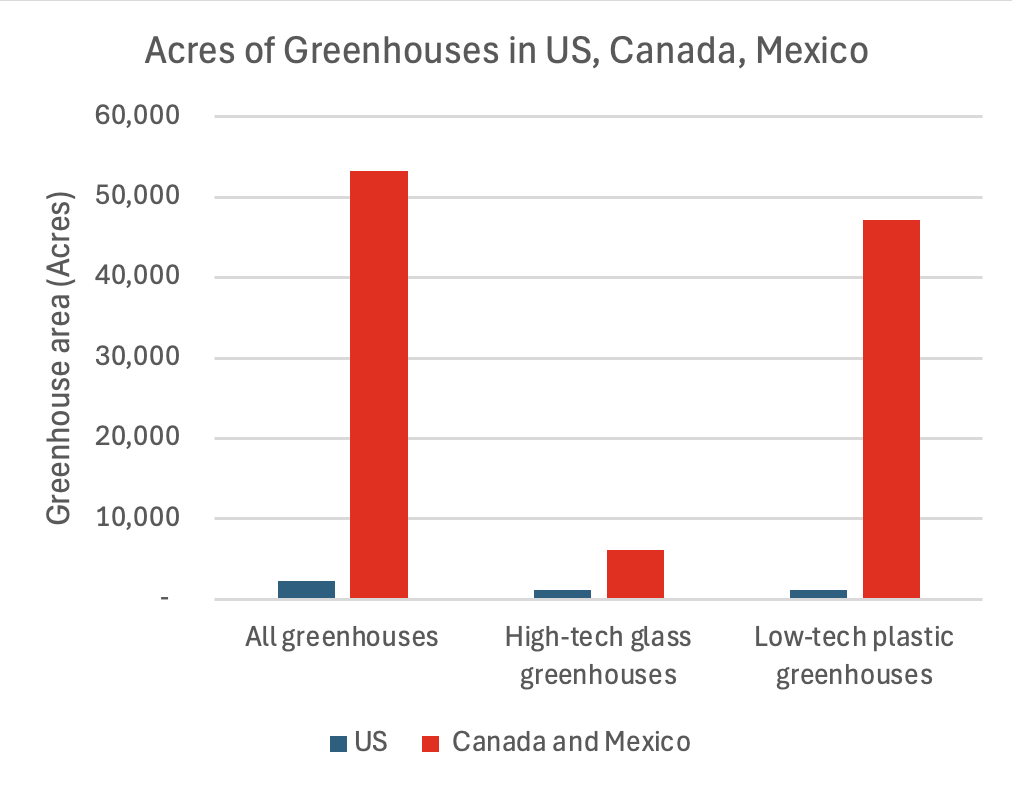
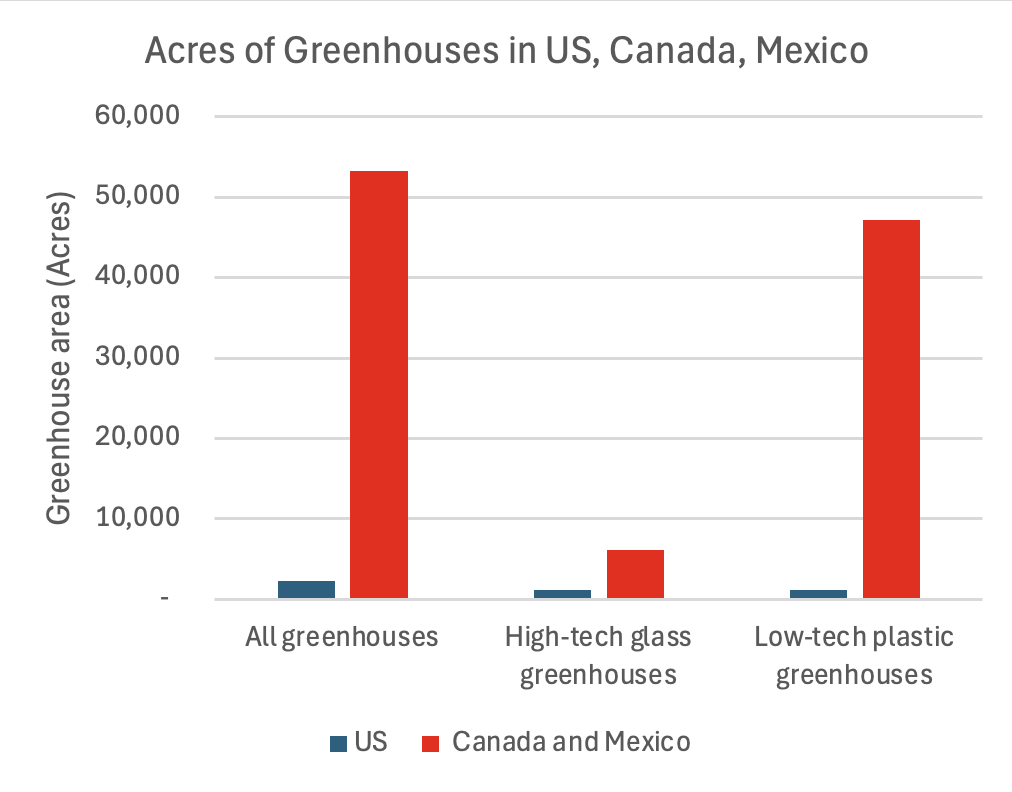
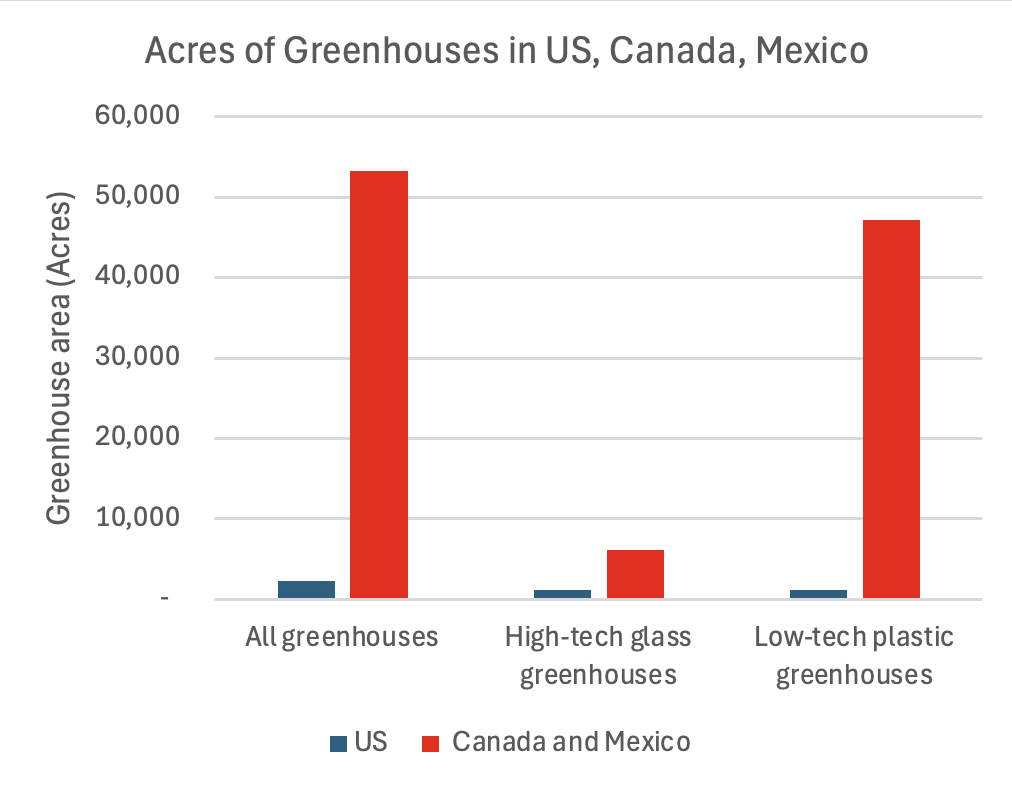
Canada and Mexico have built 5x more high-tech glass greenhouses and 40x more low-tech plastic greenhouses than the US.
https://t.co/KIX1VDtfY6
@iAnonPatriot Huge opportunity to build American greenhouses. But it will take time.
The US imports a staggering 88% of greenhouse tomatoes from Canada and Mexico.
Only 12% is grown in American greenhouses!
https://t.co/KIX1VDtfY6
@JosephPolitano Huge problem in Winter - US imports a staggering 88% of greenhouse tomatoes from Canada and Mexico.
Only 12% is grown in American greenhouses!
https://t.co/KIX1VDtfY6
@Acyn Mexico and Canada!
The US imports a staggering 88% of greenhouse tomatoes from Canada and Mexico.
Only 12% is grown in American greenhouses!
https://t.co/KIX1VDtfY6