If you are not a gymnastics fan, you have the opportunity to become one today!!! Start your year off by becoming a fan of a new sport. I’m certain you will not be disappointed.
Happy Cyrus the Great Day! 📜
Cyrus the Great (600–530 BC), a monumental Persian king, established the vast Achaemenid Empire, stretching from the Mediterranean to the Indus River.
After his peaceful conquest of Babylon, Cyrus made a groundbreaking decision: he set all captives free. He gave the captive Hebrews a choice: stay in Persia or return to Jerusalem. This historic act was documented on the Cyrus Cylinder, now celebrated as the world's first human rights charter.
This cylinder, more than just a piece of history, embodies principles that championed religious freedom and put an end to forced labor. It stands as a testament to Cyrus's vision that every individual, no matter their beliefs or roots, deserves respect and dignity.
The Persian civilization has gifted the world with great poets, scholars, philosophers & thinkers, embodying humanistic ideals even before the rise of human rights as a concept. Much of the Islamic world’s scholarship and clerics trace their heritage to Persian civilization, with its influence extending from Iran, Afghanistan, Central Asia to Xinjiang, areas along the Russian frontier, India, and into Turkey.
Today, the essence of Persian culture in Afghanistan is shared among many ethnicities, from the Tajiks to the Hazaras and the Uzbeks to the Pashtuns.
We should be incredibly proud of our history and look to uphold its legacy.
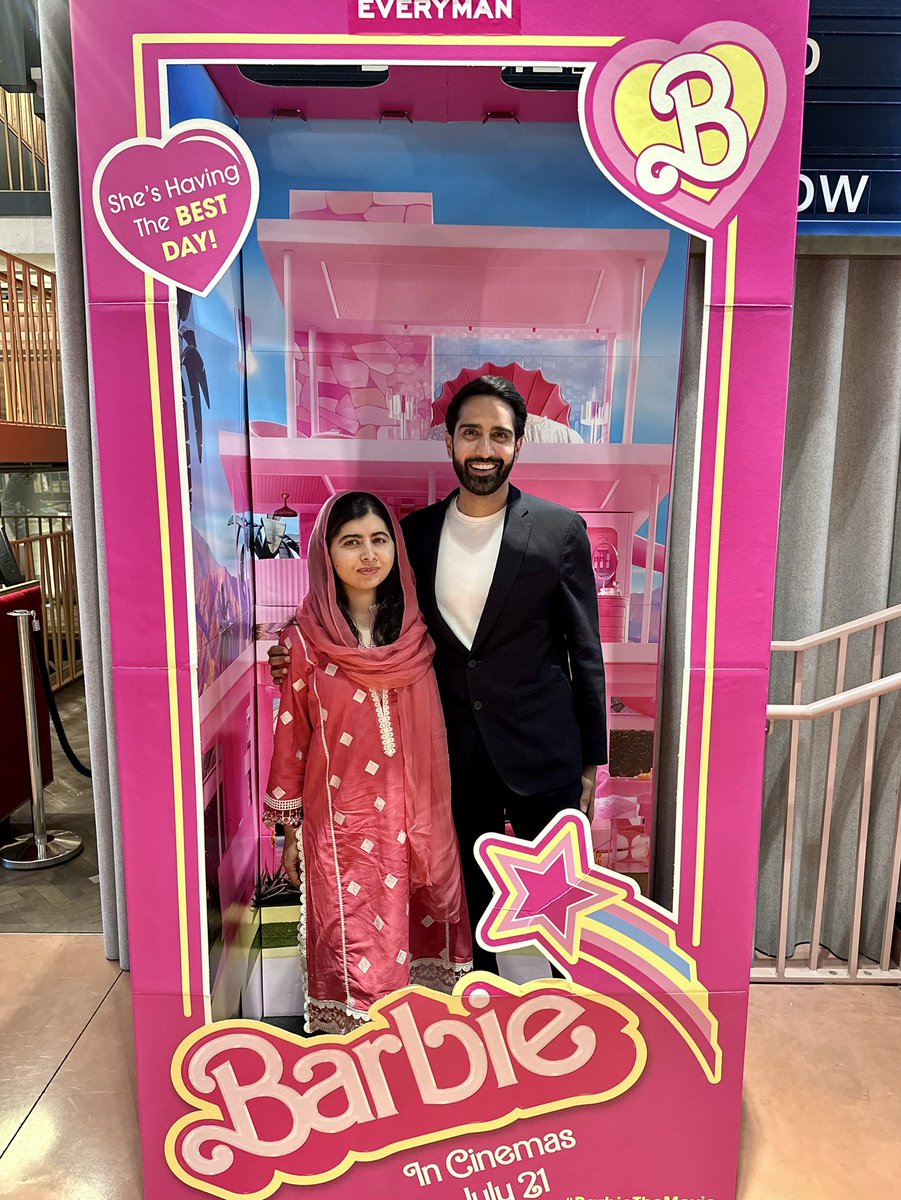
Randall Park says Hollywood keeps “taking the wrong lessons” from successful movies.
“For example, ‘BARBIE’ is this massive blockbuster, and the idea is: Make more movies about toys! No. Make more movies by and about women!”
(https://t.co/AC8cKe9jWL)
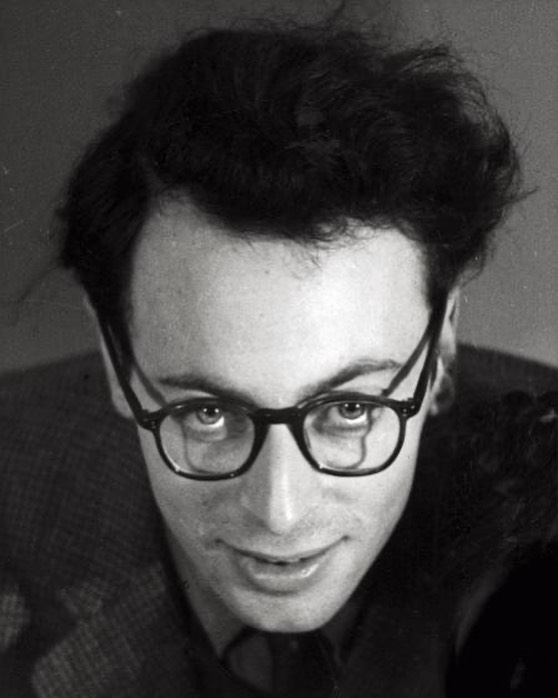
After the Nazis took Adolfo Kaminsky's mother's life in 1941, he became a part of the French resistance when he was 17.
Throughout World War 2, he spent most of his time creating fake passports in a hidden lab in Paris. It's believed that he helped save around 14,000 French Jews.
“I’ll always remember our biggest request for documents. 300 children in 3 days. It wasn’t possible. I had to stay awake as long as possible. Fight against sleep. The math was simple. In one hour, I made 30 fake documents. If I slept for one hour, 30 people would die. My biggest fear was making a technical mistake, any little detail that might escape me. On every document rests the life or death of a human being. So I worked, worked, worked until I passed out. When I woke up, I kept working. We couldn’t stop."
Growing up, my sisters and I had literally hundreds of Barbies. We had maybe 4 or 5 Ken dolls.
We treated Ken as basically just another accessory for Barbie. We only pulled him out for weddings or princess balls- a necessary evil, but the rest of the time, he basically didn’t exist.
Our Barbies would have huge families of entirely females and the unspoken narrative was that the men were just perpetually “on a business trip”.
The Barbie world we created was 100% a world where girls ruled and boys drooled.
The movie sounds pretty on point to me, from what I’ve heard (haven’t seen it).
Pictured: a sampling of my most-played with Barbies
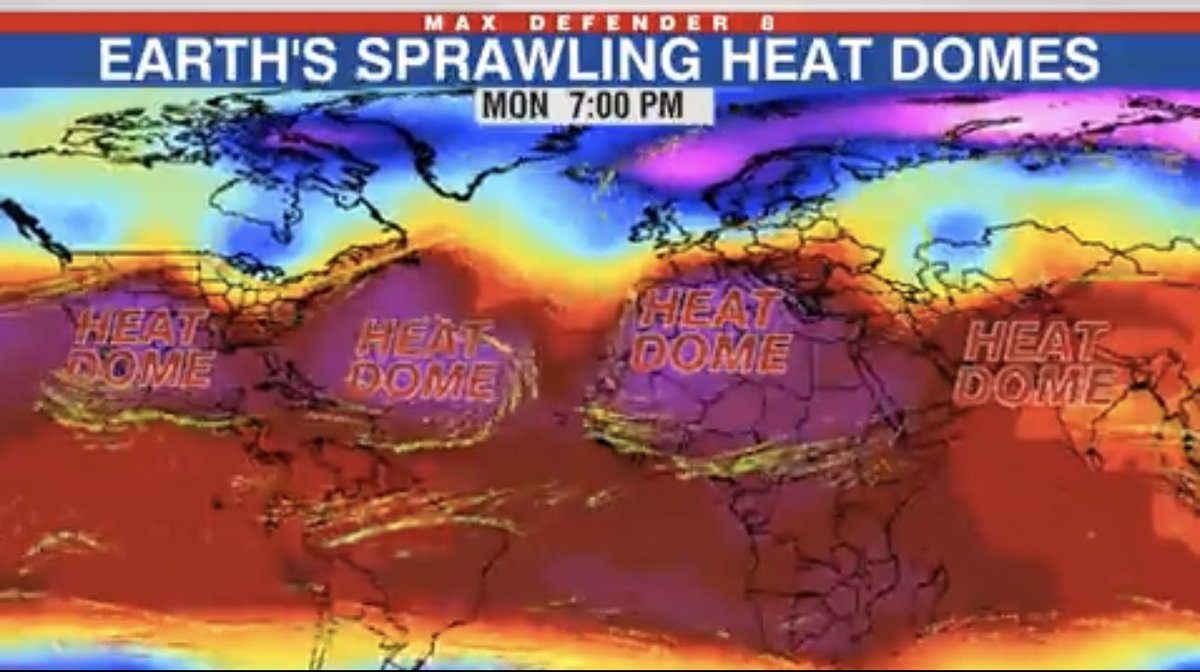
This is bad. As a species, we must adjust and as a nation, we must declare a climate emergency.
This isn’t about partisan politics, it’s about life as we know it.
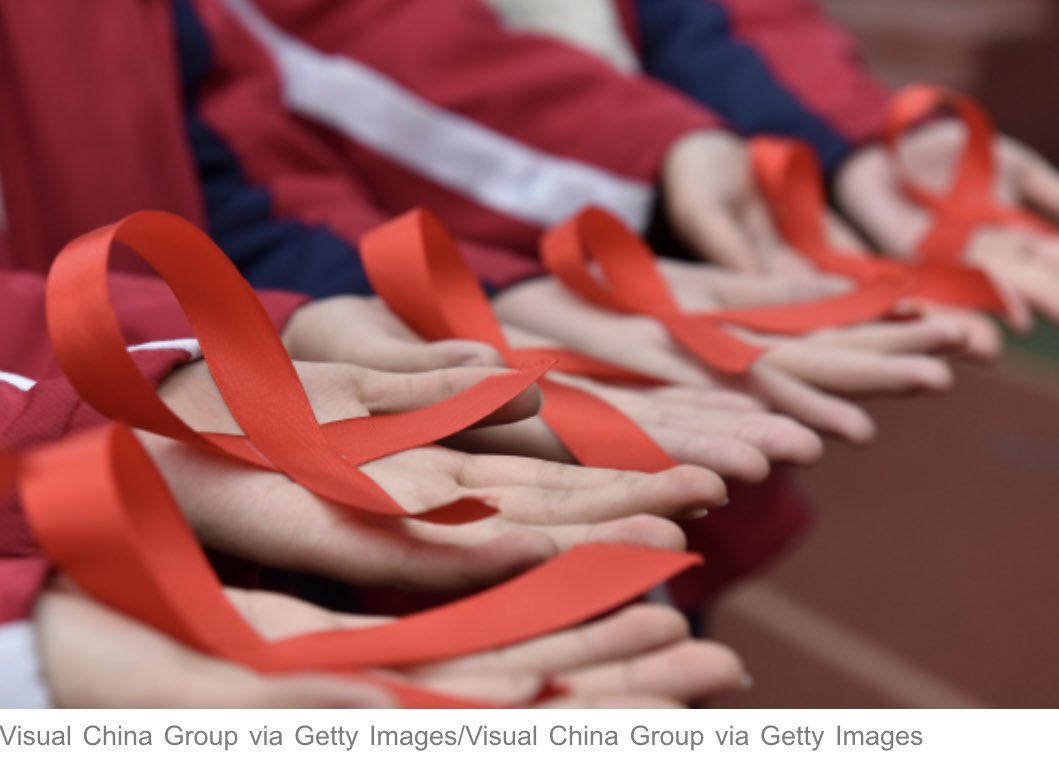
BREAKING: A new report shows that the end may be in sight for AIDS, the world’s deadliest pandemic.
The Joint United Nations Program on HIV and AIDS says that Botswana, Eswatini, Rwanda, Tanzania and Zimbabwe have all reached “95-95-95” targets, meaning 95% of the people who are living with HIV know their status, 95% of those people are on lifesaving antiretroviral treatment, and 95% of people in treatment are virally suppressed.
Across eastern and southern Africa, new HIV infections have been reduced by 57% since 2010. Also since 2010, the percentage of pregnant and breastfeeding women living with HIV who have access to antiretroviral treatment has nearly doubled, and new infections among children have more than halved.
There’s more work to be done, but the UN said the world could end AIDS by 2030 with sufficient investment from global leaders.