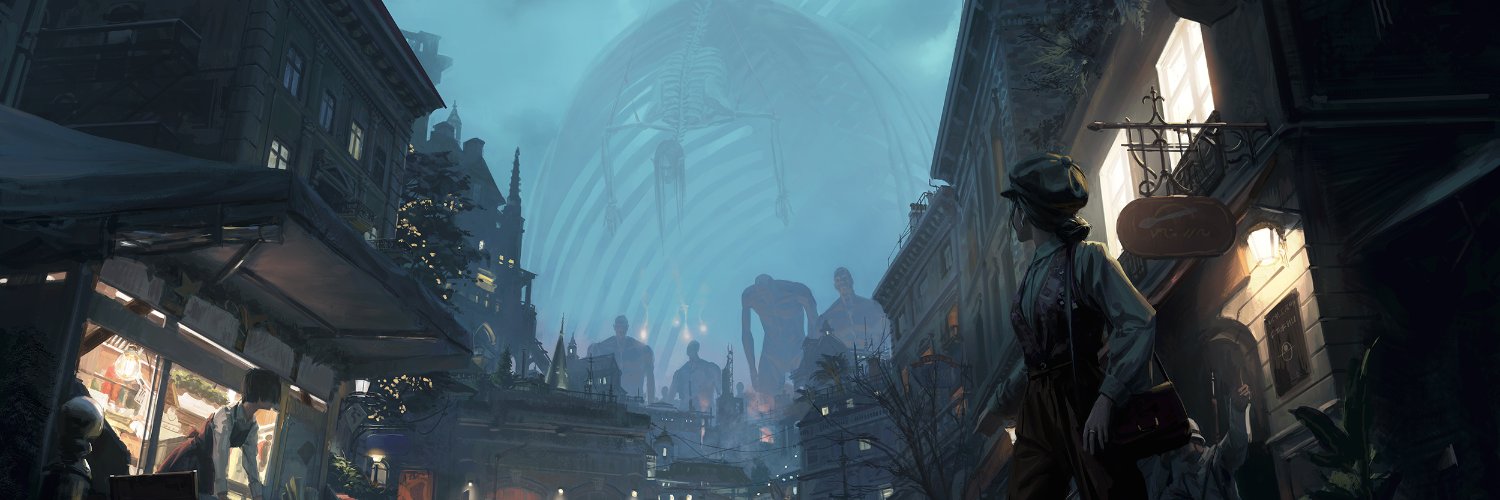
¡PRAGMATA ya está disponible con #RTXON, path tracing y DLSS 4!
Para celebrarlo, sorteamos esta GeForce RTX 5090 personalizada con los personajes de Hugh y Diana, perfecta para la aventura que te espera en la Luna.
¿La quieres? ¡Escribe PRAGMATA RTX en los comentarios para participar!
Cada uno puede disfrazar la realidad como le guste...sin duda.
Pero los jóvenes y sus familias comienzan a NO tener dinero para carnets de conducir y mucho menos coches
For 30 years, safe rooms have given us respite from terrifying monsters (mostly…) and provided some much needed comfort in our darkest moments.
Here are some of our favorite safe rooms. Which ones are yours?
#RE30th
X-rays of Carreño de Miranda's 1681 portrait of the King Charles II of Spain show that the artist painted over an earlier portrait of the King in his youth....
Modern technical imaging, particularly X-radiography, has revealed that the canvas contains an earlier composition beneath the visible surface, showing the king at a younger age.
Reusing canvases was not unusual in the 17th century, especially in royal workshops where materials like fine linen and lead-based pigments were costly. Rather than discard an earlier likeness, artists often painted directly over it, adjusting the figure to reflect age or updated royal imagery.
The X-ray shows changes in facial structure, posture, and costume, indicating a full reworking rather than minor corrections. These scans also help conservators understand layering techniques, including the use of lead white, which appears prominently in radiographic imaging.
Charles II, the last Habsburg ruler of Spain, is historically noted for severe genetic health issues linked to dynastic inbreeding, which are often visible in his portraits.
X-rays are especially effective on Baroque paintings because pigments like lead white and vermilion strongly absorb radiation, allowing hidden compositions and alterations to be mapped in detail without damaging the artwork.
#archaeohistories