Bence siz de 1984-2012 arası 4000, çözüm garabeti ve sonrasında da 1000'in üzerinde Türk Silahlı Kuvvetleri şehidinin ana ve babalarına bir ziyaret sırasında bu fikirlerinizi haykırın. Tabi yüreğiniz gözlerine bakmaya yeterse. Yardımcı olayım, ilk 4000 yiğidin adını yazmıştım.
Yusuf Dikec, a 51-year-old Turkish athlete, made headlines at the Paris Olympics 2024 for his unique approach to shooting. Dikec competed in the 10m air pistol mixed team event, where he and his teammate Sevval Ilayda Tarhan secured a silver medal for Turkey. What caught the attention of many was Dikec's casual and gearless style during the competition.
In contrast to his competitors who were equipped with specialized gear including goggles, lenses to prevent blur, and ear protectors for noise reduction, Dikec was seen competing with one hand in his pocket and minimal gear. This nonchalant approach not only won him the silver medal but also made him an internet sensation.
Commenting on his viral fame, Dikec said, "I did not need special equipment. I'm a natural, a natural shooter." This statement not only reflects Dikec's confidence in his skills but also highlights his unconventional approach to shooting. His performance and style have captivated social media, making him a standout figure of the Paris Olympics 2024.
Fenerbahçe Spor Kulübü olarak
Attığımız her kulaçta,
Koştuğumuz her yarışta,
Vurduğumuz her topta,
Çektiğimiz her kürekte,
Arkamıza aldığımız her rüzgârda,
Ringe çıktığımız her anda,
Atamızın bize mirası olan bu güzel ülke için çalışıyoruz! 🇹🇷
#Paris2024
🚨🟡🔵 José Mourinho has just signed the contract as new Fenerbahçe head coach, here we go!
After verbal agreement in the morning, deal sealed until June 2026 — two year contract for the Special One.
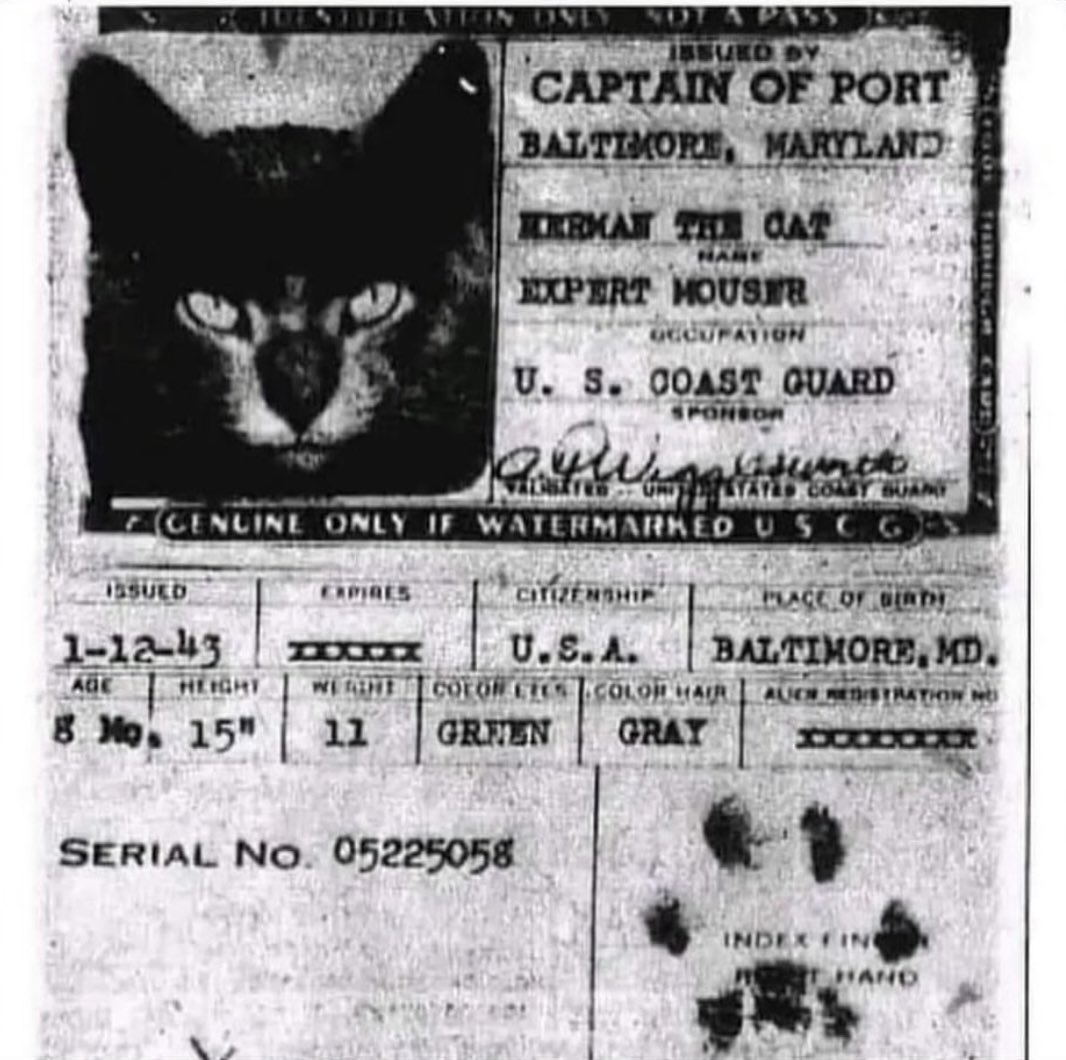
During the mid-20th century, cats played an important role on ships as skilled rodent catchers. Sailors realized that having cats aboard helped control the population of rats and mice, which were notorious for damaging supplies and spreading diseases. These ship cats became valued members of the crew and were even given passports to acknowledge their contribution and ensure their safety during international travels.
The passports for ship cats were a unique and lighthearted tradition. While they didn't serve any legal or official purpose, they were created to recognize the cats' role and provide a form of identification. The passports typically consisted of a small booklet with pages that included the cat's name, description, and an area for their paw print.
When it was time to depart or dock in a foreign port, the ship's captain or crew members would present the cat's passport to the authorities as a fun way to document the feline's presence onboard. The cat's paw print, obtained using ink or paint, was added to the designated page, providing a personalized and whimsical touch to the document. This practice not only amused the sailors but also showcased the camaraderie they shared with their feline companions.
While these ship cat passports were not legally recognized, they symbolized the close bond between humans and their feline shipmates. They served as a reminder of the cats' essential role in maintaining a clean and rodent-free ship, thus safeguarding the crew's provisions and health during long sea voyages.
However, as the mid-20th century progressed and maritime practices evolved, the reliance on ship cats diminished with the advent of more effective pest control methods. With the decline in the need for ship cats, the tradition of issuing passports gradually faded away. Nevertheless, the memory of these seafaring felines and their unique passports continues to fascinate and entertain those interested in maritime history and the unique relationships forged between humans and animals at sea.