Time to battle back! ⚔️
🆚 Montgomery Biscuits
🏟️ DABOS Park
⚾️ 7:00 PM
📻 97.7 ESPN The Zone | Talk Radio 97.7 FM HD-2
📺 https://t.co/hPGe3BfhQB | Bally Live
Angels prospect Nate Snead ran an 82% strike rate over six scoreless with High-A Tri-City tonight; he has allowed one run over his last three starts which have all gone six innings while running a 33.8 CSW%, he has not allowed a walk in his last 66 batters faced
The Kelce brothers accidentally explained one of the longest-running training mistakes in professional sports in under 30 seconds.
A pitcher's delivery takes 1.5 seconds. The rest period before the next pitch is roughly 20 seconds. A starter who throws 100 pitches in a game produces somewhere between 2 and 3 minutes of total physical exertion across a 3-hour window. The work-to-rest ratio is approximately 1:20.
That ratio maps almost perfectly to the ATP-CP energy system, the anaerobic pathway that powers movements lasting under 10 seconds. Sprinting. Jumping. Swinging a bat. Throwing a 97 mph fastball. Every meaningful action in baseball lives in this system.
Distance running trains the opposite system. Aerobic metabolism. Slow-twitch muscle fibers. Type I fibers that are smaller, produce less force, and prioritize fatigue resistance over power output. Elite sprinters carry 60-80% fast-twitch fibers. Elite endurance athletes carry 60-95% slow-twitch. A 2008 study on collegiate baseball players found that combining endurance training with power training produced measurable drops in power output.
You are literally remodeling the engine in the wrong direction. Training the aerobic system when every sport-specific action runs on anaerobic fuel.
The tradition started decades ago because games last 3 hours and coaches confused game duration with physical demand. A game lasting 3 hours does not mean the athlete is exerting for 3 hours. A pitcher standing on the mound between pitches is recovering, not working. The correct training analog is a sprinter who runs 100 meters, walks back, and goes again.
Driveline Baseball, Eric Cressey, and every major sports science program has been publishing this data for over a decade. Strength coaches at the MLB level largely moved to sprint-based and med ball protocols years ago. But the foul-pole-to-foul-pole jog still persists at the high school and college level because the coaches who played in the 90s trained that way and never updated.
The Kelces just explained it to 3 million people faster than any journal ever could.
So many options, too many variables to think about, the never ending question for college pitchers, should you play summer ball or just train?
#baseballtraining#pitching#training
𝐔𝐏𝐏𝐄𝐑 𝐌𝐈𝐃𝐖𝐄𝐒𝐓 𝐏𝐑𝐎𝐂𝐀𝐒𝐄
𝘈𝘭𝘭 𝘛𝘪𝘮𝘦 𝘗𝘰𝘴𝘪𝘵𝘪𝘰𝘯 𝘚𝘵𝘢𝘵 𝘓𝘦𝘢𝘥𝘦𝘳𝘴
Nate Snead (2022, RHP/OF, South Milwaukee, WI) came up firing at the 2022 Upper Midwest Procase, launching 101 MPH from the outfield.
Snead would go on to be drafted by the @Angels in the 2025 MLB Draft out of Tennessee.
ʀᴇᴄᴏʀᴅ ʜᴏʟᴅᴇʀꜱ
https://t.co/XeJLhlJuhQ
ᴘʀᴏᴄᴀꜱᴇ ʀᴏꜱᴛᴇʀ
https://t.co/8jc9floK3y
@PrepBaseball | @PBRobbyMagic | @SneadNate
Daily Q/A:
How to tell if a college program will actually develop me?
In today’s recruiting climate where almost every college claims they “prioritize development” in the recruiting process. Some even give examples of success stories in the past. The answer is in the details.
Athletes, you need to look harder than just numbers, but what different types of players are having success. If you see a wide range of player profiles seeing jumps or posting numbers there is a good chance that school knows how to develop more than one or two things.
Daily Q/A:
Can I train mental toughness like I train strength?
Absolutely! Like building muscle or speed, mental toughness grows through consistent exercises & routines. Elite pitchers utilize routines, visualization, self talk & daily habits to forge an unbreakable mind 🧠⚾️
Daily Q/A:
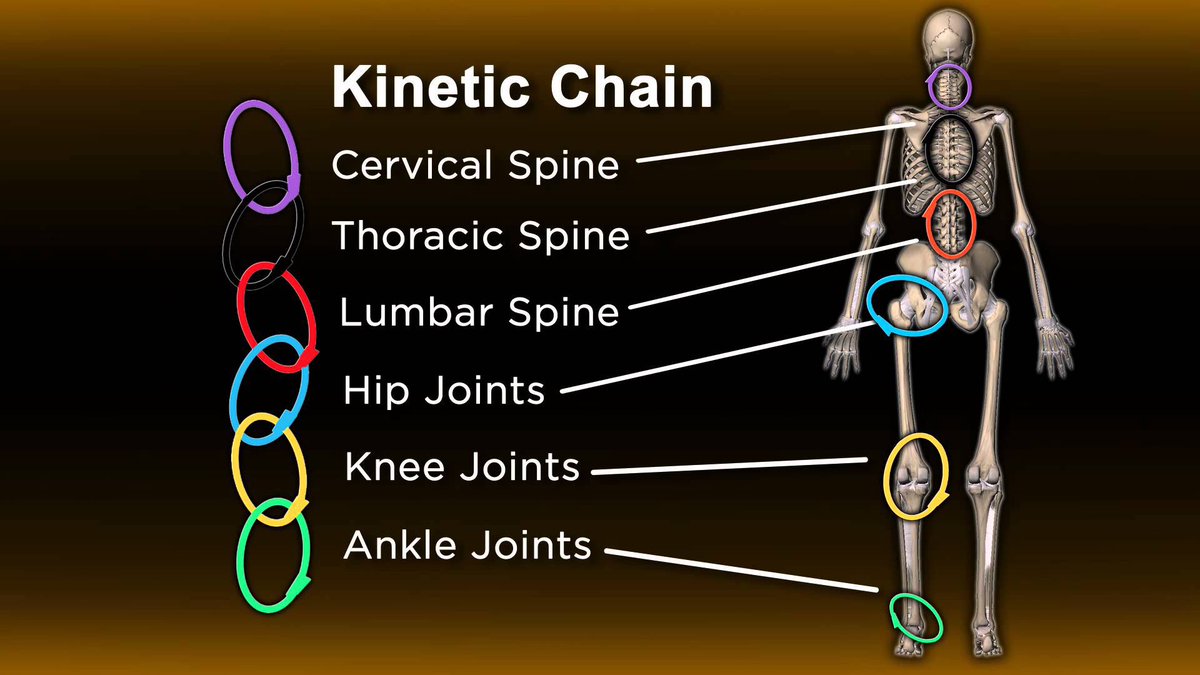
What’s the “kinetic chain” and why does it matter for pitchers?
The kinetic chain is how your body links and transfers energy up the body (legs, hips, torso, arm) to throw a pitch.
It’s the engine of the pitch. Energy flows from the ground to the ball, like a whip.
Daily Q/A:
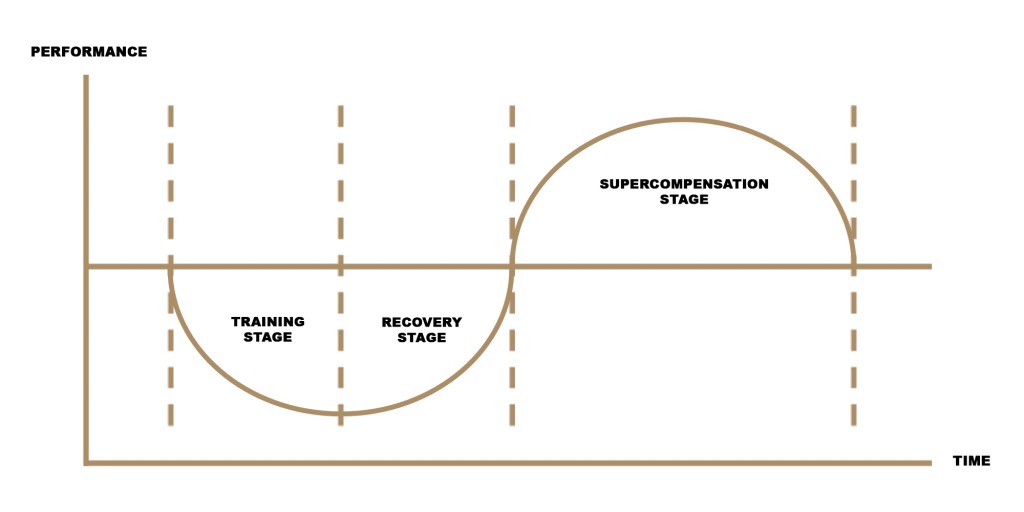
"What is a common reason for hitting a plateau?"
A common theme we see in athletes plateauing is simple, they are not recovering well enough. In training it is more common to not be reaching Supercompensation due to lack of recovery then not working hard enough.
Changing an arsenal or tweaking a pitch should always come from answering two questions, "How do I currently get outs?" And "Where am I leaving outs on the table?" Following the vast trail of information from answering those questions will give pitchers a better understanding of their identity. Which is the actual point. We need an understanding of identity to know where the change/tweak is needed. Not all pitchers need to chase IVB and not every gyro slider needs to become a sweeper. Context matters...