more social housing apartments from France that look better than most market-rate American new builds
-no front or side setbacks, 60' wide and 6 stories tall, masonry construction
Some great pictures here in this HT story, a snapshot of how urban planning and governance has really flourished under Modi. After his regime had alreasy created 100 new Smart Cities.
Avant (1970) / Après (2026) Rue des Martyrs dans le 9ème arrondissement de Paris. Les immeubles sont les mêmes, mais l'environnement a bien changé. Les arbres au fond ont été plantés vers 2005, ceux au premier plan vers 2020.
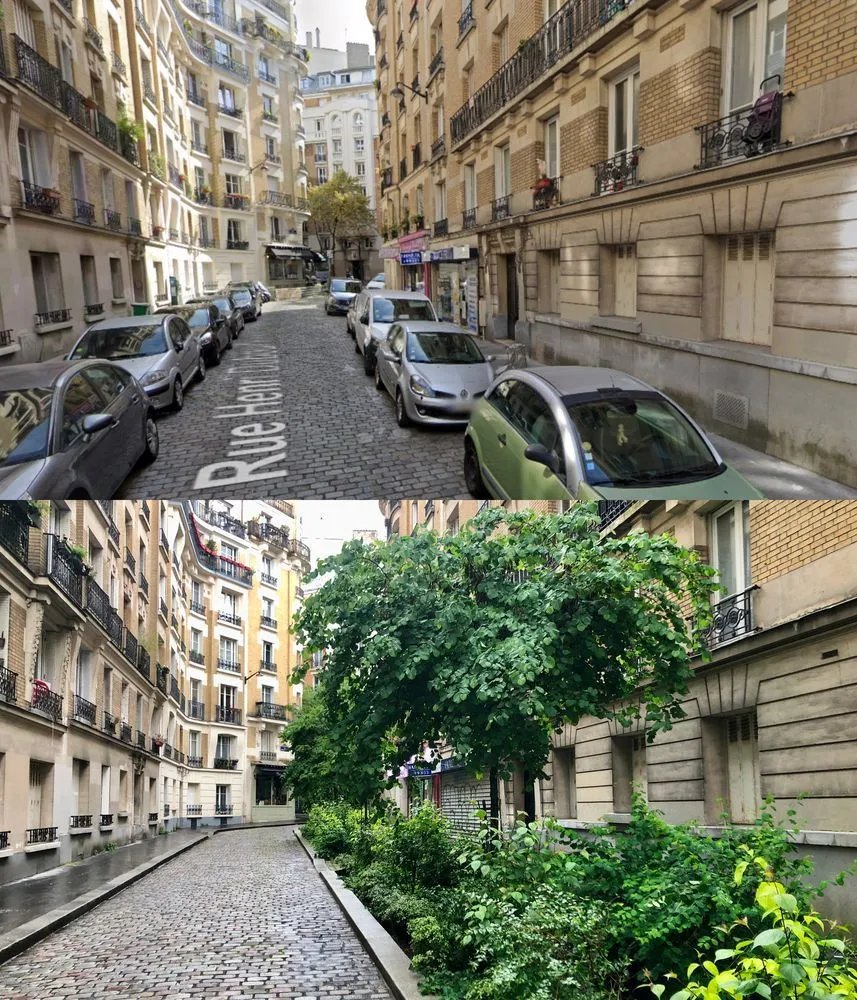
Avant / Après Rue Henri Dubouillon dans le 20ème arrondissement de Paris. Ces arbres ont été plantés ici il y a trois ans lors de la piétonnisation de la rue.
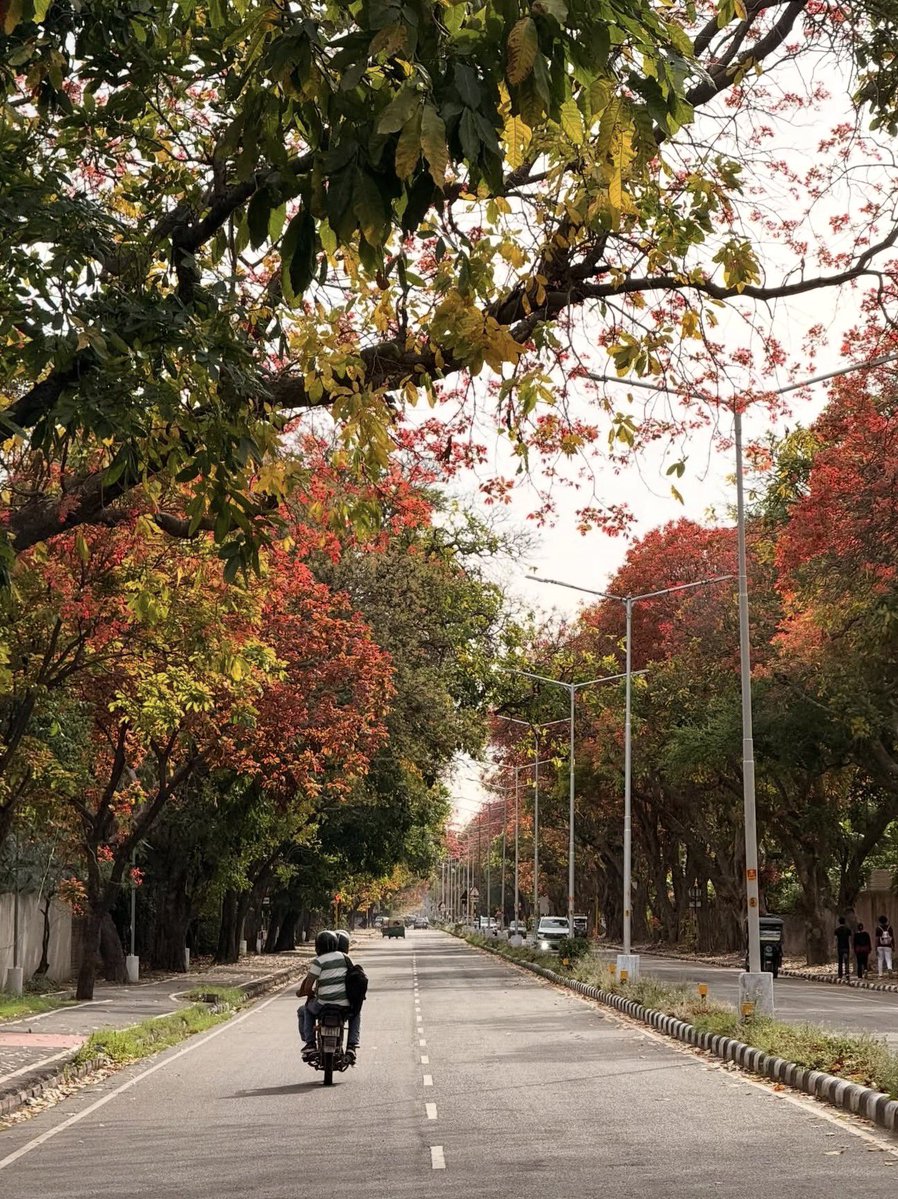
If there’s will to make an area green & shaded, it will be done. IIT Bombay for example, has more greenery & trees today, than it did during its early years. Many such examples across the country.
One of the greatest failures of modern development is convincing populations that mass destruction of forests is a prerequisite for progress. A society that mistakes ecological liquidation a norm for development is only accelerating climate change catastrophe.
Así se percibe el contexto a medida que incrementa la velocidad al volante, por eso hay que reducir de forma efectiva el límite por debajo de 30 km/h. https://t.co/YE1zxoT3c5
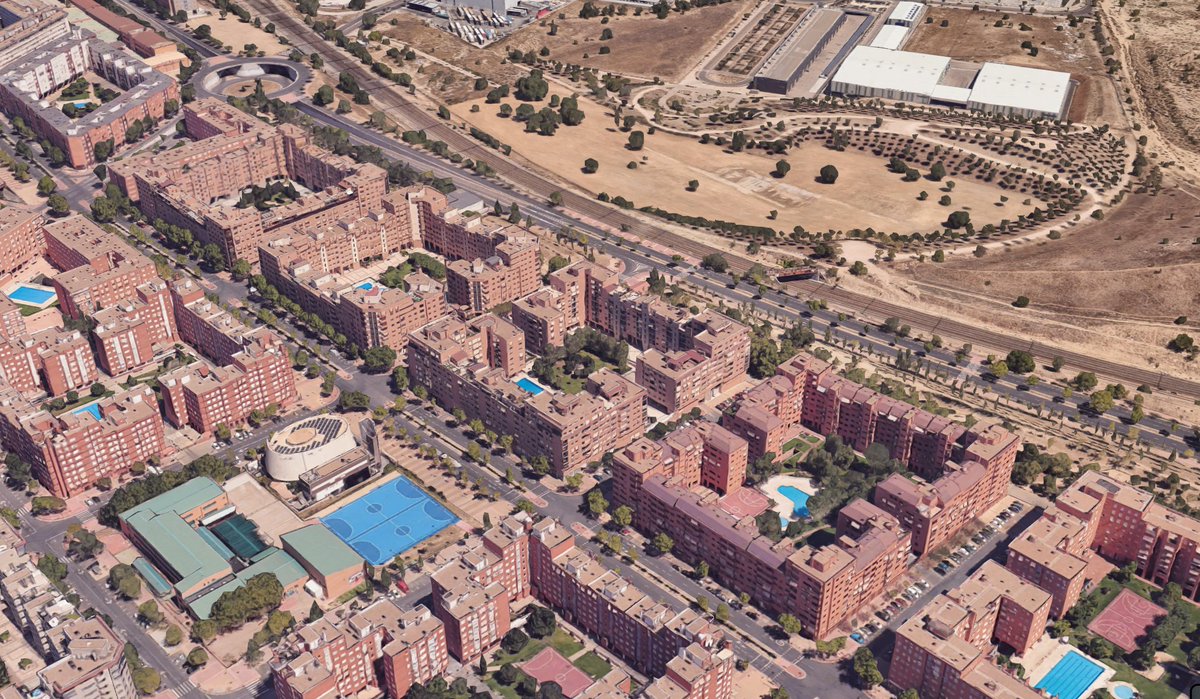
Almost all of the cities of the West sprawl, with high rise cores giving way to mid-rise blocks, to rowhouses, to detached homes, to exurbs and only then to countryside. One country stands out as an exception: Spain.
Even today, Spanish cities expand in mid-rise blocks including shops and businesses, served by extensive metros, and structured in traditional courtyard blocks. The style of the facades has changed, but in other respects they are still close to the urbanism of Barcelona’s nineteenth-century Eixample neighbourhood.
This is extremely distinctive. Americans often imagine that all European cities are like this, but actually most Europeans switched over to car-dependent suburbia in the twentieth century, much like the American norm.
https://t.co/0Z7tN9KTkC
Why did Spain diverge?
- Spain remained very poor until late in the twentieth century, limiting suburbanisation. By the time Spain was rich enough for suburbs, new urbanist ideals were already beginning to appear.
- Traditional Spanish flat-building practices were not decimated by rent controls as they were in France and Germany, avoiding a forcible switch to owner-occupied single-family houses.
- The Spanish state still plans street networks like European and American municipalities in the nineteenth century, and Spanish landowners normally pool their land in land readjustment schemes to create a unified landowner.
Spain never really had a conscious plan to diverge from international urban norms – the divergence happened partly by accident. But it shows that multiple ways of building cities remain possible in affluent societies.
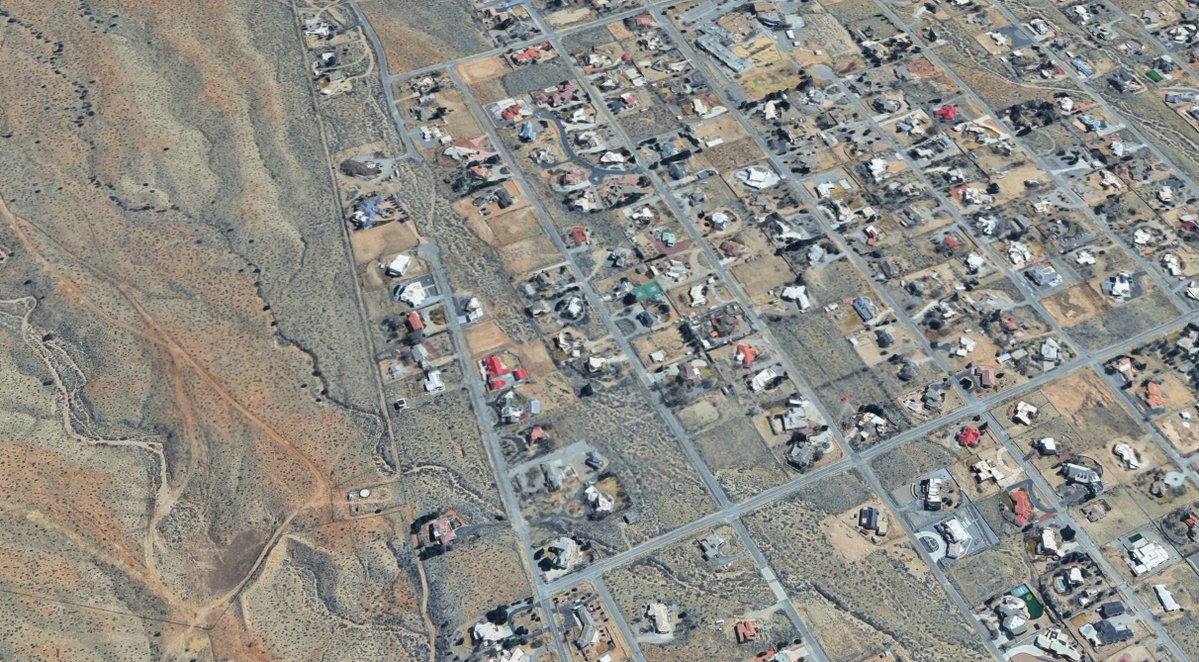
Today, hundreds of Asian cities are near the densities and GDPs of Spain in the 1960s, when the Spanish Divergence began. If they want, they can choose the Spanish path, and grow like modern Madrid (left) rather than modern Alburquerque (right).
88 social housing apartments and terraces in Paris
Built on the edge of the city, near the airport, with a budget of €11.6 million (€132,000 / home).
By Palast, Echelle Office and Guinee*Potin
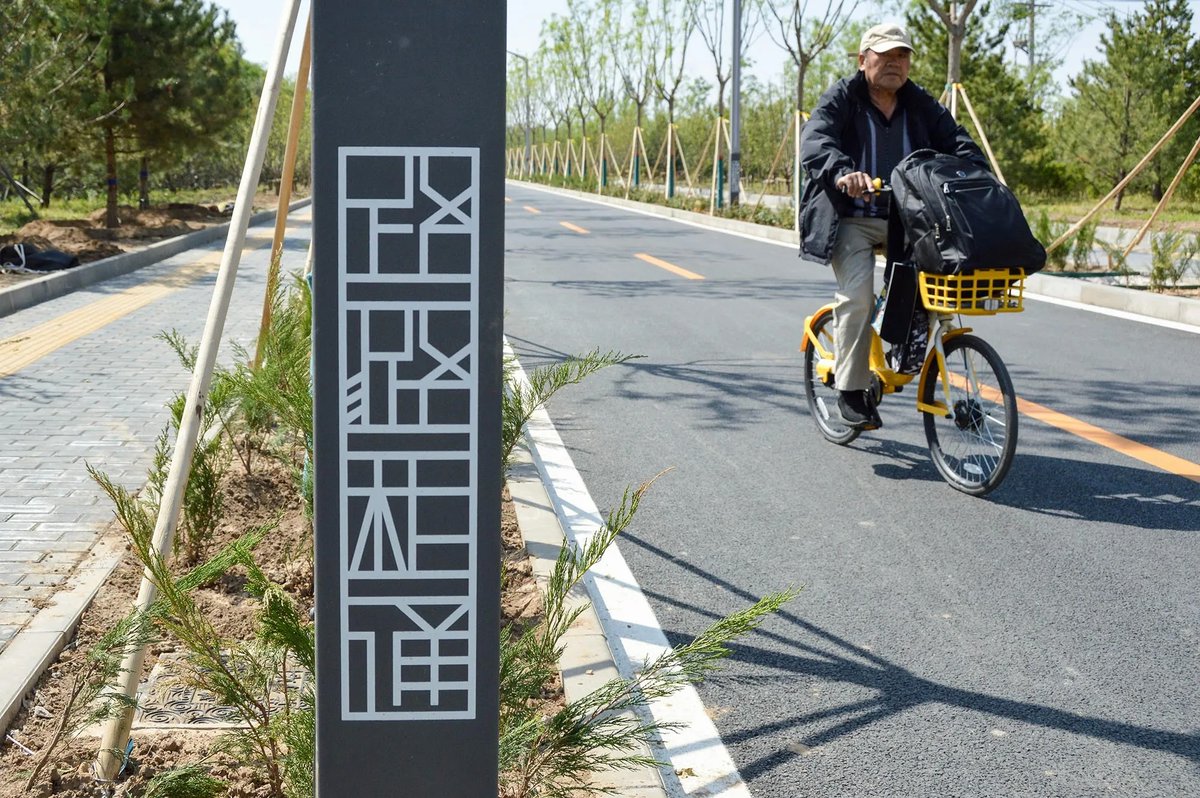
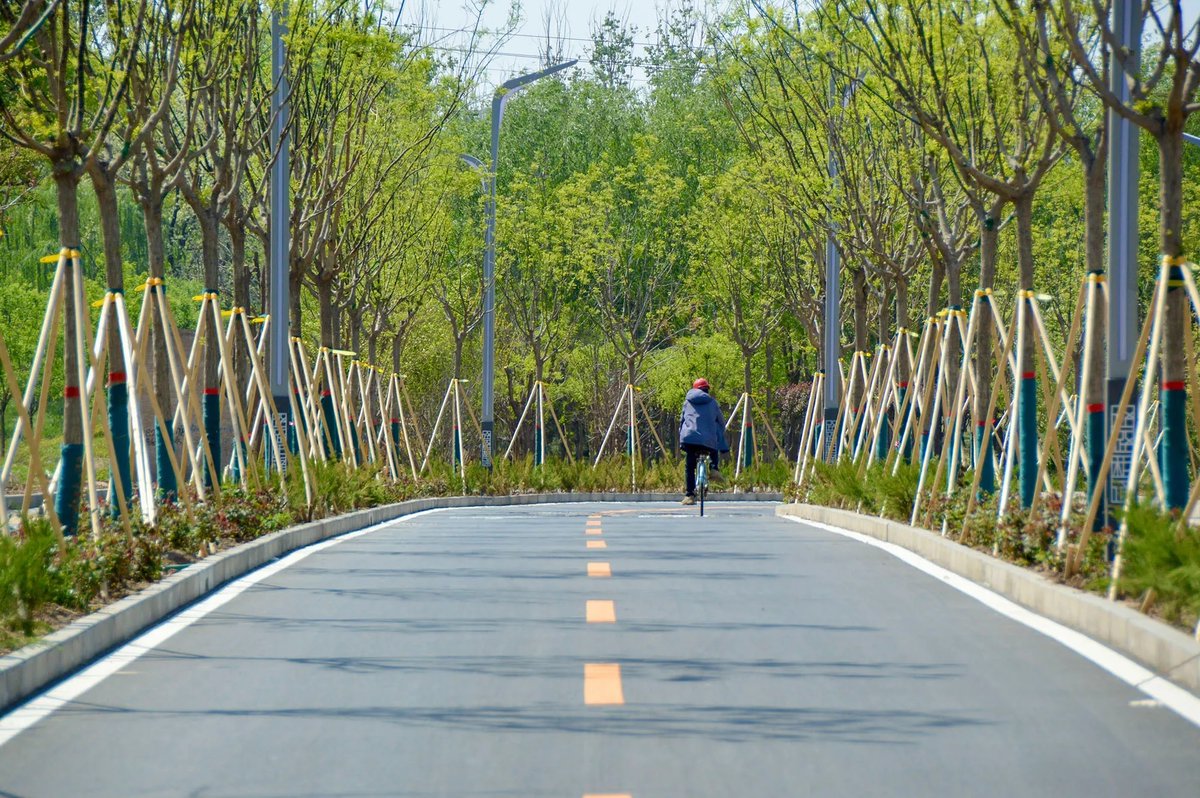
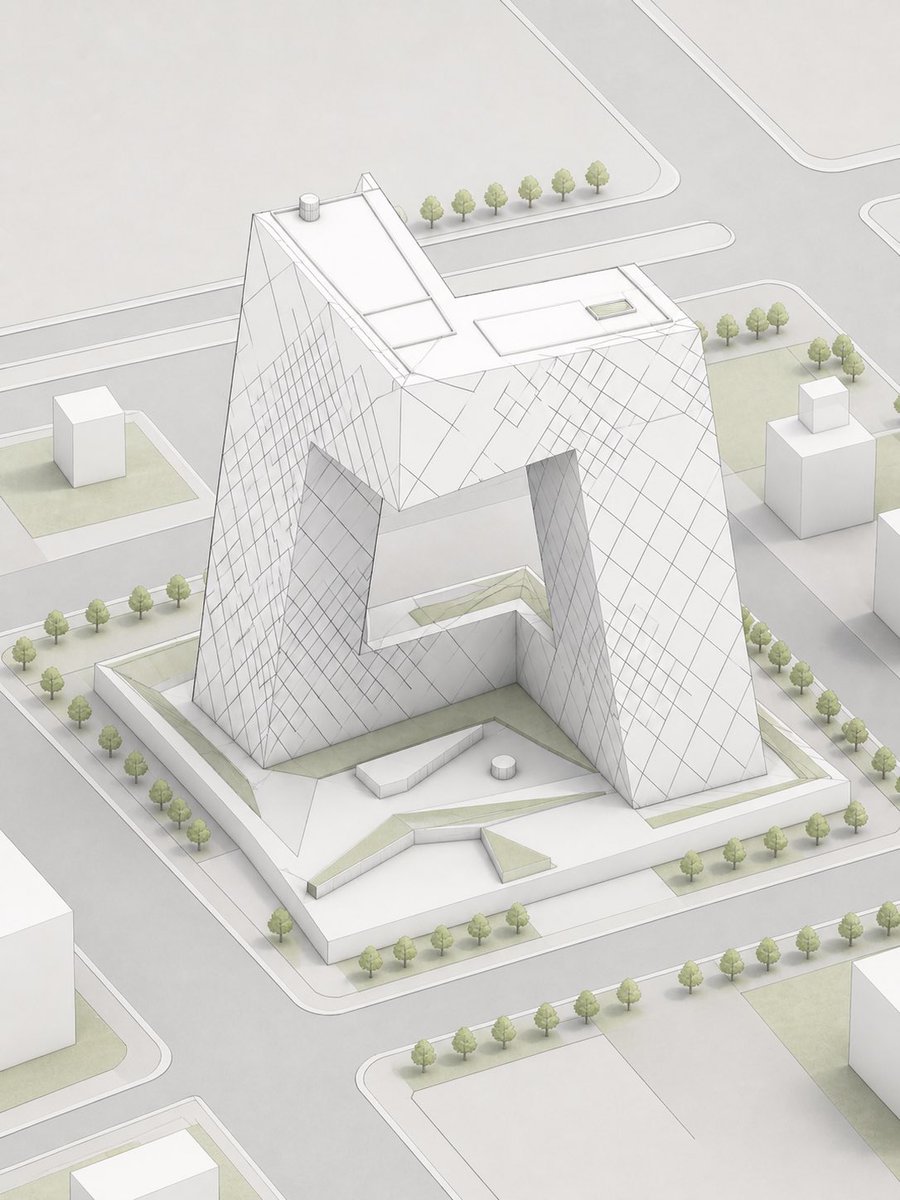
Cities around the world are rethinking mobility, and Beijing is becoming an increasingly compelling part of that discussion.
One of the best ways to follow such developments is @Cycling_Embassy's newsletter—which shares insights, highlights and reporting: https://t.co/dqYecSo59D
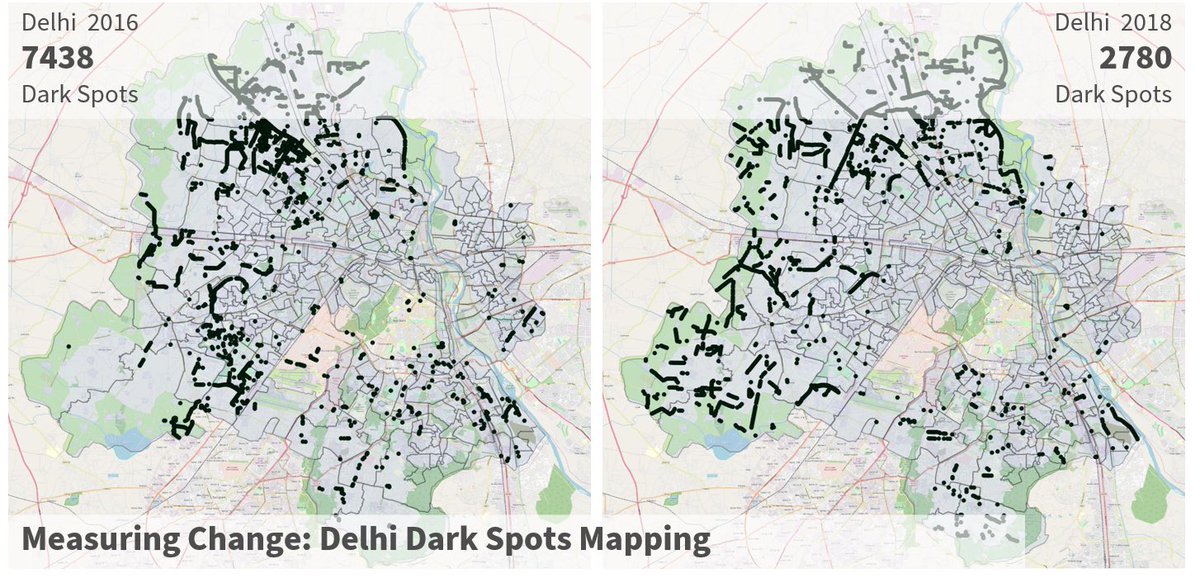
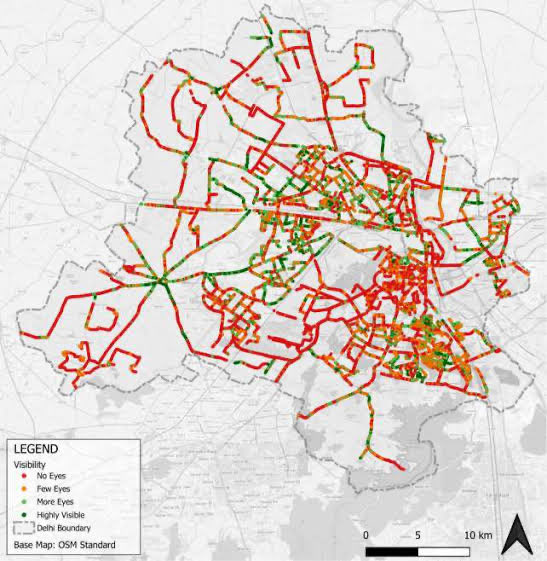
Its the improper placement street lighting and that often creates dangerous hot stops. Even the RWA which I live inside has such weak lights. An organisation called Safetipin has been working to reduce these dark hot spots, they have also tried to map where there are eyes on the streets and no eyes from women’s safety perspective
78 buses in a single frame at ITO, New Delhi. That’s ~3,000 people stuck in buses because of congestion infused by barely ~200 cars carrying ~250 people at typical occupancy. Yet we design streets for cars, not capacity.
Indian cities must mandate dedicated bus lanes with priority signals or BRT corridors, restrict car use, and introduce congestion pricing. Cities like New York City have shown the way, where congestion pricing has improved traffic flow and made buses faster and more reliable.
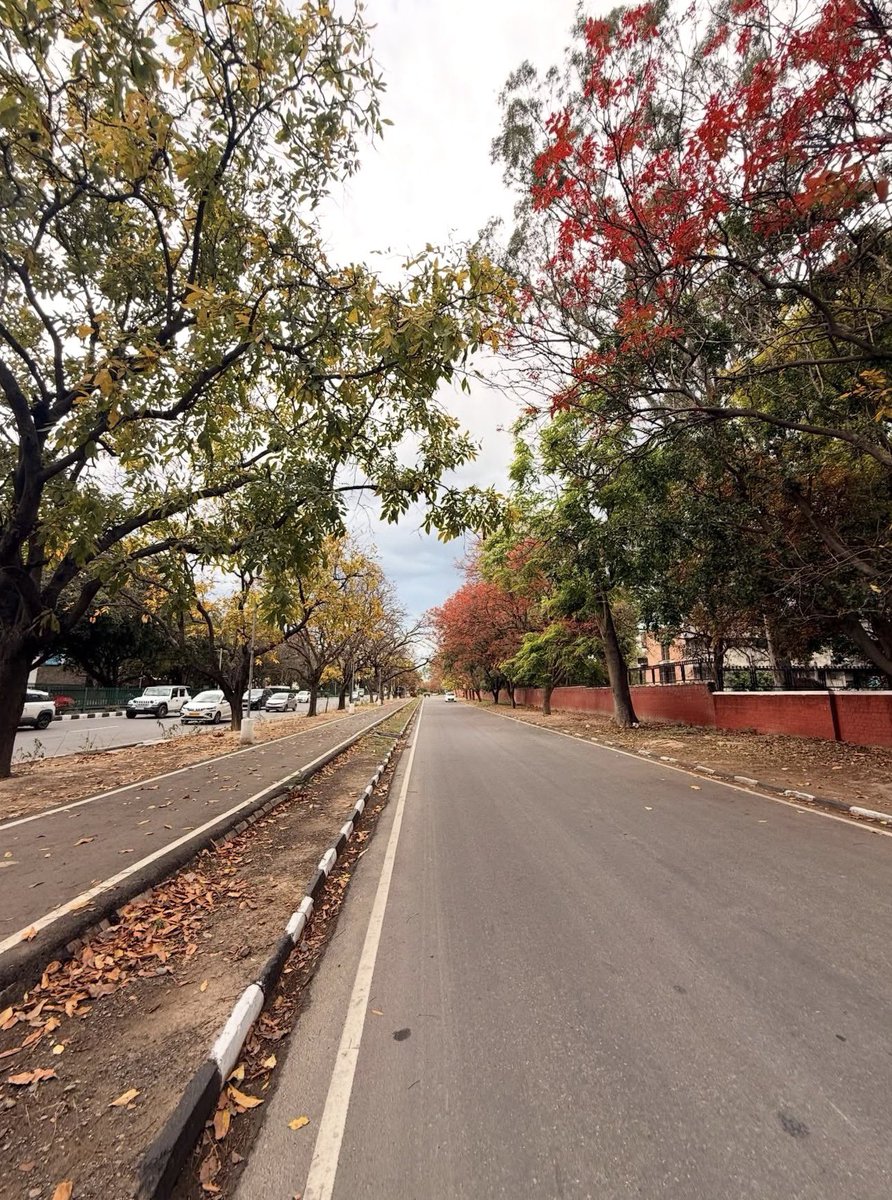
What a Swiss–French visionaries imagined 78 years ago still puts us to shame. Le Corbusier and M. S. Randhawa showed what real city planning looks like.
India doesn’t lack land, climate advantage, or natural resources it suffers from poor planning. Across most of the country, except a few well-designed cities and pockets, we treat nature as a hurdle instead of an asset.
Shade-giving native trees are replaced with decorative plants in the name of “modern development.” Roads get wider, concrete keeps expanding and then we wonder why cities feel 5–10°C hotter every summer.
We don’t need more concrete jungles.
We need smarter, climate-conscious cities.
The real question is:
Are we building for the next 5 years… or the next 50? 👍🏻
#Chandigarh #LeCorbusier