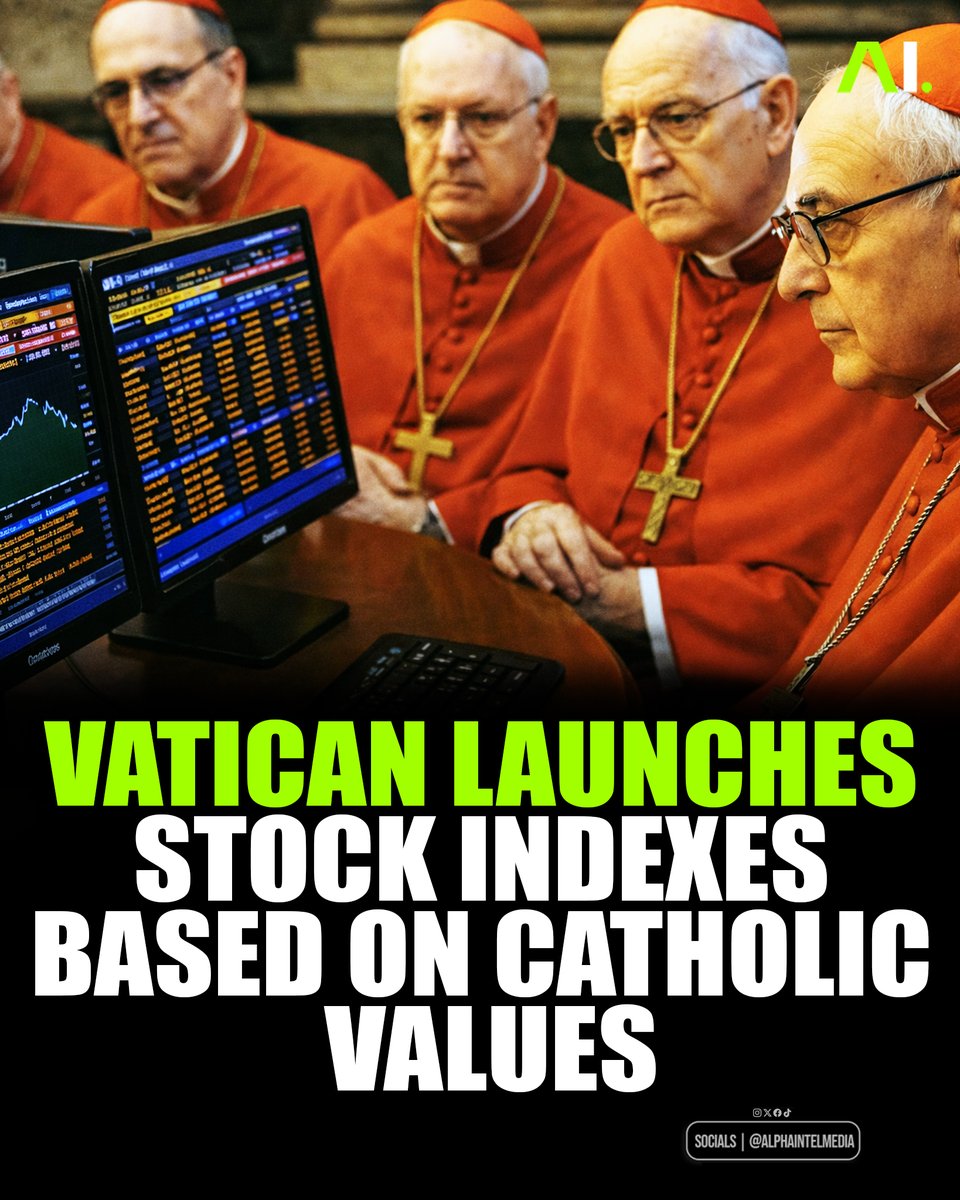
On February 10, 2026, the Vatican Bank, formally known as the Institute for the Works of Religion (IOR), introduced two new equity indices in collaboration with Morningstar: the Morningstar IOR US Catholic Principles Index and the Morningstar IOR Eurozone Catholic Principles Index.
Each benchmark includes 50 mid- to large-cap companies chosen based on their consistency with Catholic moral teachings, with a focus on protecting life, promoting social responsibility, upholding human dignity, and supporting environmental stewardship.
This initiative represents the Vatican’s first significant step into developing financial benchmarks of this kind, aiming to guide faith-based investors globally and potentially open the door to related investment products, such as ETFs.
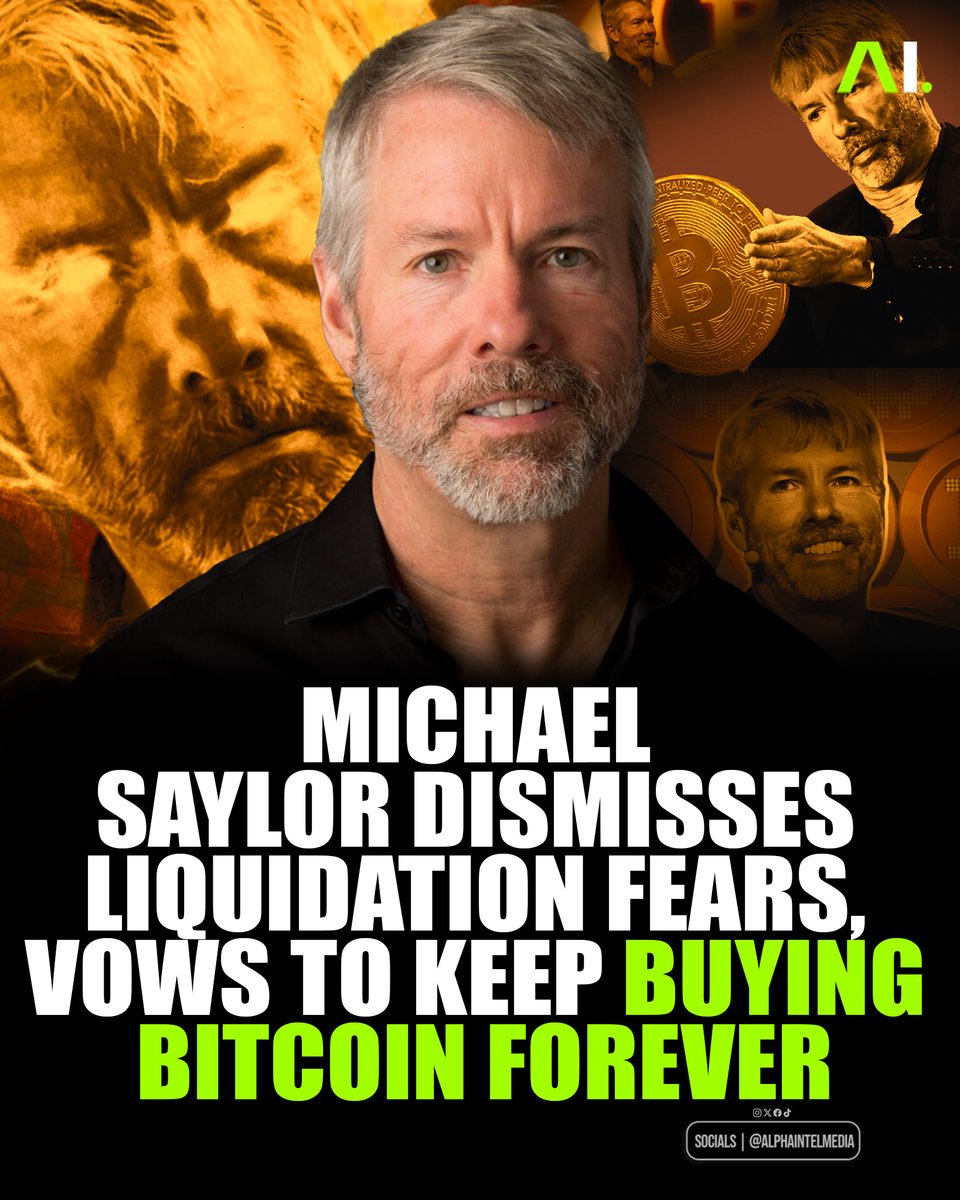
Michael Saylor strongly criticized market speculation claiming that his company was at risk of being forced to liquidate its Bitcoin holdings if prices continued to decline.
In an interview on CNBC’s Squawk Box on Tuesday (February 10), Saylor emphasized that those concerns were completely unfounded.
Instead, he reaffirmed the company’s long-term commitment, stating, “We will not sell; we will buy Bitcoin every quarter forever.”
Saylor explained that Strategy’s financial plan is structured to withstand market volatility, with sufficient cash reserves to cover debt and dividends for approximately the next 2.5 years. As clear evidence of this aggressive accumulation strategy, Strategy purchased 1,142 BTC worth around $90 million between February 2 and 8, bringing its total holdings to 714,644 BTC.
While Saylor declined to provide short-term price predictions, he expressed strong confidence that Bitcoin will outperform the S&P 500 over the next four to eight years. He also added that if Bitcoin prices were to drop significantly, the company would prefer refinancing its debt rather than selling its Bitcoin holdings.
JUST IN: Coinbase,Institutions Stay Bullish on Bitcoin
Coinbase Institutional reports that institutions continue to show strong bullish sentiment on Bitcoin. In recent surveys, around two-thirds of institutional investors expect positive performance in the coming months, with many believing BTC is undervalued despite market dips. This confidence stems from Bitcoin's established scarcity story, growing ETF adoption, clearer regulatory paths, and its role as a core portfolio asset. Institutions are leading the charge, while retail sentiment gradually aligns. Coinbase's 2026 outlook highlights transformative growth ahead, deeper institutional integration and market structure shifts. A solid sign of long-term faith in BTC amid volatility.
An investor reportedly built a Bitcoin portfolio worth roughly $1 million by consistently buying about $30 of Bitcoin every day for seven years.
Over that time, the total capital invested came to approximately $86,370, with purchases made daily regardless of market conditions—an approach known as dollar-cost averaging.
Dollar-cost averaging involves spreading investments over time, helping to minimize the effects of price volatility and removing the pressure of trying to predict market peaks or bottoms in a highly volatile asset.
This example demonstrates how long-term discipline and steady market exposure, rather than short-term trading, can play a major role in achieving strong results in volatile markets such as cryptocurrency.