The 5 Ws of Bitcoin yield:
1. Who can move the BTC?
2. What bridge assumptions exist?
3. What can the application change?
4. Where is the yield generated?
5. What can you verify?
APY comes last.
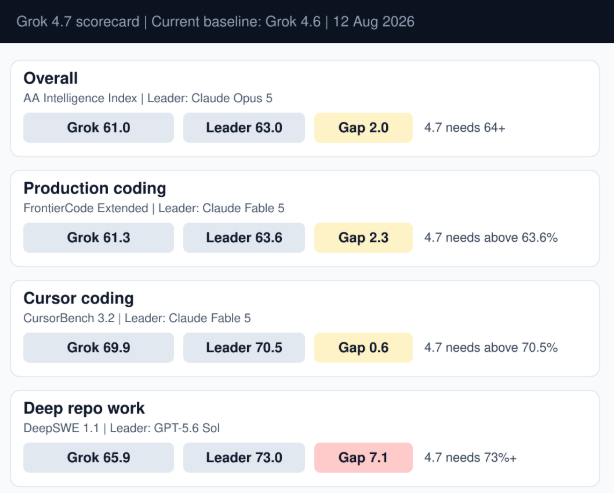
This looks very possible.
4.6 is already within a few points of the leaders across several important categories.
4.7 becoming the strongest general model is plausible.
Inflation is 3.5%.
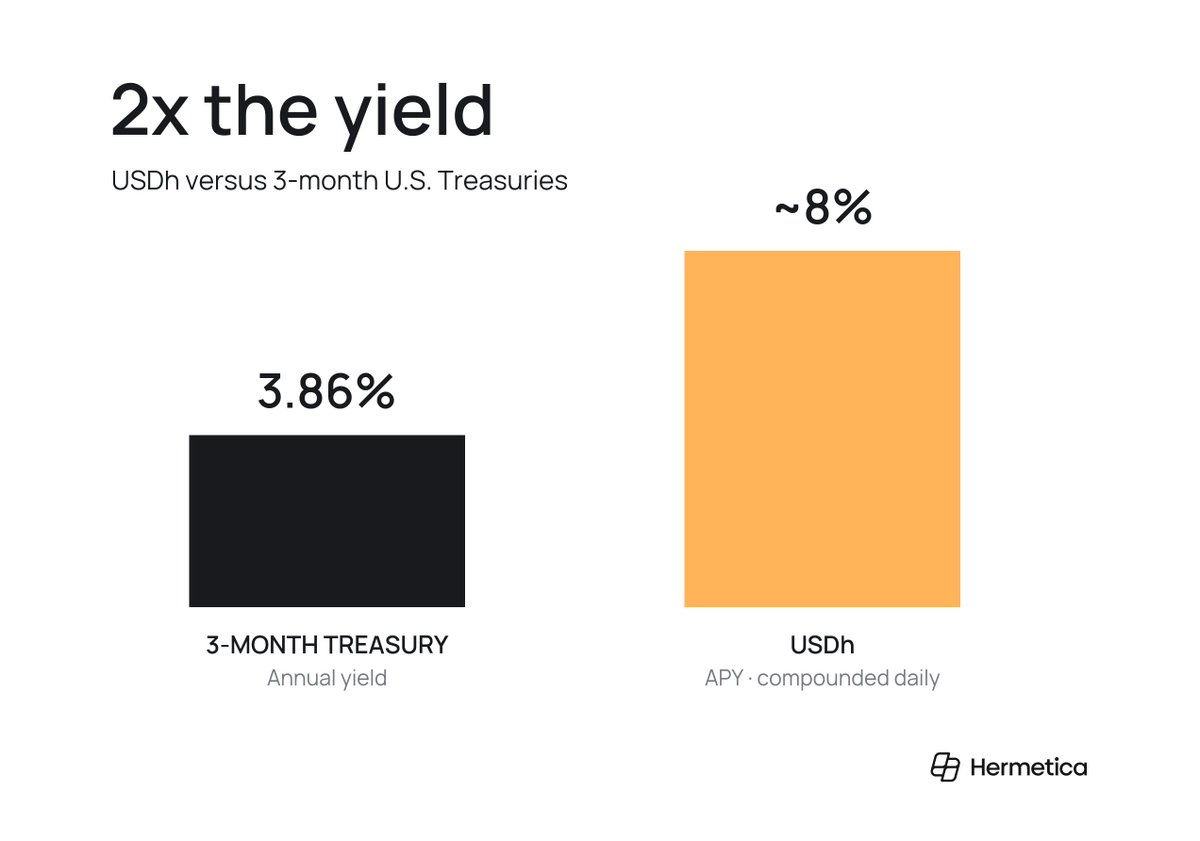
$100,000 in cash loses $3,500 of purchasing power a year. A 3-month Treasury at 3.85% barely keeps pace.
sUSDh earns ~8%.
Holding dollars protects the number.
Earning yield protects what those dollars can buy.
Over the past 5 months, I have presented a research report I worked on and still working on to a team.
The report is focused on the regulatory landscape and opportunities for tokenized real-world assets (RWAs) in Africa.
This started from a simple question:
What does the RWA tokenization landscape in Africa actually look like today?
I wanted to go beyond the general conversations around tokenization and understand what is really happening on the ground.
So I mapped out:
• The regulatory frameworks across different African countries
• Crypto adoption and market activity across the region
• Existing real-world asset tokenization projects built from Africa
• The current stage of these projects and the sectors they are targeting
• Tokenization infrastructure being built across the continent
• Why some projects succeeded, struggled, or eventually failed
• Sector readiness and where tokenization can have the most practical impact
• Strategic opportunities for builders looking to enter the African market
I’ve also continued updating the research as new regulatory developments and market changes emerge.
One thing this work has made clear to me is that Africa is not one market.
The regulatory environment, level of crypto adoption, infrastructure, access to capital, and readiness for tokenization can be very different from one country to another.
That makes market research and local context extremely important for anyone building in this space.
Whether you are:
→ Building RWA tokenization infrastructure globally
→ Looking to expand into Africa
→ Exploring tokenization across sectors in Africa
→ Building infrastructure that helps issuers structure, mint, administer, and manage digital assets throughout their lifecycle
→ Or simply trying to understand where the opportunities are in Africa
I’d be happy to connect, share insights from the research, and collaborate.
A bit about me:
I’m Ekpeno Udoh, a Chemical Engineer, Founder of Bitcoin Renaissance Africa, and a community growth and marketing professional.
Previously, I worked with Babylonlabs as a Community Support and African Lead, helping unlock TVL around its native Bitcoin staking infrastructure to about $6B.
Also worked as Africa Community Lead at Lava Network, where I worked on onboarding developers and institutions to run on Lava’s RPC infrastructure.
BTC yield is this easy:
1. Open the Hermetica app
2. Connect a Bitcoin and Stacks wallet, like @xverse
3. Deposit BTC into hBTC
4. Earn and compound yield in BTC, daily
Bitcoin in. More Bitcoin out.
costs down 50x. timelines down 30x.
if a comprehensive external pentest is now $1k/day, then every bitcoin project should be running one continuously.
we need more funded red teams across every surface. we need bounties that match exploit value.
we need this yesterday.
every *big* hardware wallet i know has either:
- been physically extracted (trezor, keepkey via voltage glitching)
- leaked its customer data (ledger, 2020)
- shipped firmware capable of exporting your seed (ledger recover, 2023)
- failed its own unhackable bounty (bitfi, 2018)
- shipped broken entropy for years (coldcard, this week)
the ones that haven't are either too new to have been attacked or too obscure to be worth attacking.
this likely gets worse from here as AI lowers the cost of finding bugs in public codebases.
absence of disclosed vulnerabilities is not evidence of security. it's in fact usually evidence of LOW scrutiny.
i don't believe there is one perfect wallet. it doesn't exist. and for that reason, i stopped betting everything on one.
rotate to multisigs. distribute the risk.
Most VPNs today do a good job of protecting our online activity, but they rely on encryption methods like RSA and ECC. The problem is that powerful quantum computers could eventually break these encryption methods.
A recent report revealed that attackers are focused on finding a path of least resistance to launch an attack, and that entry point is usually a VPN that’s inadequately protected.
Another growing concern is the "Harvest Now, Decrypt Later" strategy. Attackers can steal encrypted data today, store it, and wait until quantum computers become powerful enough to decrypt it in the future. That means information we think is safe today may not stay safe forever.
This is why quantum-safe VPNs like @QVPN_x matter.
QVPN uses post-quantum cryptographic encryption designed to protect data against future quantum threats. Instead of waiting for quantum computers to become a real problem, it's preparing for them now.
The truth is, if we wait until quantum computers can break today's encryption, we've already lost.
The strongest privacy tools aren't the ones reacting after the threat arrives. They're the ones preparing for it before it happens.
Built on @diamante_io infrastructure, QVPN is focused on a future where privacy tools stay ahead of emerging threats instead of reacting to them.
The best time to prepare for the next generation of internet security is now.
Get started with the QVPN Mini App:
https://t.co/ghhLp50jC8