Earlier this year, I had the pleasure of speaking at #TEDxStanford. Inspired by my conversations on The Doctor's Art #podcast, this talk explores how we can make #medicine more humane in a time of rampant #PhysicianBurnout — and how embracing the power of human connection and a sense of mystery can help us rediscover what makes life meaningful.
I'm grateful to all the clinicians, #patients, storytellers, and listeners who make the podcast possible. And thank you especially to @tpjmd for being a wonderful partner on the show.
Watch: https://t.co/LyK2Gpv7sK
Learn more about the podcast at https://t.co/71cDR3aNMi.
@TEDx@TEDTalks@StanfordMed@StanfordGSB@StanfordMedMuse@GoldFdtn@TJUHospital@Wills_Eye #MedTwitter #MedicalEducation #MedHum
If FDA eases oversight of “general wellness” #wearables and some #AI clinical decision support, the label may say “low risk,” but the reality is different.
These tools still shape diagnoses, treatment choices, and patient behavior. When evidence is thin, updates are opaque, or bias goes unexamined, risk doesn’t disappear—it shifts to patients and clinicians at the point of care.
In this piece for @MedPageToday, I write that while innovation matters, so do accountability and trust. The answer isn’t a free pass or a freeze, but faster, smarter evidence standards with clear guardrails that match real-world impact.
Read more: https://t.co/MvCco2VjMk
#DigitalHealth #FDA #MedTwitter #HealthPolicy #HealthAI
Wrote an essay about an all-too-common encounter in any #CosmeticSurgery clinic.
A patient brings in a photo of herself with a #TikTok filter: “Can you make me look like this?” Some changes are possible; others are pixel distortions that can't be translated to human anatomy.
What stayed with me was her next question:
“How do I get to me?”
When the filtered image becomes the reference point, the unfiltered self can start to feel counterfeit. A flat refusal can feel like abandonment. Uncritical agreement can reinforce an illusion. The better path lives in the middle: honesty about limits, paired with empathy for the emotions behind the ask.
The piece explores this tension—and what it asks of clinicians as algorithms reshape body image and expectations.
Read more: https://t.co/tdFNJyBVJB
#PatientCommunication #BodyImage #DigitalHealth #MedicalEducation #Oculoplastics #MedTwitter #Ophthalmology #PlasticSurgery
"Fixing that mismatch -- by stabilizing payment and embracing telehealth for routine cataract follow-up -- is a concrete way to protect both patients' vision and the future stability of their care."
Read the #OpEd from resident physician @_HenryBair_ : https://t.co/mGqpWTMswW
"At first glance, that sounds modern and pragmatic: if FDA has already vetted an AI tool, and a state wants to let it work, why not let it prescribe?"
Read the #OpEd from resident physician @_HenryBair_ at: https://t.co/8OaB1DaQtv
Congress is considering the Healthy Technology Act of 2025 (H.R. 238), which would let some FDA-cleared #AI tools count as “licensed practitioners” that can prescribe meds.
Wrote a piece in @medpagetoday on why that’s a category error — device clearance ≠ medical judgment — and how we should keep humans in the AI loop, require strong evidence before AI can enter orders, mandate audit trails & life-cycle monitoring, and build in polypharmacy checks + security testing.
AI should assist #clinicians, not replace them—especially for vulnerable, #polypharmacy-burdened patients.
#HealthAI #DigitalHealth #HealthPolicy #MedicalEthics #medtwitter
https://t.co/5dBBmV2uOo
One of the joys of my first few days as Chair of the @StanfordDeptMed is learning about the amazing work of our faculty, staff, and trainees. A great example is @TheDoctorsArt, a podcast jointly hosted by oncologist Tyler Johnson and ophthalmologist Henry Bair. I have spent many hours listening to their relaxed and fascinating conversations with a wide variety of doctors. I love the mix of humanism in medicine and cutting edge science they explore with their guests. Recently, they were kind enough to have me on the show. True to form, they asked me several questions I have never been asked before on topics as diverse as artificial life support systems, heart transplantation, and the place of AI in medicine.
Hope you enjoy the conversation.
https://t.co/KNX3vSIs1S
What does it take to keep people safe from the world’s deadliest pathogens?🦠
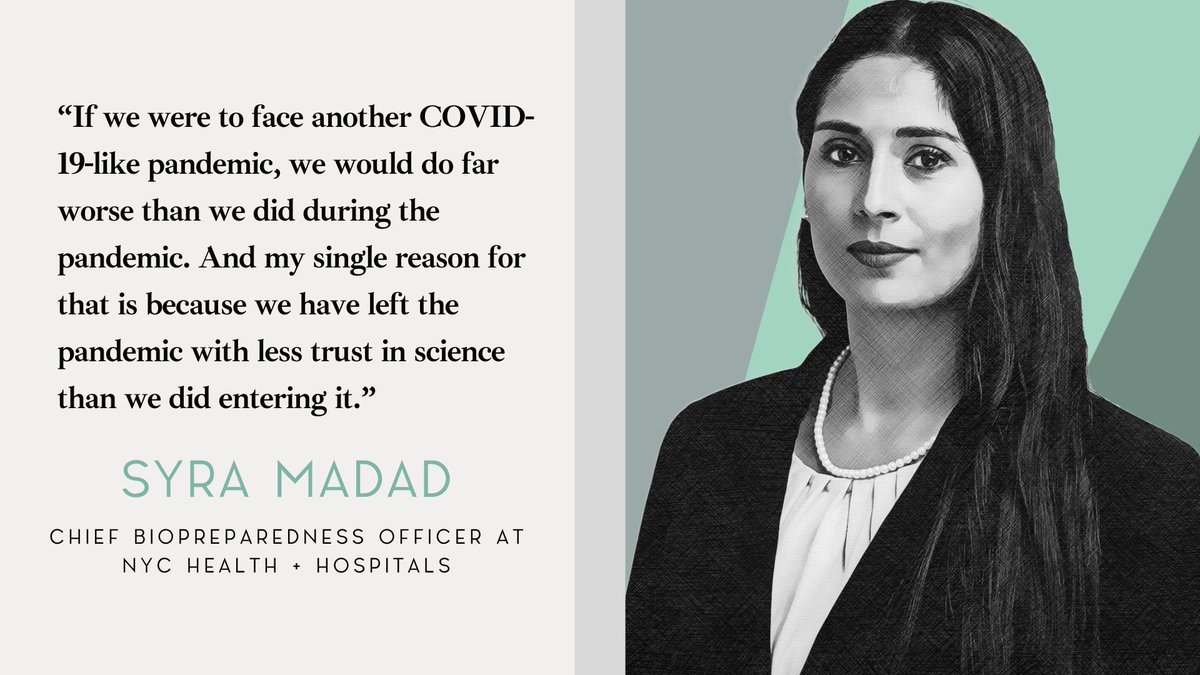
In this episode, we chat with @syramadad, Chief Biopreparedness Officer at @NYCHealthSystem. From her early fascination with Hollywood’s portrayal of outbreaks to her personal experiences responding to #ebola, #Covid, and #mpox, we delve into the realities of #pandemic preparedness and #infectiousdisease control.
Dr. Madad offers a candid look at the hurdles faced during COVID-19 and why we might be even less prepared for the next pandemic. She emphasizes the urgent need to rebuild public trust in science, rework communication strategies, and leverage community-based approaches in #PublicHealth. Dr. Madad’s story is a powerful reminder of the constant battle to keep emerging outbreaks at bay in our fast-paced world.
Listen to the full episode on Apple (https://t.co/7ajdiszDlb) or Spotify (https://t.co/qEnNIf3yec).
#Epidemiology #Healthcare #MedTwitter #Bioethics #HealthCommunication #PandemicPreparedness
In this episode, @DrTomFrieden, former Director of @CDCgov and former Health Commissioner of New York City, discusses his pioneering efforts in #PublicHealth, from banning indoor smoking and trans fats to expanding disease screening and tackling various epidemics in the US and globally.
He shares insights on balancing personal liberties with community health and emphasizes the importance of effective public health communication. Dr. Frieden also highlights the critical role of preventive health and his current work with @ResolveTSL (https://t.co/gvbp1lk1oU), which aims to combat cardiovascular disease around the world.
Dr. Frieden's career is a testament to the necessity of making invisible health threats visible, and the courage to challenge established norms for the benefit of the greater good.
Listen to the full episode on Apple (https://t.co/KeuQZG9s6S) or Spotify (https://t.co/6W4JQ5uXSl).
#Medicine #MedTwitter #HealthCommunication #Leadership #HealthcareLeadership #MedEd #Bioethics #HealthPolicy #CardiovascularHealth @nycHealthy@tpjmd
Thanks to @STATnews for sharing my piece on how we can better incorporate cost counseling into #MedicalEducation.
It's not until residency that many medical trainees first encounter just how insidiously and far-reaching the financial costs of care can impact the care that a patient receives. Medical schools should teach students how to screen patients for financial barriers to care and create treatment plans that take this into account.
A more thorough understanding of cost counseling can help curb rising costs of #healthcare, enhance patient outcomes, and ensure responsible use of medical resources.
#MedEd #MedTwitter #PatientCare #MedicalSchool #HealthEconomics #Medicine #HealthcareReform #PatientAdvocacy
Opinion: The financial cost of care can profoundly affects patients. Medical schools should teach students how to counsel patients about it. https://t.co/NVIqip1UaM
Co-wrote a piece in @MedPageToday discussing the importance of equitable development of #GenerativeAI in #healthcare. Even as elite, top-tier hospitals and institutions deploy AI into their operations at a rapid pace, we must not leave behind community hospitals, underfunded hospitals, and others.
We discuss the drivers of inequity (financial constraints, educational gaps, cultural barriers), the implications (variations in health outcomes, economic inefficiencies, and technological lockouts), and potential solutions (improved AI education, policies, and collaborative models). Read more: https://t.co/rYMobpbiRV
#HealthTech #DigitalHealth #MedTwitter #MedEd #MedicalEducation #HealthPolicy #ChatGPT #HealthcareLeadership #HealthEquity
Death and #grief have been “hidden” from society. The medicalization of dying means that #death occurs more frequently today in hospitals and care facilities than at homes. The secularization of society means that traditional religious or communal rituals surrounding death and #mourning have diminished. The fast pace and optimistic lens of consumer culture means less contemplation of #aging, #mortality, and grief.
In this episode, #philosopher @MikolajRode argues that experiences of mourning and grief are crucial to the #HumanCondition. They allow us to foster #empathy and connect with others’ suffering. They encourage us to reflect on how we value life, relationships, and the responsibilities we have towards others, both living and deceased. They revitalize communal rituals and practices, creating a sense of shared humanity.
Hear more on Spotify (https://t.co/g8pk2gpRvl) or Apple (https://t.co/Kjip13KUN5).
#PatientCare #MedicalEducation #MedicalHumanities #Ethics
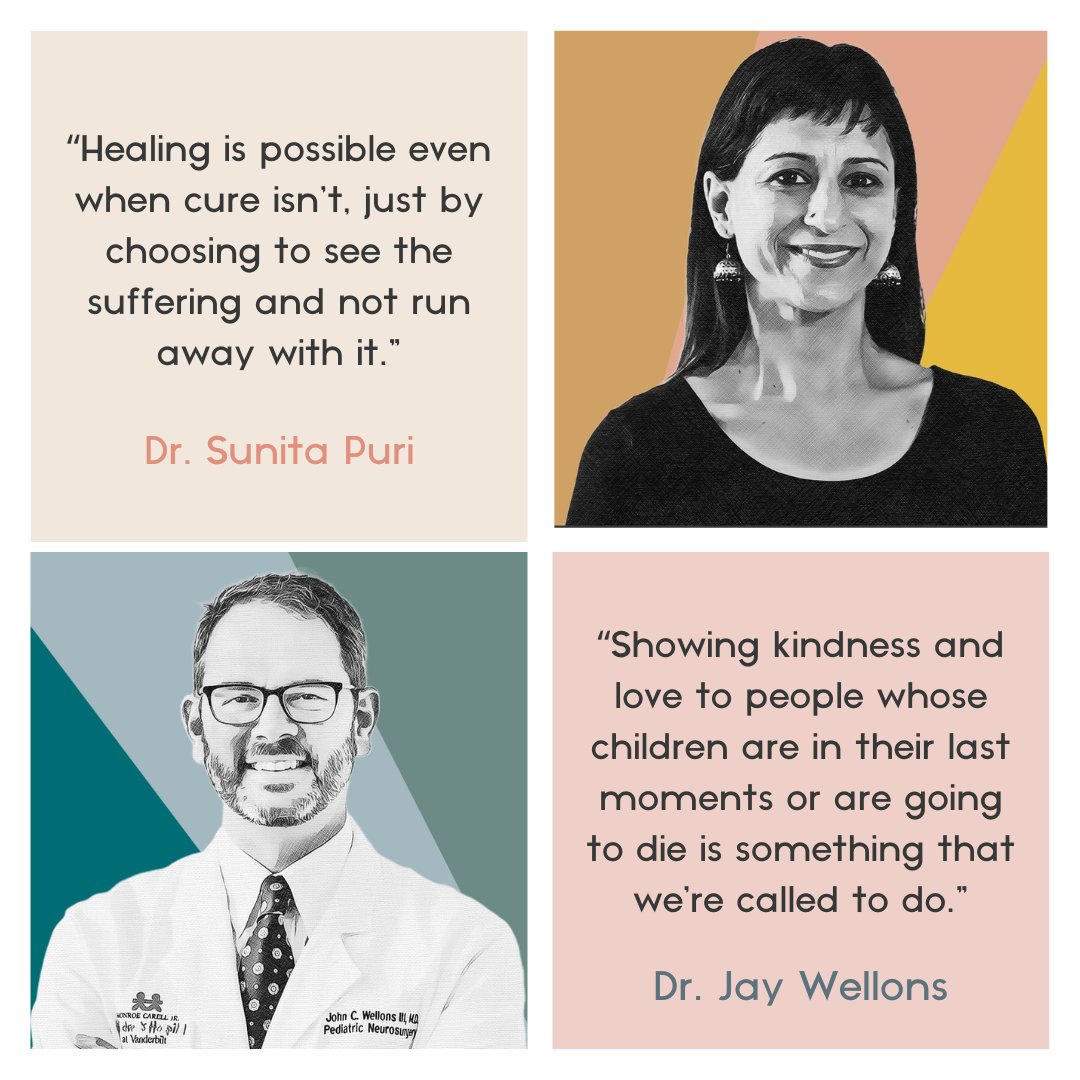
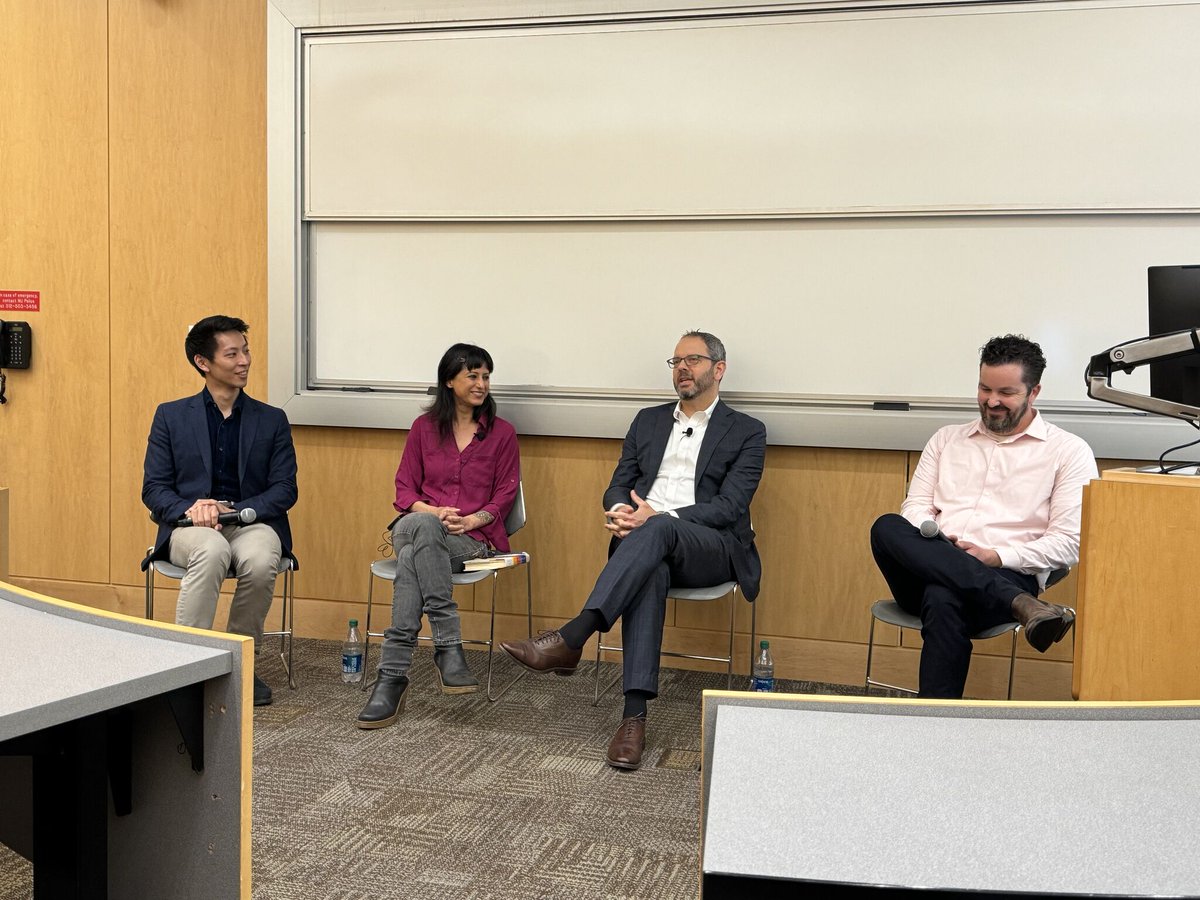
In June 2024, we hosted our first ever live #podcast event, at @NUFeinbergMed, with #PalliativeCare physician @SunitaPuriMD and #Pediatric#Neurosurgeon@JayWellons5. Together, we explored the topic of suffering in #medicine.
For a profession like medicine in which suffering — physical, psychological, existential, and spiritual — is so commonly experienced, we have remarkably little shared vocabulary to talk about what suffering means. That is, if we even have the conversations at all.
So here, we do just that. We share personal encounters with suffering, contemplate our philosophical approaches to suffering, and discuss practical strategies for accompanying #patients through suffering, managing spiritual distress, maintaining clinician well-being, and searching for #meaning amid tragic moments, if it is possible.
Listen to the episode on Apple (https://t.co/8f1N4HBc4O) or Spotify (https://t.co/5cO3RqRVnq).
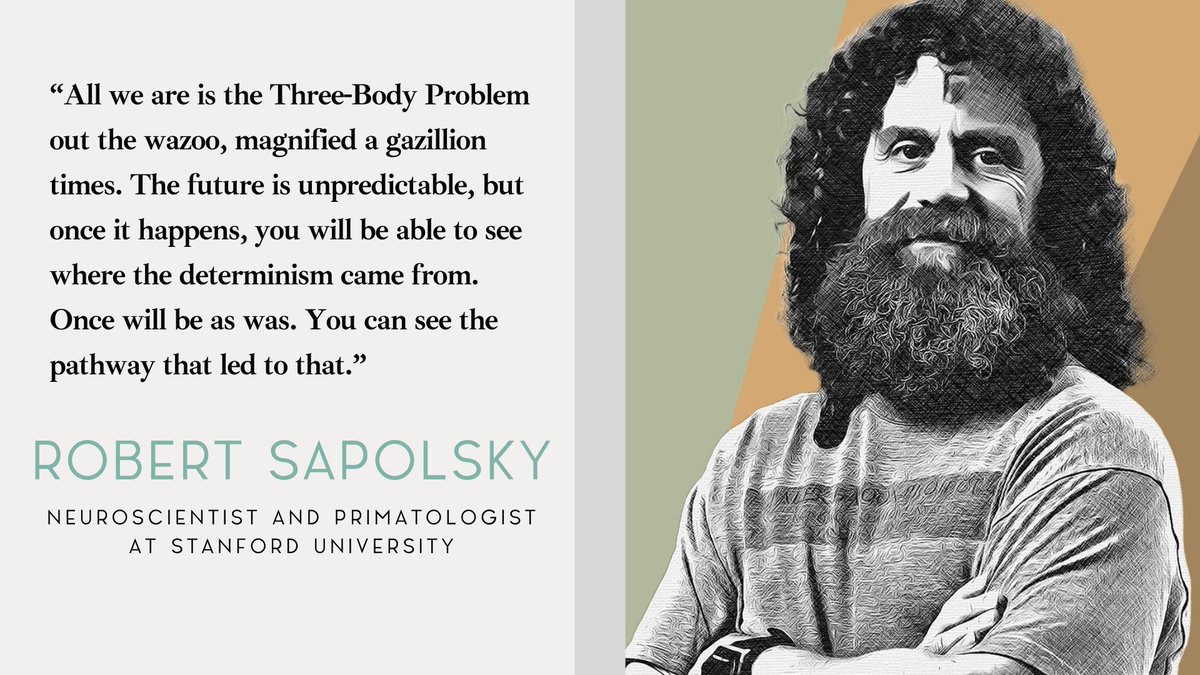
I had a wonderful time discussing the existence of free will with Dr. Robert Sapolsky, a leading @Stanford#neuroscientist who has written brilliantly about human behavior and cognition in various critically acclaimed books, including 2023's "Determined: A Science of Life Without Free Will."
Our conversation ranges from #neurobiology and #ethics to #philosophy, #ChaosTheory, and religion. We explore the implications of a lack of free will on our educational, #healthcare, and justice systems, and what human flourishing even means in a deterministic world. While we don't end up agreeing on everything, what's clear is that Dr. Sapolsky has thought more deeply about this issue than most and is driven by a dedication to imagine a more humane world. His important ideas challenge us to rethink how we think and what we know.
Listen to the episode here: https://t.co/gFKyug5oQ5
On our latest episode, we spoke with #neuroscientist and #primatologist Dr. Robert Sapolsky about why he believes #FreeWill does not exist and what it means to live well in a world without it.
🎧Listen on Apple (https://t.co/kmwRsVMGfU) or Spotify (https://t.co/rygEfiVLz2)
@StanfordMed
#MedTwitter #MedicalHumanities #Determinism #Philosophy #Psychology #HumanBehavior
It was fascinating to hear the life and work of @AAMCtoday President @DavidJSkorton on The Doctor’s Art #podcast. His is a career as diverse as they come — from innovating as a leading #cardiologist, to serving as president of several universities, to leading the @Smithsonian, to now leading the organization that represents all #MedicalSchools in the US. But a common theme evident throughout is a leadership style that is grounded in humility, mentorship, and lifelong learning. Listen to the episode (https://t.co/1QJ2ayjTQ3) to hear more about his life, as well as his thoughts on #AI, #MedicalHumanities, and other pressing issues in contemporary #MedicalEducation.
#MedTwitter #Leadership #Healthcare #Medicine #Physicians
I had a wonderful time discussing mentorship, the importance of the arts and humanities, and leadership through listening with @_HenryBair_ on The Doctor’s Art podcast. Tune in to hear more! https://t.co/FYV8FF8qCm
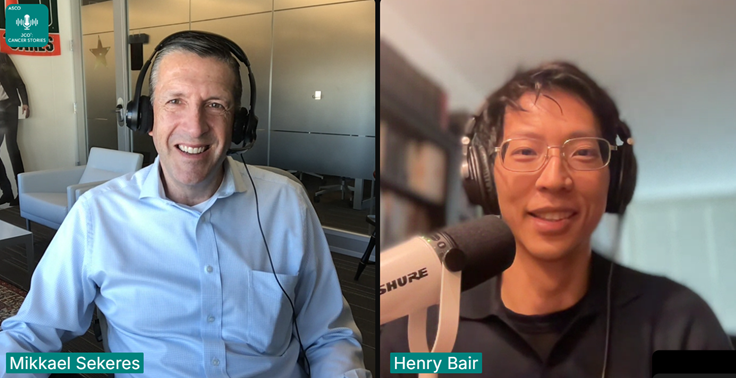
Ending #asco24 on an introspective note, thanks to @tpjmd & @_HenryBair_ for letting me share my narrative on the Doctor’s Art podcast
This conference toes the line between hope & hype but, to quote the Beatles, “I’ve got to admit it’s getting better”
https://t.co/UP8d7QBJYq
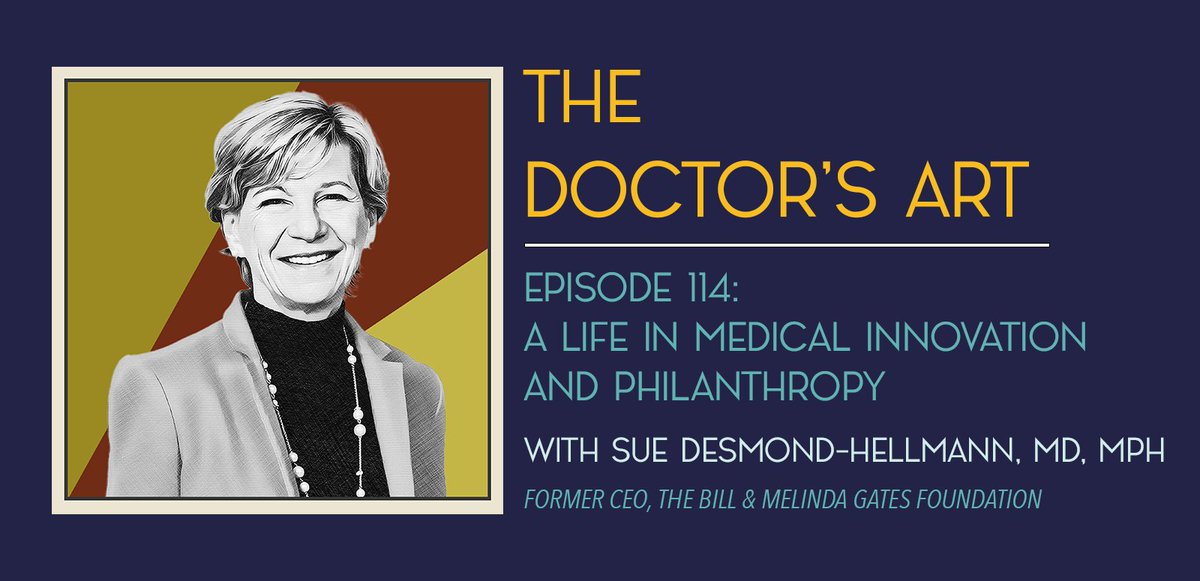
In this episode of The Doctor's Art #podcast, @SueDHellmann shares lessons learned from her incredibly diverse career path. As former CEO of the @GatesFoundation, she led one of the world's most influential philanthropic organizations to tackle some of the most pressing issues in poverty and #GlobalHealth. As a former President of Product Development at @Genentech, she oversaw the creation of Avastin, Herceptin, and other #cancer drugs that have since saved millions of lives. And as an #oncologist, she focused on helping #HIV patients afflicted with Kaposi sarcoma.
Over the course of our conversation, Dr. Desmond-Hellmann discusses her passion for medical innovation, the intricacies of drug development, her perspectives on #AI and the future of medicine, how she balances her personal life and professional demands, and more.
Listen to the conversation here: https://t.co/EOC6EkAZBM
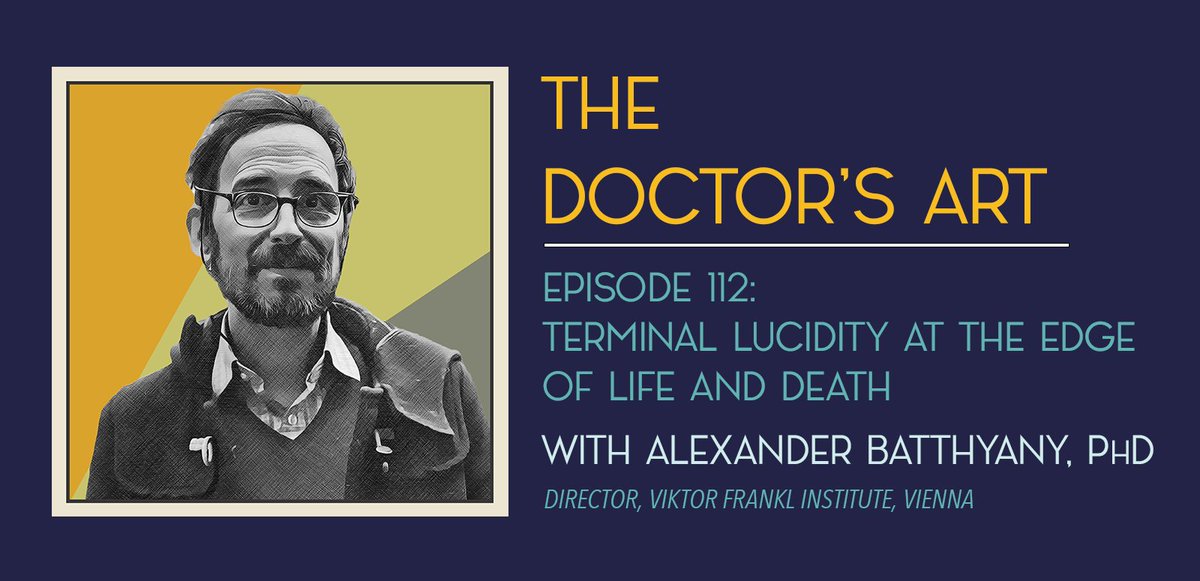
In this episode of The Doctor's Art #podcast, Director of the Viktor Frankl Institute and existential psychologist @Alxdr_Batthyany discusses the phenomenon of #TerminalLucidity — when patients at the #EndOfLife, even those with severe cognitive impairment, experience a brief return of mental clarity and memory — and what this teaches us about dignity, kindness, and compassion.
Listen here: https://t.co/pjUWtCA4DT
#MedTwitter #MedicalHumanities #MedicalEducation #Psychology #PalliativeCare #Hospice #EoL #Healthcare #PatientCare #Nursing #MedicalPodcast