Three disease outbreaks. Three countries. Three epidemics prevented.
Last year El Salvador, Gabon and Thailand contained outbreaks of malaria, mpox and cholera before they spiraled into epidemics. In a new video, we hear from the health care workers involved about how they acted quickly to stop diseases from spreading using the 7-1-7 target for outbreak detection and response and saved lives.
You can read the full stories in our new Epidemics That Didn’t Happen report, launched today at #WHA79: https://t.co/IpuJrn8dMq
In a new video, David Berendes, Senior Technical Advisor on our Lead Poisoning Prevention team, shares three things you should know about lead poisoning, a preventable tragedy that kills millions of people every year.
He notes we’re supporting @WHO to develop a new technical package for lead poisoning prevention. The PREVENT package will provide a roadmap for governments to take effective action to protect people from lead exposure.
To learn more and provide feedback on the technical package development, visit our website and join one of WHO’s upcoming webinars: https://t.co/bak6Esrna4
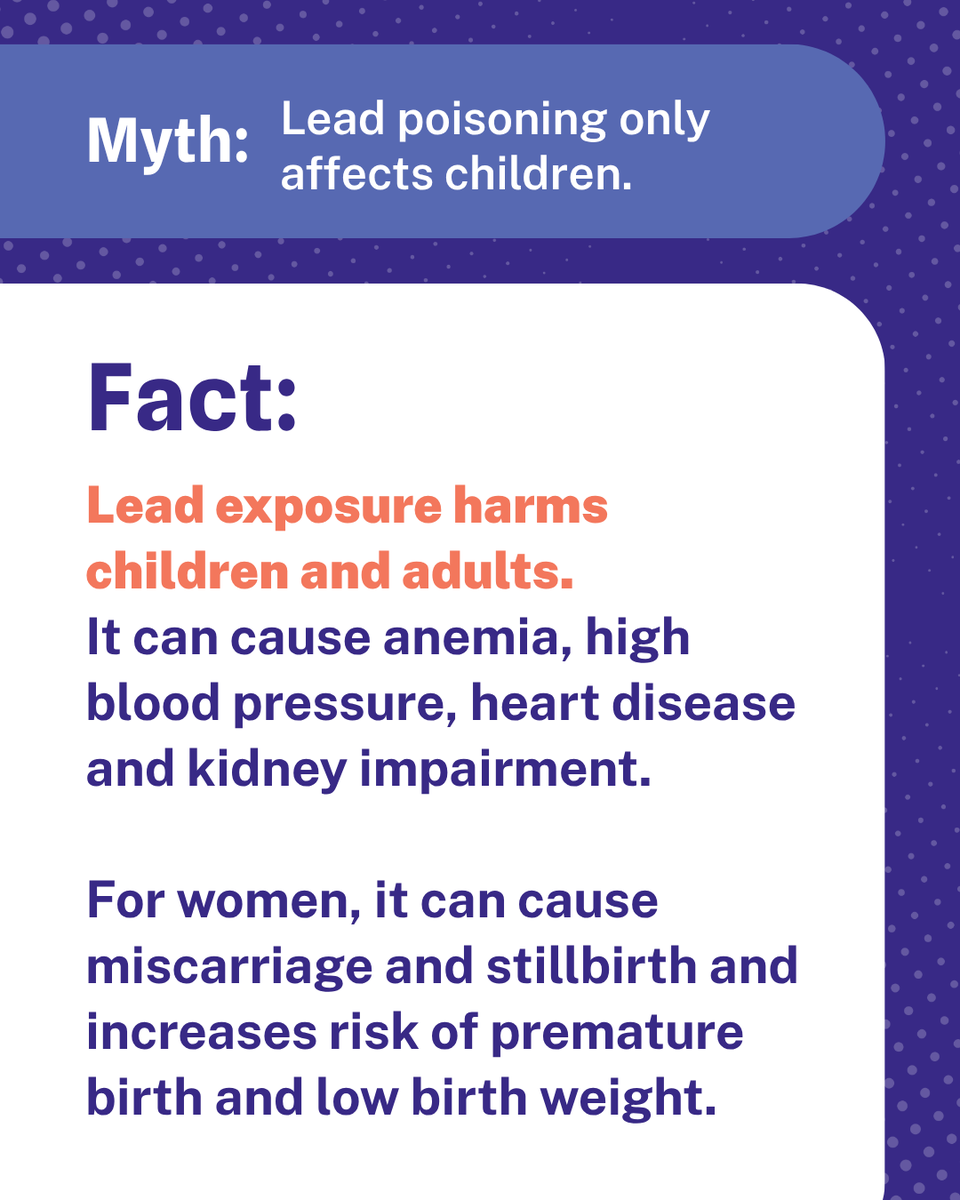
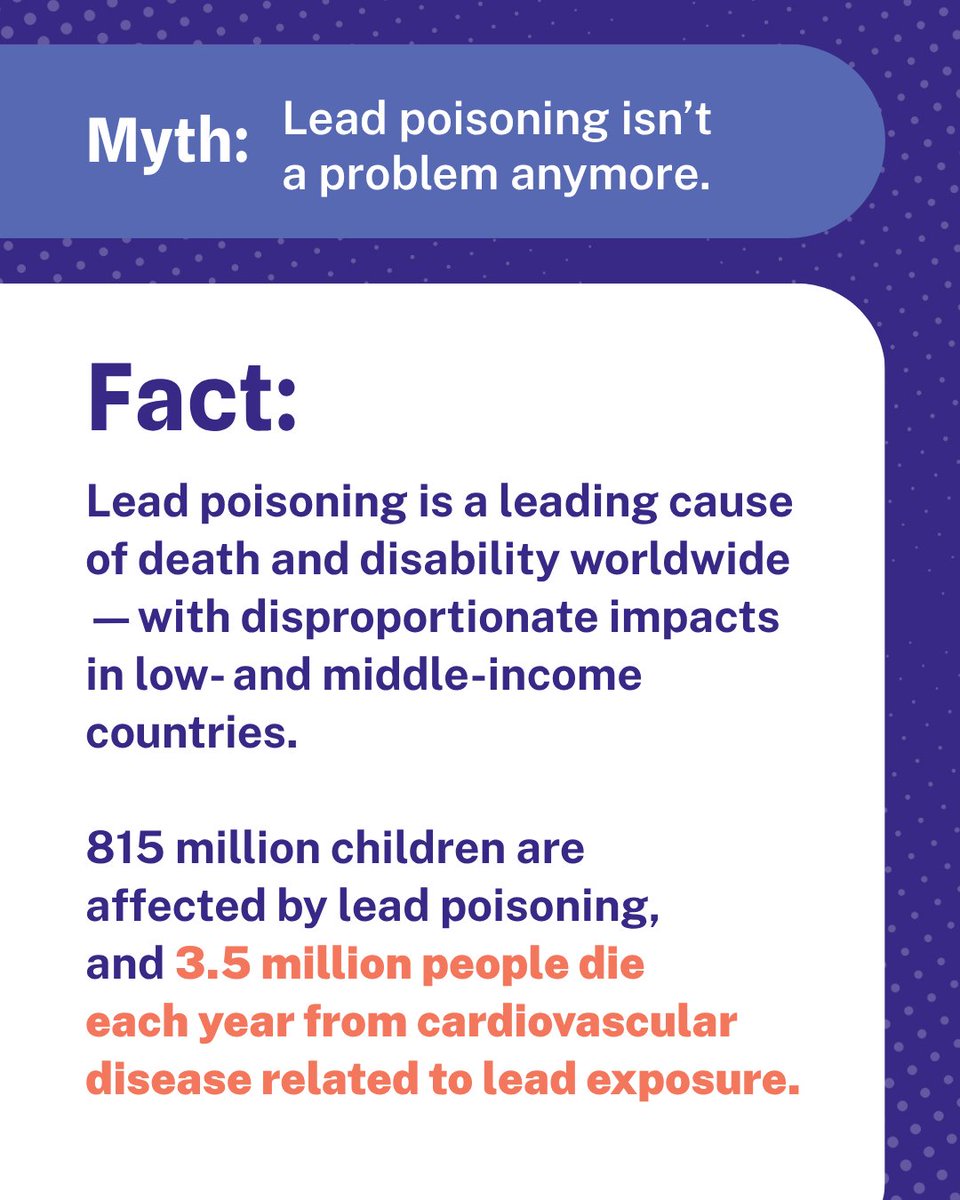
Myth or fact? Swipe to test what you know about lead poisoning, one of the world’s deadliest health threats.
This International Lead Poisoning Prevention Week, we’re dispelling common myths about lead and raising awareness about the harms of exposure. One of the biggest myths of all is that there’s nothing to be done to address the threats posed by lead.
Lead poisoning is preventable. We're working with governments and other partners to advance evidence-based policies that prevent lead poisoning and save lives. Learn more: https://t.co/bak6Esrna4
We asked Kate, Technical Advisor on our Lead Poisoning Prevention team, to tell us why we should care about lead poisoning in just 30 seconds. Can she do it?
It’s International Lead Poisoning Prevention Week, and we’re raising awareness about the harms of lead exposure and the actions governments can take to stop exposure at the source to protect communities. Visit our website to learn more: https://t.co/bak6Esrna4
Last week, @KEBS_ke and @jumuiya co-hosted a regional workshop in Nairobi that brought together leadership from seven East African partner states, including government delegates from national standards boards, ministries of health, and key partners including @UNICEF, @WHO, @IncubatorGHAI, @WFP and CSO partners, to discuss progress on trans fat elimination.
The workshop also supported alignment across East African Community (EAC) countries to support an international food standard to protect nutrition of older infants and young children ahead of the 45th Codex Committee meeting in November.
We are proud to partner with the EAC on this work. To date, trans fat elimination policies have protected more than half the world’s population from toxic trans fat in foods. Successfully advancing best practice policies in the EAC would protect an additional 330 million. To learn more about our work, visit https://t.co/tFVh8csvNR
We’re supporting government-led efforts in Ethiopia to support healthier food choices and reduce the burden of diet-related chronic disease.
We recently partnered with Ethiopia’s Ministry of Tourism to provide workshops for chefs and hospitality professionals on practical skills to prepare healthier meals. The workshops explored the links between unhealthy diets and chronic disease and offered practical approaches to reduce salt, sugar, trans fats, and partially hydrogenated oils in recipes and menus.
Participants can now champion healthier cooking practices and share their knowledge within their workplaces, helping to increase the availability of healthier food in restaurants, hotels and other settings in Ethiopia.
Africa’s ability to respond to epidemics depends on collaboration across the health sector.
At #FHC2026, @ResolveTSL will bring civil society organisations together to discuss how they can strengthen epidemic preparedness and response through advocacy and accountability.
Register to join the conversation: https://t.co/tRLGsqGPqs
#TheFutureOfHealthIsNow
A new study identifies research priorities that can help make potassium-enriched, lower-sodium salt accessible to everyone.
Our team worked with partners to identify critical next steps for scaling-up these healthier salts, which have the potential to become a transformative, scalable intervention for preventing cardiovascular disease globally. Filling these research gaps could support the scale-up of these salts across the globe:
▪️Safety & Efficacy: Close the safety evidence gap for use in higher-risk populations and clarify long-term health outcomes.
▪️Industry & Food Technology: Improve formulations, taste, affordability and feasibility for widespread adoption.
▪️Implementation: Identify effective ways to increase consumer, health care provider and industry uptake.
▪️Public Policy: Evaluate subsidies, procurement policies, labelling and other levers that can make potassium-enriched, lower-sodium salts the easier choice.
Read the full research article: https://t.co/h8NiXYbIib
We’re working with partners to turn public health data into actionable insights that can prevent outbreaks from spreading.
Earlier this month, we hosted an epidemic intelligence training for government staff from @EPHIEthiopia, @instituto_ins, @SaudeMisau, @NCDCgov and @ZMPublicHealth. Through a combination of virtual learning from @appliedepi and an in-person bootcamp in Kigali, Rwanda, participants built practical skills in data analysis, visualization, interpretation, and communication using R for public health decision-making.
They are now applying these skills through country-based capstone projects designed to address real-world epidemic intelligence challenges and make outbreak response faster and more efficient. Thanks to all the participants for a productive training and their commitment to building technical skills that will make their communities safer from public health threats.
New research reveals how routine blood pressure screening in primary health care facilities can improve early detection and management of high blood pressure, one of the world’s deadliest health issues.
In Ethiopia, 11 million people are estimated to be living with high blood pressure, but less than half of them are aware of it. To address this issue, the Ethiopian government implemented a quality improvement initiative in six primary health care facilities to make blood pressure screening a part of routine care.
A new study published by our team and partners reveals promising results from the initiative:
- Between April 2024 and February 2025, monthly blood pressure screening of adults doubled from 41% to 80%.
- In the same timeframe, monthly enrollments in the hypertension program more than tripled.
The big takeaway? Supporting primary health care systems to screen the blood pressure of all adults visiting healthcare facilities leads to better detection and treatment for high blood pressure—and more patients receiving care. Read the full paper: https://t.co/1yCpm0SgPf
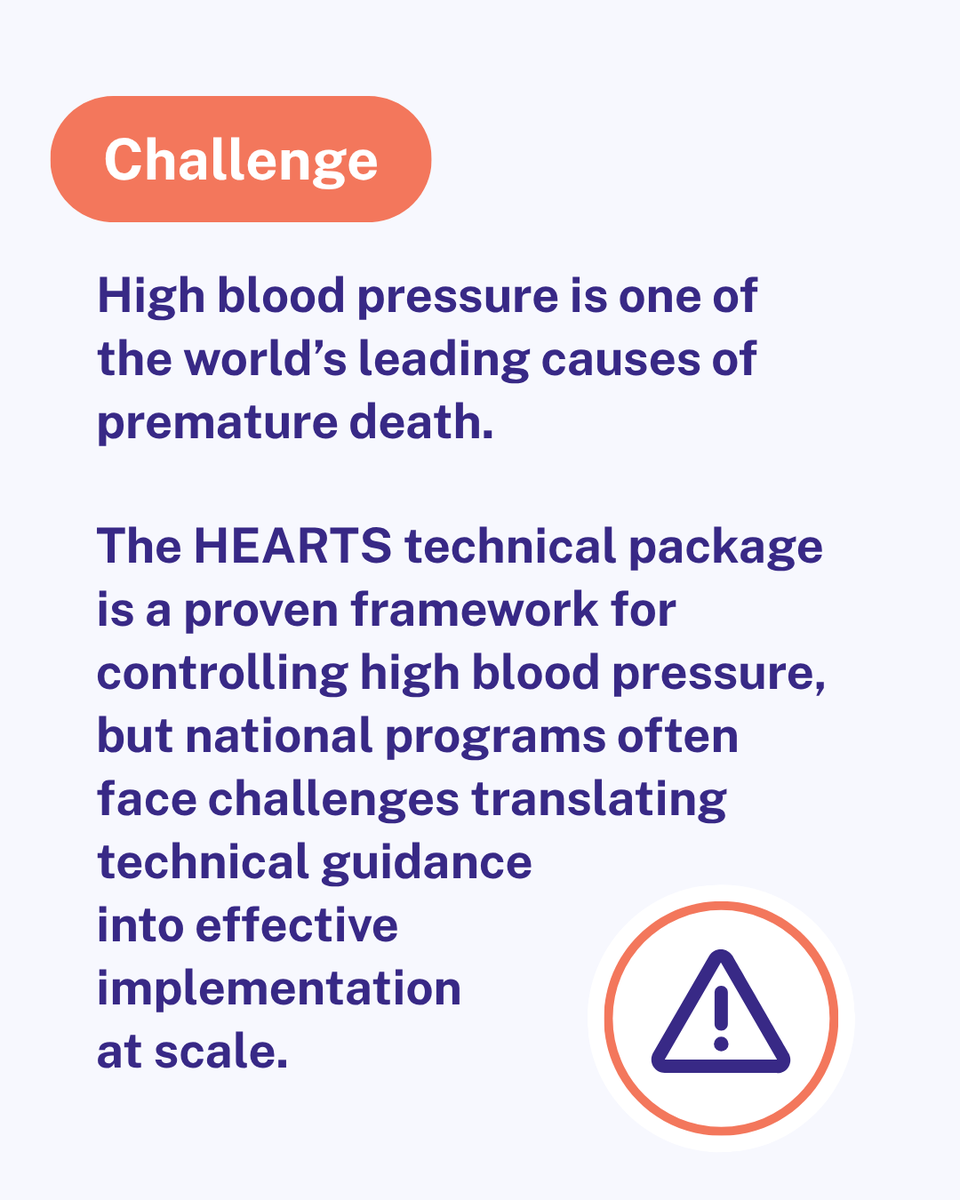
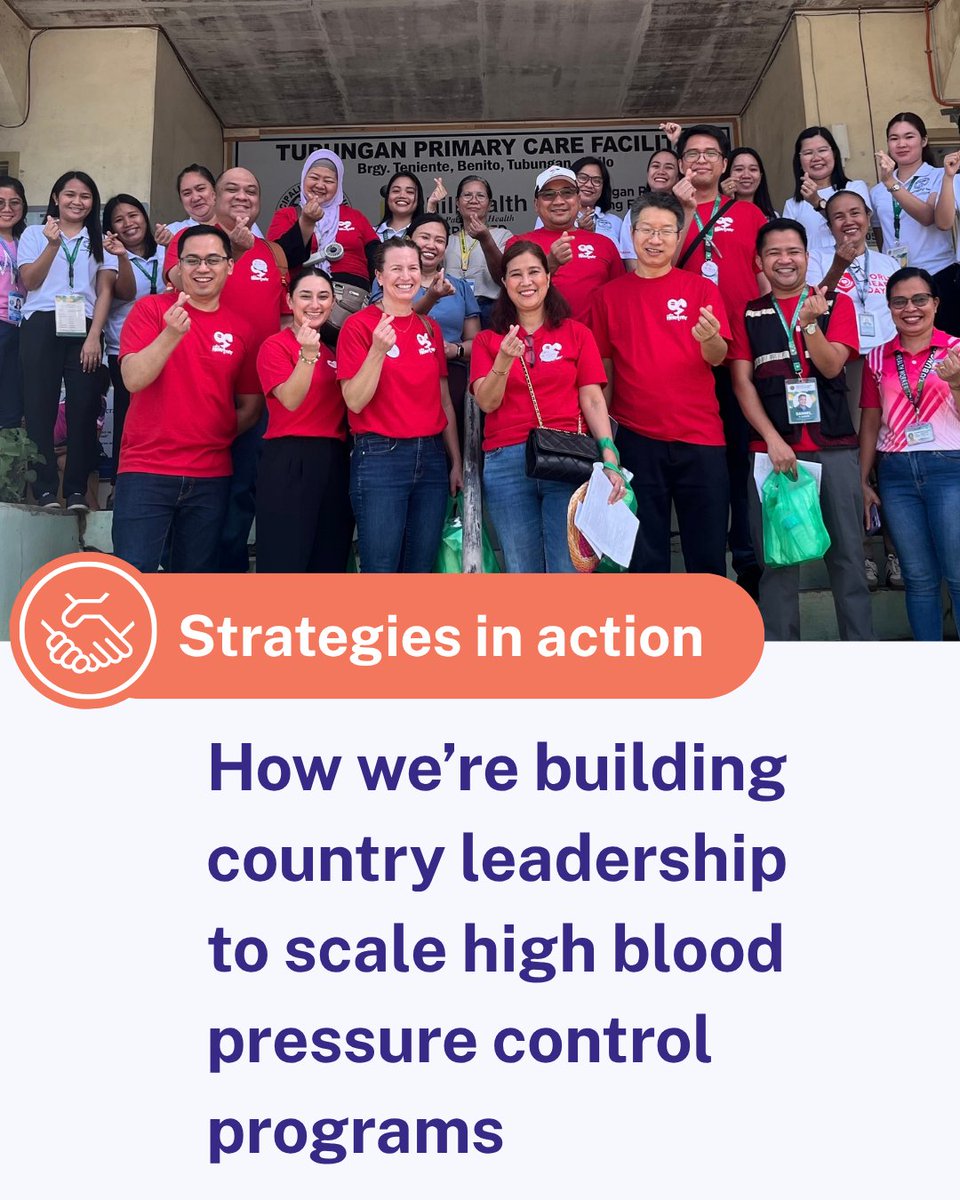
High blood pressure is one of the world’s leading causes of death. That’s why we’re empowering countries to improve blood pressure control programs at scale.
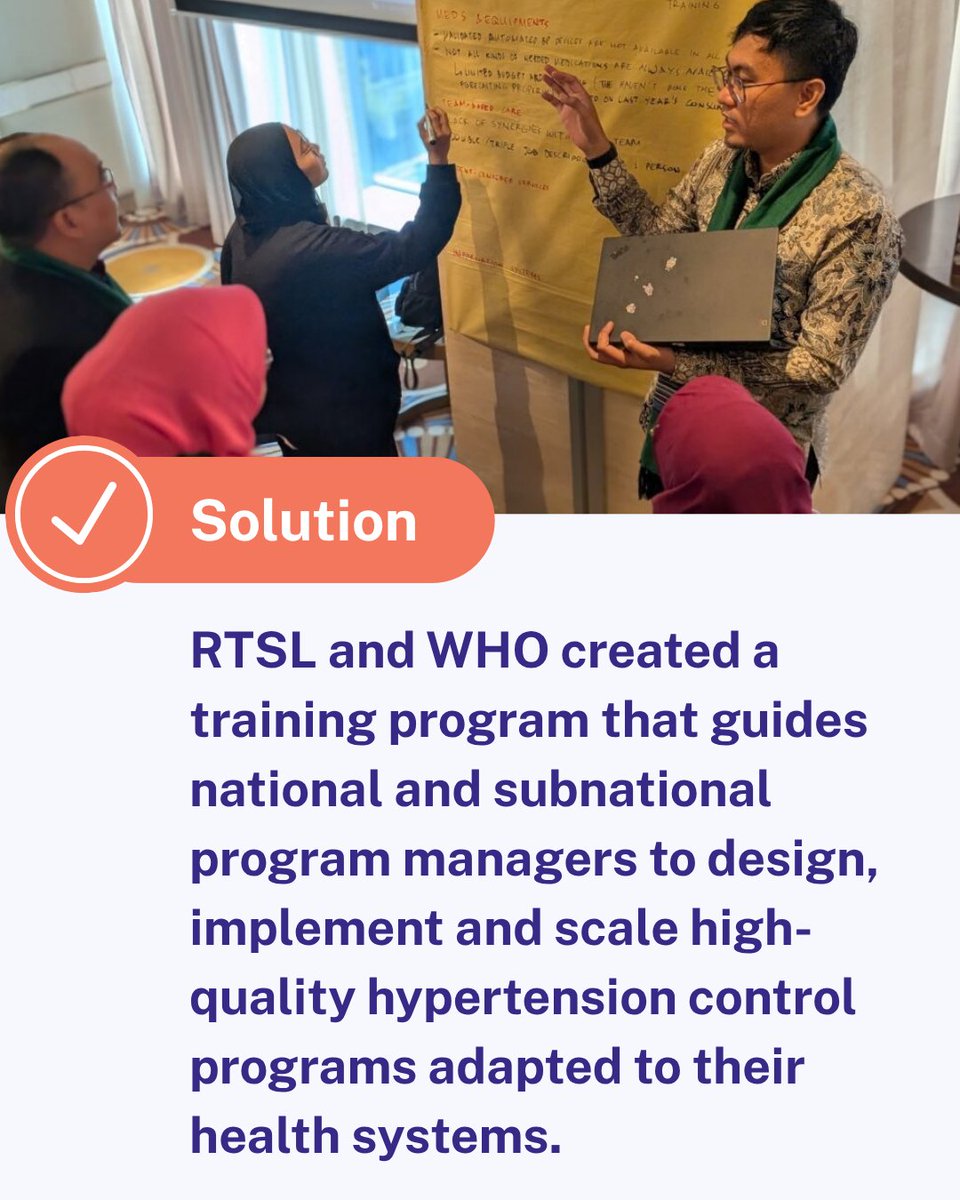
We developed a training with @WHO that equips program managers with practical skills to design, implement and scale high-quality hypertension control programs adapted to their health systems.
In the year since we launched, the training has reached 115 program managers from 20 countries across Southeast Asia, Western Pacific and Eastern Mediterranean. Through facilitated discussions, practical exercises, peer learning and field visits, participants move from technical guidance to concrete implementation decisions and action plans that they can use in their countries.
The result? Leaders who can translate strategies from WHO’s HEARTS technical package into country-level action that improves blood pressure control and saves lives.
https://t.co/5IUEkOv1f1
Switching the type of salt we use could save millions of lives from heart disease.
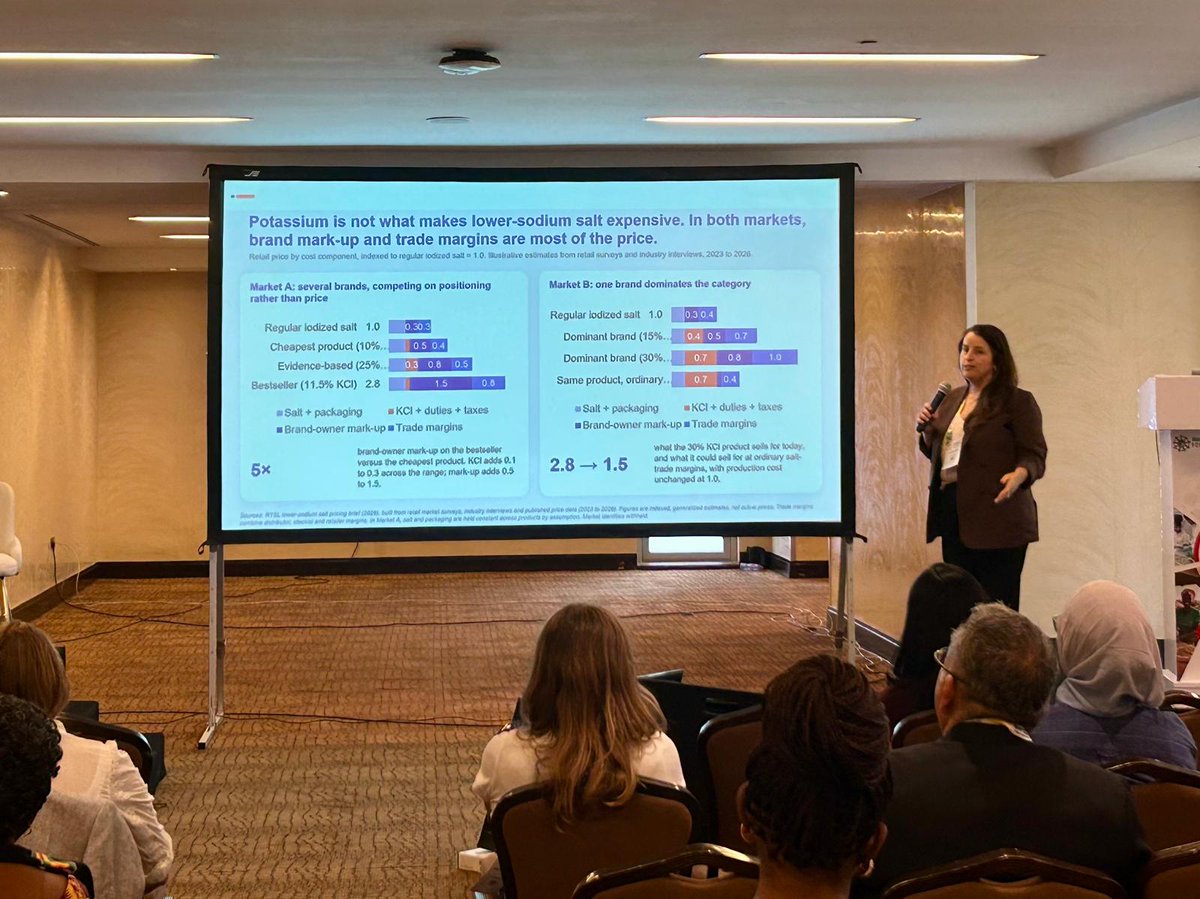
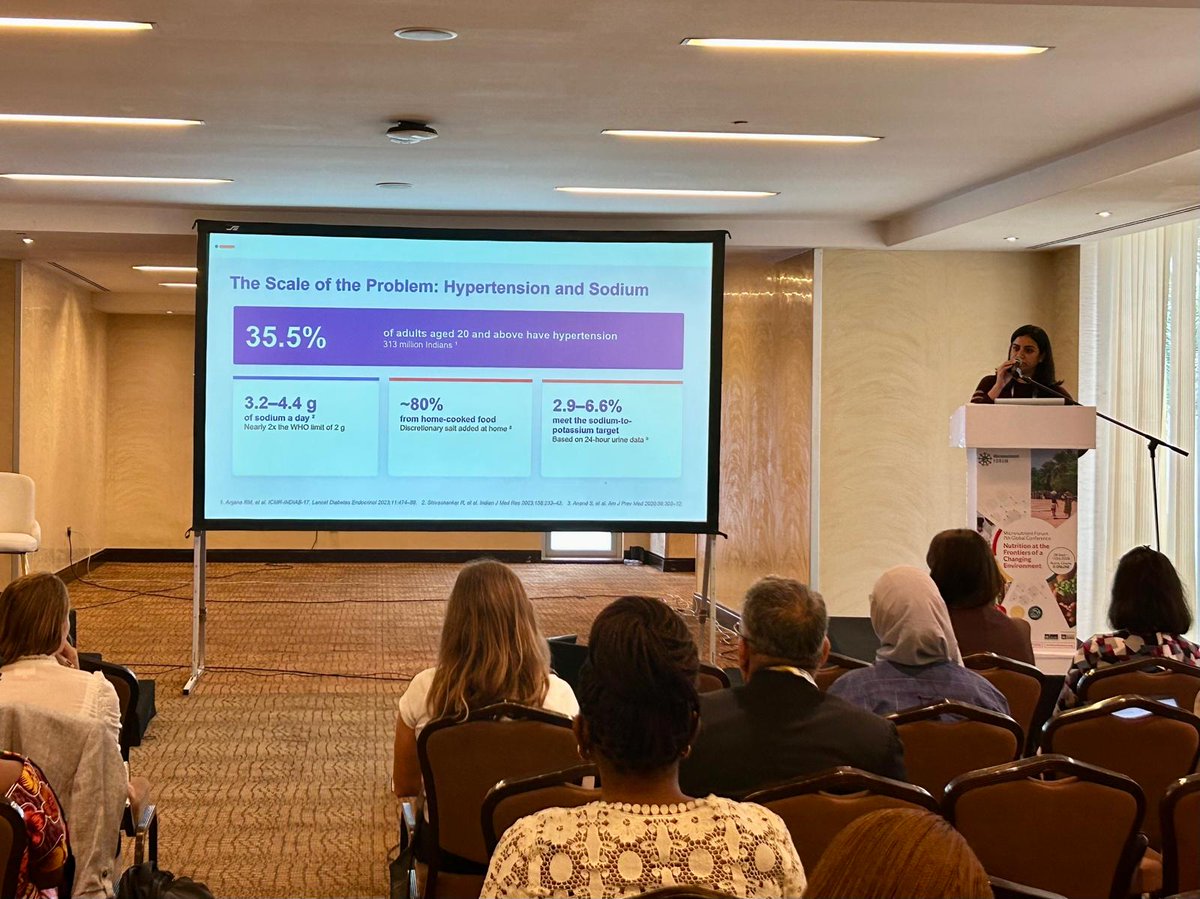
Last week, we gathered with the Access to Nutrition Initiative, @RenPhilanthropy and others at the Micronutrient Forum Seventh Global Conference to highlight how scaling up the global use of potassium-enriched salt can prevent heart attacks, strokes and new cases of kidney disease.
These conversations were only the beginning. We’re working with partners to increase the availability, affordability and acceptability of potassium-enriched, lower-sodium salt—to help people everywhere live longer, healthier lives. Learn more: https://t.co/3yxA5ihHfw
Since 2023, we've been working with partners in Nigeria to make it easier for high-quality cardiovascular medicines to be produced locally and at affordable prices.
We collaborate with the Nigerian government, local pharmaceutical manufacturers, and regulators to strengthen local pharmaceutical production and procurement processes. Early results show that this work has helped lower the cost of high blood pressure medicines in public facilities, improving medicine access for people living with high blood pressure.
Strengthening regional and local pharmaceutical manufacturing across Africa can help expand the region’s capacity to produce essential medicines and support more resilient health systems. Learn more about how we’re working with partners to strengthen local production of quality assured-medicines in Nigeria: https://t.co/5sVirUlDuh
“When we replace table salt with lower-sodium salt, the taste of our food won’t change. Only our hearts will know the difference.”
Our president and CEO @DrTomFrieden writes about how switching to potassium-enriched, lower-sodium salt can prevent heart attacks and strokes and save millions of lives. Read his newsletter here: https://t.co/JXRaDyPlwK
Join the 7-1-7 Alliance on Thursday, October 1 for a webinar focused on turning 7-1-7 data into action.
Representatives from Liberia and Thailand will share how they’re using 7-1-7 timeliness data for performance improvement. The Alliance will also provide the first live walkthrough of the global 7-1-7 dashboard, with time for questions. Participants will leave with concrete knowledge of how countries can incorporate 7-1-7 data into routine workflows and leadership meetings and approaches to use timeliness data to make the case for resources.
Live interpretation will be available in French and Spanish.
Register here: https://t.co/3dsxQMmXtB
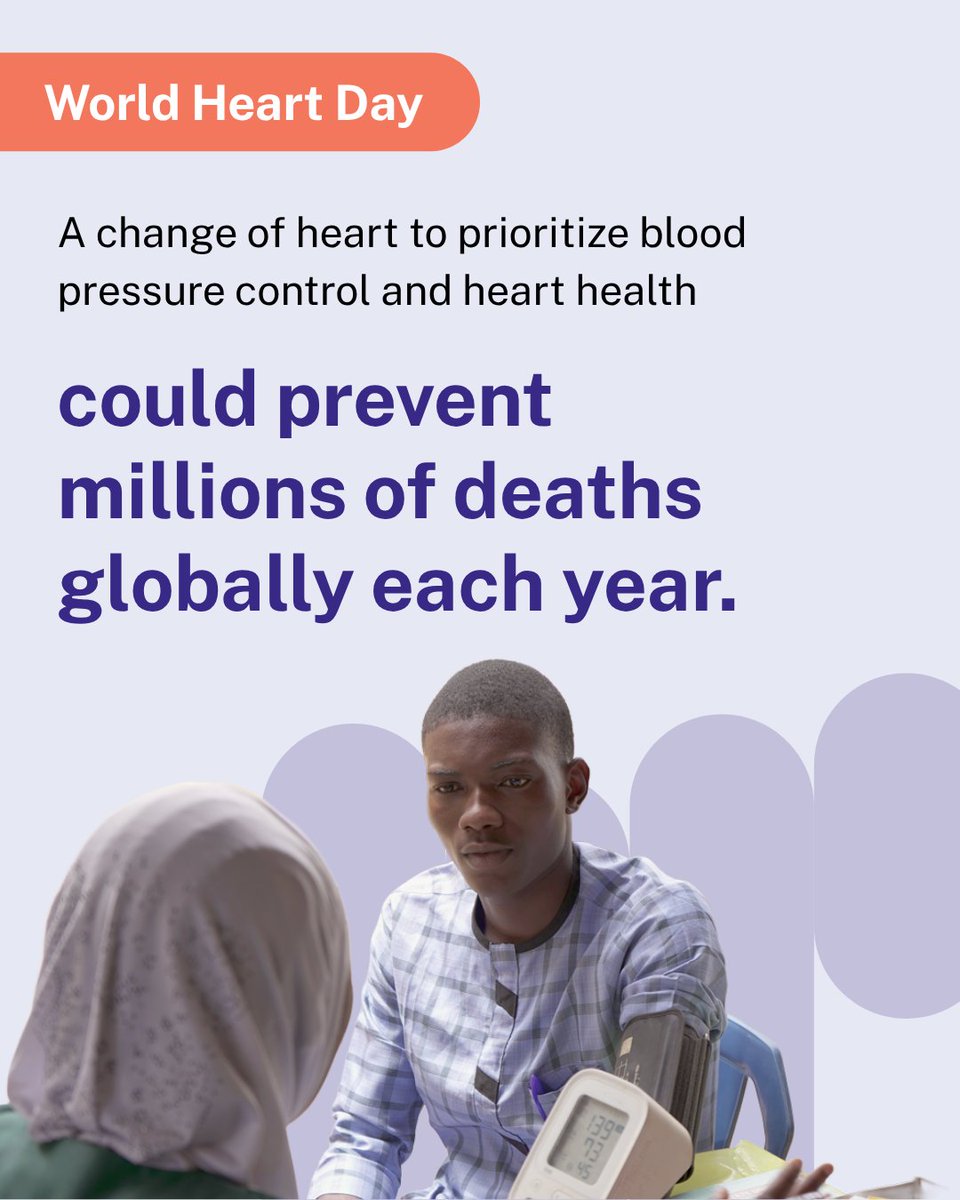
It’s time for a global change of heart to prioritize blood pressure control.
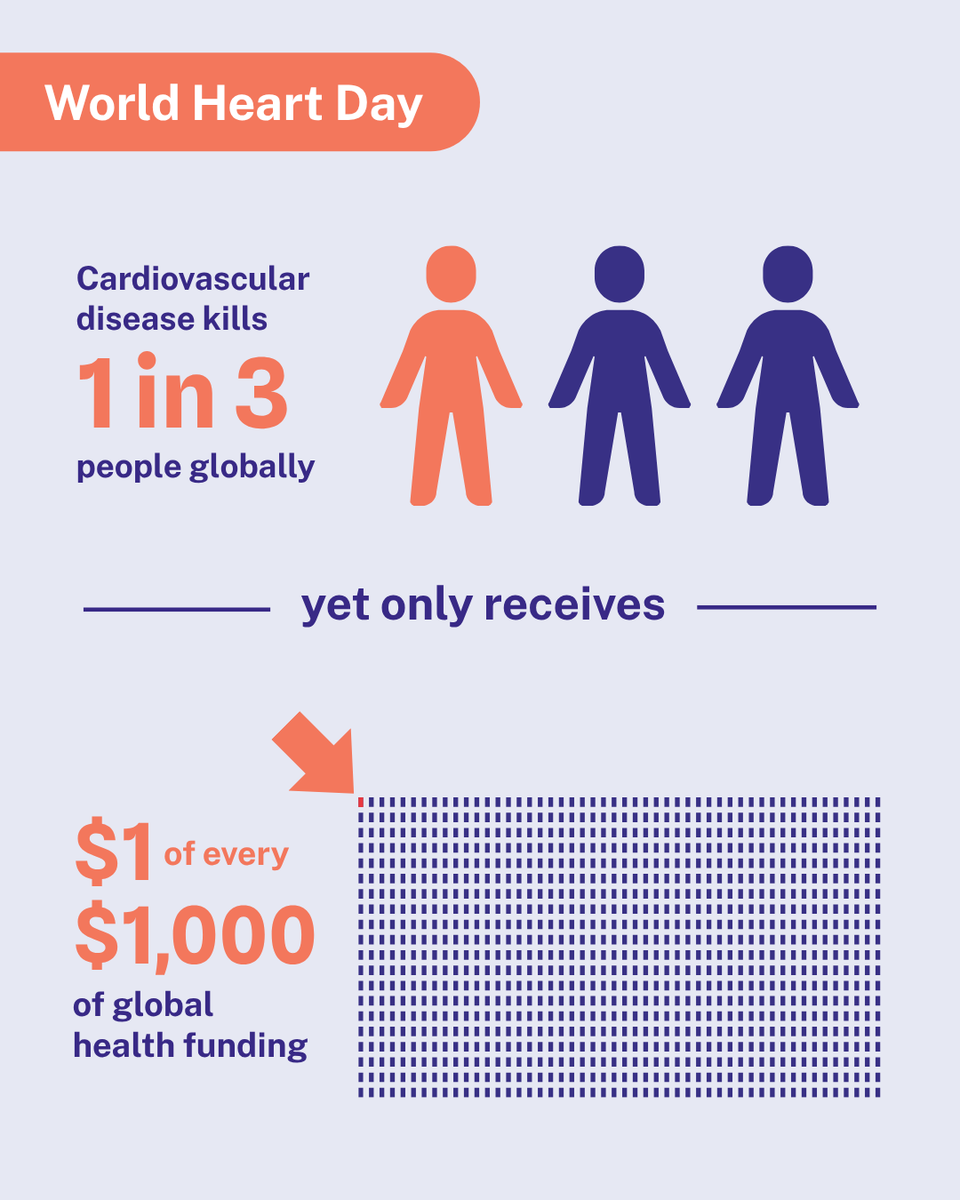
1.7 billion hearts beat too hard because of high blood pressure, putting people at risk for heart attack, stroke and early death. Life-saving solutions exist. This World Heart Day, learn about our work with partners to make affordable treatment for high blood pressure available to millions of people who need it.
https://t.co/TuaOGcGy52
The Micronutrient Forum Seventh Global Conference has officially started. If you’re attending, consider joining our session on September 29 at 7:30am to learn how switching to potassium-enriched salt can save lives.
We’re co-hosting the session with ATNi (Access to Nutrition initiative) and @RenPhilanthropy to explore how potassium-enriched salt can prevent chronic disease and reduce high blood pressure, stroke and heart disease. We will discuss:
▪️The evidence base for using potassium-enriched salt to improve cardiovascular health
▪️The number of lives we could save if the world made a global switch to potassium-enriched salt
▪️How we can incorporate sodium reduction and noncommunicable disease prevention into fortification roadmaps.
If you’re attending the conference, join us in the Capitol Room.
Lead poisoning is an avoidable tragedy with devastating health, environmental and economic costs.
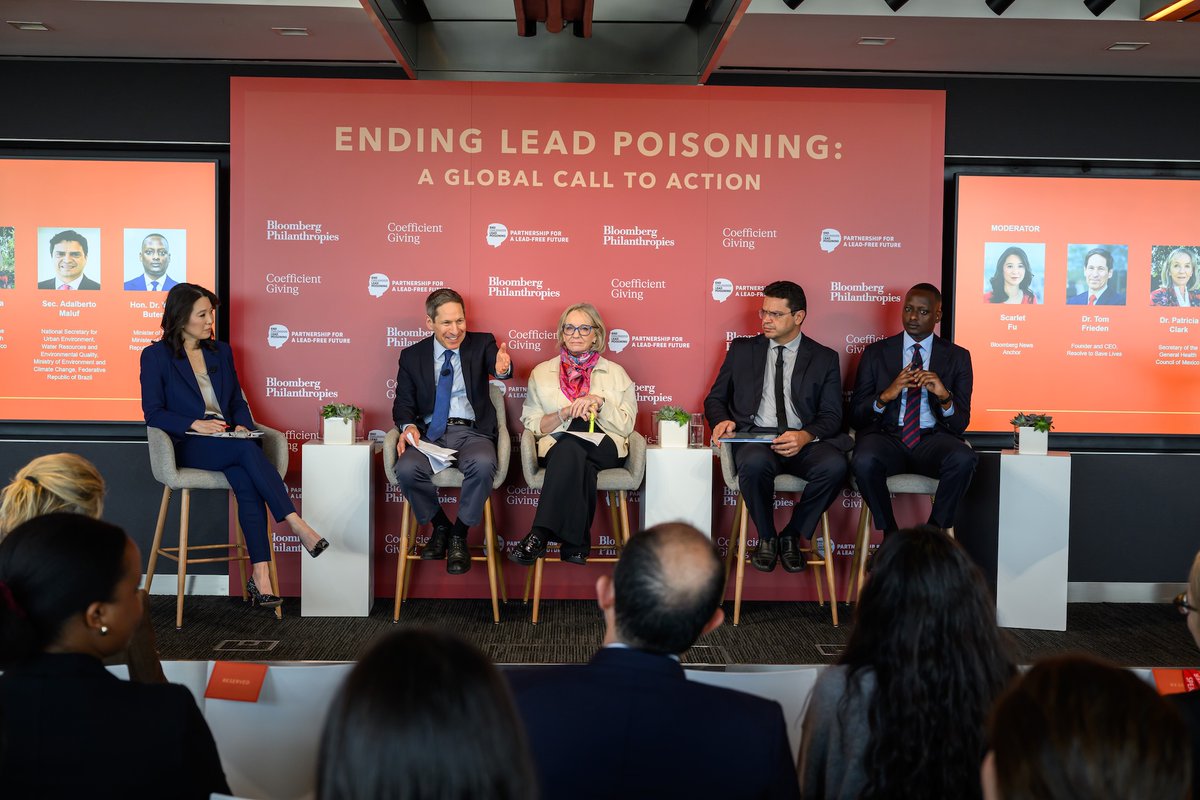
This week, our president and CEO @DrTomFrieden joined @BloombergDotOrg, @coeff_giving, and Partnership for a Lead-Free Future to discuss the global burden of lead poisoning and proven solutions to address lead exposure and prevent deaths.
Progress is possible. We’re providing technical guidance for @WHO's forthcoming PREVENT technical package for lead poisoning prevention, which will include best practices for countries to prevent lead exposure and protect communities from unnecessary suffering.
Learn more about the PREVENT package and our work to save lives from lead poisoning: https://t.co/F3VcRJD3fz
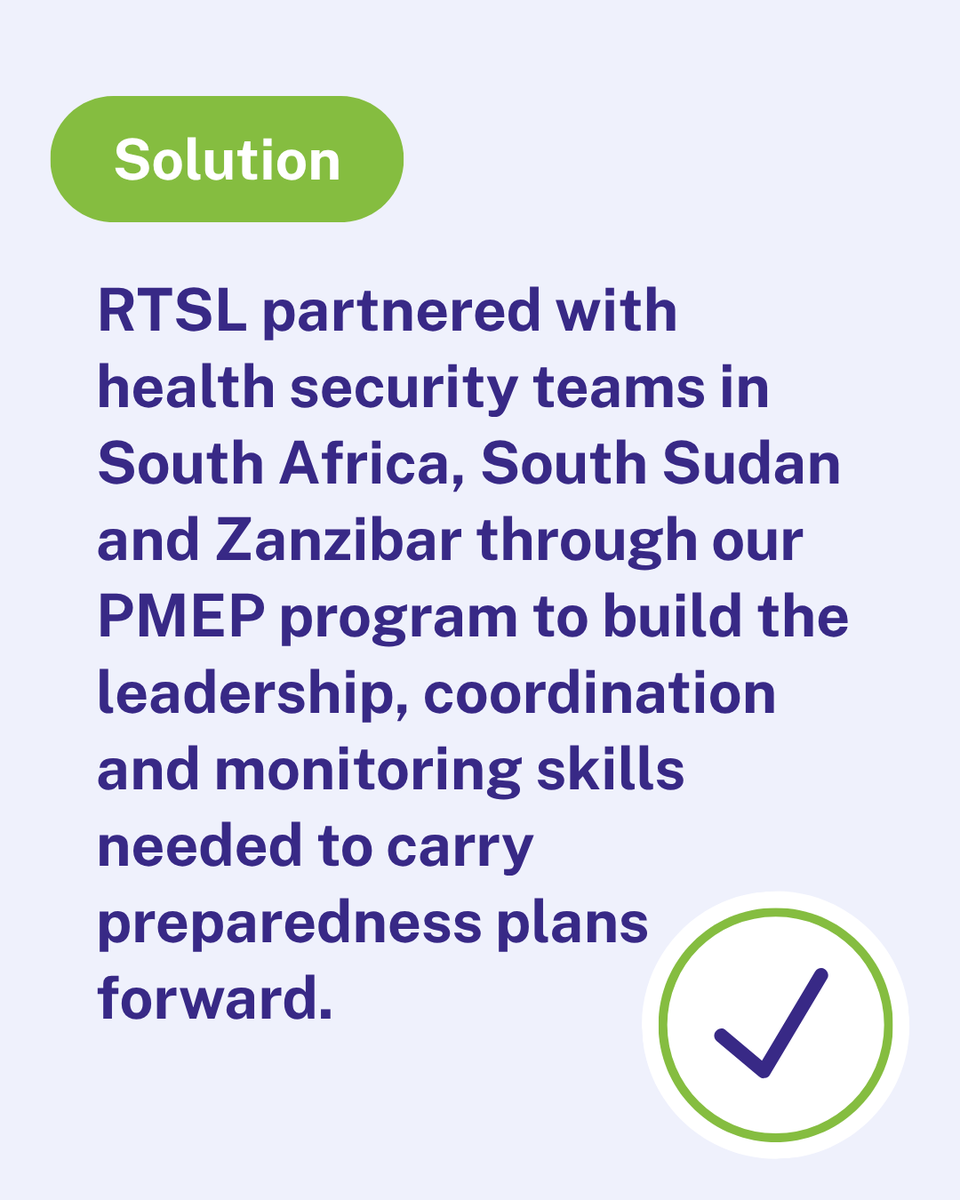
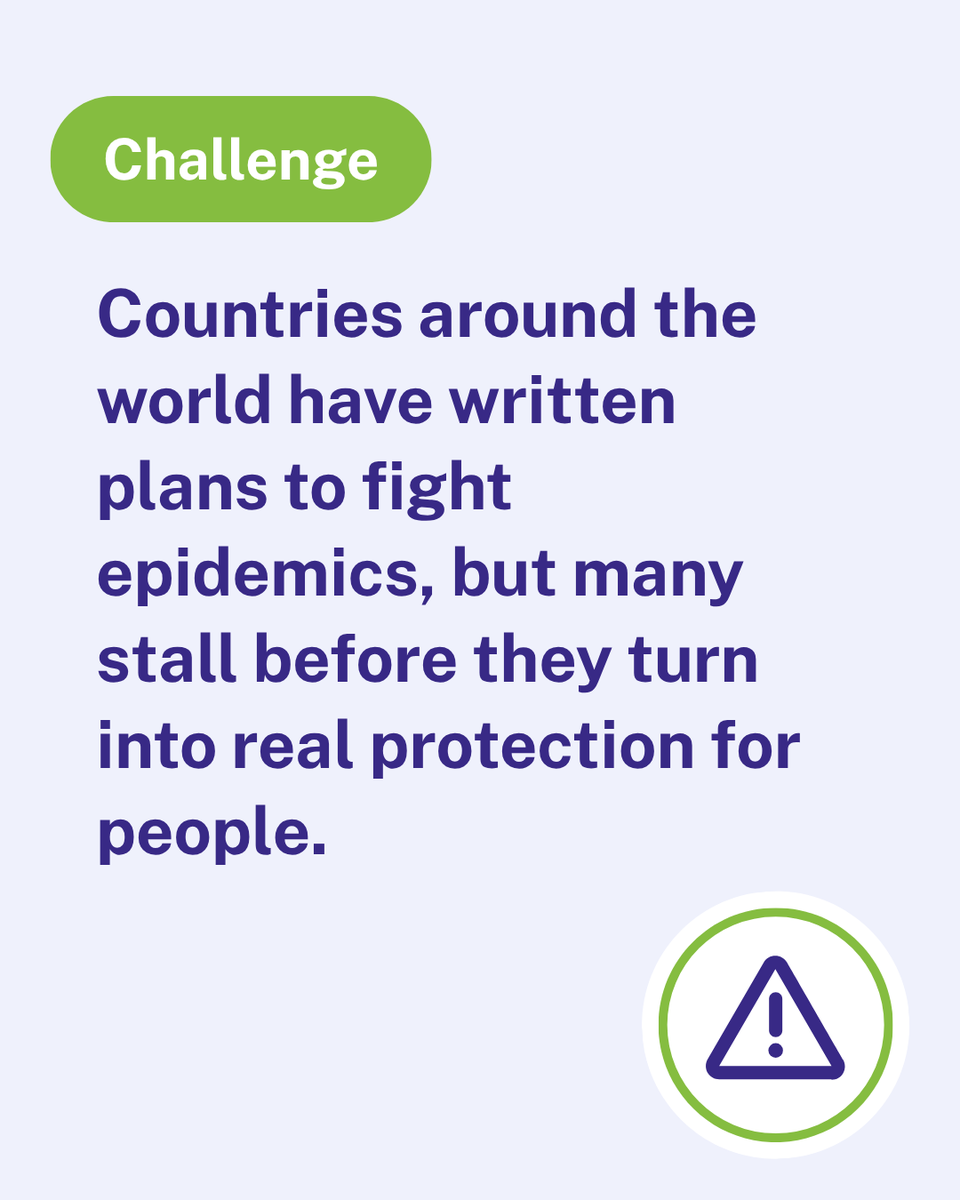
Almost every country has a plan to fight epidemics, but plans on paper don’t always translate into action.
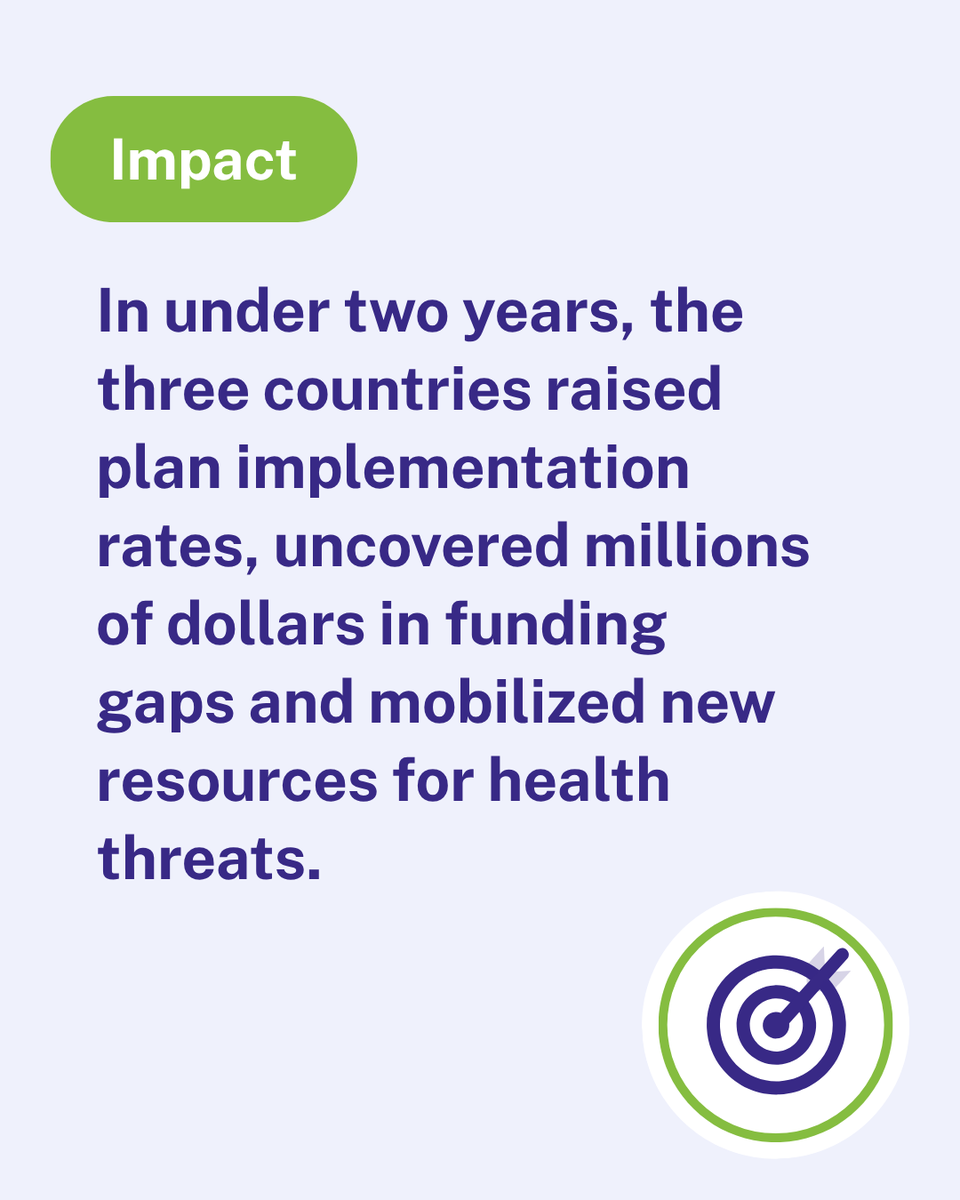
Our team designed the Program Management for Epidemic Preparedness (PMEP) program to close the gap between planning and doing. PMEP builds the management skills of national health security teams so they can lead their countries' preparedness work.
In a new success story, we look at how South Africa, South Sudan and Zanzibar strengthened their health security systems using resources and peer exchange facilitated by PMEP. Read the full story on our website: https://t.co/YRE3BQZgHd
Identifying and acting on sources of lead exposure can protect children and adults from harmful health effects and make longer, healthier lives possible.
We work with Nigeria and other countries to strengthen government capacity to identify and regulate lead sources to protect human and environmental health. We recently supported Nigeria’s Federal Ministry of Environment to convene stakeholders to validate a new training toolkit for the Environmental Health Officers on the frontlines of lead poisoning prevention and response. Learn more ➡️