The WHO Regional Office for Europe is one of 6 WHO regional offices around the world. It works with public health partners across the Region. Led by @hans_kluge
#Alcohol makes a dangerous situation worse, increasing the likelihood & severity of violence. Violence against women is rooted in factors like misogyny, entitlement and abuse of power.
Alcohol is #NoExcuse for violence. Responsibility always lies with the perpetrator.
#16Days
43 million girls aged 15–19 worldwide have experienced violence at least once in their lives: physical and/or sexual violence from a partner, sexual violence from someone else, or both.
Every girl has the right to grow up safe, respected, and free from harm, whether at home, at school, online, in her relationships, or when accessing health care.
💬 Share this to break the silence.
#EndViolence
Justice for survivors must include health.
Violence against women and girls is a public health issue that impacts us all.
And tackling it is a priority for WHO Europe.
Find out more: https://t.co/LotJc11VNF
#16Days#16DaysOfActivism#NoExcuse
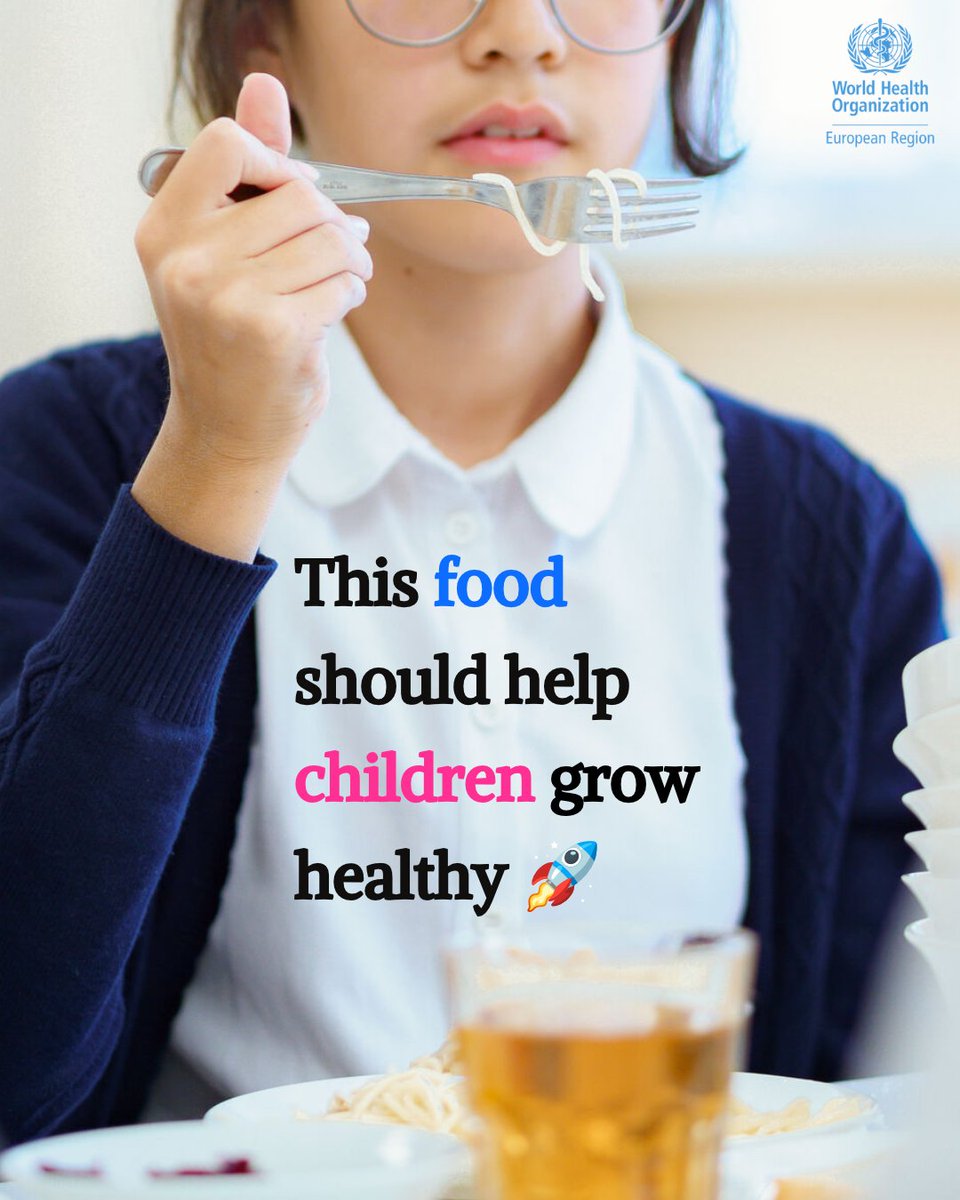
Sometimes, the way food is offered and chosen can make a difference.
WHO/Europe brings together experts, researchers and decision-makers to discuss this:
https://t.co/onV2VLH8Tl
#nutrition#diet
Healthy eating at school should not depend on individual choices alone.
The WHO/Europe online meeting on school #nutrition will explore evidence-based policies that can make healthier diets a reality for more children 👇
https://t.co/onV2VLH8Tl
Better school nutrition protects children from major #NCDs such as cardiovascular diseases and #obesity and forms a basis of healthier habits in the future.
Well-designed policies can reduce inequalities making healthier meals available to more children:
https://t.co/fqFaCLRsoP
WHO/Europe will bring together researchers and decision-makers from across the Region to explore how countries can create healthier school food environments👇
https://t.co/onV2VLH8Tl
School food environments can encourage children to eat healthier foods and reduce their consumption of less healthy options.
WHO/Europe is bringing together experts and policy makers to discuss how to develop effective school #nutrition policies.
https://t.co/fqFaCLRsoP
Heatwaves are no longer anomalies in the WHO European Region.
And when extreme heat paralyses a city or overwhelms health services, countries need a blueprint – on preparedness, warning and response.
That blueprint is WHO’s heat-health action plans. https://t.co/BxIPzhIUIH
Rising temperatures due to climate change – from Kazakhstan to Sweden – can lead to preterm births, low birthweight and stillbirths.
If that doesn't raise an alarm, what does?
#COP31@WitsUniversity#GhentUniversity@WMO
The latest research estimates that there were more than 50,000 heat-related deaths in European cities in the summer of 2026.
As we witness the growing impact of climate change on public health, we need to ask ourselves if our health systems are ready. #COP31#LancetCountdown
Does our perception of heatwaves need rebooting? Are the images on our screen downplaying the threat?
Perception and information matter if we are to understand, prepare for and minimize the impact of extreme heat on human health. #COP31@Forum4theFuture@LancetCountdown@WMO
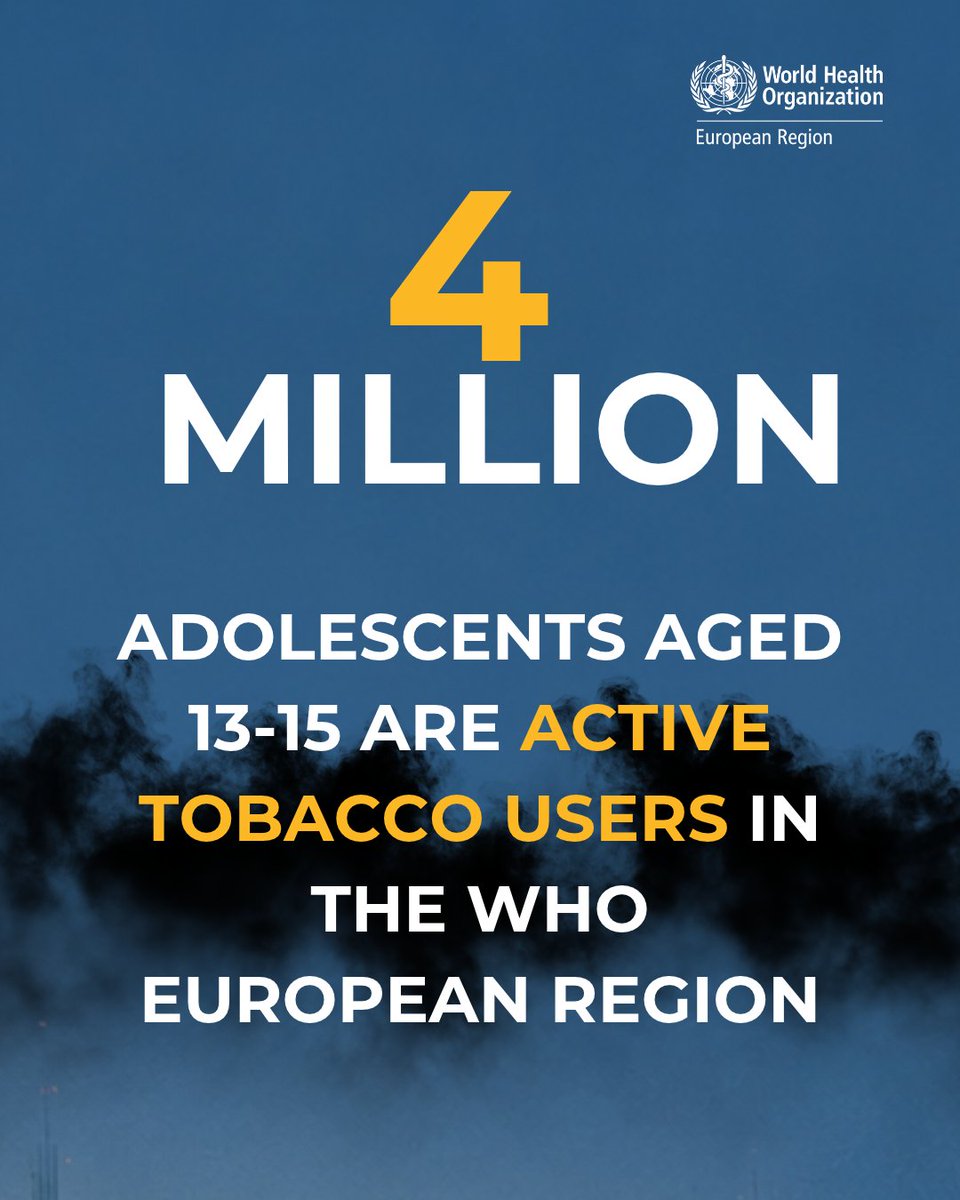
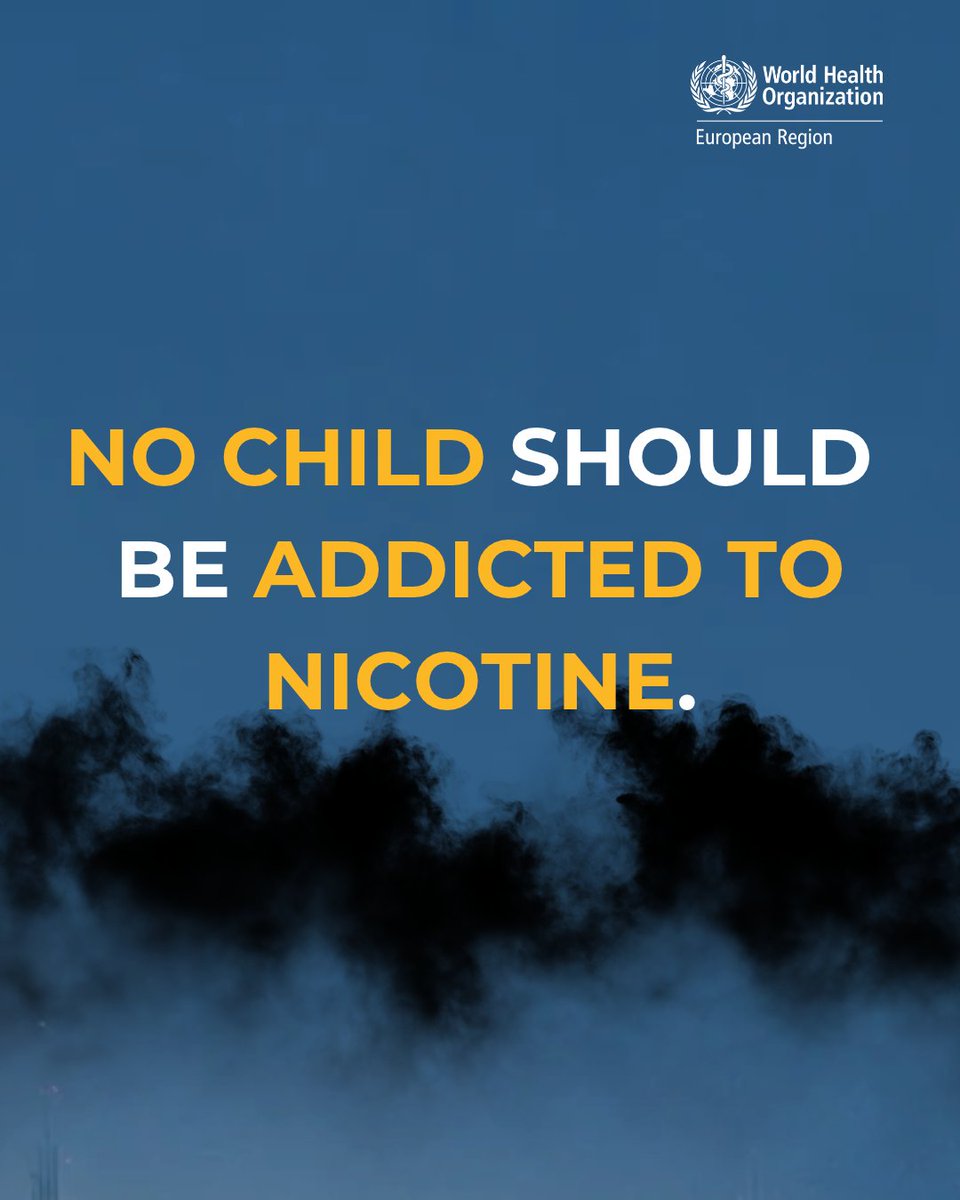
1 in 10 adolescent is a current #tobacco user in the WHO European Region.
🆕 WHO/Europe tobacco trends report shows that we are lagging behind.
Strong implementation of WHO #FCTC and #MPOWER policies can bring change to the whole Region 👇
https://t.co/VkOVUOex5K
Social media & AI are affecting young people’s mental health.
WHO wants your perspective. Join our online forum to explore how digital spaces can be safer for children and young adults. You don't need to be an expert.
Learn more & apply: https://t.co/DNT615Uab9
‘When first-line antibiotics fail, patients move closer to having no good options at all.’ @WHO warns that resistance to critical antibiotics is rising across Europe, threatening efforts to treat serious hospital infections.
https://t.co/bCdGFU2s9s
⌛ Behind every tobacco statistic is a future at risk. WHO/Europe’s #tobacco trends report shows that among adolescents, 14.3% use e-cigarettes – the highest rate in the world!
For Europe’s future, it is one of the greatest risks.
Learn more: https://t.co/VkOVUOex5K