@USATODAY Let us know how shorter winters are impacting you. And if you're wondering how your county is changing due to climate change, you can see that in our interactive map: https://t.co/InBo0KO2Hk
@USATODAY Even if you’re not a fan of the cold season, this can disrupt so many things: water reserves, mosquito and tick spread, maple trees, and the culture and livelihoods from winter sports.
Arizona lawmakers proposed a bill that would become the most restrictive law limiting wind power development in the US.
@beecycles and I mapped this and found that if the bill passes, 90% of Arizona's land would be off-limits to wind projects.
https://t.co/yGlSn0xB43
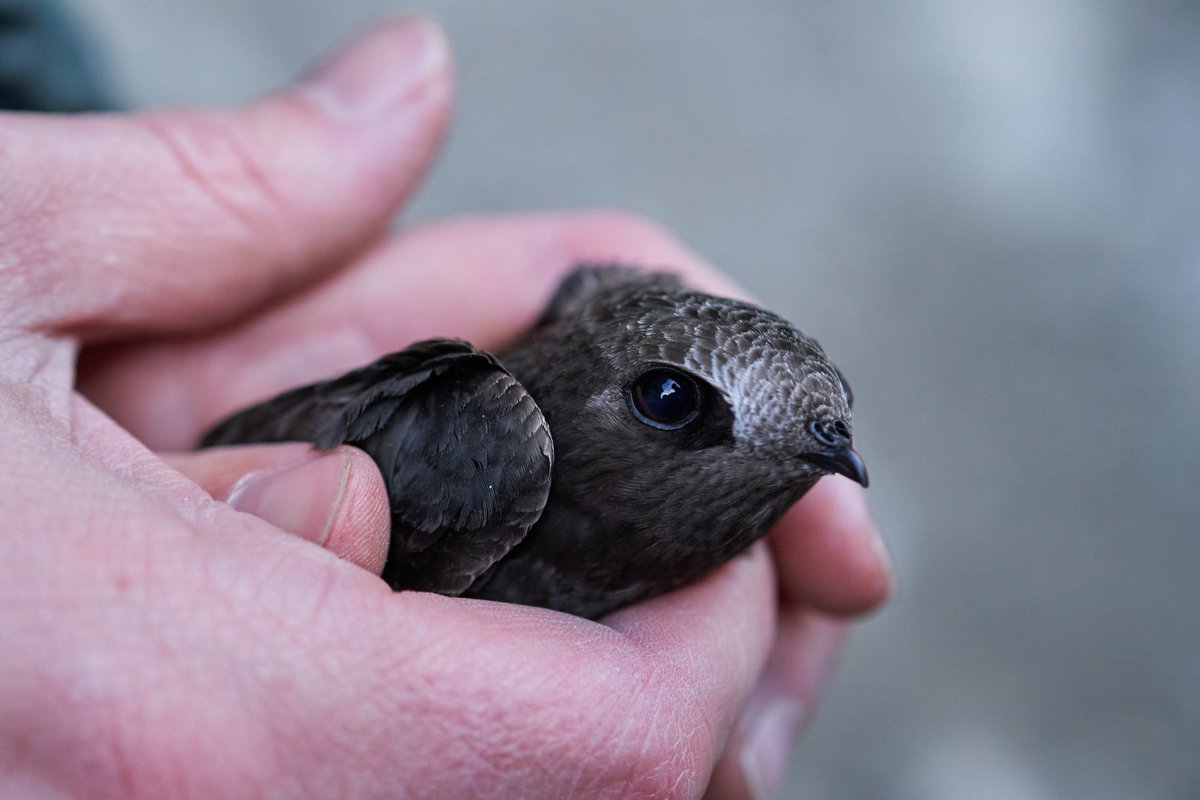
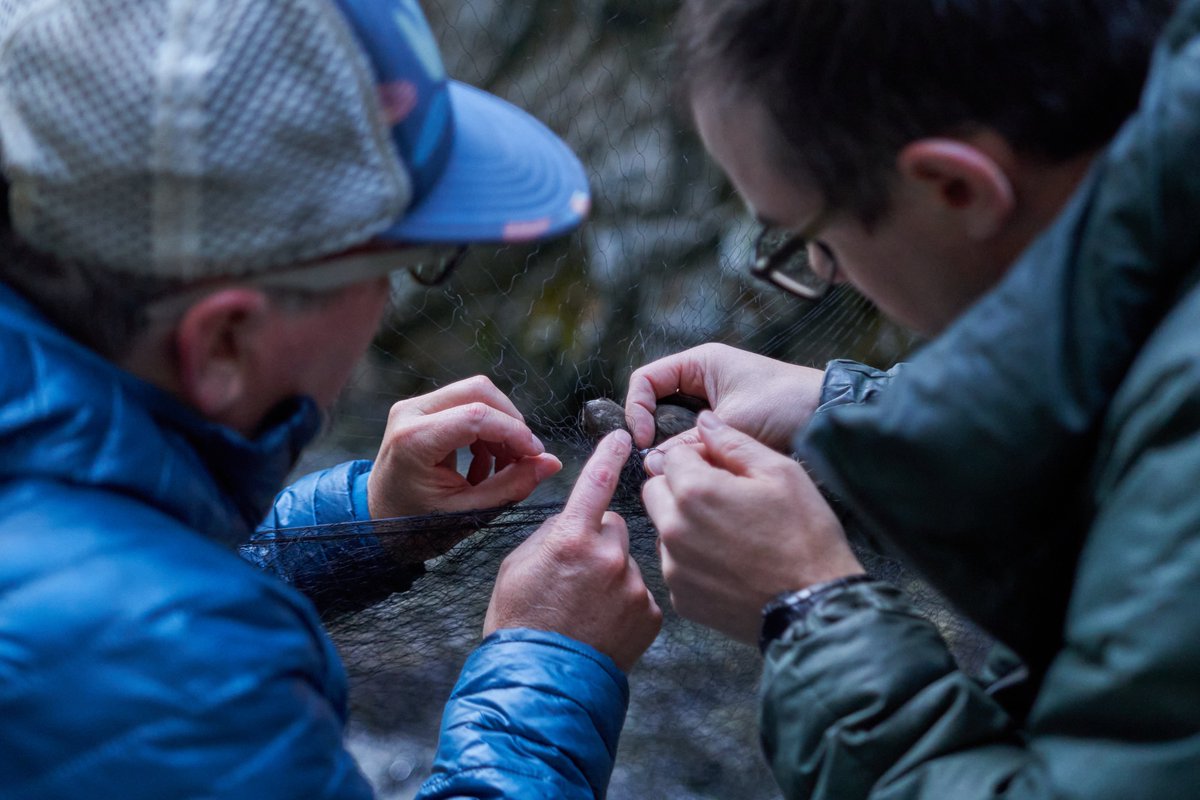
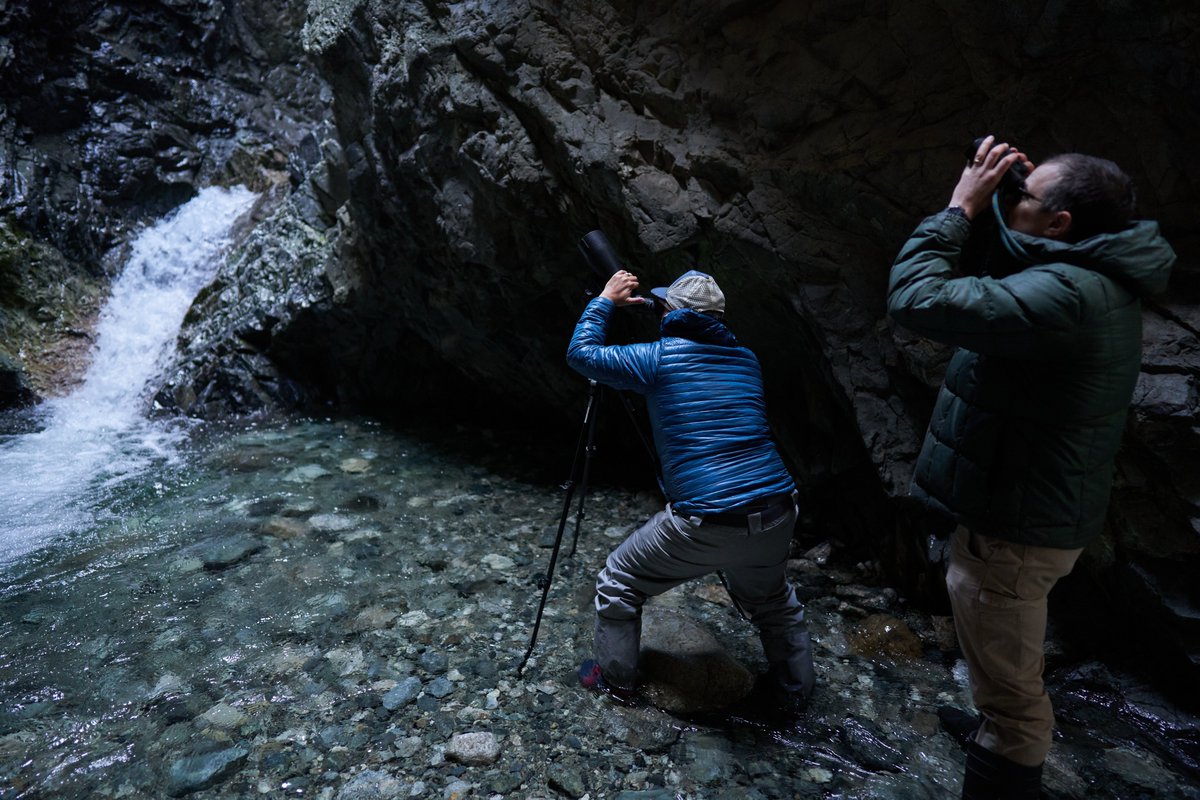
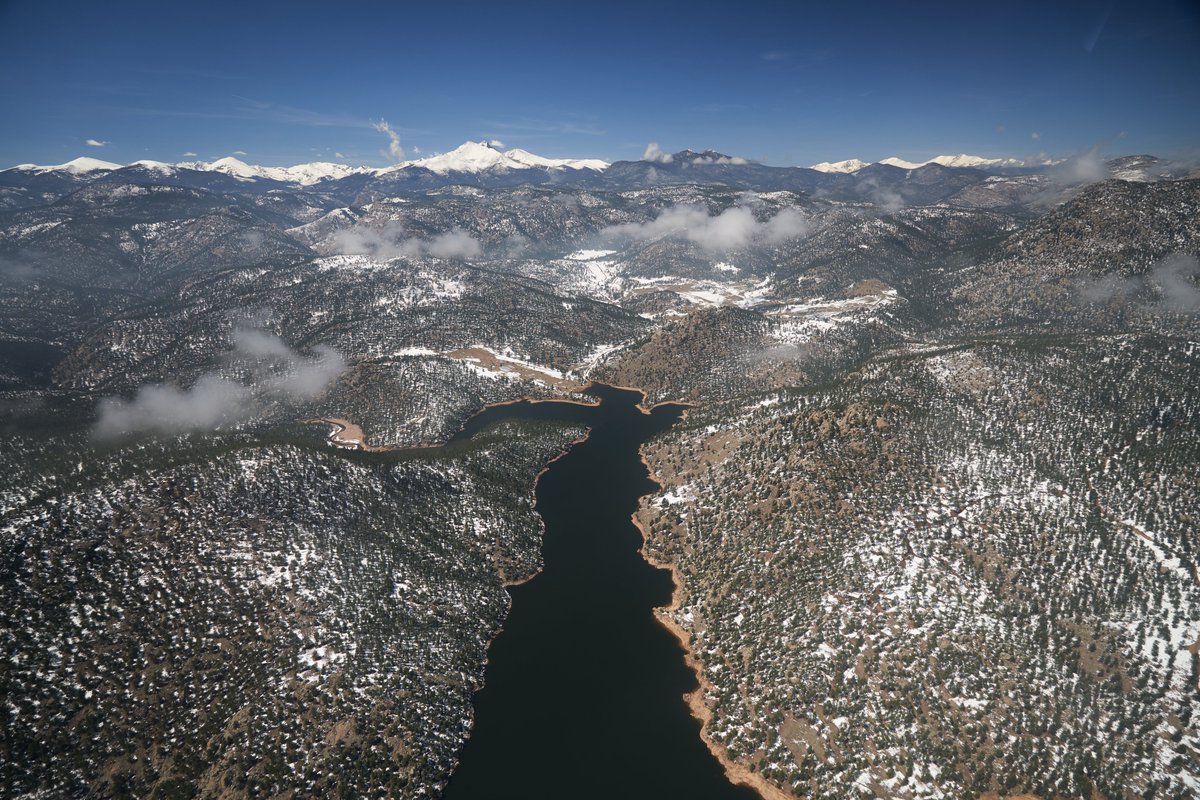
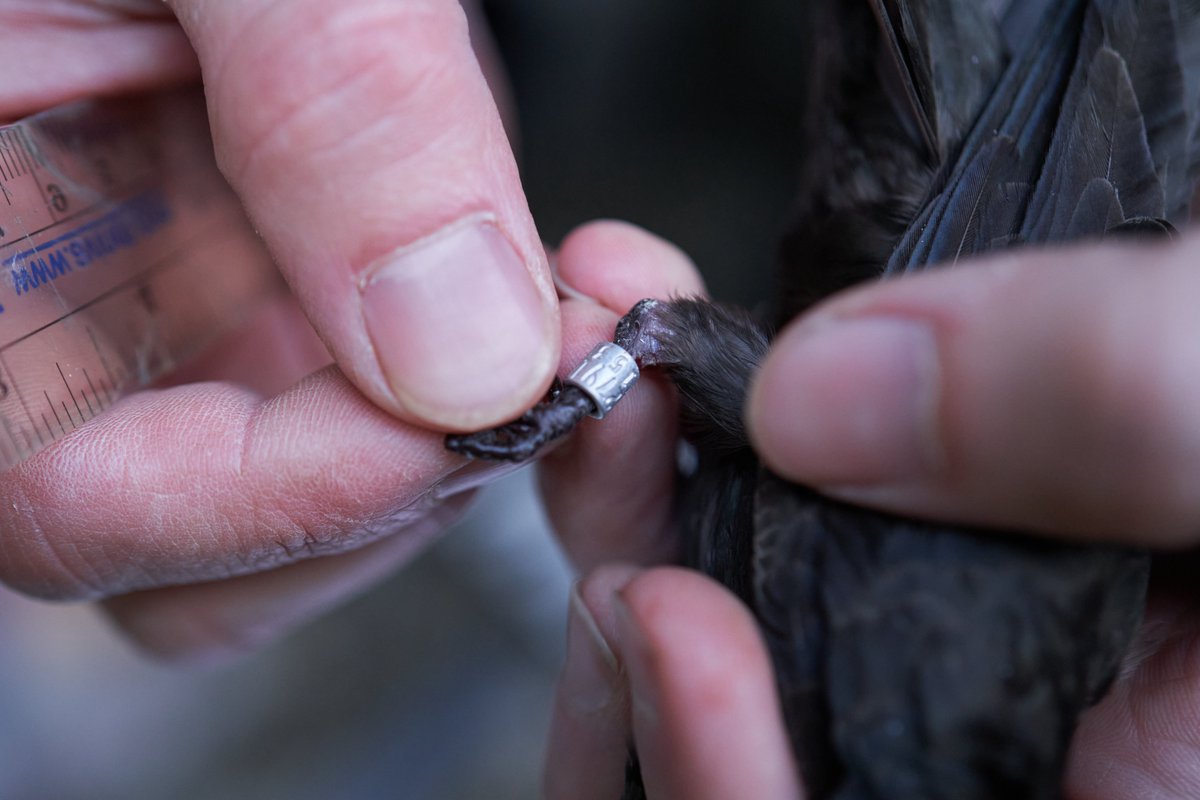
This one's special to me. I followed scientists studying a bird that nests in Colorado and then migrates to the Amazon rainforest. Black swifts do this annual trip flying for 6-8 months nonstop, visiting my home country and coming back to my current home.
https://t.co/7tbA1njVkf
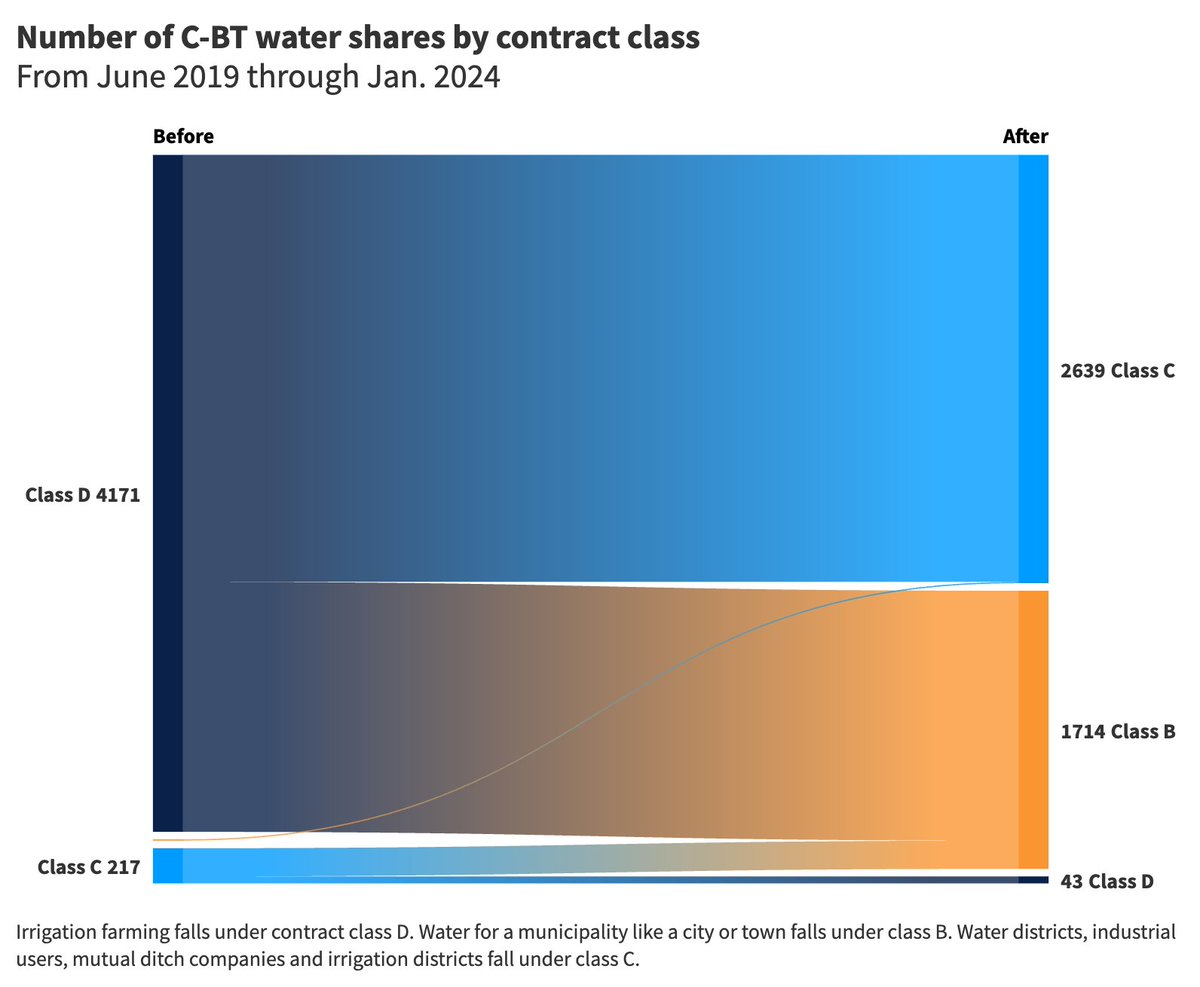
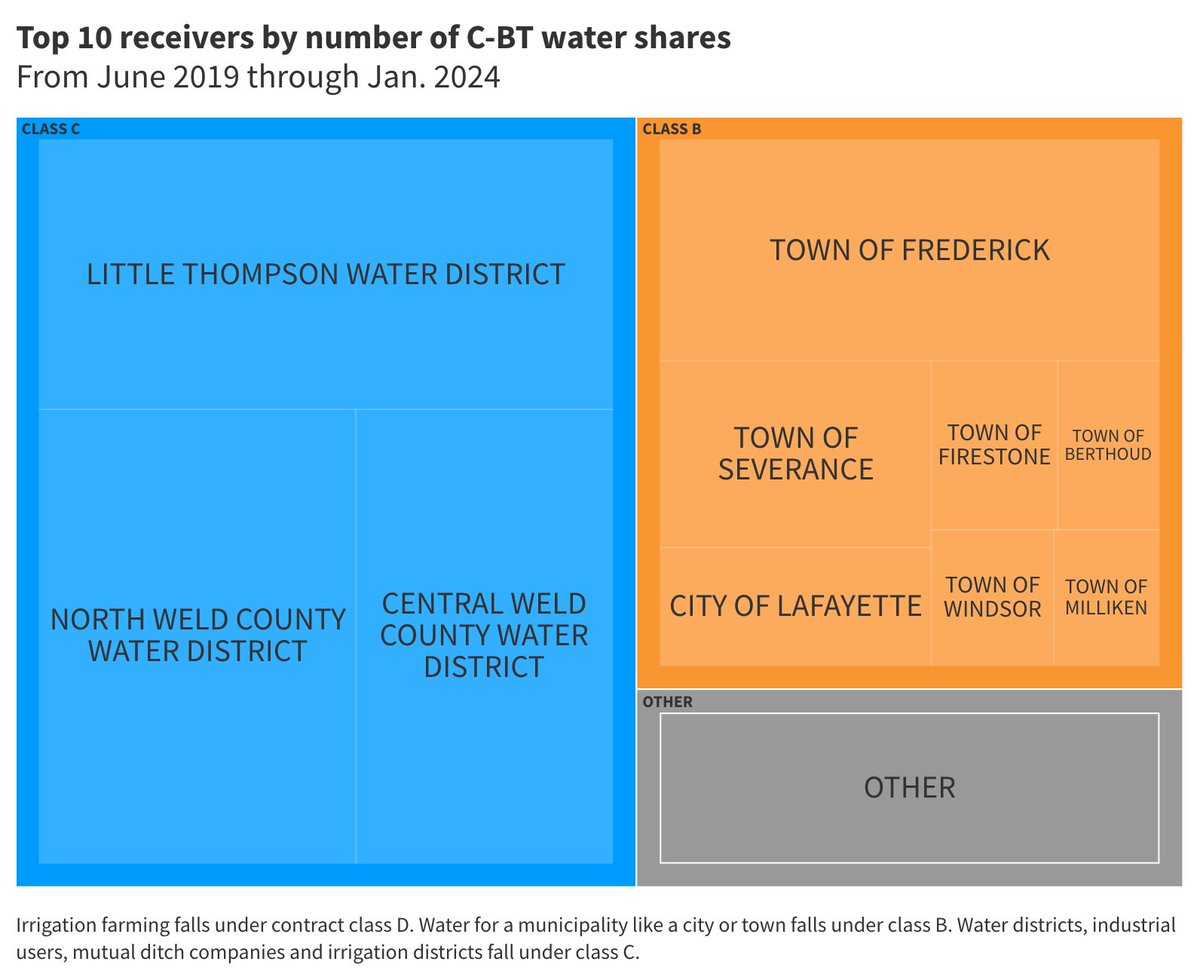
We compiled reports on hundreds of water transfers from recent years to create our dataset. Here's my analysis for @coloradoan showing how water ownership in northeast CO is going from farms to municipalities and water districts: https://t.co/jDYW9Uk67Z
About two years ago, I got my first byline on the front page of @USATODAY for a water quality story. Never thought this would happen, but now, I got my first byline... for a peer-reviewed scientific article on the same topic! https://t.co/xlgRoC63Db via @IOPenvironment
After watching David Attenborough's documentaries a million times, I made my own animated short using the text-to-image AI model Stable Diffusion. Happy Earth Day 🌎
Here’s last night’s story about working conditions on farms. And, just for the record, John Oliver and Jamie Oliver are two different people. We’re talking about food this week, so just wanted to make it clear. https://t.co/ZODSrTOnbk
Pleased to see our story on #fertilizer runoff and the poisoning of #waterways by @_icalderon on the front page of @USATODAY! If you miss it there you can read it on our website as well.
Does weather seem more extreme these days? That’s because it is. A team of USA TODAY reporters analyzed 126 years of federal climate data looking for patterns and reasons why this is happening. https://t.co/hxIzzPbLZG
Since 2002, at least 65 #farmworkers have died from heat-related illnesses, according to our analysis of #OSHA data.
The median fine? $4,000.
More from @_icalderon https://t.co/VzDQI8iphl