"In total, there are twelve different qualifying achievements, all of which require a minimum of two years of participation. But no matter how many you do, you receive the exact same sentence reduction as someone who only does one: six months." https://t.co/S7lwbYYbq0
"Even if the system is unwilling to make meaningful investments in rehabilitation, incentivizing the work many of us are doing to change ourselves would help." Incarcerated author Dyego Foddrell on systemic disinvestment in NY prisons. https://t.co/S7lwbYYbq0
"As anti-LGBTQ+ narratives based on populist fear and emotion sweep the United States—drawing comparisons in the media to the Satanic Panic and fueling legislation targeting queer people—false stereotypes once again risk resulting in real criminalization." https://t.co/UQbk5Uh4Nx
"The Satanic Panic did not emerge in a vacuum. It coincided with a rise in conservative political & social influence & a broader backlash against feminism and LGBTQ+ rights." On the little-told history of queer criminalization in the Satanic Panic. #pride https://t.co/UQbk5Uh4Nx
This week Inquest explored how the First Amendment is legally defunct inside of prisons, and the use of solitary confinement in U.S. schools against students with disabilities. Get the full recap: https://t.co/g2BK52gP7y
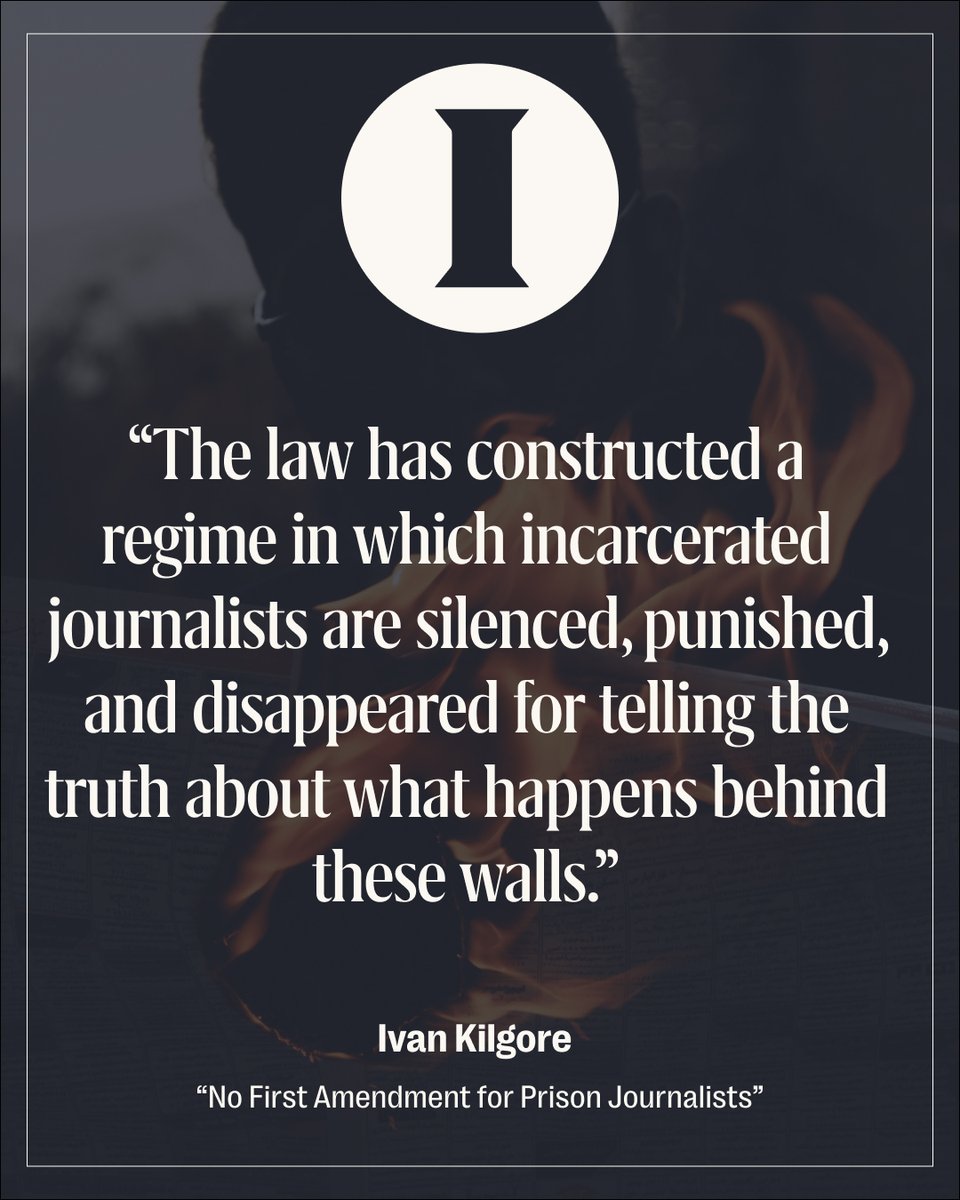
"The silencing of incarcerated writers is not an accident—it is the logical outcome of overlapping systems that all too often treat [prison] transparency as a threat and incarcerated people as lesser, undeserving of fundamental rights." —Ivan Kilgore https://t.co/XvlrhdBxyX
"Not only does the law restrict the free expression of incarcerated journalists. It also ensures that any attempt to seek redress for unlawful retaliation is delayed and obstructed." —Ivan Kilgore for our Defending Prison Journalism series https://t.co/XvlrhdBxyX
"Parent after parent reported that their child was confined for hours. Some children were placed in seclusion rooms from 8:30 a.m. to 3:00 p.m. for consecutive days because of a single behavioral outburst." https://t.co/Myr5d2ZAGl
"Visualize being a child who is locked inside a small room—usually the size of your bathroom. You push the door with all your strength and kick it repeatedly. The door will not open." Charles Bell @NYUpress on solitary confinement in U.S. public schools https://t.co/Myr5d2ZAGl
This week, Inquest explored the power of Buddhist meditation in prisons, and debunked the myth that local law enforcement will somehow serve as a check against ICE. Get the full recap: https://t.co/87606Y5tnU
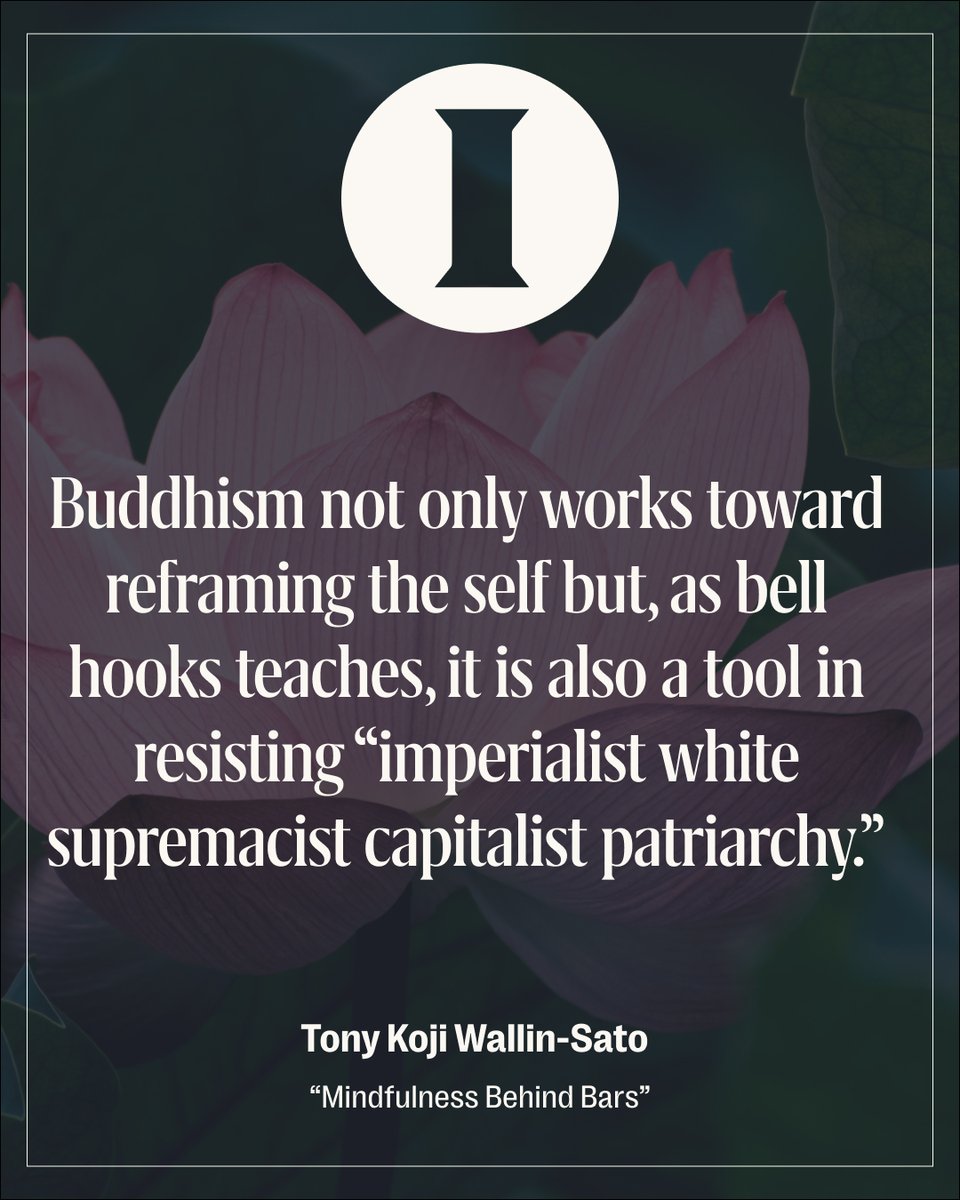
"While we work to dismantle the U.S. prison regime, we need to continue cultivating transformative healing practices and radical self-care for all those impacted by incarceration." Tony Wallin-Sato on the abolitionist potential of Zen meditation in prisons https://t.co/ZtWEbl5Yuu
"Through widespread cooperation with ICE, jails became the primary source where ICE found people to deport." Tl;dr: police are never going to help stop ICE. A collab with @NYUpress https://t.co/xKX6ZpgnTe
This week Inquest explored how biometric technologies run roughshod over constitutional rights, and argued for the political vitality of writing by incarcerated people. Get the full recap: https://t.co/nMY7WwEZNg
"Each encounter with the state’s gaze—each demand for 'papers, please,' for proof of belonging or innocence—disembodies and reconstitutes individuals as racial Others upon which Fourth Amendment protections attach arbitrarily." Susan Aboeid on biometrics https://t.co/3bigf6TiaC
"Biometric technologies, presented as neutral tools for verification, do the work of producing 'truths' about bodies, often overriding people’s own assertions of self." https://t.co/3bigf6TiaC
"Prison writing has often been the spark that lights the flame of political awareness among the incarcerated population and their allies." @waazn1 https://t.co/iePtWexd4C
"The writings of incarcerated and formerly incarcerated people over the years have pried that black box [of prison] open at times." Celebrated organizer @waazn1 on the political power of incarcerated people's journalism and writing. https://t.co/iePtWexd4C
This week Inquest covered the blame game against West Coast cities for the opioid crisis, and shared a deeply personal essay about the effects of long-term solitary confinement. Get the full recap: https://t.co/mrAlJckxzU
"Just as policing & incarceration don’t work to reduce drug use & the harms associated with it, using the threat of incarceration to force people into treatment is ineffective." Katherine Beckett details the science-backed strategies we know actually work: https://t.co/8uIg8Wkm6N