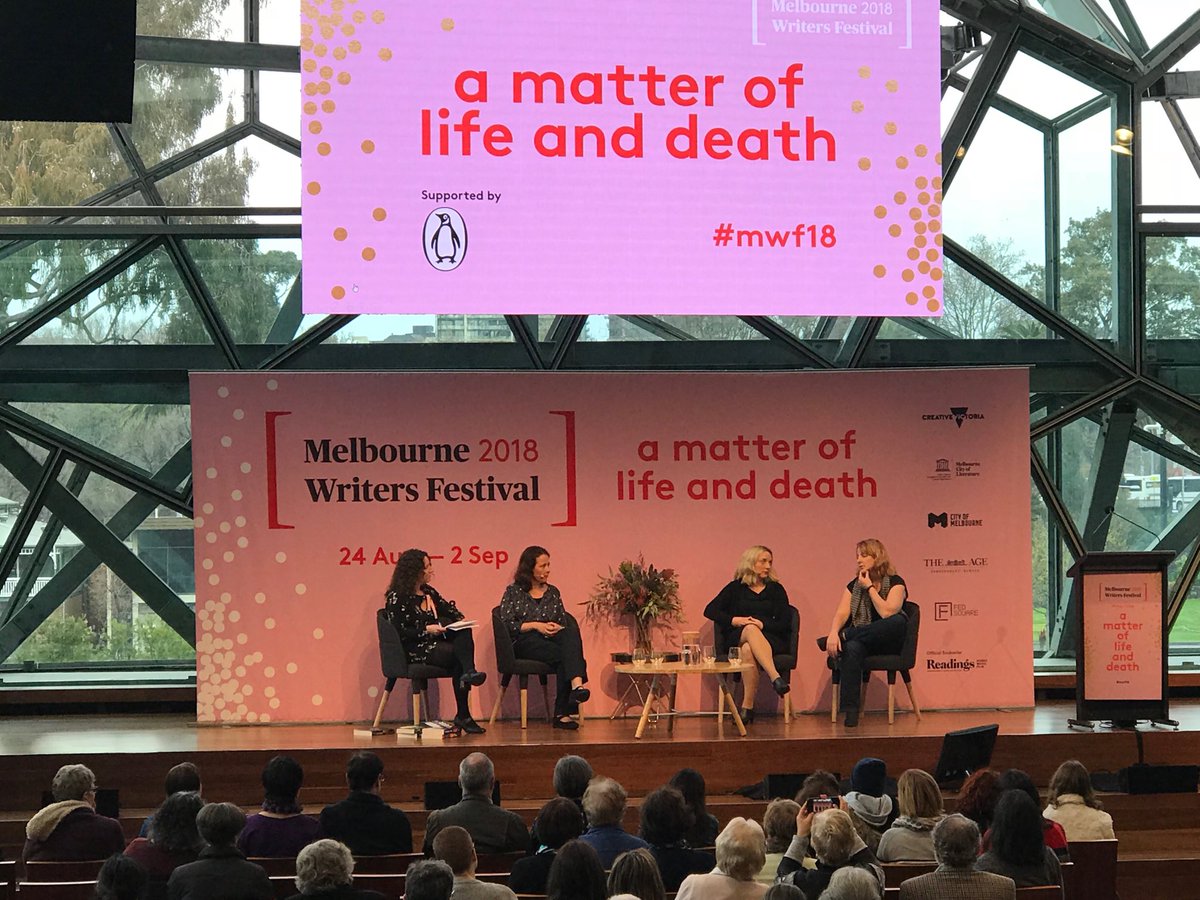
We're so proud of our writing group buddy @melissajferg! She's done a fantastic job on #TheShiningWall. It's a gripping and thought-provoking read. (And we missed you, @tbyrne74 and @CJBreach!)
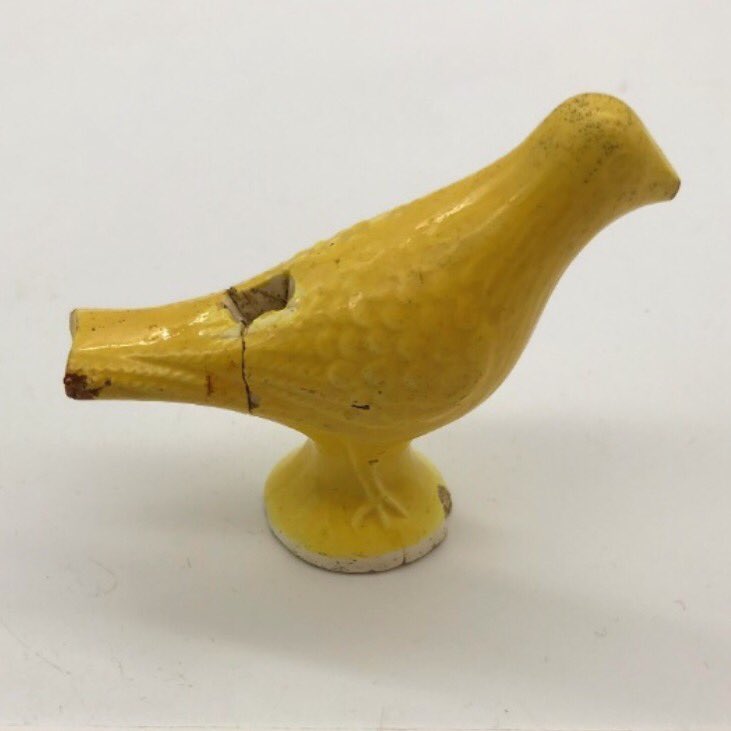
Archaeologists have discovered a Staffordshire yellow glazed bird whistle, at the site of 9-11 Swanston Street. Made from earthenware, this child’s toy was likely produced in Staffordshire, England, and is estimated to date between the 1840s and 1860s. 🐦
Rain, hail or shine, our archaeologists have soldiered on to find a toy soldier dating back the 1850s🎖! It is believed to be German-made and depicts a British army drummer around the time of the Battle of Waterloo (1815) 🥁.
Another great find from our Swanston Street site! This pen nib was created by Levi Brown, who is credited for making the first gold nibs as an alternative to the goose quills (which required constant resharpening.)
At least twenty dice made of cattle bone and ivory have been recovered from our 13 Swanston Street archaeological site. The dice are from bars that occupied the site through the latter half of the 19th century.
Fashion in Melbourne has always been marvellous. This ornate piece was part of a pair of earrings from the 1860-90s. It was found on the site of the Freemasons Hotel (which later became the Gippsland Hotel), near Young and Jacksons.
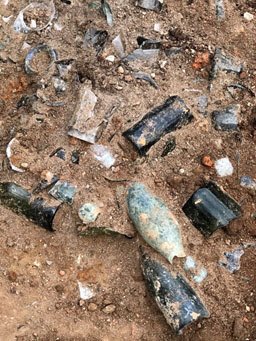
Our archaeologists recently found corks, corkscrews, glass tumblers, wine glasses, swizzle sticks as well as alcohol, water and medicine bottles from 1870s to the early 20th century on the Metro Tunnel site next to Young and Jacksons on Swanston Street.
Historical records show that by 1858 the site was occupied by the Freemasons Hotel, then the Gippsland Hotel. It is likely that these artefacts were left behind during this time.
For more information on this find and the dig, see our website https://t.co/vZMGzopKHH
So very grateful to have been awarded one of these travel grants to research my historic novel, The Reverend. Congratulations to all! https://t.co/2q2dBcIovG