🐟‼️New paper‼️🐟
Check out our research paper: “Imaging sonar reveals diel fish movement throughout a developed Australian estuary”
@sawsharkman@TroyGaston_@chefbennett
🔗 https://t.co/88zQVvmZ8r
‼️ New Paper ‼️
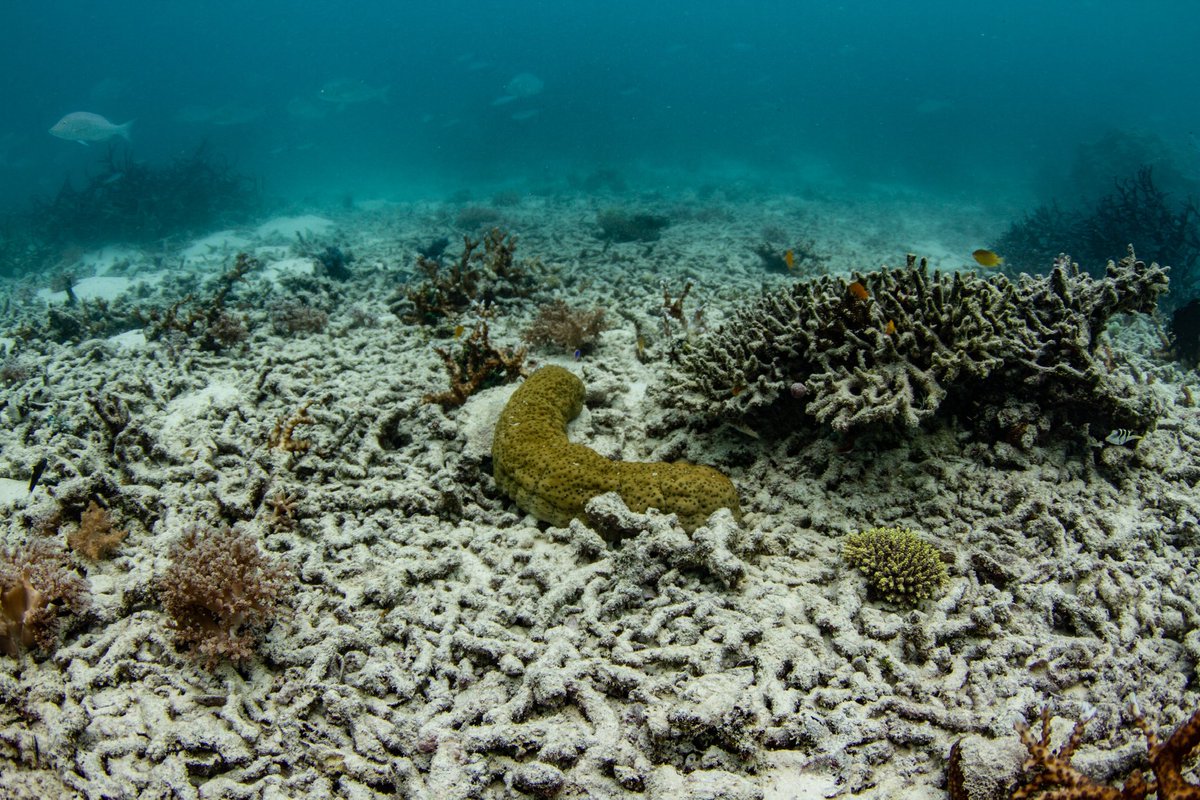
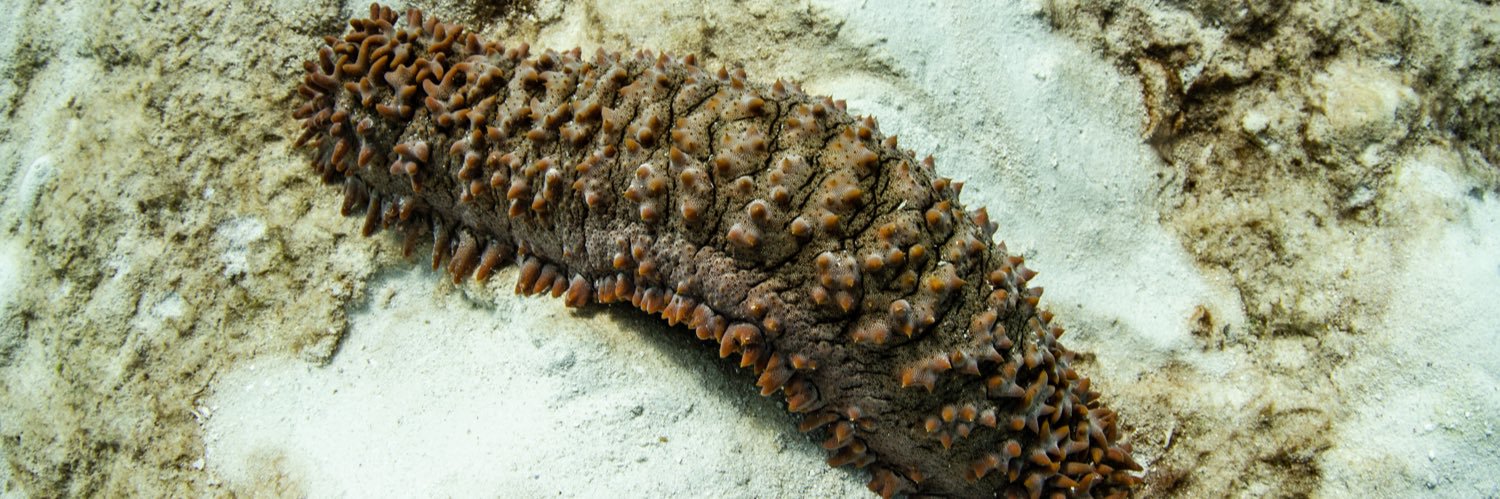
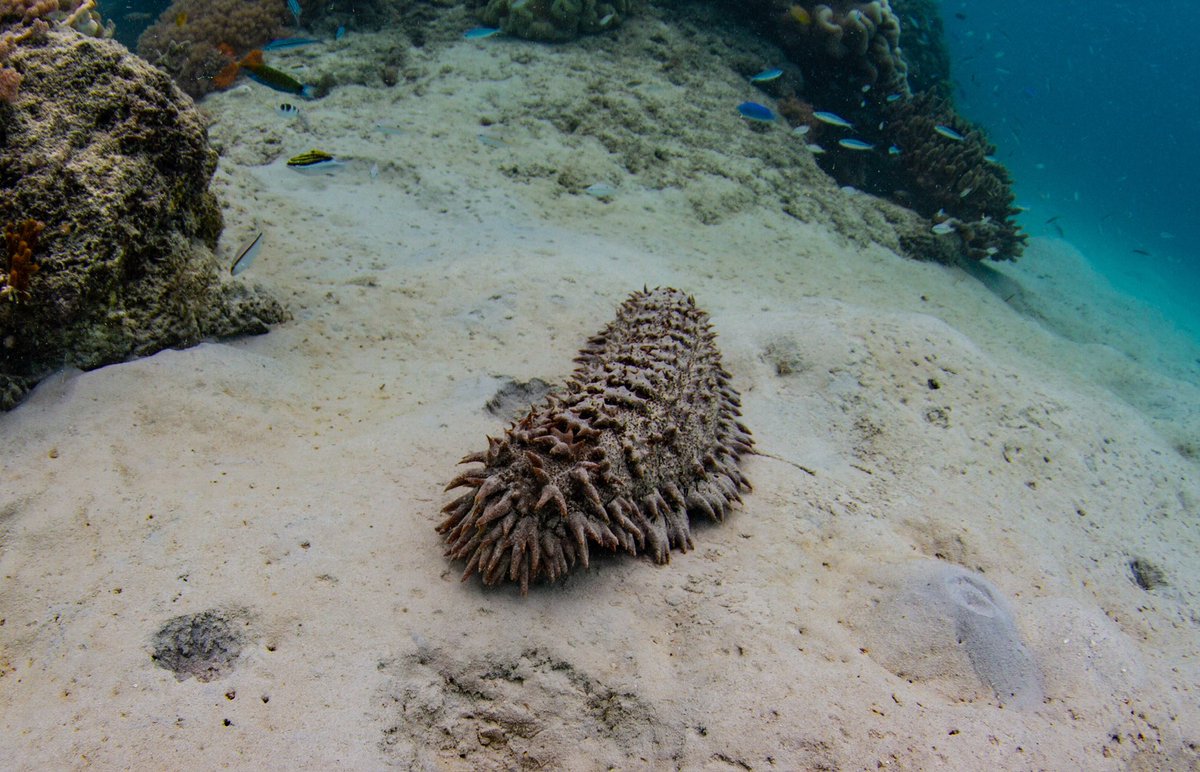
This collaborative paper presents length-weight data for 6 species of sea cucumber harvested in the QLD Sea Cucumber Fishery. These data were collected on the GBR, from 2,421 individuals, across 9 degrees of latitude, from 89 reefs 🥒🪸
https://t.co/lKgAcbvLu0
Sharing an advertised Level B lecturer position available in Environmental Science and Management at the University of Newcastle. Job ad and link here -->
https://t.co/V5srxioGPg
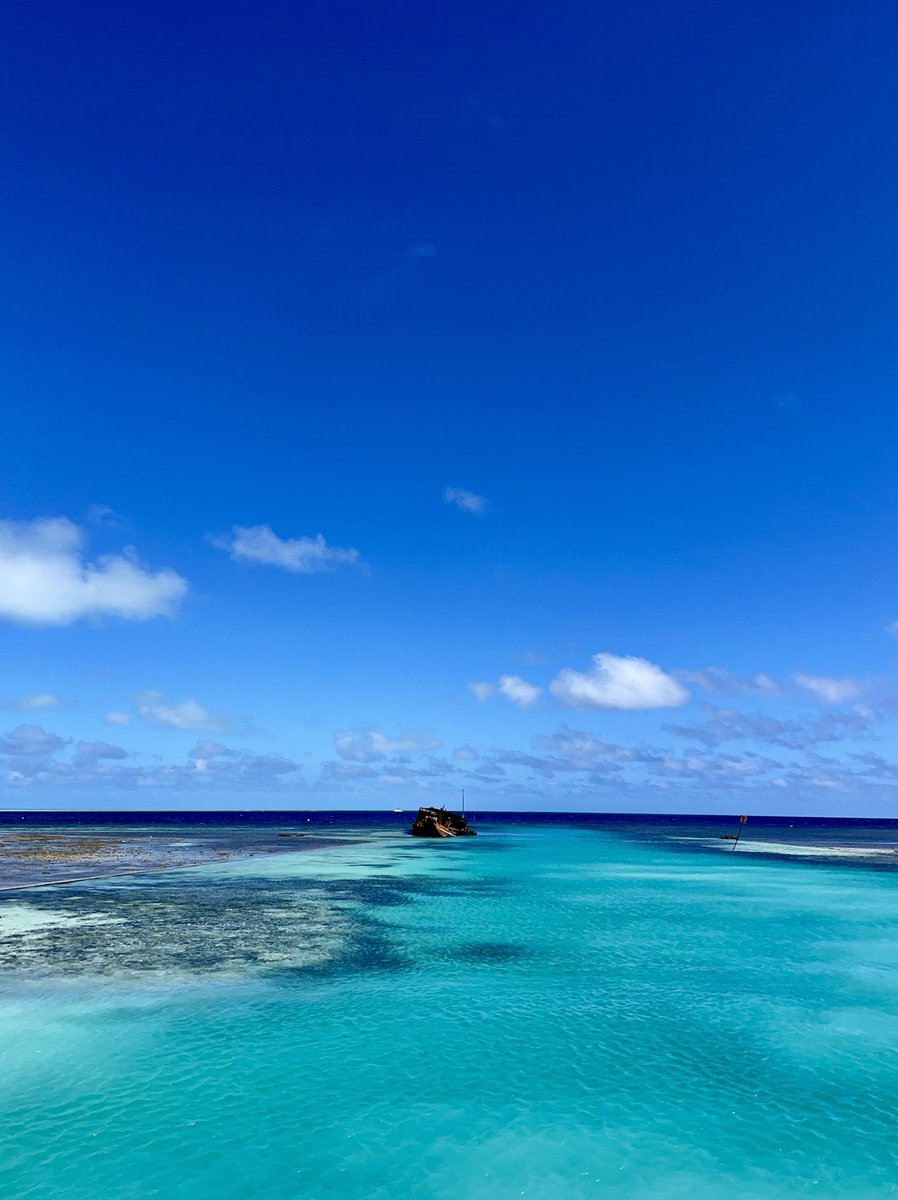
What's in this picture? A coral graveyard. Drones have revealed the latest bleaching event led to > 95% bleaching mortality at Lizard Island on the GBR. Heartbreaking to see hectare after hectare of this @MEG_MQ@jcu@Uni_Newcastle
See yourself here: https://t.co/DNzsggvGxx
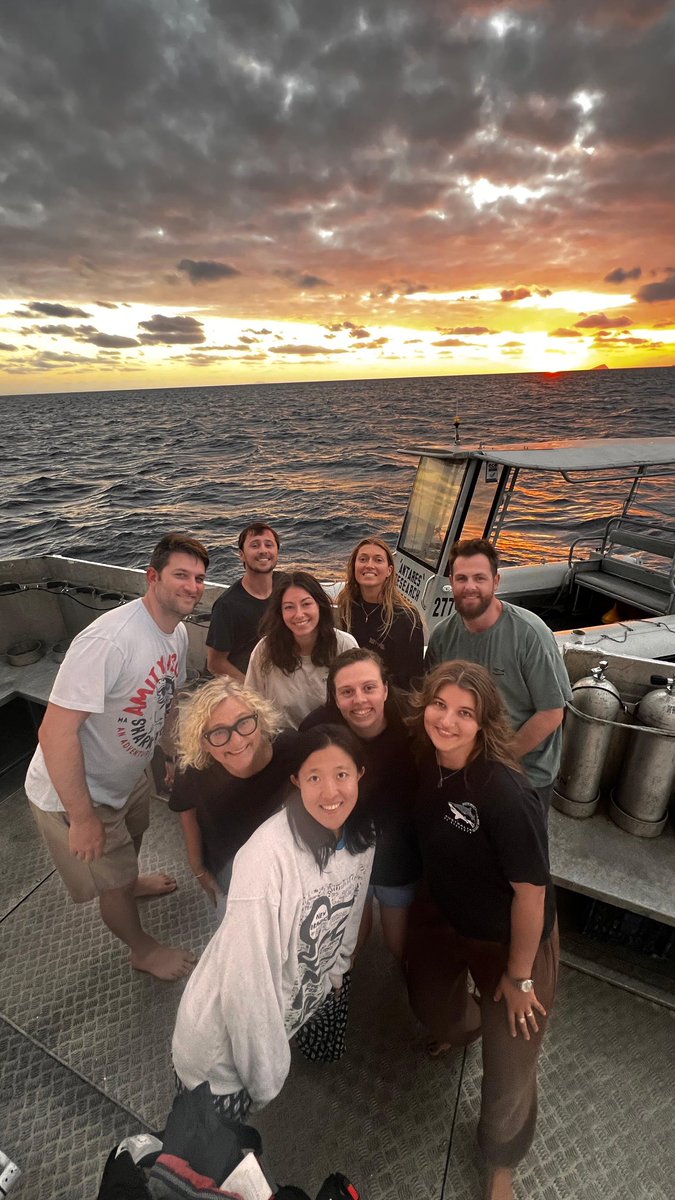
And that’s a wrap! After 37 km of ROV surveys, 24 km of BlueBoat surveys, and 189 DNA tissue samples, this trip is over. Thanks to a great team! @MEG_MQ @mqnatsci @MQSciEng @sawsharkman @_krisfish @joan_lyq @Patrick__Burke
What a fantastic night! Thanks for having me & giving me a microphone for 30 minutes @pintofscienceAU 🤩
Thanks to the Newcastle locals for showing up and caring about science! It was great to see some familiar faces in the crowd.
I’ll be speaking @pintofscienceAU about all things imaging sonars! Joint us next Tuesday, at The Happy Wombat, from 7pm, tickets are only $8!! Hope to see you there 🥳
I’ll be speaking @pintofscienceAU about all things imaging sonars! Joint us next Tuesday, at The Happy Wombat, from 7pm, tickets are only $8!! Hope to see you there 🥳
2024 Great Barrier Reef bleaching summary now available: https://t.co/dozHwAGO8i
- Fifth mass bleaching event on the Great Barrier Reef since 2016
-Very high (60-90% cover bleached) and extreme (>90%) prevalence of coral bleaching in all three regions of the Great Barrier Reef
Mass coral bleaching unfolding at Lizard Island, northern Great Barrier Reef (March 2024). These events have become “normalised” to the point where it’s easy to forget that 20 yrs ago this would have been an unprecedented and isolated event.