Assistant Professor of Epidemiology @BUSPH disaster resilience / wellbeing / social determinants of health / heath equity / machine learning / causal inference
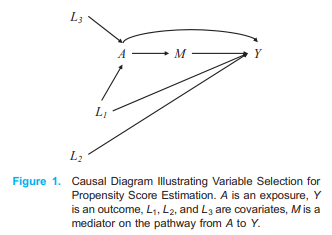
So grateful that our paper on propensity score methods was the most accessed in @J_Epidemi! We discussed nuanced differences between the alternative PS approaches and how they differ from multivariable outcome regression. Thanks to my friend and co-author @palace127.
#J_Epidemi Most Accessed:
Using Propensity Scores for Causal Inference: Pitfalls and Tips
Koichiro Shiba & Takuya Kawahara
https://t.co/oJpTnEZCBK
@J_Epidemi
Excited to announce our new paper in @AmJEpi ! With @ki_endoepi, we discussed how causal forests (and other ML methods for estimating heterogeneous treatment effects) can advance research in population health and health equity, along with practical tips for its implementation.
Applications are now open for our Summer 2024 Internship Program! Spend ten weeks this summer working alongside Center affiliate scientists to investigate positive health, happiness, and well-being. Learn more and apply here: https://t.co/pPwt82C5uU
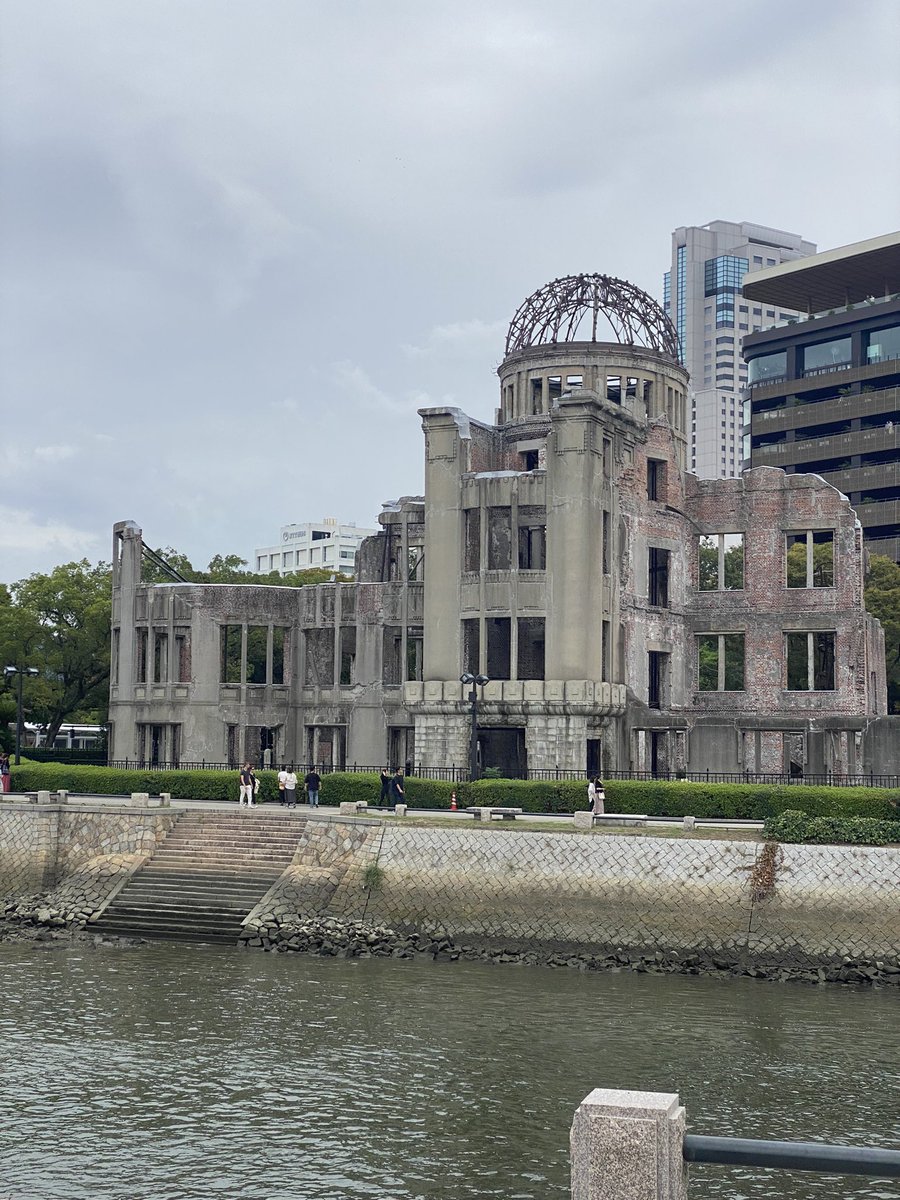
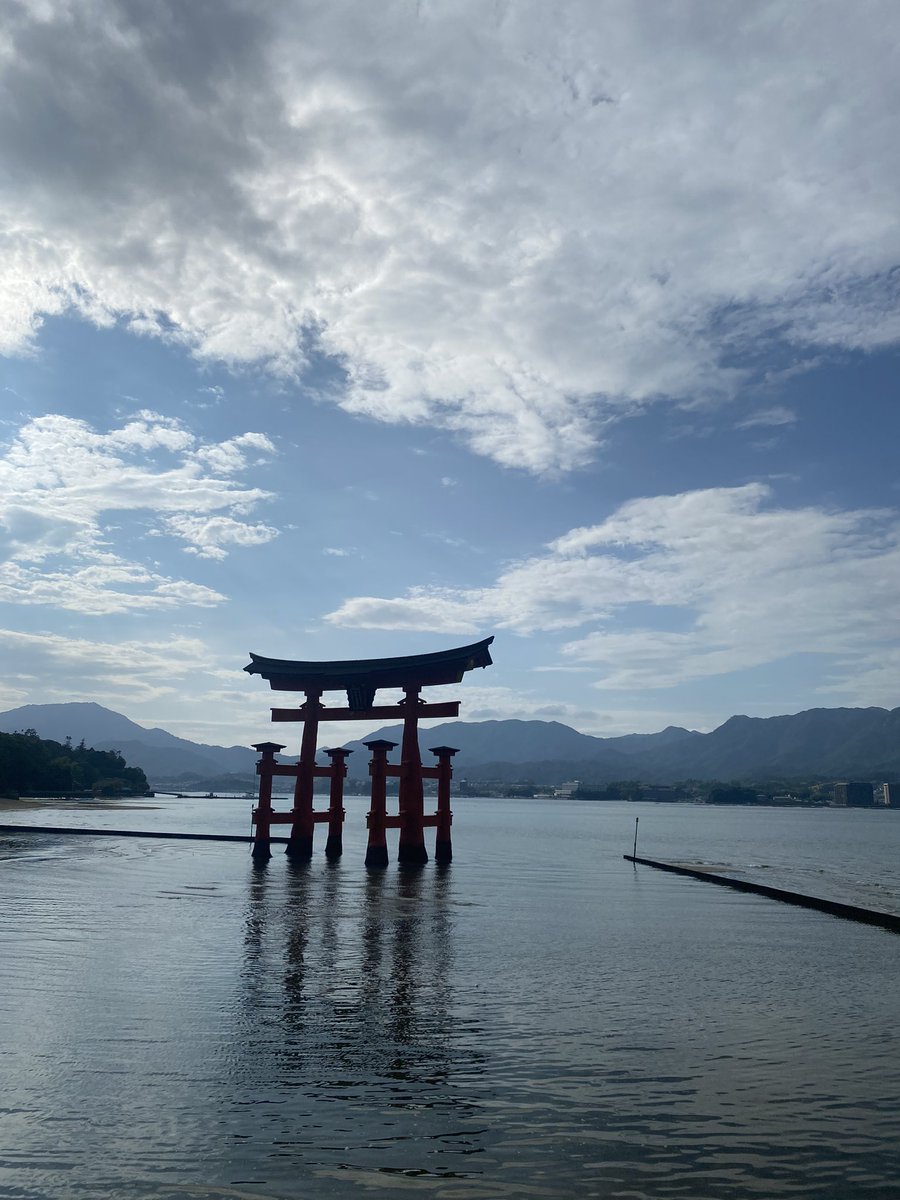
Trip to Japan with global leaders in well-being research and policymaking. Key themes were: understanding well-being from an Eastern perspective through Zen meditation (Kyoto) and peace and harmony b/w humans & nature as the foundation for sustainable development (Hiroshima).
New study led by a stellar master's student, Toshi Komura, at @BUSPH! We examined differential effects of high life satisfaction on cognitive functioning. Life satisfaction appeared least beneficial among older adults with low SES and health problems.
https://t.co/bOW12COxHK
Our recent study examined whether the association between informal helping and mortality differs by age, gender, race/ethnicity, wealth, income, and education. We found evidence that the heath benefit of helping is stronger among women and the wealthiest.
https://t.co/fK6c3qYJDo
📣ACADEMIC JOB ALERT📣
Department of Epidemiology at Boston University School of Public Health is now hiring for **multiple** faculty positions, open to all ranks. Review of applications begins in September. Learn more and apply below👇#EpiTwitter
https://t.co/or5sBBLwVu
The authors investigated child adversity as a potential modifier for the relationship between disaster and cognitive decline in Japan, using TMLE with SuperLearner
@SakurakoSO, @HarvardChanSPH, @NatalieSlopen, @_KSphs https://t.co/eBOejPaXEw
Our latest paper explores the long-term cognitive impact of disaster-related trauma among older adult survivors. We found that those with a history of childhood adversities are particularly vulnerable when they experienced home loss. https://t.co/iK8tDHbmhA
#lifecourseepi
📣Excited to share our latest paper, selected as Editor's Choice in Sleep (@researchsleep)🏆. The paper demonstrated the bidirectional relationship between sleep quality and post-traumatic stress symptoms among older Japanese disaster survivors. More at https://t.co/vkVutqpfvl
📢 New research published in @socscimed! Our study showed that social isolation, particularly lack of interaction with friends & social participation, may impact a wide range of health & well-being outcomes among older adults.
https://t.co/tmfX8FAXGH
Excited to share our new study examining the impact of loneliness and social isolation on health outcomes in U.S. older adults. Key findings suggest social isolation increases mortality risk while loneliness impacts psychological outcomes. Read more 👉 https://t.co/2DTkVqZmkD