Tonight on CISN:
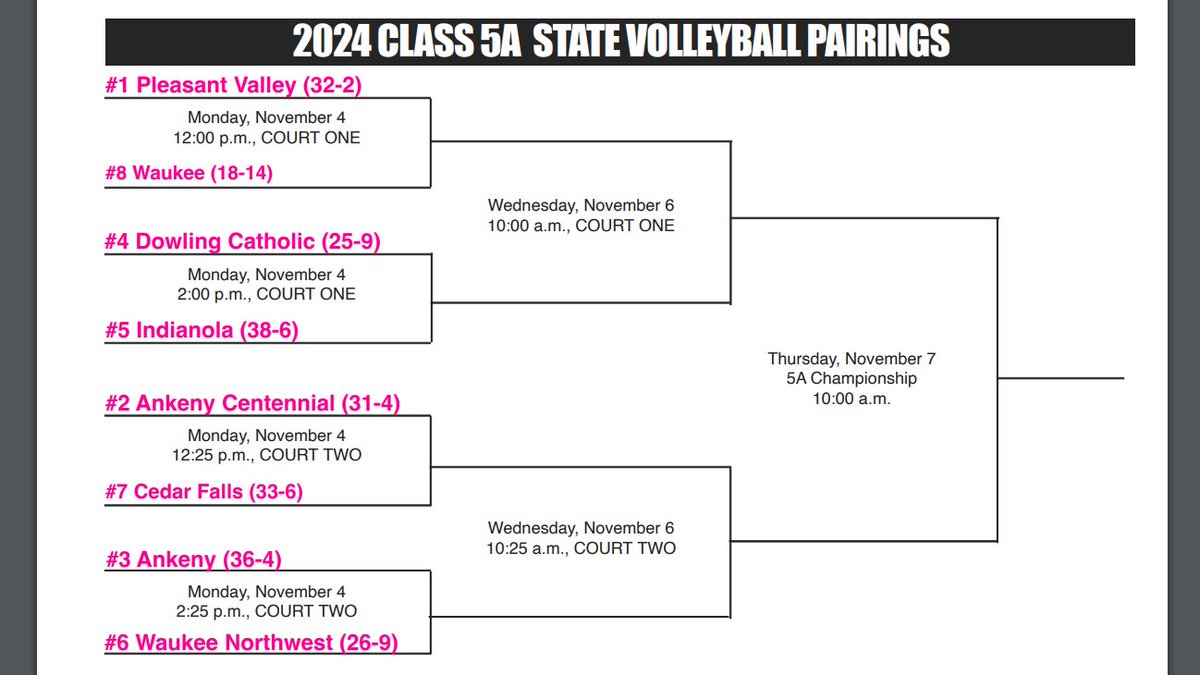
We'll be at Dowling for a massive #iahsvb showdown, as #3 @dchsvball hosts top ranked @GoJagVB.
First serve at 7:30, watch live on our YouTube page!
https://t.co/y4e9eY5W7Q
Coaches: Bring your sons and daughters around the team frequently. Expose them to practices, team activities, bus rides, locker room celebrations and heartbreaks. Your children’s relationship with the student-athletes and exposure to the team culture is valuable to their development.
Additionally, the players in your program get to see you as a parent. You set an example for them on how to prioritize and balance both family and work, something they’ll need to do in the future.
*Bring one child at a time when they are younger.
*Have your spouse bring the kids and stop by for a portion of practice.
*Know what age appropriate activities your kids should be exposed to.
*Balance is key; your practices and offices shouldn’t look, feel, or sound like a daycare center.
*Talk about good parenting with your players and be an example to it.
*Leave practice early when needed to attend your kid’s games/activities and let your assistants run practice. Verbalize to your team why you’re doing it. Show and explain to them what active parenting is and how delegating trust and responsibility to staff is beneficial for all.
*Make it easy for assistant coaches to also be active parents and spouses.
Former NFL head coach Bruce Arians told his staff during their first meeting, “If you miss a ballgame, a recital, anything to do with your children, I'll fire you.” They won a Super Bowl with this team policy.
How come parents never tell their kid’s math teacher how to teach calculus but they think as parents they have the right to tell a coach how much playing time and with whom and when their kid should play.
~ via @TheCoachRandall