Bioclimatic strategies continue to be one of the most impactful ways to reduce peak cooling loads and strengthen envelope performance in hot-humid and hot-dry climates.
🏙️ Designing for Net Zero goes far beyond reducing energy use — it’s about achieving the right balance between what we emit and what we remove, ensuring our built environments don’t add to the planet’s carbon footprint.
Awards are great — impact is better. Our Emerson Cup-winning air-conditioning innovation at Taj Kanha delivers 50% lower HVAC loads — showcases how innovation in building systems can create spaces that are both luxurious and low-impact.
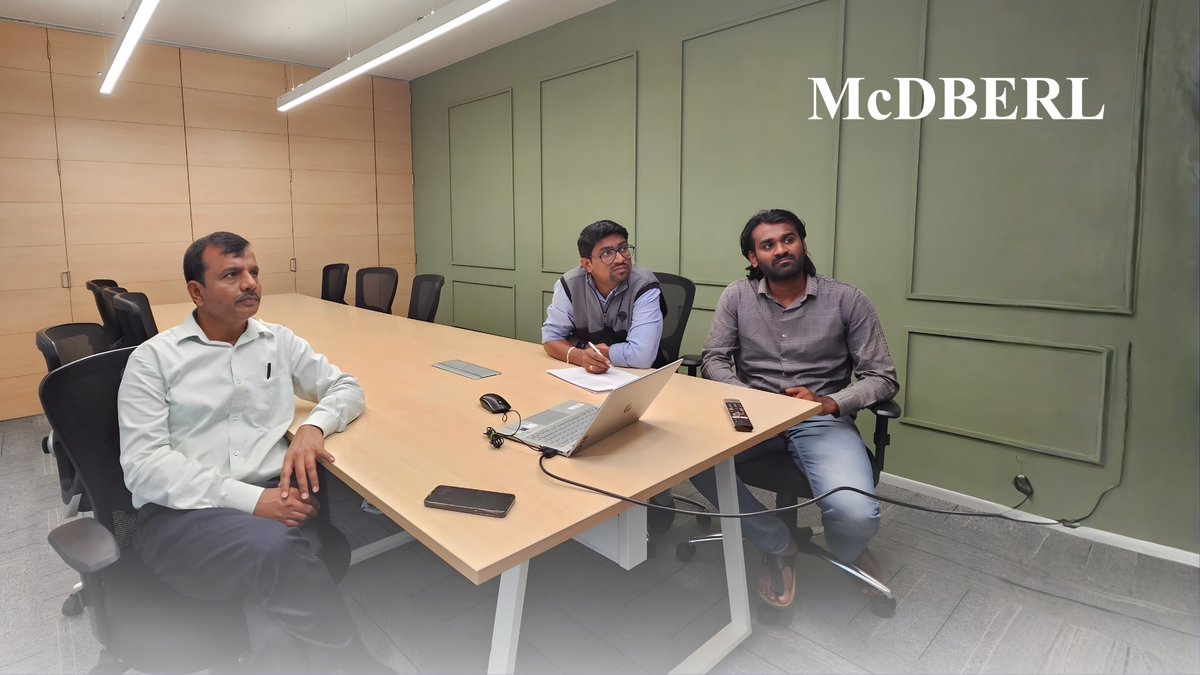
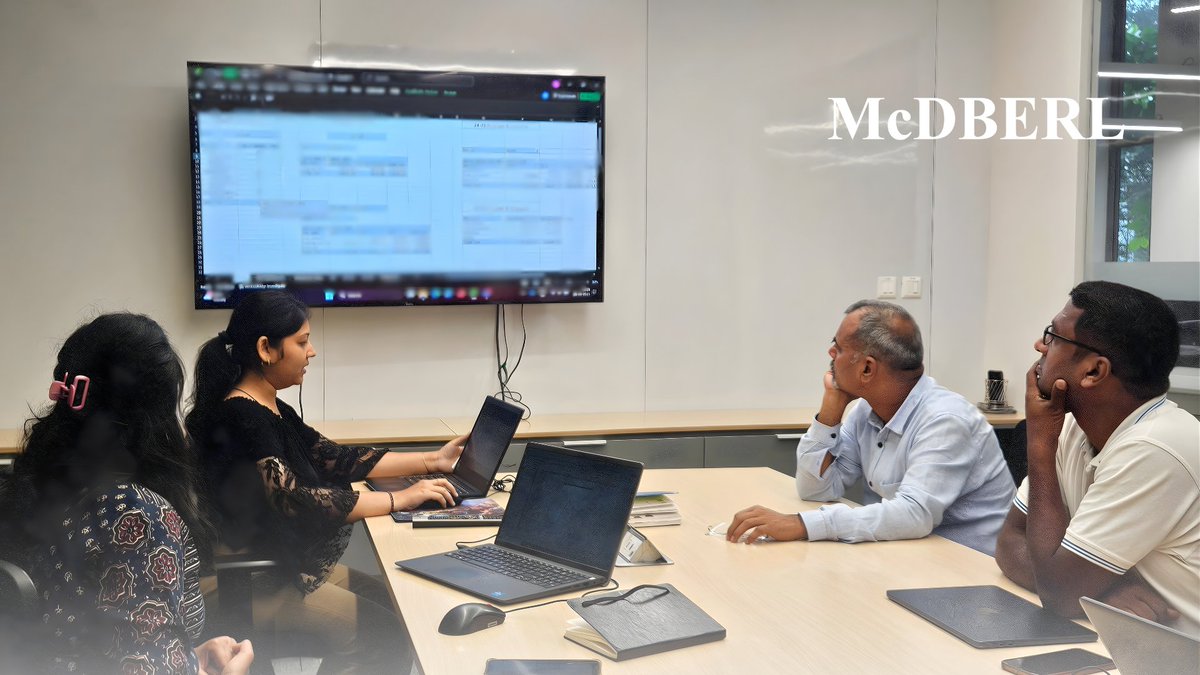
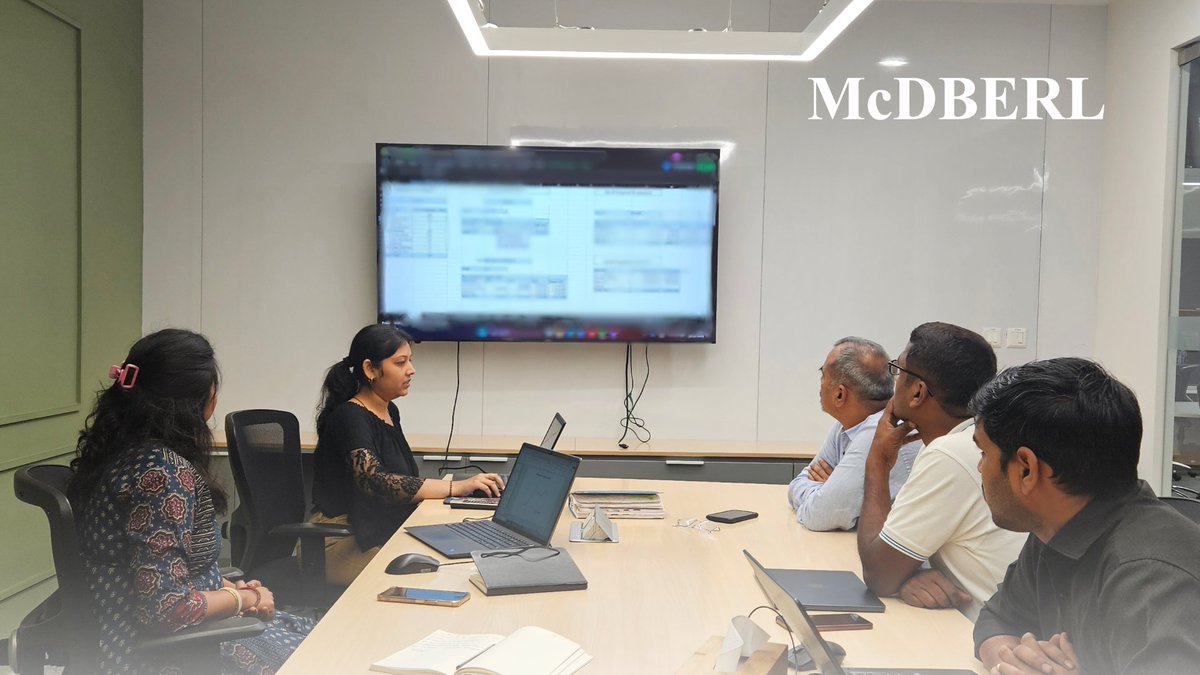
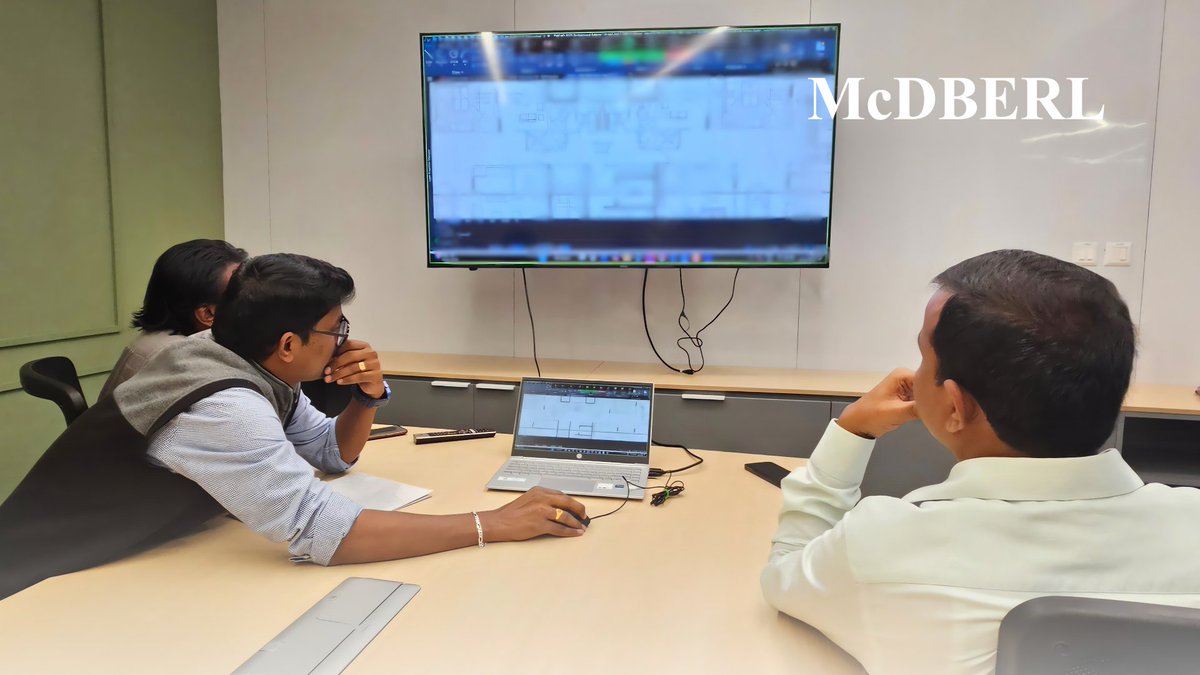
Teamwork makes every vision stronger. Grateful for the conversations, ideas, and energy our team brings to the table. Every project begins with meaningful conversations, shared insights, and a collective drive to build something impactful.
Aga Khan Academy Mombasa!! How do you make naturally ventilated spaces feel comfortable — even in Mombasa’s tropical heat?
That’s the challenge we’re tackling through a Thermal Comfort Assessment and Optimization Strategy at Aga Khan Academy Mombasa.
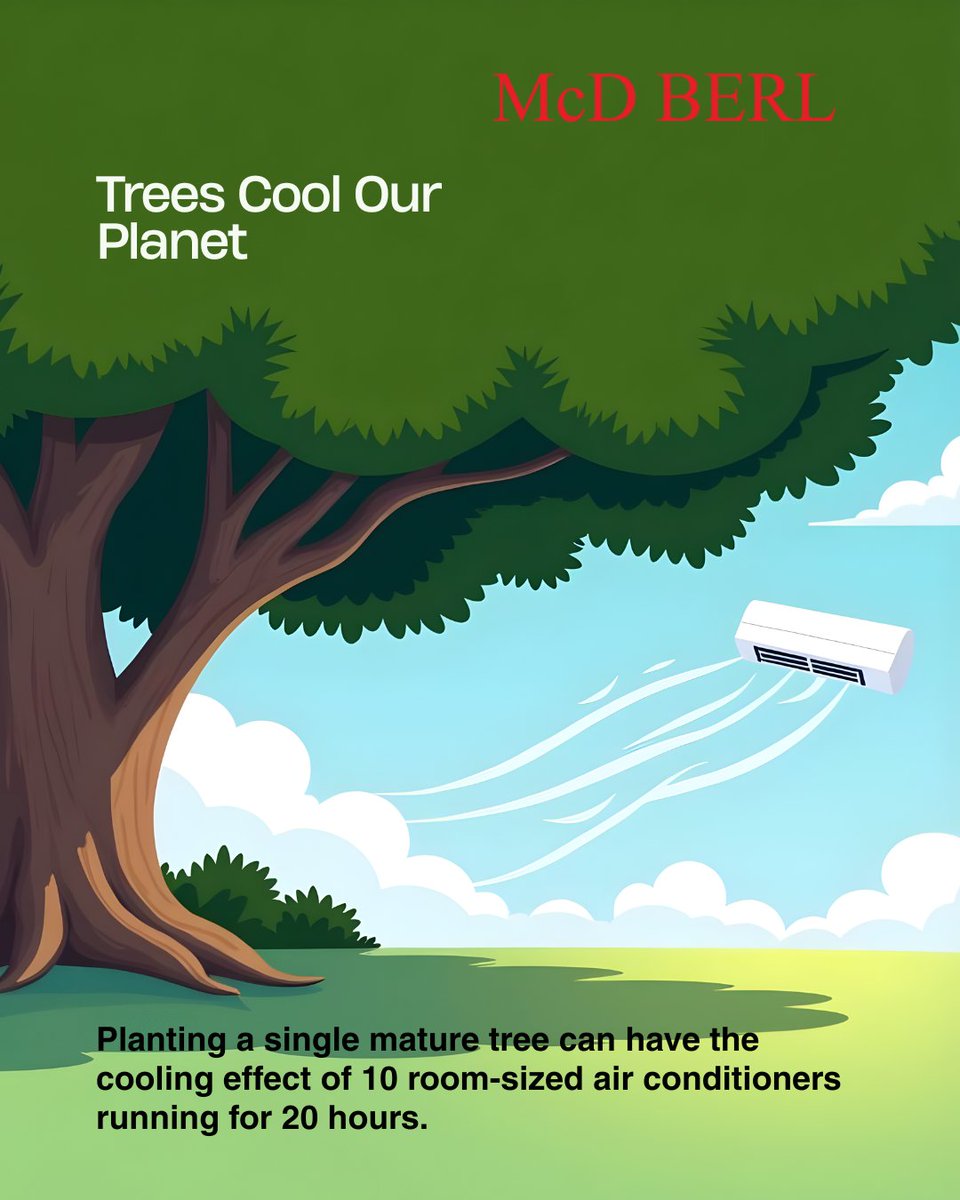
Nature has its own design for comfort. Long before we engineered cooling systems, trees mastered the art of temperature regulation — shading the earth, filtering the air, and nurturing life beneath their canopies.
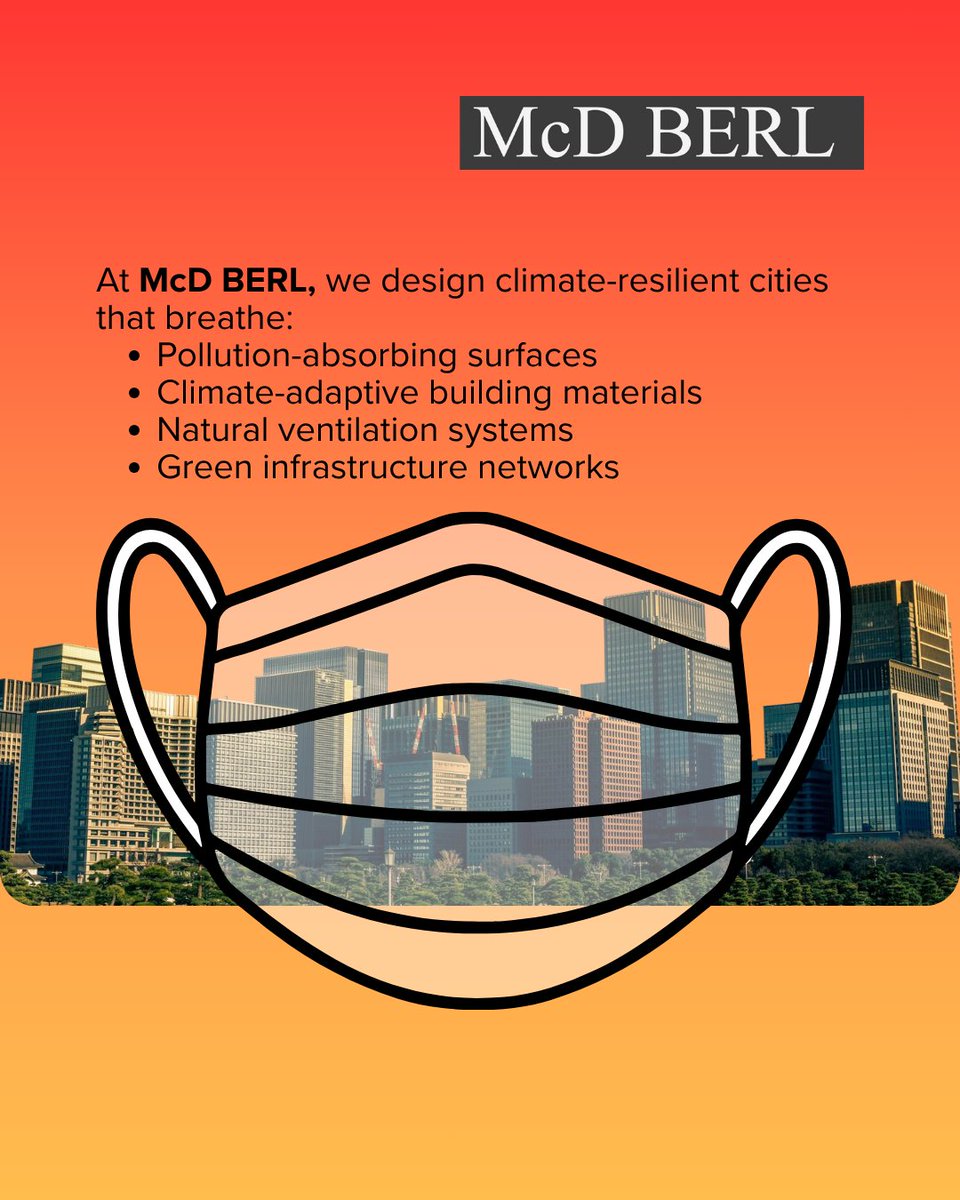
Delhi’s haze isn’t just an air-quality issue — it’s a systems issue. From waste burning to construction dust, every layer of the city contributes to the cloud we breathe in.
Nano Manufacturing Technology Centre (NMTC) at CMTI - Central Manufacturing Technology Institute, Bengaluru — a 25,000 sq ft facility equipped with 16 state-of-the-art labs and over 50 advanced micro- and nano-fabrication tools.
Every flood, every heatwave, every drought tells us the same story — the climate is changing faster than our cities can cope. Today is a reminder: Climate action starts with design, planning, and purpose.
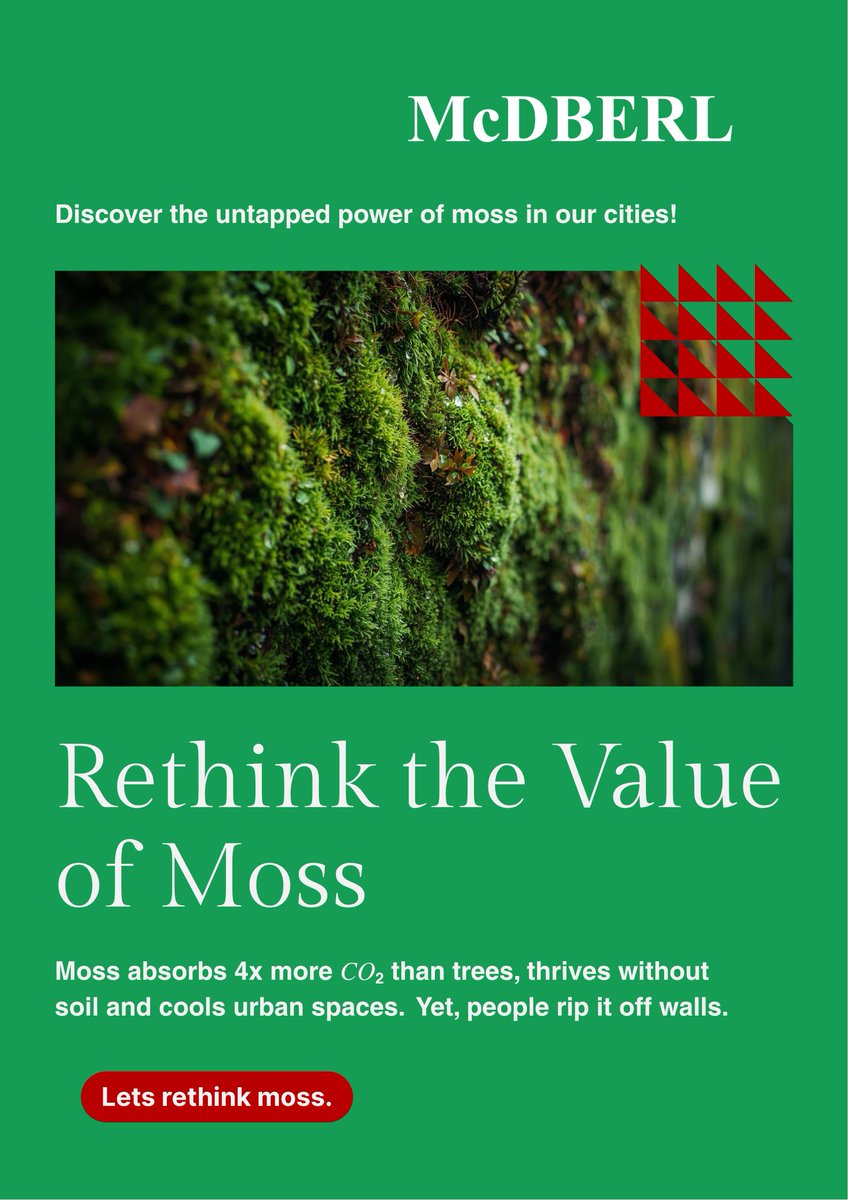
🌿 Moss: Small but mighty! It absorbs 4x more CO₂ than trees, grows without soil, and naturally cools urban spaces — yet it’s often ripped off walls. Imagine the impact if cities embraced moss as a green infrastructure.
The concrete industry alone consumes 10 billion tons of water every year — accounting for nearly 25% of global industrial freshwater use. 💧
As cities expand, this demand is only rising — making it critical to rethink how we design, build, and conserve.
♻️ Did you know? The world generates over 60 million tonnes of e-waste every year — but less than 20% is properly recycled. This #InternationalEWasteDay, let’s rethink what we discard and take responsibility for the tech we use.
Throwback to Umiya Velociti – Hebbal’s modern commercial landmark! 🏢
Spanning 2.76 acres with over 160,000 sq. ft. of flexible office space, this G+12 development combines smart design, sustainable features, and premium amenities to create workspaces that inspire innovation.
Meet the superheroes without capes! 🦸♀️🦸♂️ Passion, creativity, and lots of smiles—this is what our team looks like in action. Our amazing team brings energy, creativity, and a whole lot of fun to everything we do. Here’s a sneak peek of our everyday moments.
What if buildings could clean the air? 🌿
A vertical forest tower does just that—removing 20,000 kg of CO₂ yearly and giving oxygen to 1,500 people. Urban spaces can be part of the solution, not the problem.
Nature has been running a perfect circular system for billions of years — and now, our buildings are finally catching up. The Living Building model captures rainwater for its needs and generates 105% of its energy through renewables — a masterclass in self-sufficiency.
Innovating Healthcare Infrastructure: SS Hospital Bangalore. McD BERL's collaboration with Space Matrix resulted in the design and implementation of an advanced HVAC system for SS Hospital Bangalore. 🔗 Learn more: https://t.co/OwNWUrCyr4