On 16 October, Apple's first folding iPhone opened for pre-order in Vietnam. The deposit was 30 million đồng, nearly half the price of the cheapest model, and several retailers ran out of slots within minutes. One of them called the deposit a "filter".
Filter is the word for the whole phone market this year. That same week Counterpoint Research reported a 20% fall in global smartphone shipments, the weakest third quarter since 2012. AI projects have cornered memory chips, makers passed on the cost, and phone prices worldwide are up 20% this year.
And only the cheap phones get caught. Samsung and Apple gained share, while Xiaomi cut back on low-priced models and vivo's price rises pushed its budget phones out of their best-selling bands. So the crisis is real, just not at the deposit counter. It sits on the cheap-phone shelf, where people buy a first phone for a student or for parents in the countryside.
Counterpoint also sees people keeping phones longer and looking at refurbished ones. Vietnamese families have done it for years: the son upgrades, his old phone goes to his mother, then to grandma, who uses it until the screen cracks, tapes it up and keeps calling her grandchildren on Zalo, the local chat app.
Whoever got a slot that night probably has a home for the old phone already. The crisis knocks only on families with nobody at the top of that chain, who must buy from the cheap shelf just as it got dearer.
---
Tối 16/10, chiếc iPhone gập đầu tiên mở cho đặt trước ở mình, tiền cọc 30 triệu đồng một máy, gần phân nửa giá bản rẻ nhứt, vậy mà vài phút là nhiều chuỗi bán lẻ báo hết suất. Một chuỗi còn gọi mức cọc đó là một "bộ lọc".
Chữ "bộ lọc" nghe hơi phũ, mà nói cho ngay thì năm nay cả thị trường điện thoại là một cái bộ lọc. Cũng tuần đó, hãng nghiên cứu Counterpoint báo quý ba vừa rồi thế giới xuất xưởng ít hơn cùng kỳ năm ngoái 20% số điện thoại, thấp nhứt kể từ 2012. Chip nhớ bị các công trình AI vét hàng nên giá lên vùn vụt, các hãng đẩy phần đó qua người mua, và từ đầu năm giá điện thoại bán lẻ trên thế giới đã lên 20%.
Mà lọc kiểu này thì chỉ có máy rẻ là kẹt lại. Samsung với Apple còn giành thêm thị phần, trong khi Xiaomi tự cắt bớt máy giá thấp, vivo tăng giá tới mức mấy mẫu máy rẻ văng khỏi tầm giá bán chạy. Vậy là khủng hoảng điện thoại có thiệt, có điều nó không đứng ở quầy cọc 30 triệu, mà nằm ở kệ máy vài triệu, chỗ người ta mua điện thoại cho đứa con mới vô đại học hay cho ba má ở quê.
Counterpoint còn thấy người ta giữ máy lâu hơn, tính tới chuyện mua máy cũ tân trang. Nghe như phát hiện mới, chớ nhà mình xài kiểu đó lâu rồi: đứa con lên đời thì cái máy cũ về tay má, má đổi máy thì nó xuống tới bà ngoại, bà xài tới lúc màn hình nứt một đường, dán miếng keo trong lên rồi vẫn gọi Zalo cho cháu đều đều.
Nên ai giành được suất cọc tối 16/10 thì chắc cái máy cũ trong túi cũng đã có chỗ về. Khủng hoảng chỉ gõ cửa nhà nào không có ai đứng đầu cái dây đó, phải tự ra kệ máy rẻ mà mua, đúng lúc nó vừa lên giá.
At Vietnamese pumps this week, the better petrol is the cheaper one: E10 RON 95 now costs 148 đồng a litre less than E5 RON 92, because E10 is taxed at 7% and E5 at 8%.
The catch is in the tank. Ethanol holds about a third less energy than gasoline, and the US Department of Energy says cars go 3 to 4% fewer miles on E10 than on gasoline with no ethanol. E5 loses about half that. So a litre of E10 takes you roughly 1.5 to 2% less far than a litre of E5: 400 to 500 đồng of road, about three times the saving.
The board is right per litre and wrong per kilometre.
When the cheaper pump and the better pump swap places, which one do you pull up to?
In Vietnam this year, a small business can end up poorer by selling one more đồng.
A 30% income-tax cut for 2026 and 2027 covers household businesses and firms with annual revenue of no more than 10 billion đồng. At 10 billion you get it. At 10 billion and one đồng you lose all of it, not just the part above the line.
Say the year's tax bill is 100 million đồng. At the line you pay 70 million; one đồng over, the full 100. Keep 10 đồng of every 100 you sell, and you need more than 300 million in extra sales just to win the 30 million back.
Companies can't split in two to stay under: the rule already shuts that door. So for a shop at 9.9 billion in mid-December the question is simple. Keep selling, or close until January 1?
@PeterMcCormack Debt that builds a port and debt that pays last year's bills look the same on the chart. Only one of them leaves the kids something to pay it back with.
@thejustinwelsh Failing 100x is a great plan if someone else is paying the rent. Most people don't hate work, they hate the boss and the commute, and fixing those is cheaper than starting a company.
@AlexHormozi The part that doesn't get posted: sometimes you put in every ounce and it still doesn't happen. The people who keep going anyway are the ones who stop treating effort as a guarantee.
A café chair has never been free. All along, the people who ordered were paying for the ones who didn't.
Since 22 October, Starbucks asks customers in its nearly 8,000 stores in China to buy something before they sit. North America got a similar rule in early 2025. The "third place" between home and office now comes with a cover charge.
In Saigon no sign is needed: sit down on a plastic stool and someone is already asking what you'll drink. The fight here is over how long one iced coffee buys the chair, because some people stay from morning till evening with a laptop, a charger and a single glass. The rent and the air conditioning run by the hour, while the till counts by the cup.
How long does one coffee buy you a seat where you live?
Ho Chi Minh City's buses have been free since July: more than 35 million rides in just over three months. The free ride ends on 31 December. The proposed 2027 pass for bus plus Metro Line 1 costs 412,000 đồng a month, a little over 16 litres of petrol.
Petrol was never why this city rides motorbikes, though. The bike sleeps in the living room, leaves when you do, stops at the market and the school gate, and parks at the office door. The bus means a walk to the stop, a wait, another walk, and wet trousers when it rains.
The other side counts what the petrol bill hides: parking, oil changes, punctures, an hour of rush-hour traffic in your back. Someone else driving you for 412,000 a month starts to look cheap.
January will show whether those 35 million rides came for the price of zero, or for the bus.
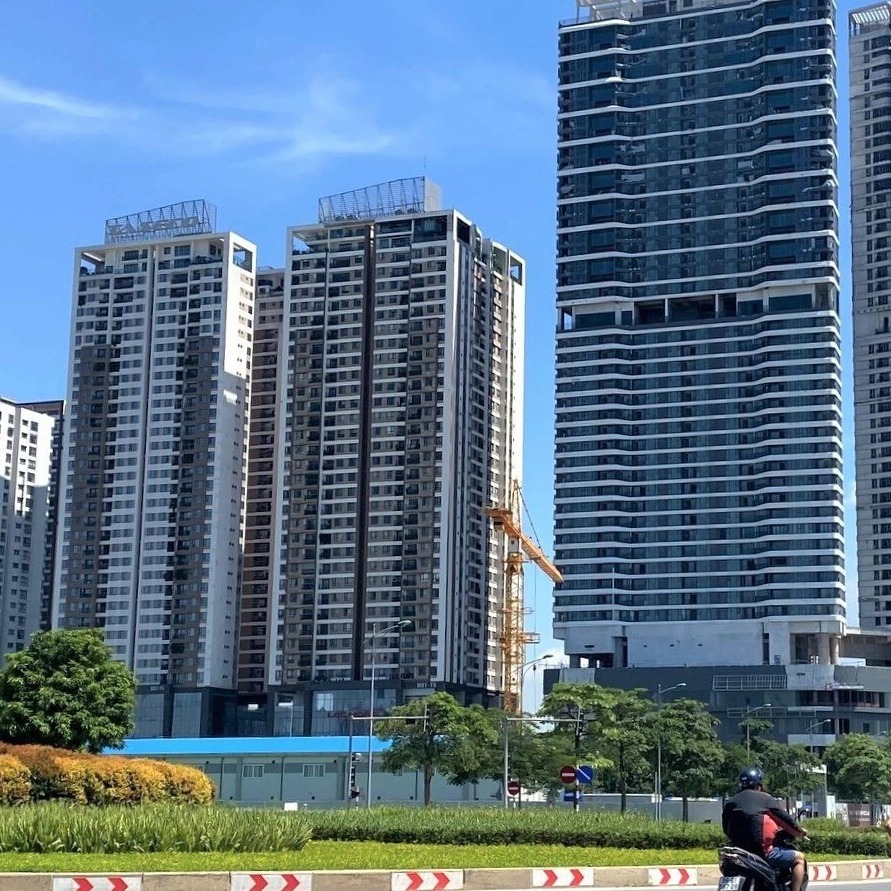
Affordable housing, as a Ho Chi Minh City property association now proposes it: 60-70 million đồng per square metre, for people who earn too much for social housing.
That ceiling is 25 million đồng a month for a single person, 50 million for a couple. A 60 m² flat at those prices costs 3.6-4.2 billion đồng: six to seven years of a couple's entire income, twelve to fourteen for a single earner.
New flats in the big cities often list above 100 million per m², so it is cheaper. But affordable is measured against the payslip, not the tower next door.
Where you live, how many years of income is a fair price for a first flat?
@CryptoHayes Trouble with waiting for the all clear: by the time it's clear, it's also priced in. Sitting out is a fine call, just pick in advance what gets you back in, or the sidelines turn into a lifestyle.