Let’s take this gentleman’s argument at face value that anyone can throw money at rockets and get something like Starship, Falcon or Dragon.
Perhaps he can explain to everyone how SpaceX is able to catch giant starships from orbit with chopsticks and deliver 85% of all Earth payload to orbit with Falcon, while Blue Origin, which started before SpaceX and was funded by the immensely wealthy Jeff Bezos, is not yet able to launch reliably?
Also, why is it that Boeing and Lockheed received several times what SpaceX did from the government for development of their rockets and spacecraft, but the Boeing capsule is still not operational and ULA delivers less than 5% of SpaceX payload to orbit?
I am genuinely curious about these questions.
INTERESTING SIGNAL 🚨 Elon Musk just agreed that cheap autonomous rides could change how much people travel—and whether they need to own a car 🔥
Let’s think about someone who drives to work, occasionally orders an Uber, and sometimes passes on going somewhere because getting there costs too much money or effort.
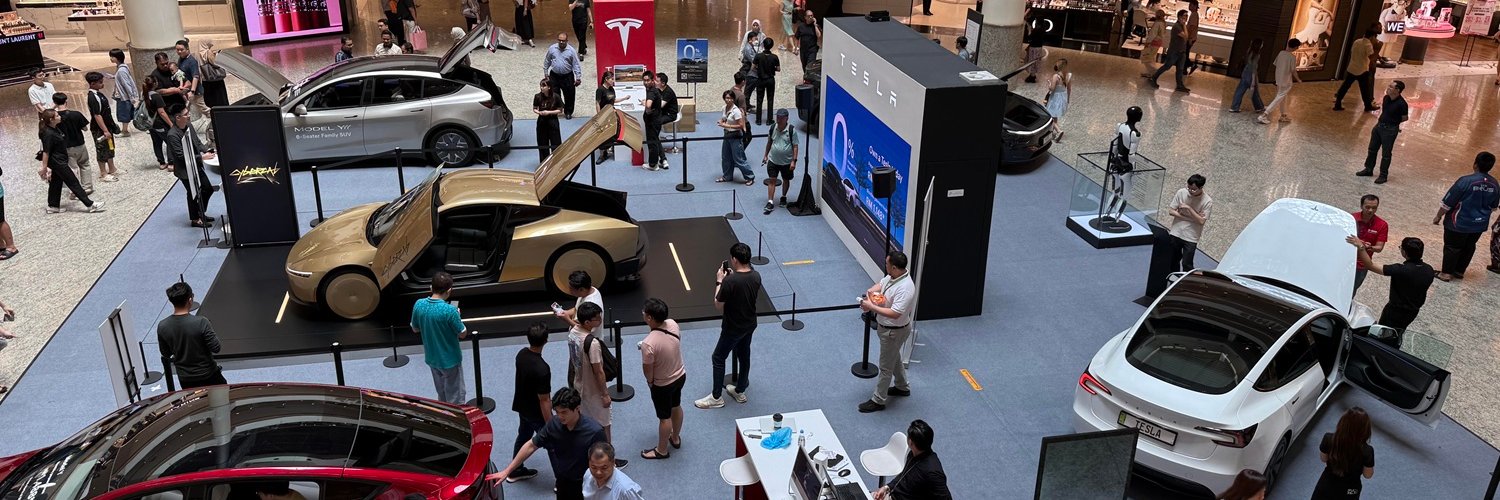
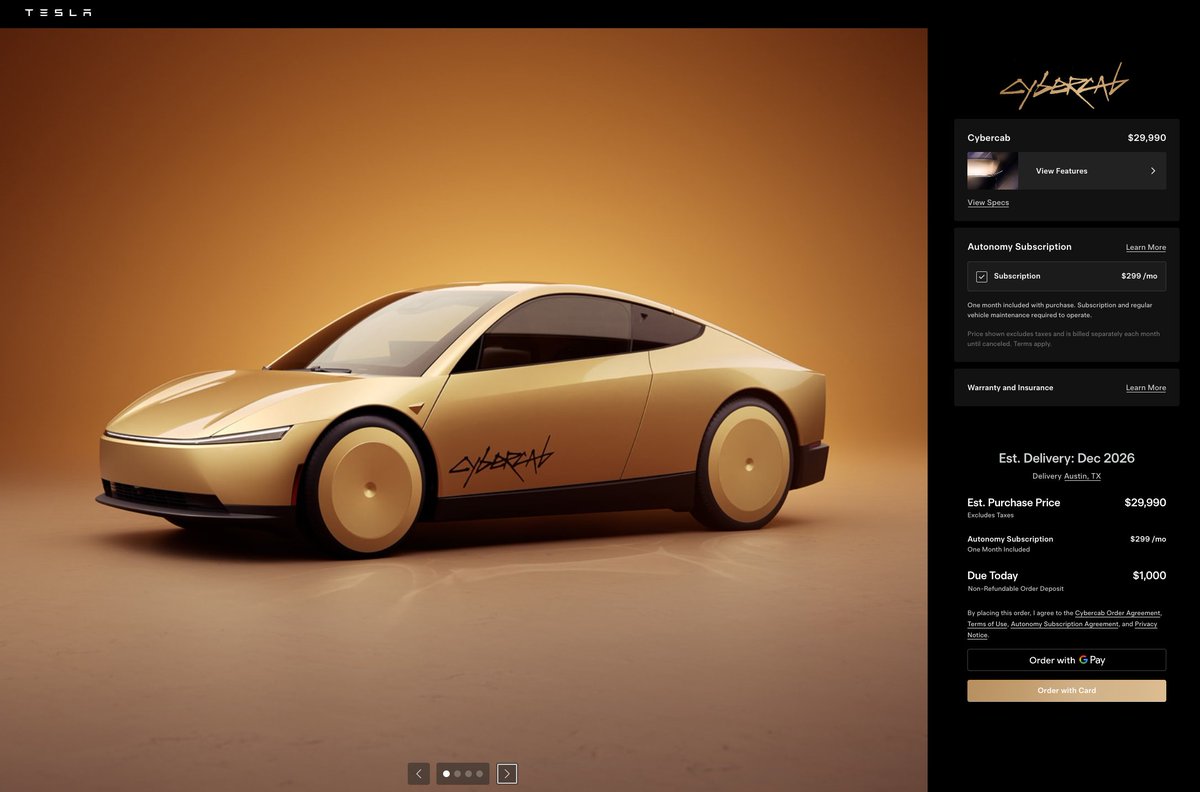
An affordable, dependable Cybercab could change all three 🔥
And now, let’s imagine a 10-mile ride falling from $20 to $5. That’s a hypothetical example, but it’s easy to see how taking a ride could become an everyday habit at that price. For some households, buying a second car could become harder to justify.
After all, owning a car costs much more than gasoline. There’s depreciation, financing, insurance, maintenance and parking—all expenses attached to keeping a vehicle available whenever you need it.
If affordable rides could reliably cover those needs, replacing that vehicle could free up a meaningful chunk of the household budget.
People might also start taking trips they would otherwise skip. Someone could visit family more often, while a person who no longer drives could regain the freedom to go out independently. A job across town might become practical because getting there is finally affordable.
Those extra journeys are part of the opportunity, alongside the rides people already pay for today.
We’ve seen something similar happen with computing. As computation became cheaper, people found more things to do with it, from navigation and streaming to cloud software and AI. Entire businesses emerged around uses that had once been prohibitively expensive.
Transportation could follow a similar pattern. Economists call this induced demand: making travel cheaper or easier can encourage people to travel more.
Autonomy could reduce both the price and the effort involved. A commute feels different when you can spend the journey reading, working or relaxing.
To understand how those lower fares could become possible, let’s look at what it costs to deliver each ride.
Tesla brings together automated driving, electric propulsion, vehicle manufacturing and fleet operations. Removing the need to pay a driver for every trip creates room to lower costs, while serving multiple customers throughout the day spreads the vehicle’s purchase cost across more paid miles.
That’s why utilization matters so much. Fleet size alone tells us relatively little about earning potential without knowing how often those vehicles carry paying passengers.
On Tesla’s Q3 2026 earnings call, management discussed a target cost of roughly 30 cents per paid robotaxi mile and said it hadn’t reached it yet. That’s Tesla’s cost of providing the service; the passenger’s fare is a separate number.
Reaching that target means covering charging, cleaning, insurance, repairs and fleet support efficiently. The empty miles between passengers have to be paid for too.
With those economics in mind, we can see why today’s rideshare companies provide an incomplete measure of Cybercab’s potential. Their market values reflect their particular businesses and expected profits, while Cybercab’s opportunity also extends into journeys people currently make in their own cars.
The prediction about a “majority of all passenger miles” reaches into the ordinary routines of commuting, running errands and visiting friends. Winning even a portion of those privately driven miles would open up business beyond existing rideshare demand.
As we consider how large that opportunity could become, it helps to distinguish between more travel and more spending.
If an equivalent ride falls from $20 to $5, it takes four times as many rides just to keep revenue unchanged. Falling prices alone don’t guarantee a larger market in dollar terms.
Tesla could nevertheless grow substantially by capturing miles people currently drive themselves, even while those customers spend less overall on transportation.
For the business, what matters is how many paid miles Tesla can serve and how much it earns after covering the cost of serving them.
For customers to keep choosing those rides, the service needs to be safe, dependable and competitively priced, with short waits and coverage where they actually want to go. People’s time and the capacity of the roads would still limit how much travel could expand.
If Tesla gets that combination right at scale, the effects could reach deep into everyday life.
A household could get by comfortably with one fewer car. Someone looking for work could consider jobs that used to be too expensive to reach. A person who depended on others for transportation could gain more control over their day.
That’s what makes this idea so exciting: affordable autonomy could give people more freedom to decide where they go, how often they go, and what becomes possible when they get there.