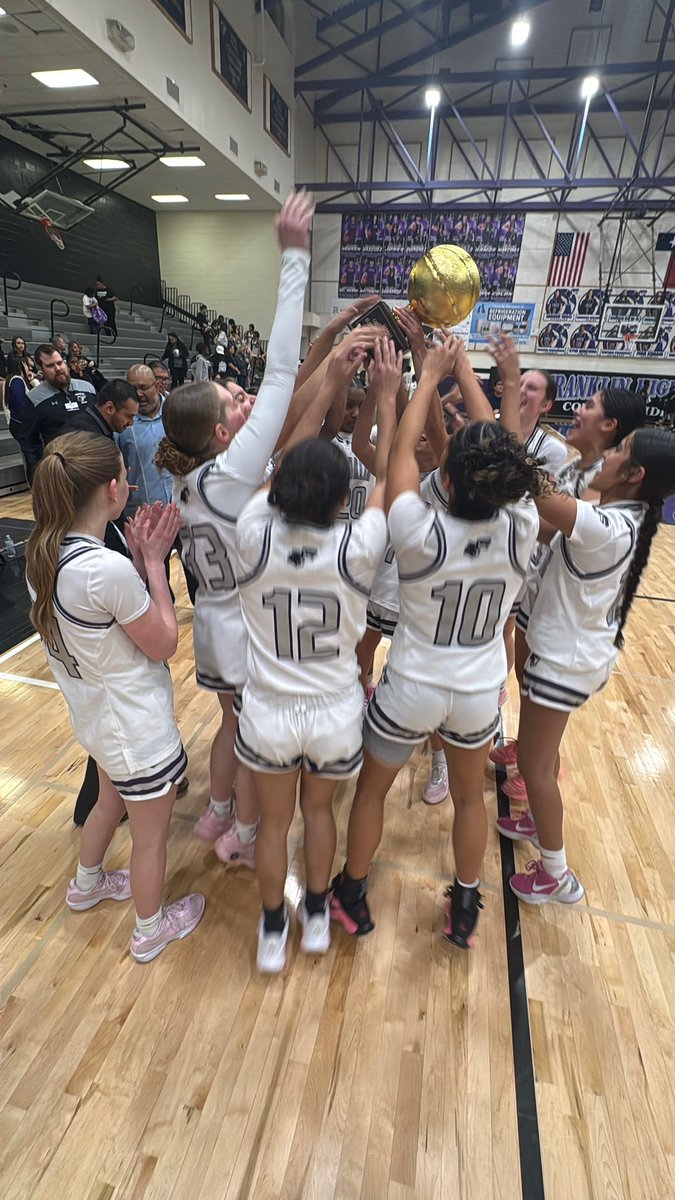
Montwood girls basketball player Jocelynn Custard and Franklin girls basketball player Allison De La O named All-Region in Class 6A by the Texas Association of Basketball Coaches.
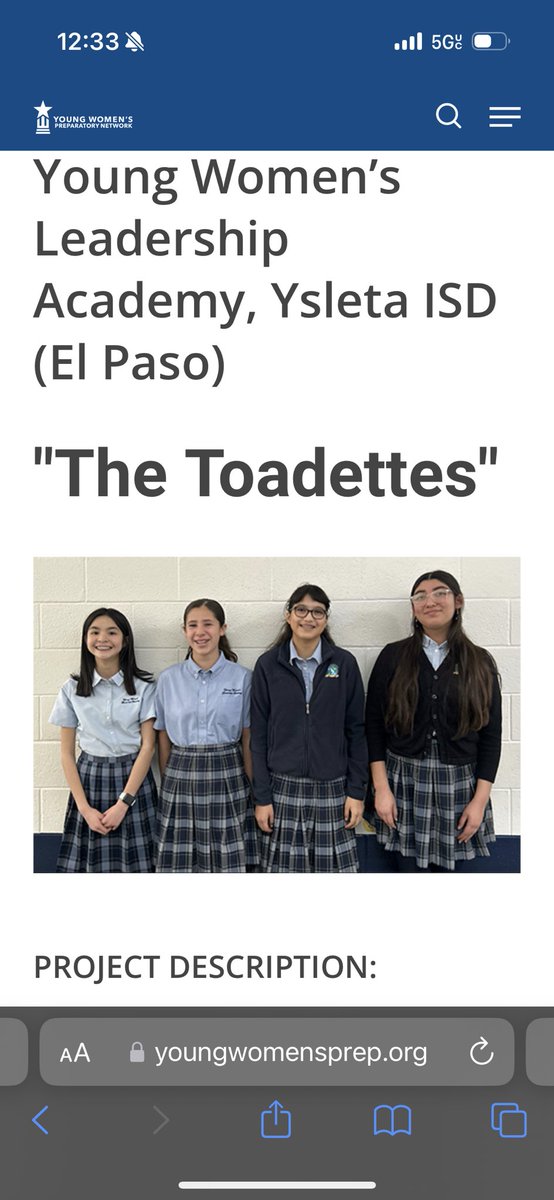
After a long week of interim testing we spent some time relaxing and decorating cookies for Galentines! My 8th graders are one day closer to mastering their EOC ☺️ @Ysleta_YWLA#SisterhoodForever
Nick Saban said, "To be a good player on your team, you have to affect someone else on the team. You have to cause them to play better by the way you play."
The best players make their teammates better.
How do you make your teammates better?
Coach K once said, "You can either lower your goals to match your effort, or you can raise your effort to match your goals."
No Deposit - No Return.
Everything is earned.
Happy Hispanic Heritage Month! 🎉 #THEDISTRICT is proud to celebrate the rich culture, history, and countless contributions of the Hispanic and Latino communities. Join us in honoring and learning more about these vibrant traditions. #HispanicHeritageMonth#DiversityInEducation
This Young Women's Leadership Academy student at #THEDISTRICT is most grateful for the guidance of her math teacher, Ms. Leos, during Teacher Appreciation Week! 🍎📐✖️➗ #TeachersChangeLives#Gratitude
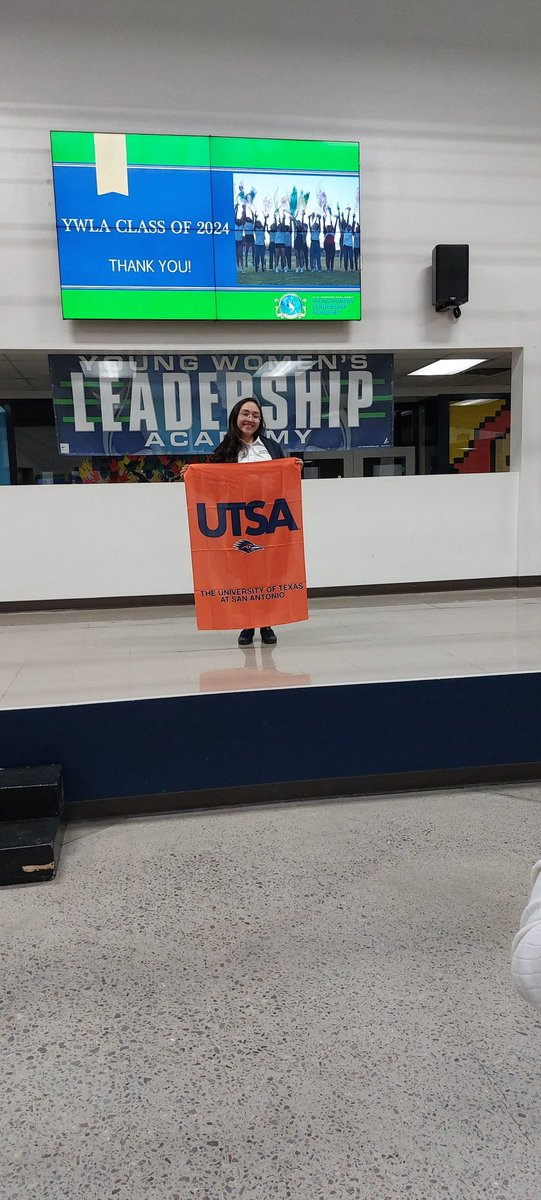
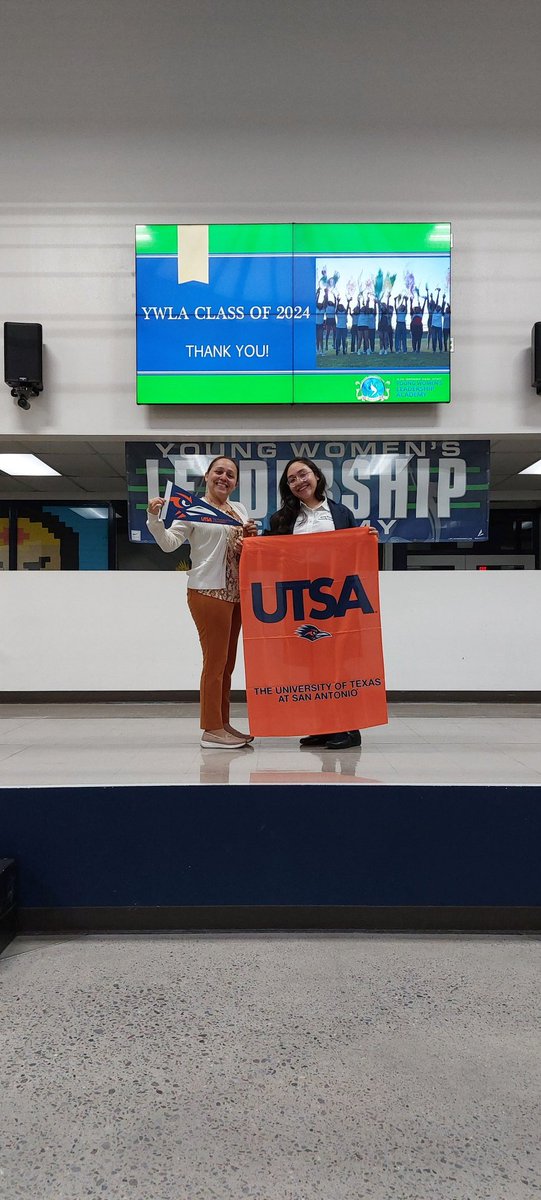
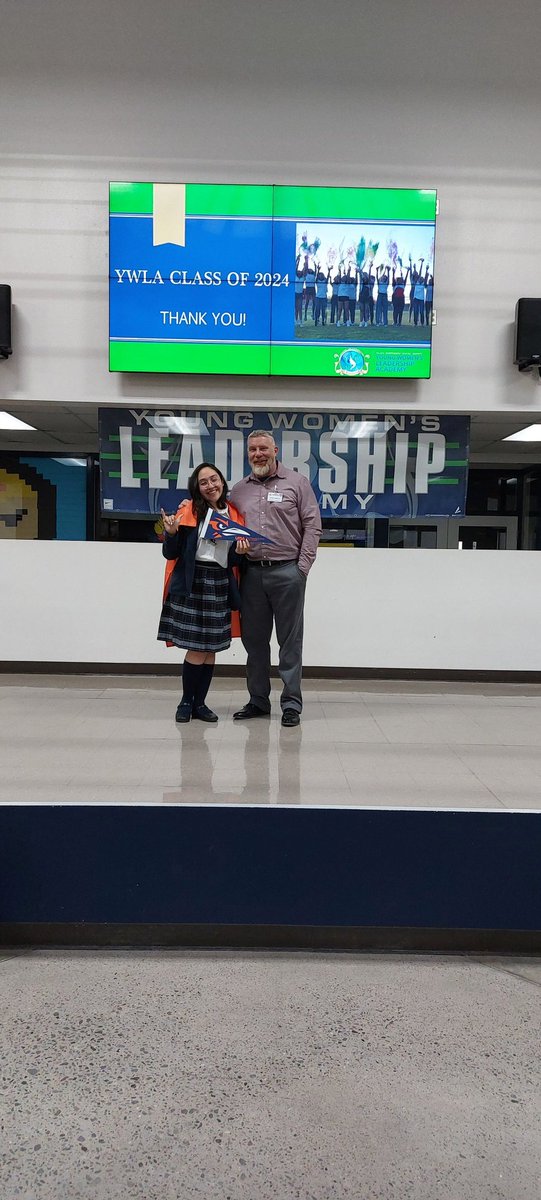
We are proud to announce that this AMAZING @Ysleta_YWLA Senior has been named a @TerryScholars scholar for @UTSA!!
We are all so happy for you, Fernanda!!! Congratulations!
We know you will make an impact in San Antonio just like you have in El Paso.💙💚 @MVillalobos2@ywprep
Years ago, I was teaching a group of first graders how to solve addition problems by taking jumps on number lines I had printed out and laminated for them. After a series of problems like 4 + 3 and 3 + 4, and 1 + 8 and 8 + 1, one of the kids said “Does that always happen?”
“Does what always happen?” I said.
“Do you always get to the same place when you switch the numbers?”
“Try it,” I said, and they did.
“It works for 7 + 3 and 3 + 7!” one said.
“It works for 2 + 4 and 4 + 2!” another chimed in.
“It works for 9 + 5 and 5 + 9!”
This was the first day of adding, and these first graders had already discovered the commutative property of addition.
But do we really need them to jump to this higher level concept so quickly?
Yes. Here's why:
Students need to see right away that math contains 𝘱𝘢𝘵𝘵𝘦𝘳𝘯𝘴, and that it's not just an assortment of disconnected facts to be learned. Pattern recognition is at the heart of mathematical learning, of course (or all learning for that matter), and discovering these particular patterns can be a big first step toward discovering that math is understandable.
Students also need to see that math contains 𝘴𝘩𝘰𝘳𝘵𝘤𝘶𝘵𝘴; if you know what 5 + 7 is, you know what 7 + 5 is too. There are 100 basic addition facts to learn - the commutative property “shortcut” for addition can cut that number almost in half. Student conclusion: “Maybe learning math will be easier than I thought!”
They also need to see that math involves 𝘥𝘪𝘴𝘤𝘰𝘷𝘦𝘳𝘪𝘦𝘴. We have to 𝘴𝘵𝘦𝘦𝘳 them toward these discoveries, of course (experiments must be specific and controlled to be useful), but that doesn’t make them any less real. Putting students in a position to discover something for themselves still results in them 𝘥𝘪𝘴𝘤𝘰𝘷𝘦𝘳𝘪𝘯𝘨 𝘵𝘩𝘦 𝘵𝘩𝘪𝘯𝘨 𝘧𝘰𝘳 𝘵𝘩𝘦𝘮𝘴𝘦𝘭𝘷𝘦𝘴 - and discovering the thing for themselves can make all the difference. 𝘌𝘱𝘪𝘴𝘰𝘥𝘪𝘤 𝘮𝘦𝘮𝘰𝘳𝘪𝘦𝘴 (memories of what we’ve experienced) can be far more powerful and longer-lasting than 𝘴𝘦𝘮𝘢𝘯𝘵𝘪𝘤 𝘮𝘦𝘮𝘰𝘳𝘪𝘦𝘴 (memories of facts). And students learn the facts with this strategy anyway! And the discoveries are fun!
Math is understandable, filled with shortcuts, and loaded with discoveries - pretty good takeaways for the first day of adding!