#ONSNew Three-Dimensional Photorealistic and Virtual Reality Study of the Supratentorial Ventricular System in Relation to Superficial Cranial and Cerebral Landmarks https://t.co/nOZ85k8zX6 by @DanieleArmocida et al @unito@CNS_Update
“Neurosurgical experience is a collection of memories encoded and stored in chronological order in the mind of a neurosurgeon. However, insight is an independent phenomenon. It may strike after the 10th case, not until the 100th case, or never. It may come from operating on a smaller, simpler lesion where the pathology is clear and well visualized after the larger lesions that preceded it. Conversely, insight may come from a more complex or giant lesion with exaggerated features that enlighten. Insight may come from crossing a threshold number of cases or traversing the spectrum of pathologies. An extensive collection of videos collapses times, alters chronology, and crystallizes experience into insight – a version of time dilation. With SpAVMs, the video vault led to a proposed classification of intramedullary SpAVMs defined by their arterial supply and location within the spinal cord. The sudden reorganization of what I had already experienced and the vivid replay many years beyond the actual experiences sparked that something I did not previously understand.” The paper publishes next week in @TheJNS…
#NEWnew Moving Beyond Packing Density: A Modern Reappraisal of Recurrence and Retreatment in Coiled Aneurysms https://t.co/A8zCjVEEYA by Barhouse et al @BIDMChealth@CNS_Update@visishs
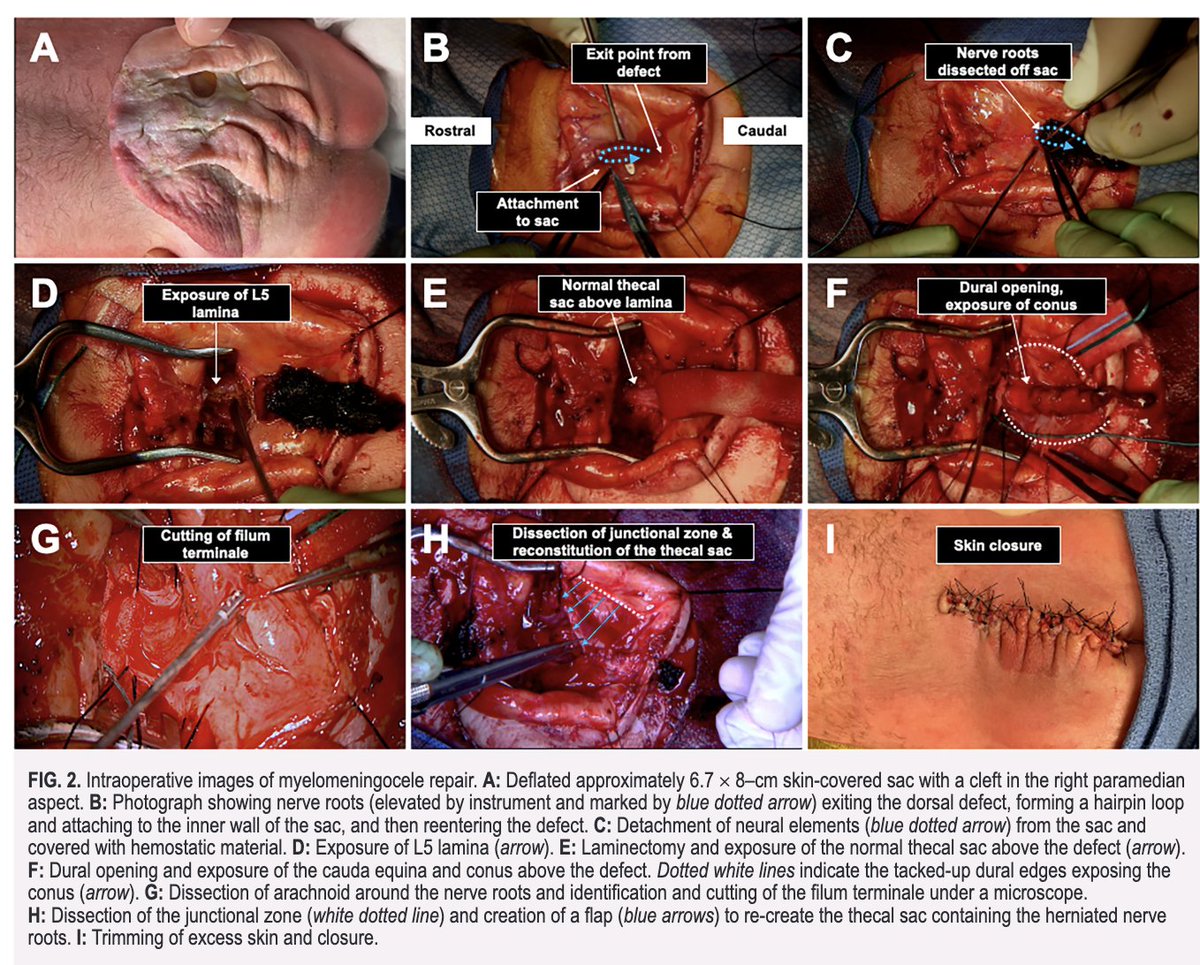
#CaseLessons: Late rupture of a myelomeningocele sac devoid of neural placode associated with good functional outcome 2 years after postnatal repair: illustrative case.
https://t.co/GZDIl8BgSI.
#JNSPG#Neurosurgery#myelomeningocele
#JNSFocus: Advancing neurosurgical practice with augmented reality: a single-center real-world case series with illustrated technical notes.
https://t.co/AEppQ7DaF9.
#JNSPG#Neurosurgery#AR#AugmentedReality
Though not the biggest, carotid artery is arguably the most critical pipeline b/c it supplies brain. Once upon a time, bypasses from carotid in the neck to MCA in brain were the answer for giant cavernous aneurysms; I performed >100. While flow diverters turned this bypass into a rare oddity, we maintain the know-how to reconstruct carotids when needed…
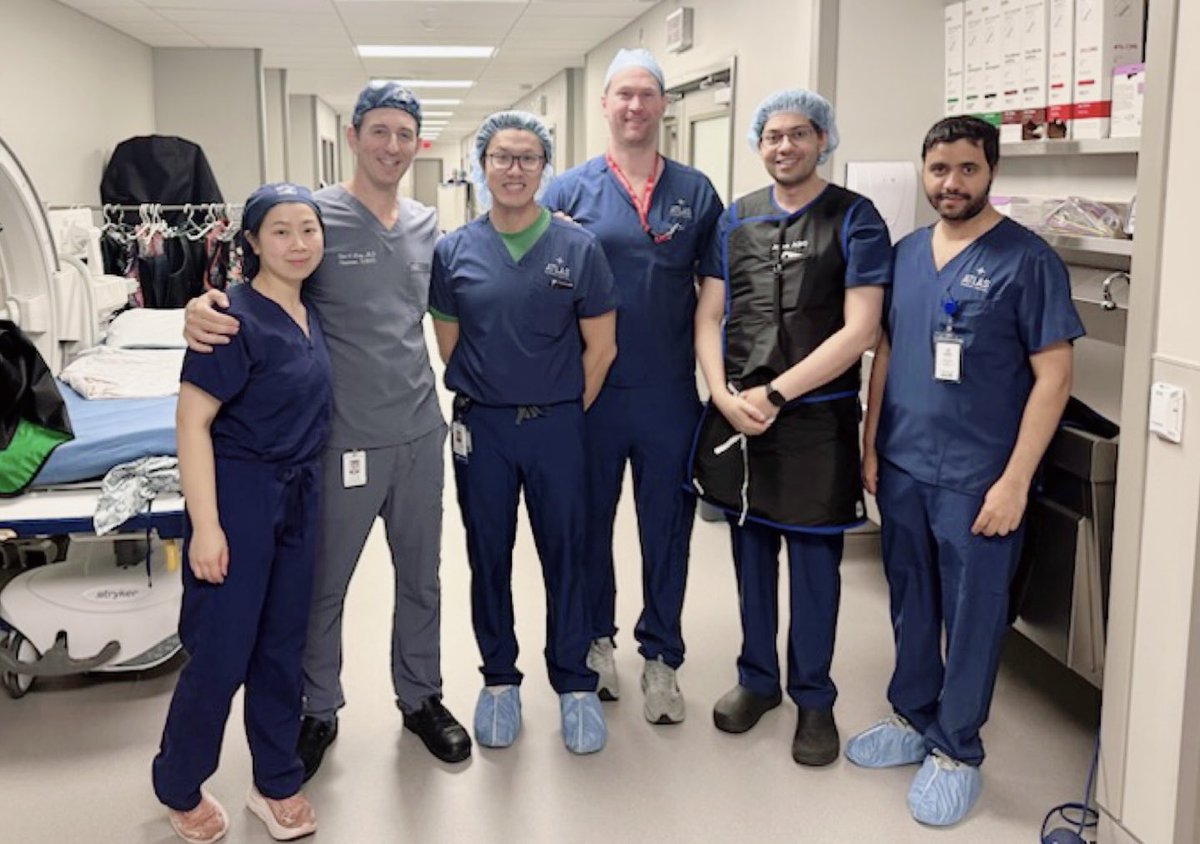
Day 1 of live cases at #CNS2026 done!
Incredible team work from our fellows and staff today at Atlas and GVI.
…but around here, bringing your absolute A-game is just another regular day at Buffalo.
Stay tuned for tomorrow 🦬 💪
@CNS_Update@EladLevyMD
Why is glioblastoma so difficult to treat?
One challenge is getting cancer drugs into the brain and to the tumor. Even when drugs reach the tumor, glioblastoma can develop resistance to treatment.
Researchers are exploring a new approach: an experimental nanotherapy that combines two existing cancer drugs into tiny particles designed to deliver the medicines directly to cancer cells.
The goal? Target the tumor more effectively and find new ways to overcome treatment resistance.
Learn more: https://t.co/e0Ct3Ot6HG
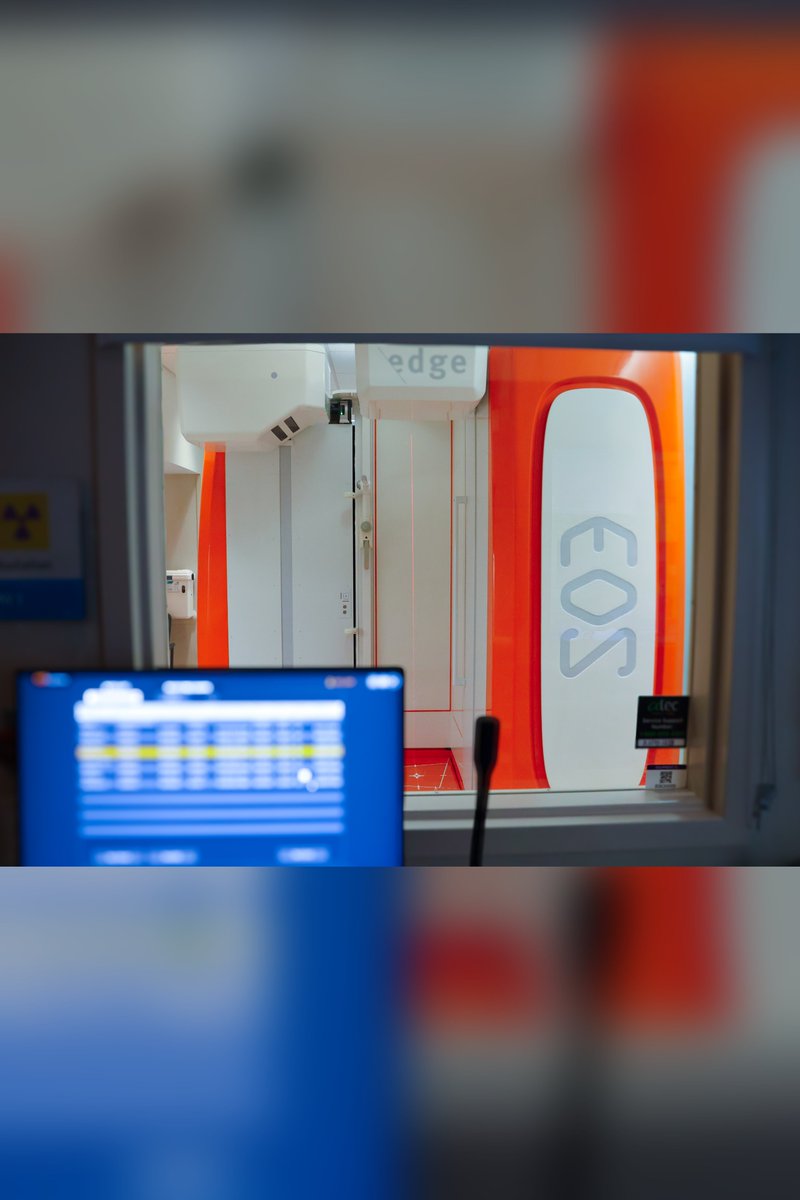
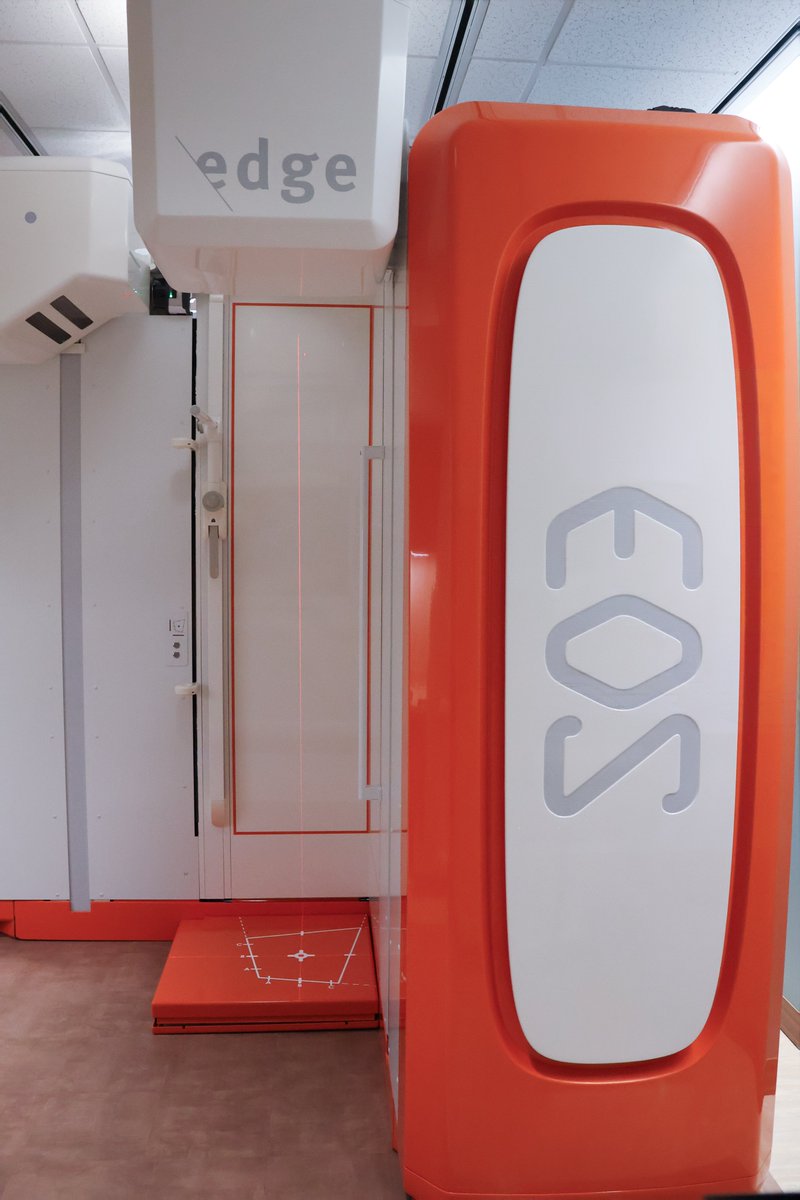
Radiology at UPMC Presbyterian recently began using an EOS® x-ray scanner. Until its opening day at Presby on Oct. 22, the only EOS® scanner at UPMC was at UPMC Children's. Surgeons order EOS over conventional x-rays because it captures the whole body standing in a single low-dose scan, gives 3D spine and pelvis data without a CT, and automatically measures alignment for surgical planning.
According to the Journal of Children's Orthopaedics, the major advantages of EOS® are the relatively low dose of radiation (50–80 % less than conventional x-rays) that the patient receives and the possibility of obtaining a 3D reconstruction of the bones.