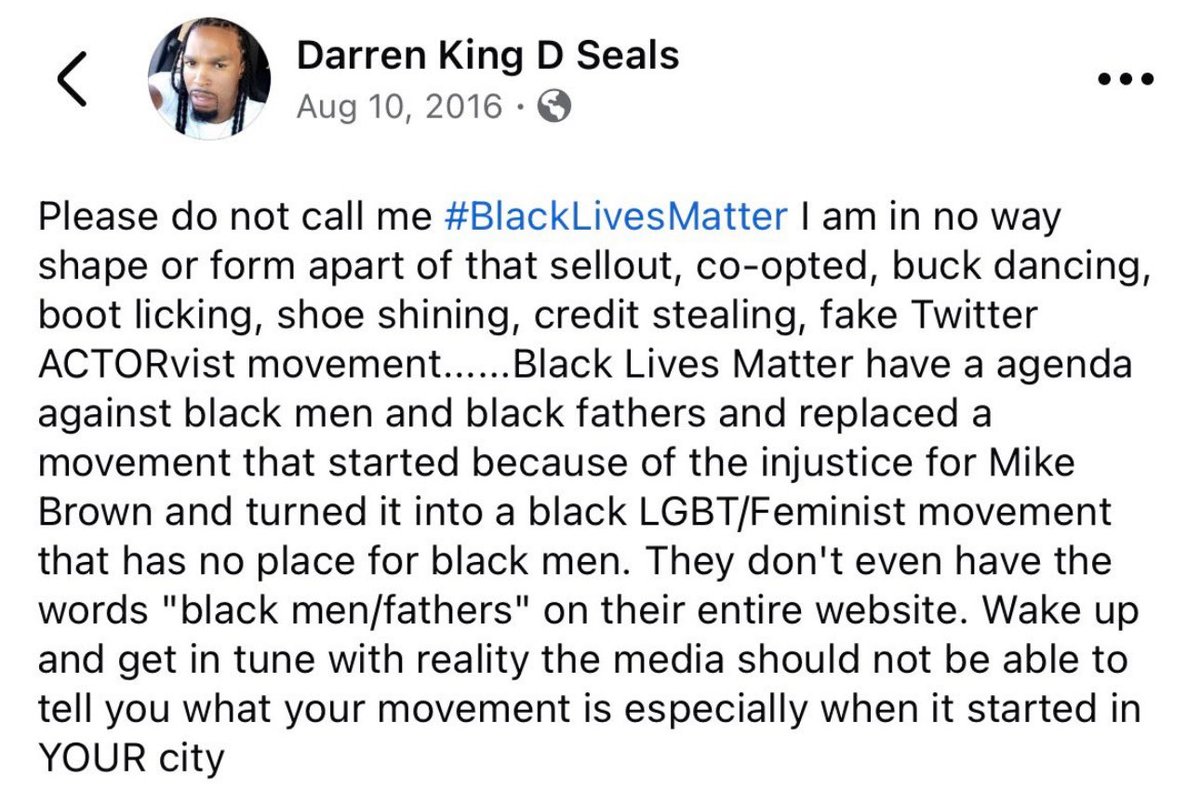
In Black Skin, White Masks (1952), Frantz Fanon argues that colonialism does not merely dominate people politically and economically; it penetrates their psychological world, shaping how they see themselves and others. Through racism, language, education, and cultural hierarchy, colonial society presents the colonizer’s identity as superior and the colonized person’s identity as inferior. The colonized may gradually internalise these judgments, seeking recognition by imitating the colonizer’s language, behaviour, and standards of respectability. Fanon shows how oppression can produce alienation from one’s own identity: the colonized person begins to experience themselves through the demeaning gaze of the dominant society.
For Fanon, this psychological injury is not an inherent weakness of the colonized; it is produced by a racist social order. The struggle for liberation must therefore go beyond political independence to challenge the cultural and psychological structures that sustain feelings of inferiority. Decolonisation involves reclaiming the capacity to define oneself rather than measuring one’s humanity against the colonizer’s standards. Colonialism reaches its deepest power when the dominated begin to see themselves through the eyes of those who dominate them.
A lot of this theory explains the situation of people like Kemi Badenoch.
BREAKING: LeBron James is signing with the Philadelphia 76ers on a two-year, $8 million deal with a player option, Klutch Sports Group and Klutch CEO and Game Over show host Rich Paul tells ESPN.