🚨That's a very interesting article:
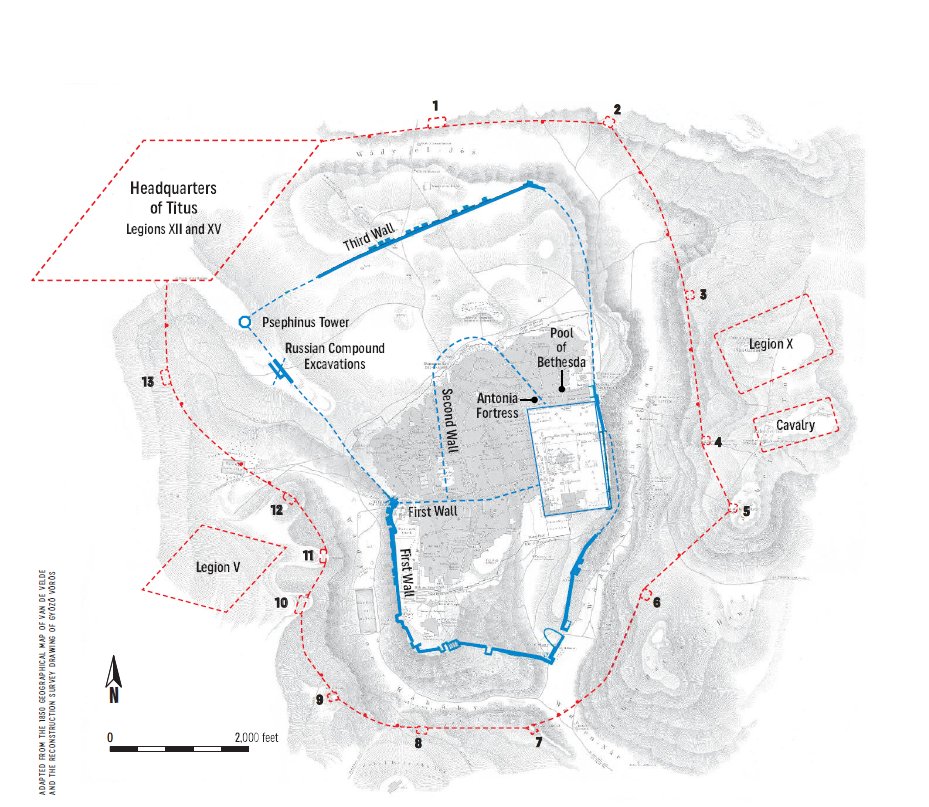
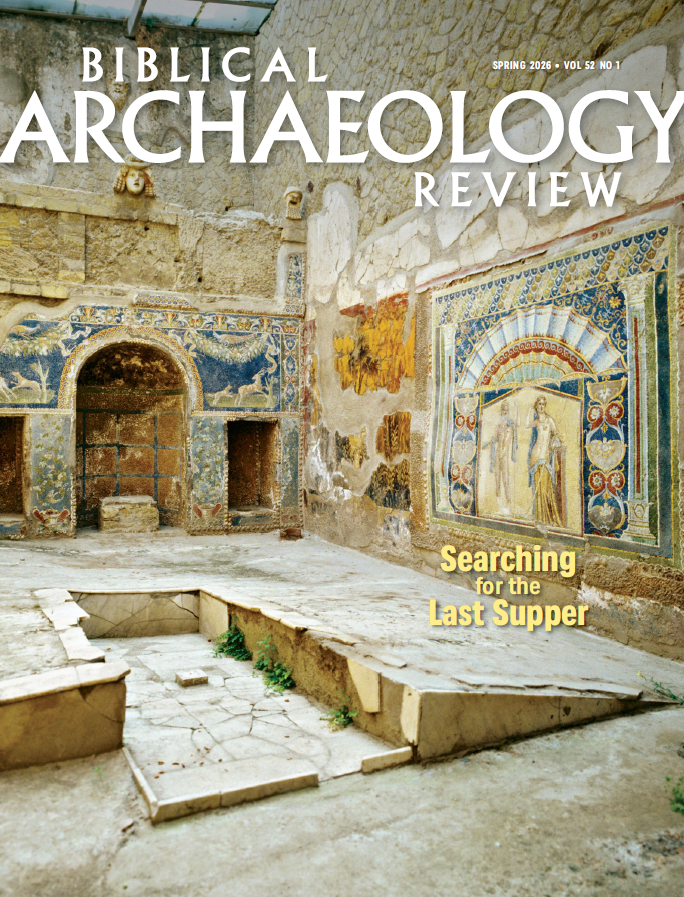
“Under Siege: How Rome Conquered Jerusalem” by GYŐZŐ VÖRÖS (Project Director of the Jordanian Department of Antiquities), on pages 52–58 of the latest issue of @BibArch Spring 2026 Vol. 52 #1.
📖👀🤔
Well done! 🎩👏
From linguistic evidence inside and outside of the #Bible, it seems the most likely pronunciation of the #Tetragrammaton is #Yahweh. https://t.co/N6glXhrxoq
ABUSIMBEL
Los templos de Ramsés II
"La fachada del templo de Ramsés II se realizó rebajando el saliente de la roca. Mide 33 m de alto y 38 de ancho, con 10 m de profundidad".
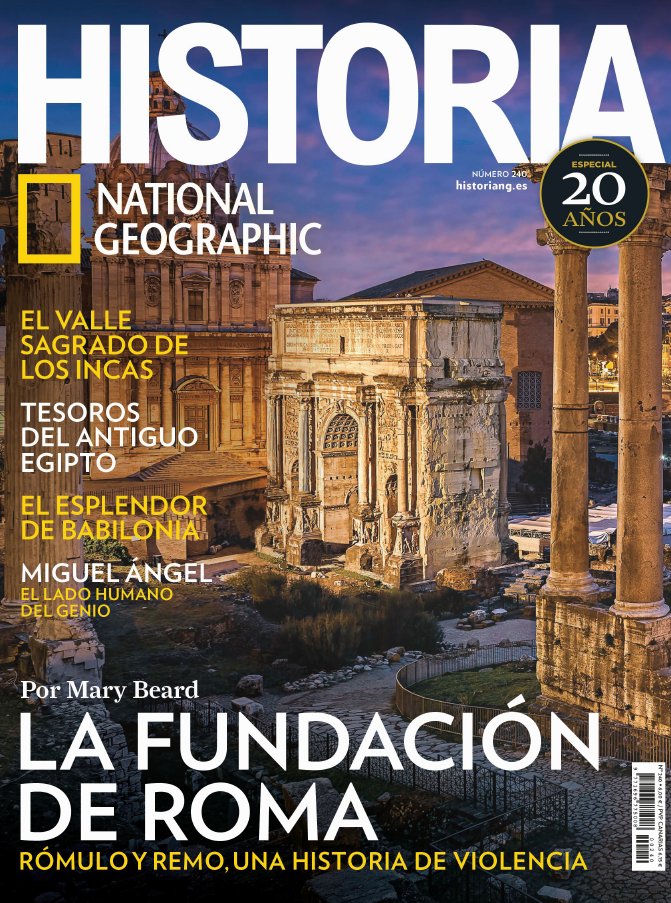
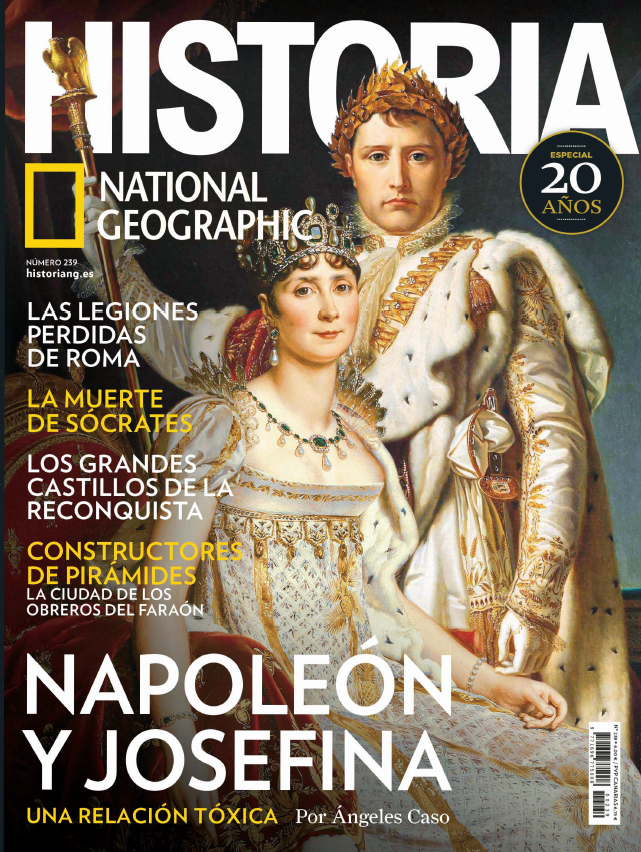
Artículo muy interesante en el último #254 de @HistoriaNG 👏🎩
📖👀 @NatGeoEsp@NatGeo@NatGeoEspana
#ManuscriptMonday Papyrus 66 (𝔓66) is an early manuscript of the Gospel of John, housed at The Bodmer Foundation in Geneva, Switzerland. In 2013, CSNTM had the privilege of digitizing a fragment of this manuscript at the Chester Beatty Library in Dublin: https://t.co/yxQkjTqbT5
Last week when I was at the University of Glasgow, I was able to see P22, a third century papyrus containing John 15:25-16:2, 21–32 #ManuscriptMonday
There are no remarkable readings and its text largely agrees with Codex Sinaiticus.
I did think it interesting that it has…
MANUSCRIPTS 101: OLD TESTAMENT QUOTATIONS
how did ancient manuscripts handle Old Testament quotations?
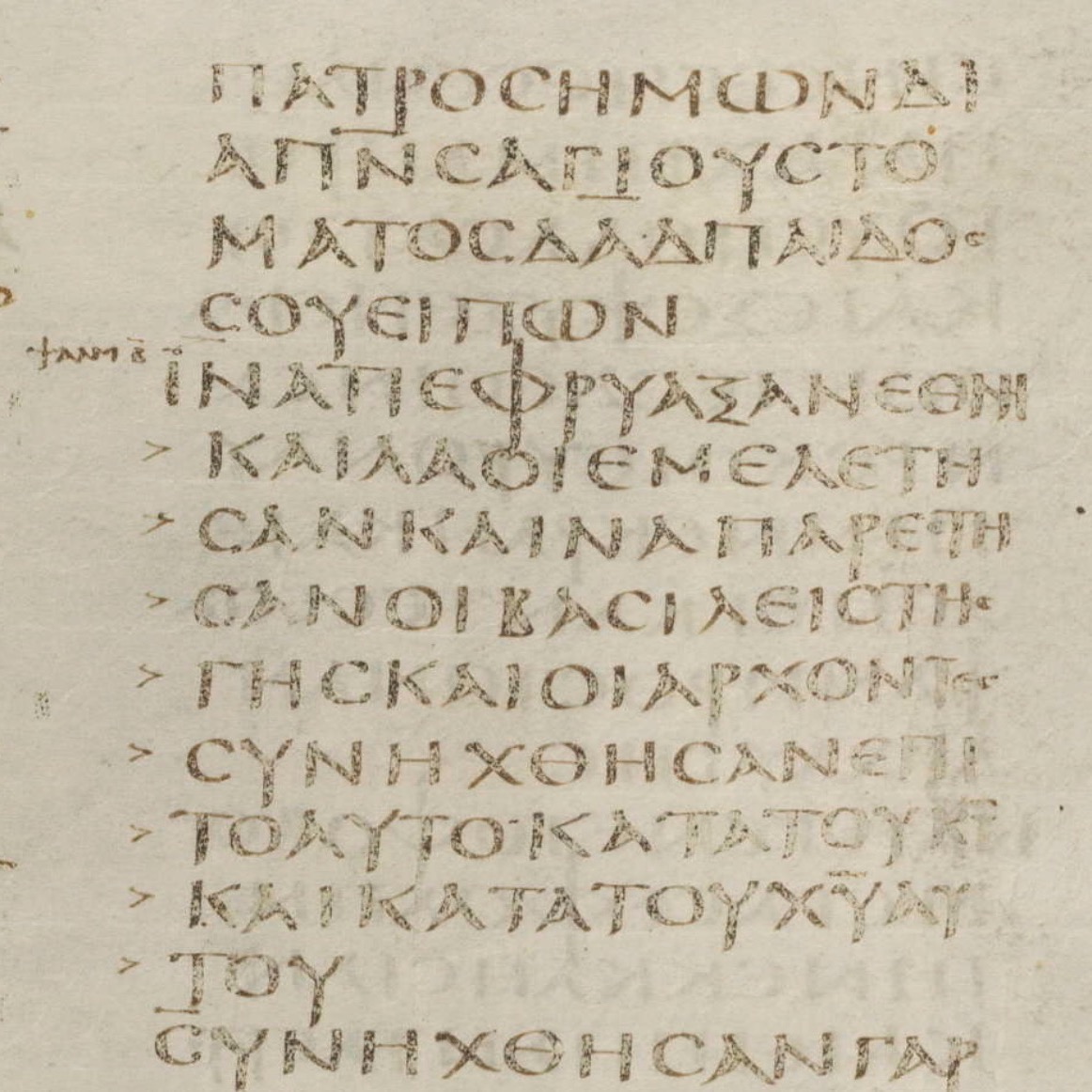
they used "diplai" >>> to mark a quotation (as here in Acts 4:25)
sometimes they even gave an attribution (as here: ψαλμ Β̅ = Psalm 2), but this is rare in the oldest MSS
Enter our giveaway for a chance to win an amazing TCI swag bundle including a free copy of the book Scribes and Scripture.
To Enter:
1. Subscribe to our newsletter (https://t.co/LpiELFbRZ3)
2. Like this post
3. Share this post
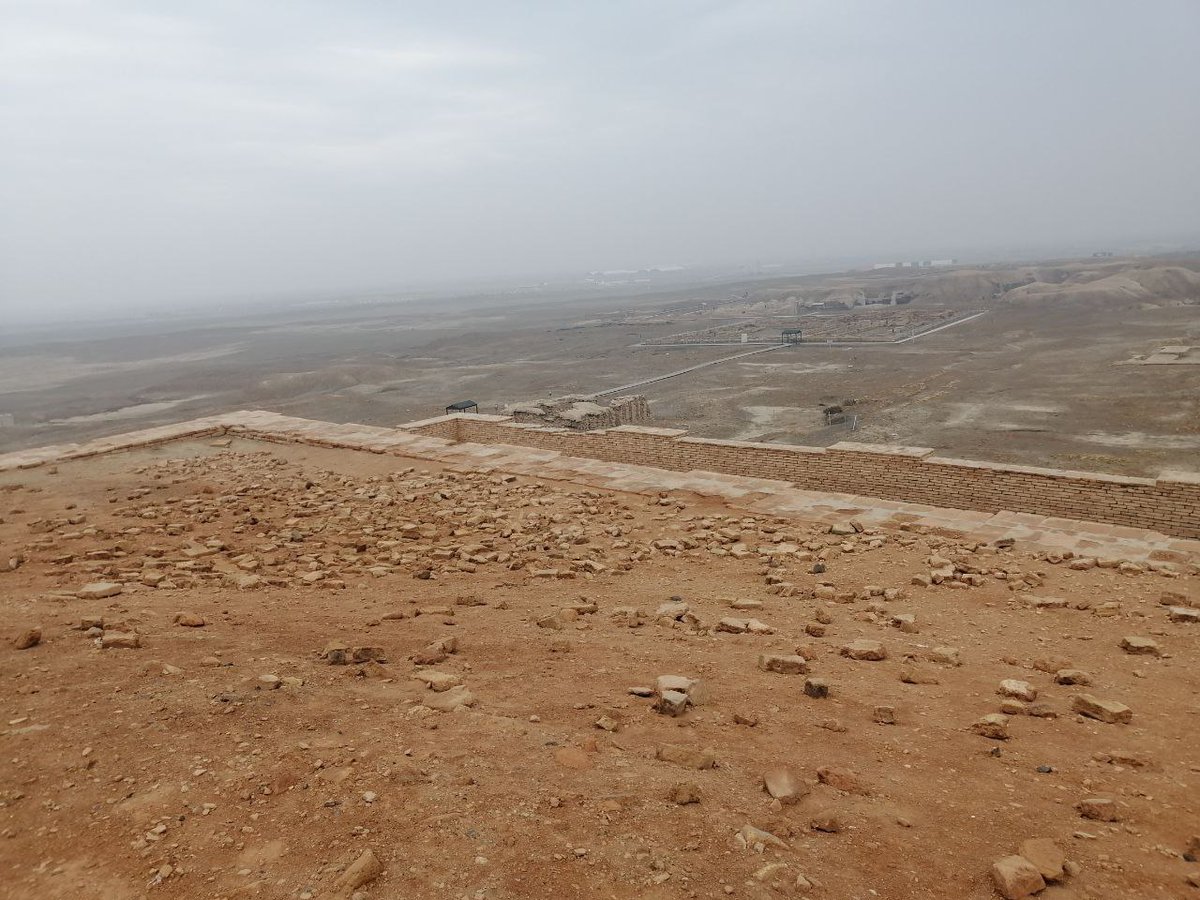
UR
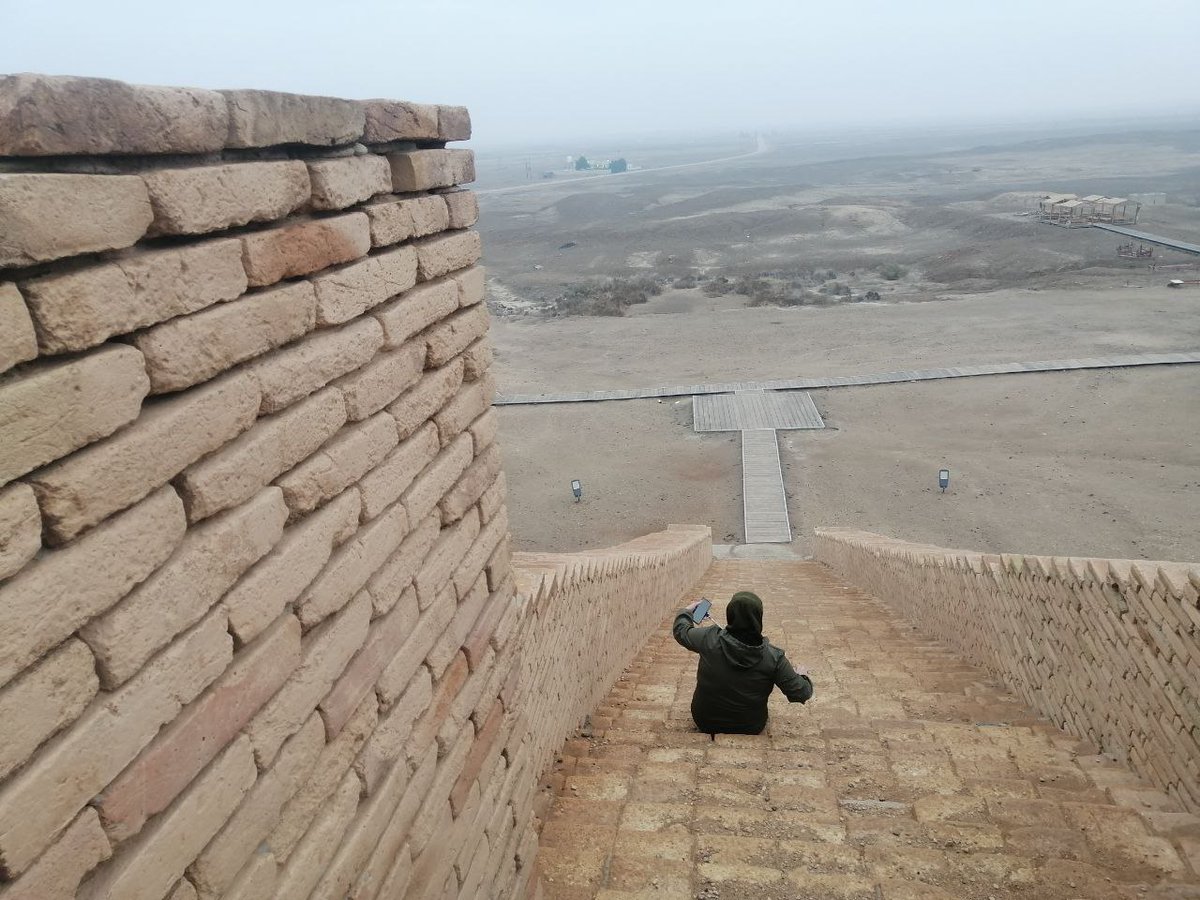
La capital de Mesopotamia
Artículo muy interesante de Franco D'Agostino y Gabriella Spada de @SapienzaRoma en el último # de @HistoriaNG: "Desde que la gente se multiplicó, ¿quién ha visto un Reino cuyo poder fuera eterno?"
🙏🎩 @NatGeo@NatGeoEspana@NatGeoEsp@natgeomundo
El alimento básico de la dieta del legionario eran los cereales, especialmente la espelta y el trigo, que eran muy fáciles de cultivar. Cada soldado recibía cierta cantidad en grano, de forma regular y su coste era descontado de su paga.
BABILONIA
"La gran capital de Nabuconodosor II"
Artículo muy interesante de #EricoAscalone de @unisalento en @HistoriaNG sobre Babilonia: "Su recuerdo quedó grabado en la tradición y en la historia artística, cultural e intelectual del mundo occidental".
🙏@NatGeo@NatGeoEspana
LA FRASE MÁS ANTIGUA ESCRITA HABLA DE PIOJOS
1700 a.C en cananeo sobre un peine: "Que este colmillo (de marfil) elimine los piojos del pelo y la barba".
Artículo muy interesante en el último # de @HistoriaNG
👨🎓👩🎓⬇️
https://t.co/OdxvzAWAS1
🙏🎩 @NatGeo@NatGeoEspana@NatGeoEsp