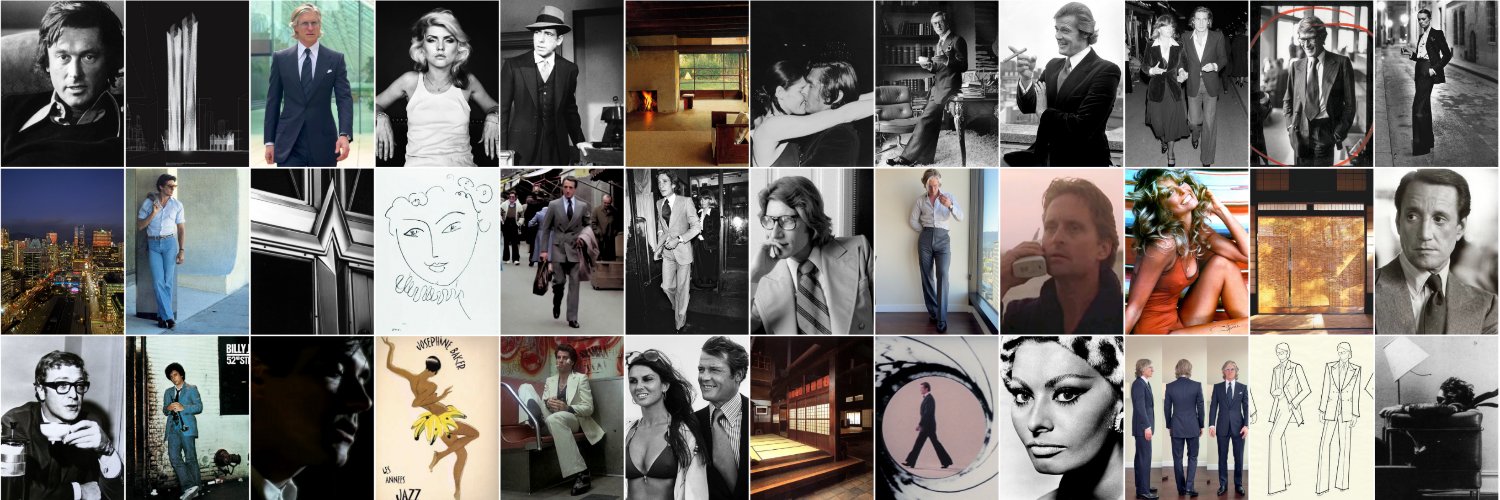
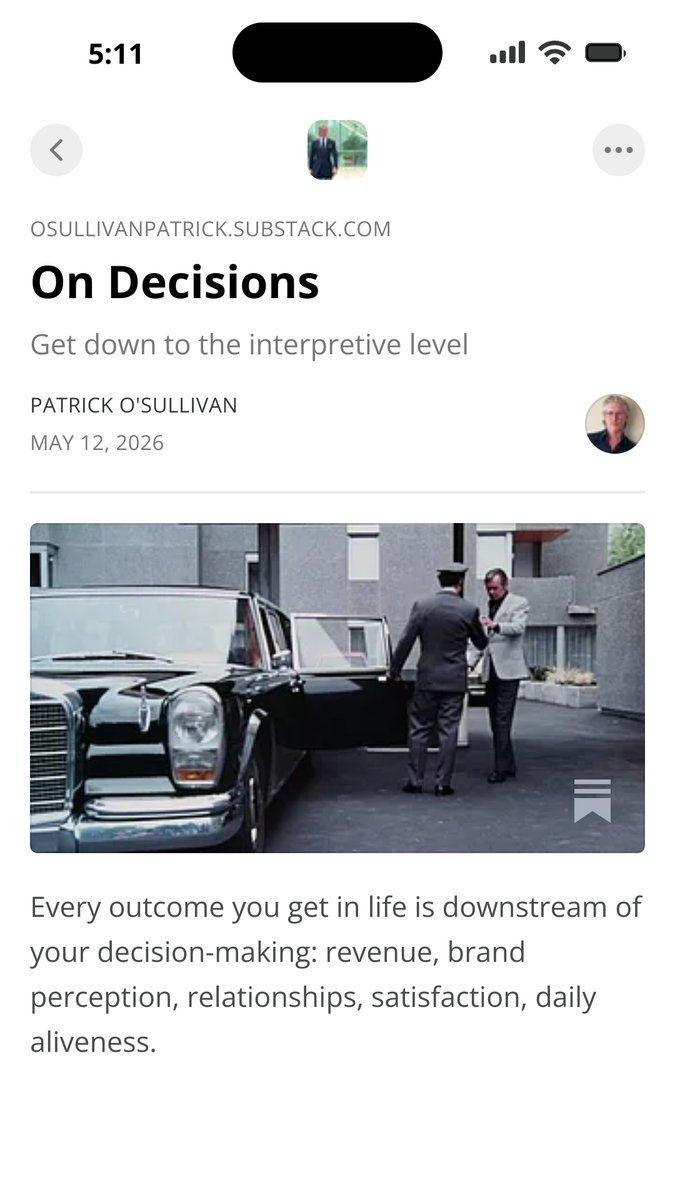
My latest piece explores how most of our decisions run on autopilot through our unconscious interpretive lens. This keeps us safe but stuck… And how to be at the source.
https://t.co/rLenKjtUVH
Seagram's ad, August 1978.
Severe.
Black void background. Black evening wear, black leather club chair. Zero context.
What about the social dynamics? She's in command. Composed. Poised. He's leaning in, staking his claim, but it's not affection, is it?
Is viewer being invited or judged?
We think of problems that we are personally "stuck" with as being not within our control.
But what if a part of you is incentivized to maintain the problem because it delivers what the survival mechanism within us wants: familiarity/ safety/ predictability.
Our identity seeks to protects itself by perpetuating patterns that don't deliver real satisfaction. We're left with the feeling that something's missing.
This is very hard to see. And harder to accept that we'd sabotage ourselves.
I put this Q&A together around one question that keeps coming up: Why would I actually want certain problems?
This is hard to see. Hard to accept. Here’s the piece:
https://t.co/PbA3wiC5nb
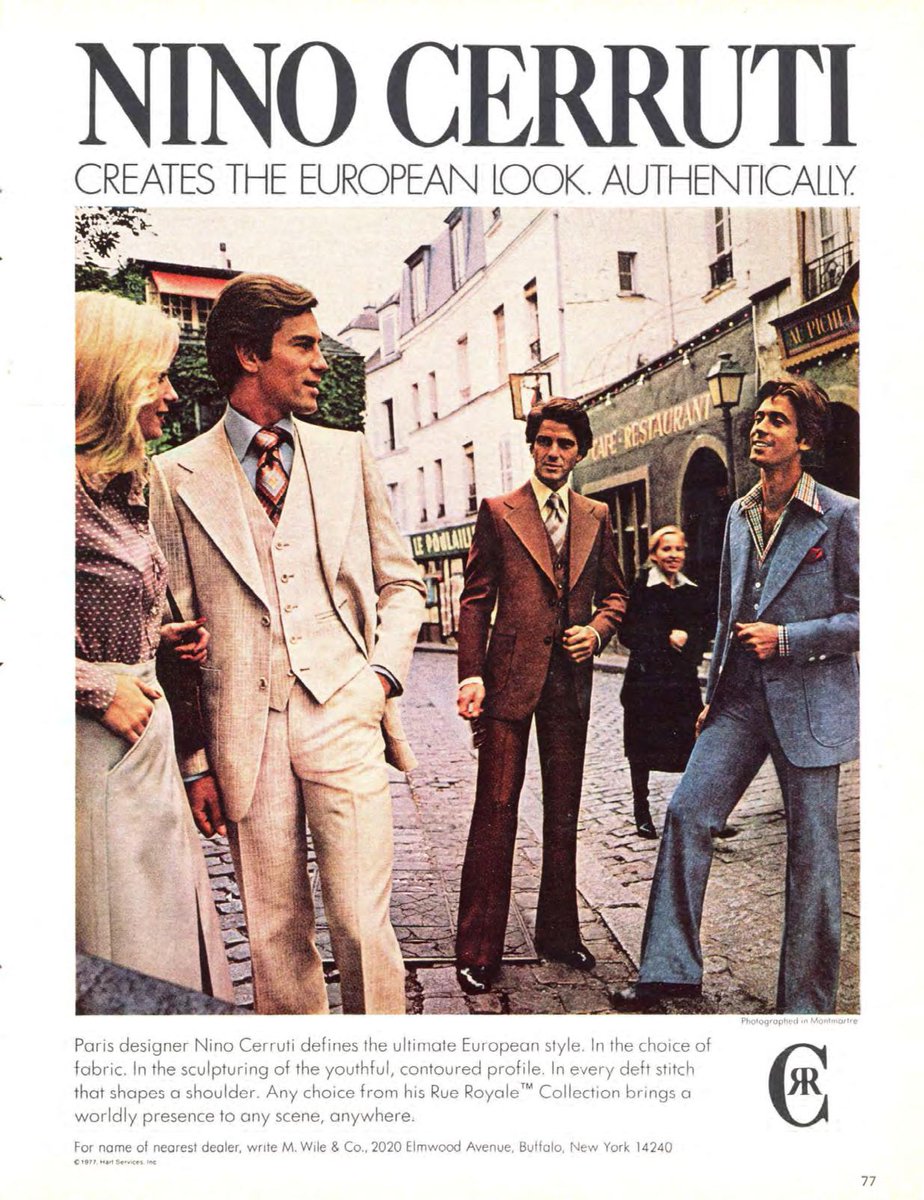
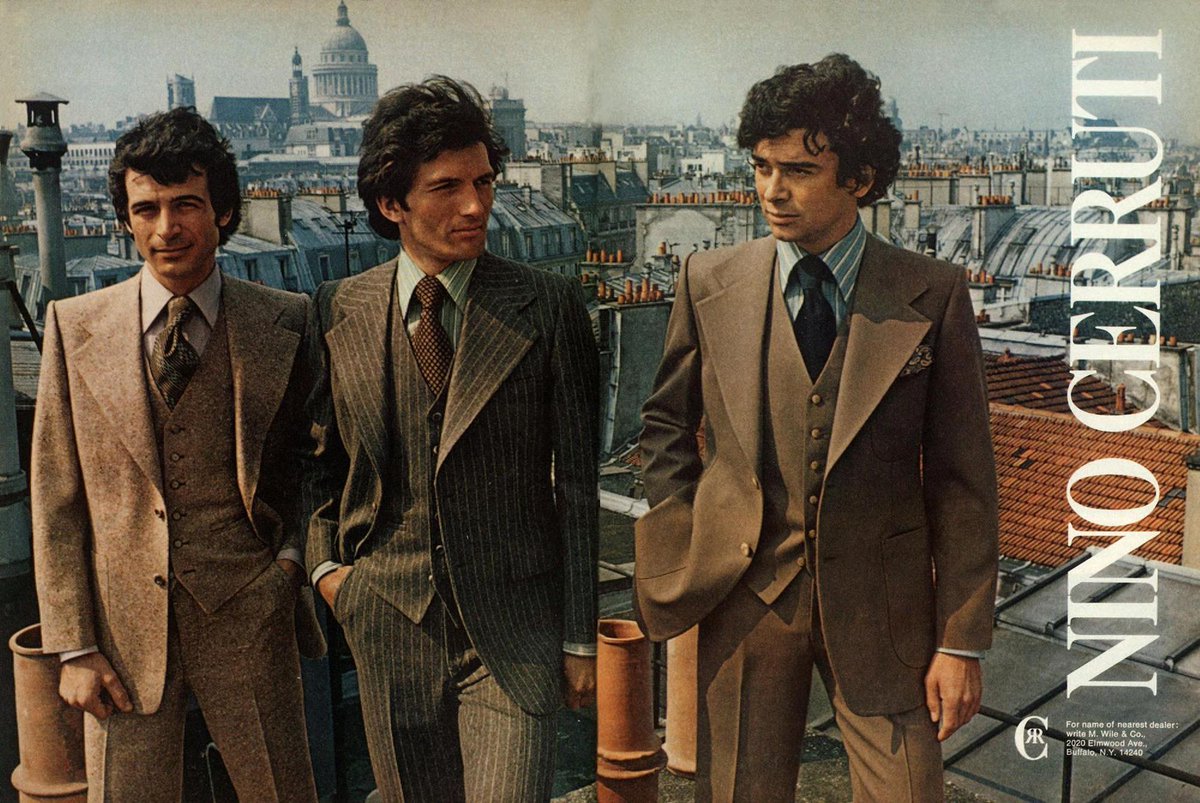
April, 1977
70s ads often told a story. Or left a space for you to insert your own interpretation. There's a dynamic composition between positions of the players, but also a social dynamic: "Hey René, aren't you going to introduce us to your new lady friend?"
Is the girl in the back a serendipitous passerby?
Also, of course, beautiful suits. Long lines, strong contours.
DAVE: My wife starts fights out of nowhere. I walk in the door wanting to decompress and she starts up.
Spoiler: At a deeper level, Dave wants the fights.
https://t.co/iiDiMOKvaU
My latest article explores why we're addicted to the thing we insist we don't want. In this case, marital fights.
Our identity's running game to reinforce its own self-image. The result is getting stuck. How do we break the cycle?
https://t.co/silijAhFAC
The dialogue sketches I've been writing on my Substack have been a kind of cognitive working through process for me to test-drive this material of the automaticity which we are.
Not easy stuff.
Our identity’s objective differs from our own.
Identity seeks confirmation of who its self-definition... based on the past. So it's strongly biased towards towards risk aversion, inertia, justification and being right.
When we act as our identity, we get stuck.
My latest article explores why we're addicted to the thing we insist we don't want. In this case, marital fights.
Our identity's running game to reinforce its own self-image. The result is getting stuck. How do we break the cycle?
https://t.co/silijAhFAC
My latest piece. A dialogue sketch that explores what the "I don't do introspection" take could be hiding.
Wealth and power don’t exempt the player from the game of personas. In fact, wealth and power may create larger blindspots due to arrogance.
https://t.co/DMCmuvWUFW