Since the War began on Feb 27th, the S&P 500 (black) is up 7.34%. But the S&P 500 without AI stocks (blue) is effectively unchanged. So, the entire S&P 500 Index rally since February has been driven by AI stocks.
But look at what happened on Friday, June 5th!
The S&P 500 was down 2.6%, its biggest daily loss since last October.
The S&P 500 without AI was up 0.02% (call it unchanged).
So, the entire sell-off on Friday was AI stocks. The "normal world" did nothing on Friday.
After four years full of challenges and hard work, it's time to move on.
I leave with the feeling that the mission is complete. 4 seasons, 3 championships.
I will never forget the love I received from the fans from my very first days.
Catalonia is my place on earth.
Thank you to everyone I met along the way during these beautiful four years.
A special thank you to President Laporta for giving me the chance to live the most incredible chapter of my career.
Barça is back where it belongs.
Visca el Barça. Visca Catalunya 💙❤️
@fcbarcelona
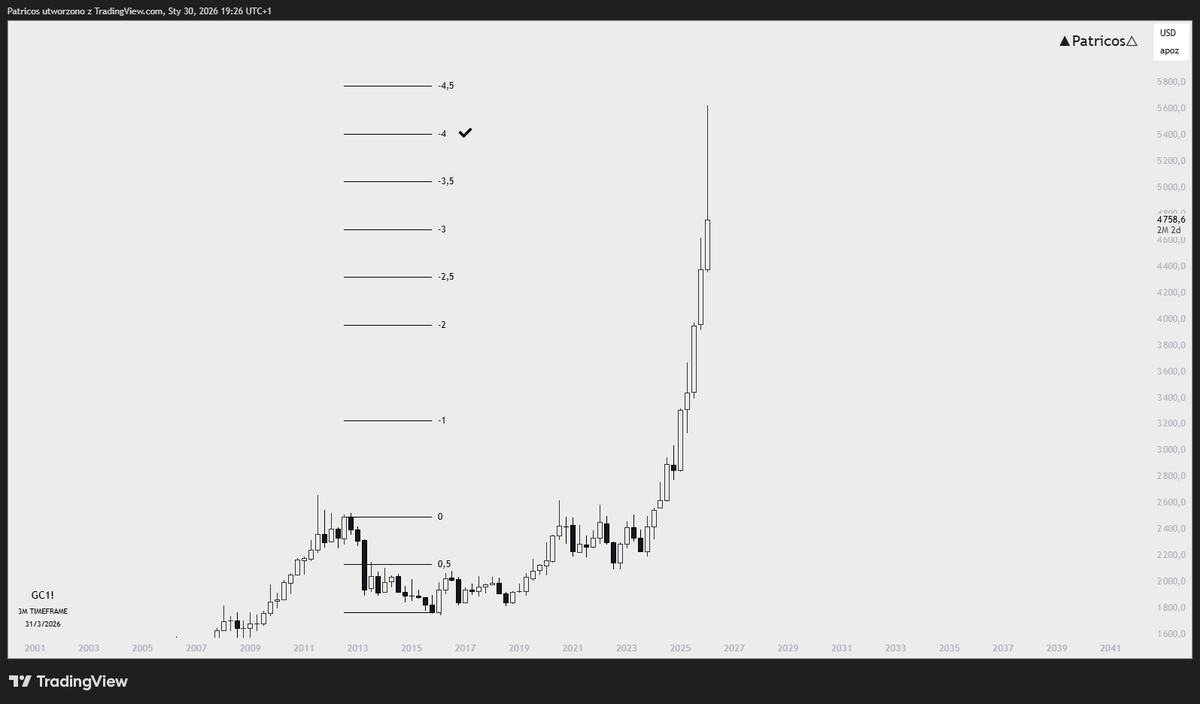
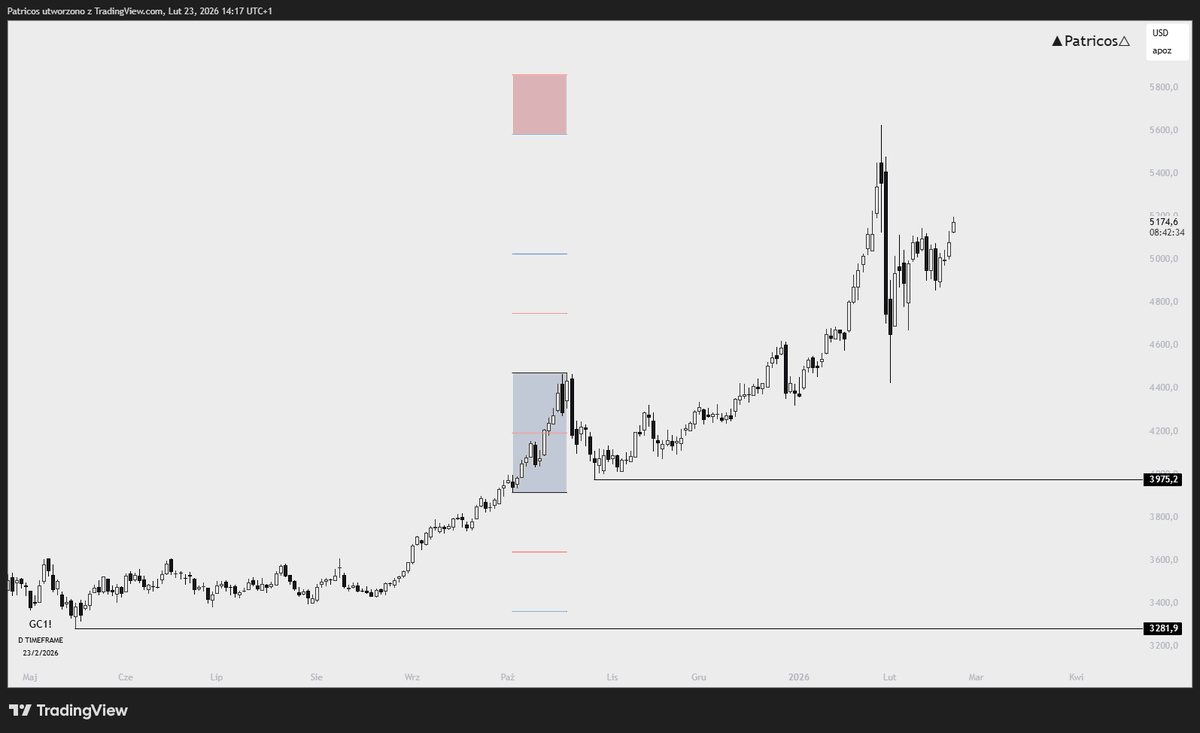
$GC
Good reaction.
We'll see how next week goes, I'd expect a rebound and then a continuation.
Silver is significantly weaker than gold (currently), so that's something to consider.
I’ve talked about this before, but I want to say it clearly and publicly.
I don’t use prop firm codes. I don’t have affiliate links. I don’t plan to. And this isn’t something I feel the need to debate anymore, it’s a moral decision for me.
The reason is simple: affiliate structures often reward the creator when the trader fails.
Most traders don’t pass on the first attempt. They reset. They buy another evaluation. They try again. When a creator is attached to a code, every reset can turn into commission. That means the business model can benefit from repeated failure from another individual. Even if that’s not the intention, that’s how the structure works.
As a streamer or creator grows, this becomes fuel.
More people use the code → more affiliate revenue.
More revenue → more accounts purchased.
More accounts → more chances to post payouts or show “success.”
More visible success → more attention and growth.
More growth → more people using the code.
It becomes an endless loop.
And honestly, here’s where people need to be careful: sometimes affiliate payouts are portrayed as if they’re trading payouts. There isn’t always clear separation.
If someone is earning from commissions and using that money to fund more accounts, it can amplify the image of success. From the outside, it looks like pure trading performance. Behind the scenes, there may be additional revenue streams feeding that cycle.
I’m not saying every person with a code has bad intentions. I have friends who use affiliate codes and genuinely want to help people. But the structure itself is something you should understand before you participate in it.
If you’re trying to make ends meet, support your family, or build something long-term, this matters.
Trading is not a get-rich-quick path. It’s supposed to be a decades-long skill. It requires budgeting, patience, and sustainability. Constantly cycling through evaluations without a clear financial plan is not sustainable. It’s emotional. And emotion is expensive.
You are not just “joining a community” when you use a code. You are entering a system where your fees generate revenue for someone else, whether you pass or fail. And in many cases, the system works best when people keep restarting.
In trading, and especially in the prop firm space, the statistical reality is that most people fail. The failure rate is extremely high. Whether it’s 80%, 90%, or more, the probability leans heavily toward traders losing, resetting, or quitting.
Make sense now?
My stance is simple:
I don’t want to be incentivized by your resets.
I don’t want to earn from your frustration.
I don’t want my growth tied to how many times you swipe your card using some code.
If this message makes people uncomfortable, that’s okay. It’s not about attacking individuals. It’s about understanding the structure of the space we’re operating in.
Slow down. Create a budget. Define what you actually want from trading, extra income, financial stability, long-term freedom, and build toward that patiently.
The long game requires patience.
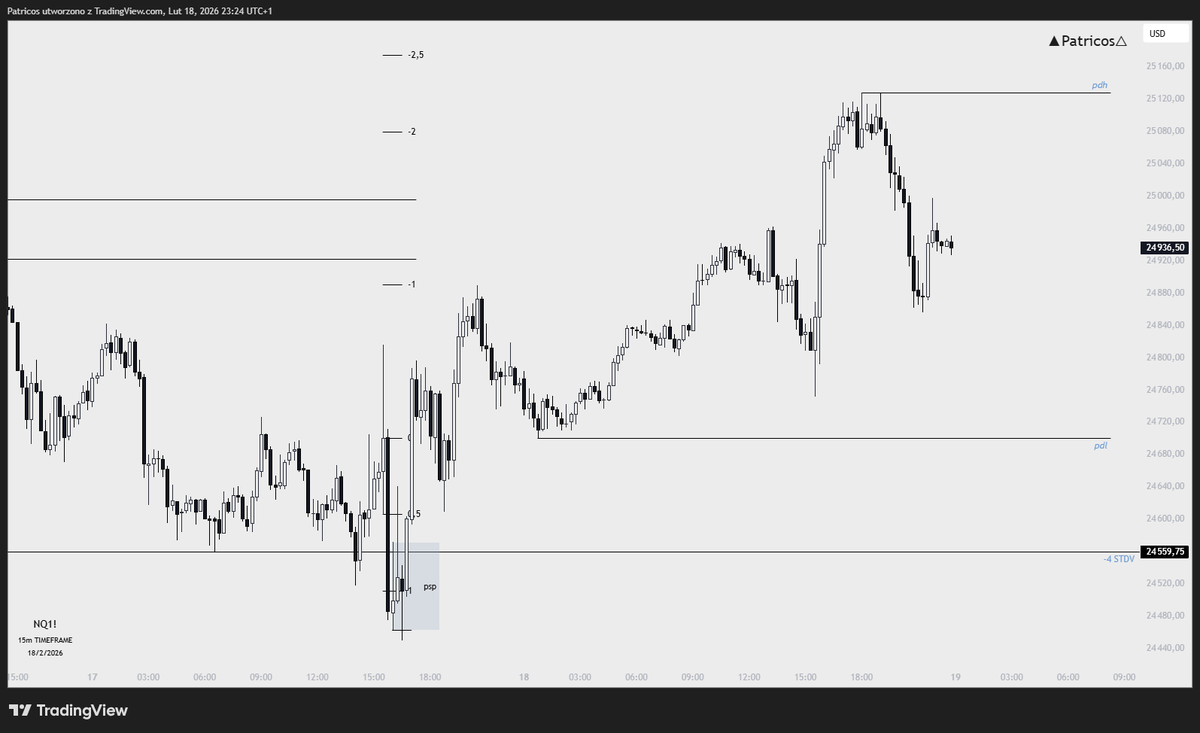
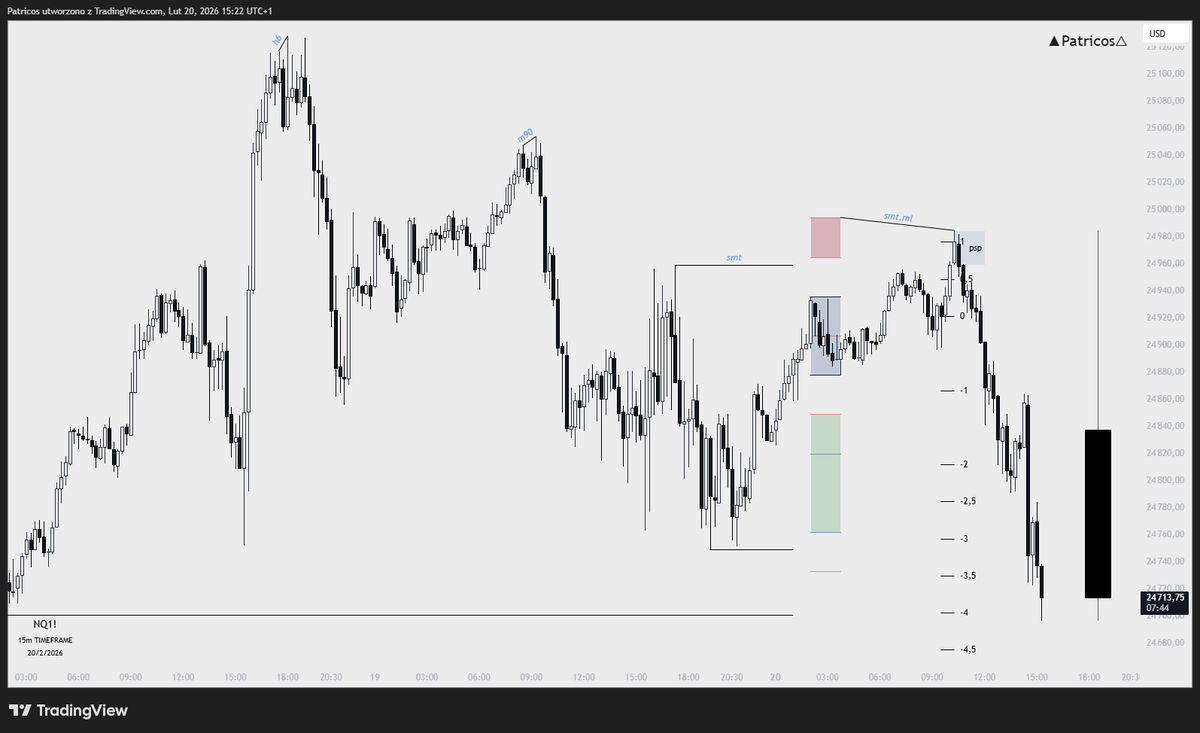
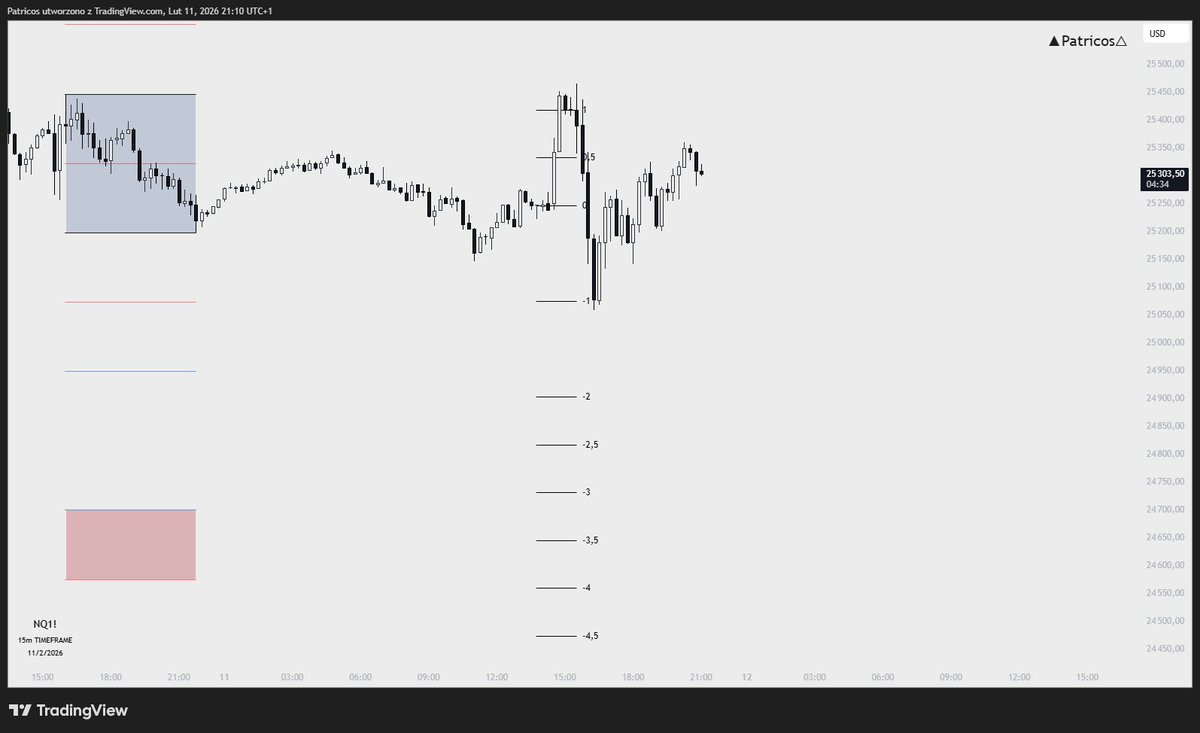
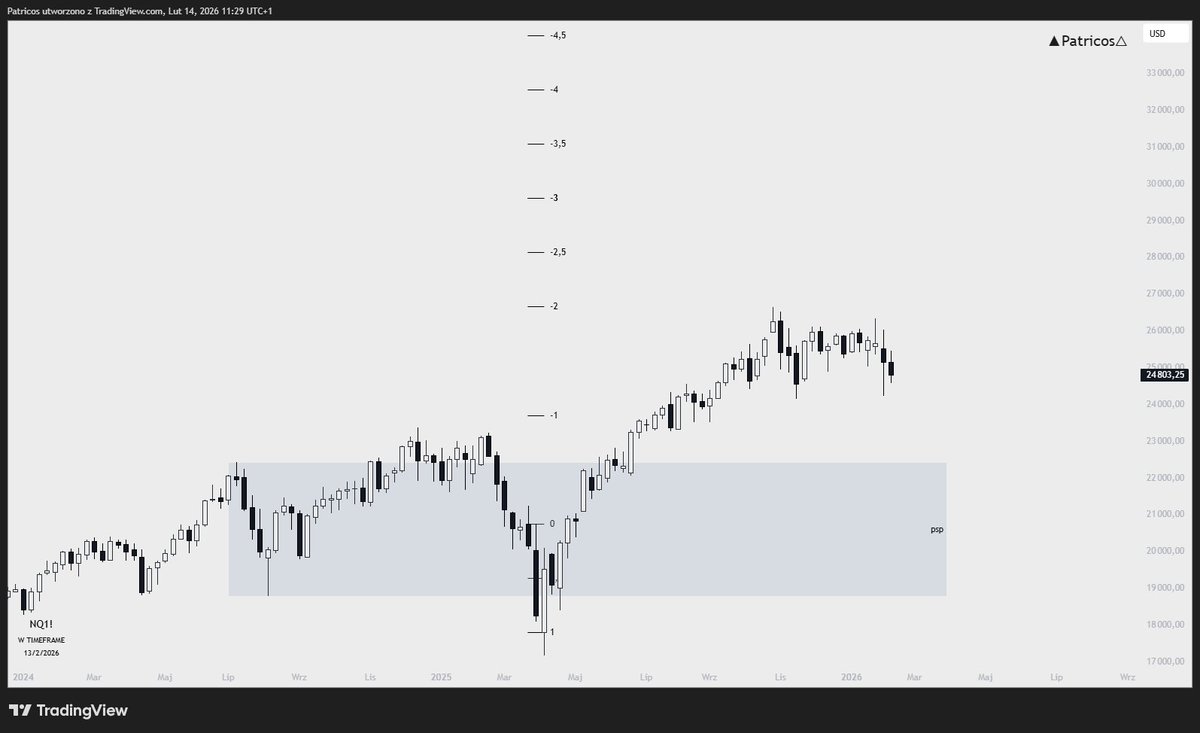
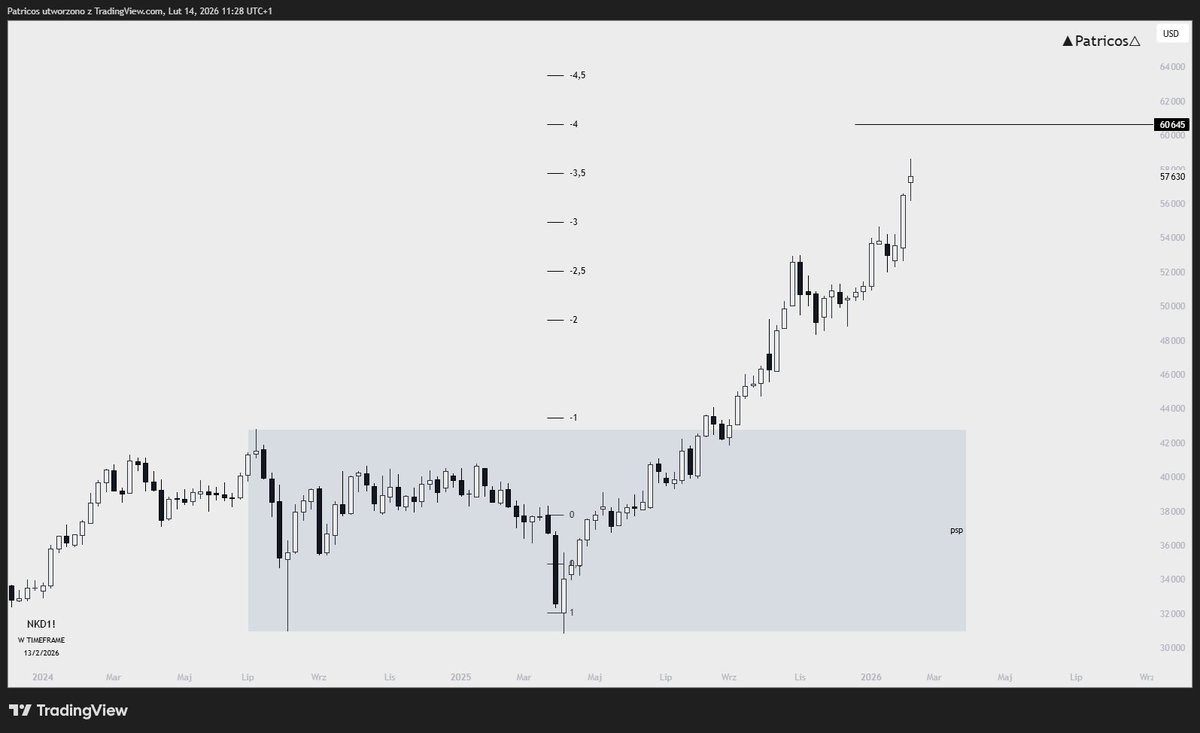
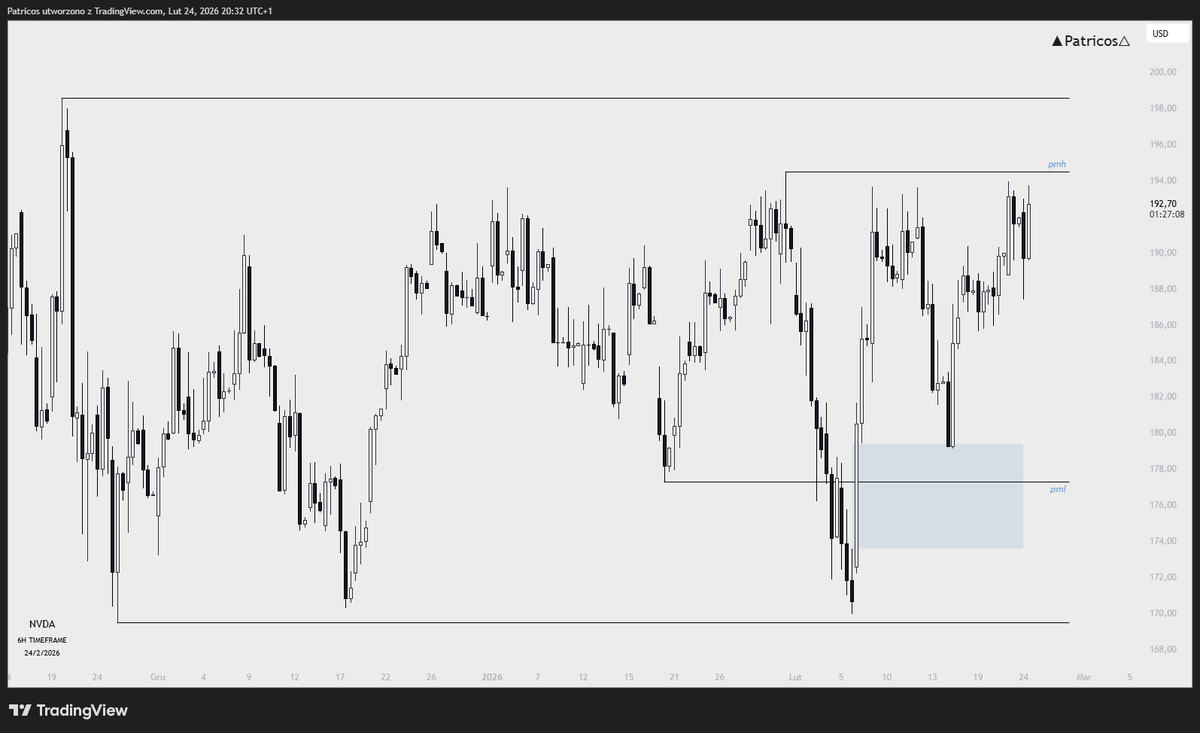
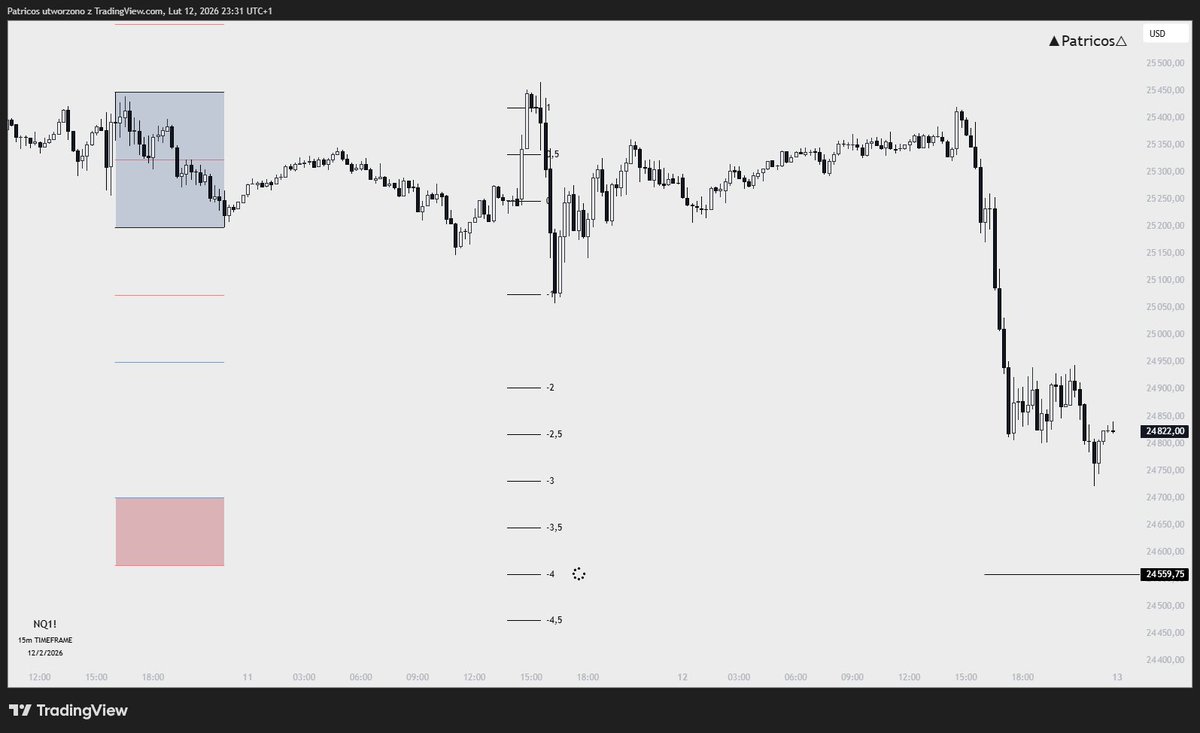
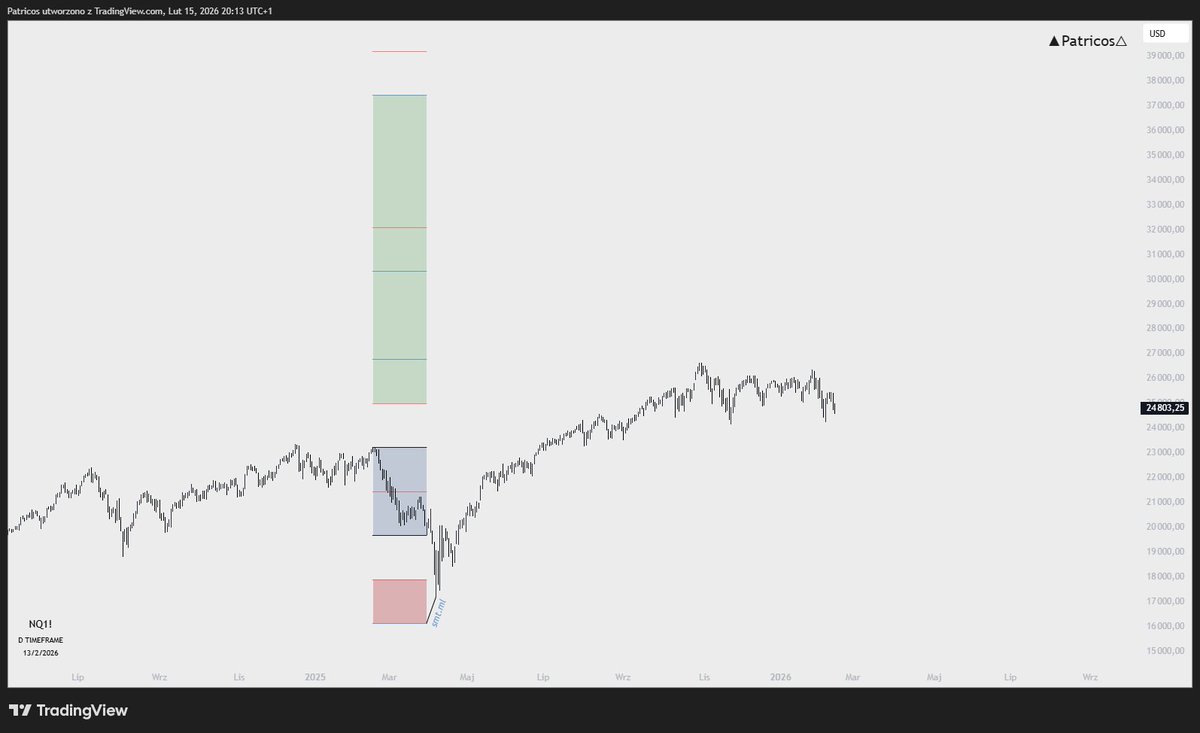
@100procentcukru The situation is different in the case of TBR - there I am interested in exactly what range from high to low was created in a given time window.
@100procentcukru A long time ago, when I was learning about the use of STDV, I tested it myself. I noticed certain dependencies that occur when determining by candle bodies.
I have nothing against using from high to low - if it works for someone, let them do it.
@100procentcukru From a practical intraday and more long-term approach.
Intraday:
m1 (entry/sl to be/ possibly 1st target)
m15 (intraday navigation)
„Mid-term”:
h4 (if I expect further intraweek/intramonth movement) and in this place I sometimes use m90 if I think it's more appropriate.
@100procentcukru Good question.
I tested this a long time ago and the most common correct stdv was from a fractal: m1/m15/h4/w1. And that's always the main thing for me.
Lately, I've been using m90, but I don't have much confidence in it - even though it worked well recently.